
Kiri Hodi — literally "milk gravy" in Sinhala — is one of the most quietly essential dishes in Sri Lankan home cooking. Unlike the fiery red curries that often define Sri Lanka's cuisine in the international imagination, this pale golden coconut milk curry is mild, aromatic, and deeply comforting. It appears on breakfast tables alongside traditional Sri Lankan fare, anchors a midday rice spread, and turns up at evening meals with equal ease. Its simplicity is its strength.
What is Kiri Hodi made from?
The backbone of Kiri Hodi is fresh or canned coconut milk, which gives the dish its characteristic velvety body and subtle sweetness. A typical preparation starts with a tempering step: onion, green chillies, curry leaves, and pandan leaves are cooked gently in coconut oil until fragrant. Ground turmeric is then added — it colours the gravy a soft amber-gold and contributes a faintly earthy note without overpowering the coconut.
Coconut milk is poured in and the curry is simmered at a low heat to keep the milk from splitting and to preserve the delicate layering of flavours. A measured pinch of salt pulls everything together. The result is a sauce that is simultaneously light and rich — a balance that few other curries achieve.
Some cooks add a small piece of dried clove or cinnamon bark to the tempering for a warmer, slightly floral edge. Fenugreek seeds are another common addition, lending a faint bitterness that offsets the coconut's sweetness. These small variations make Kiri Hodi an intensely personal dish — every household has a version it considers definitive.
Is Kiri Hodi vegetarian?
In its most basic form, yes — Kiri Hodi contains no meat or fish and is fully plant-based. This makes it one of the more inclusive dishes on a Sri Lankan table, suitable for vegetarian and vegan diners alike (provided coconut oil rather than ghee is used for tempering). That said, many families enrich the gravy with a couple of hard-boiled eggs or small pieces of white fish such as seer or tuna, which absorb the coconut milk beautifully. Prawns are another occasional addition along the coastal belt.
The dish is naturally gluten-free, dairy-free, and relatively low in refined ingredients, which has drawn fresh attention from health-conscious cooks beyond Sri Lanka's borders in recent years.
What do you eat with Kiri Hodi?
Kiri Hodi is extraordinarily versatile as an accompaniment. The most common pairings are:
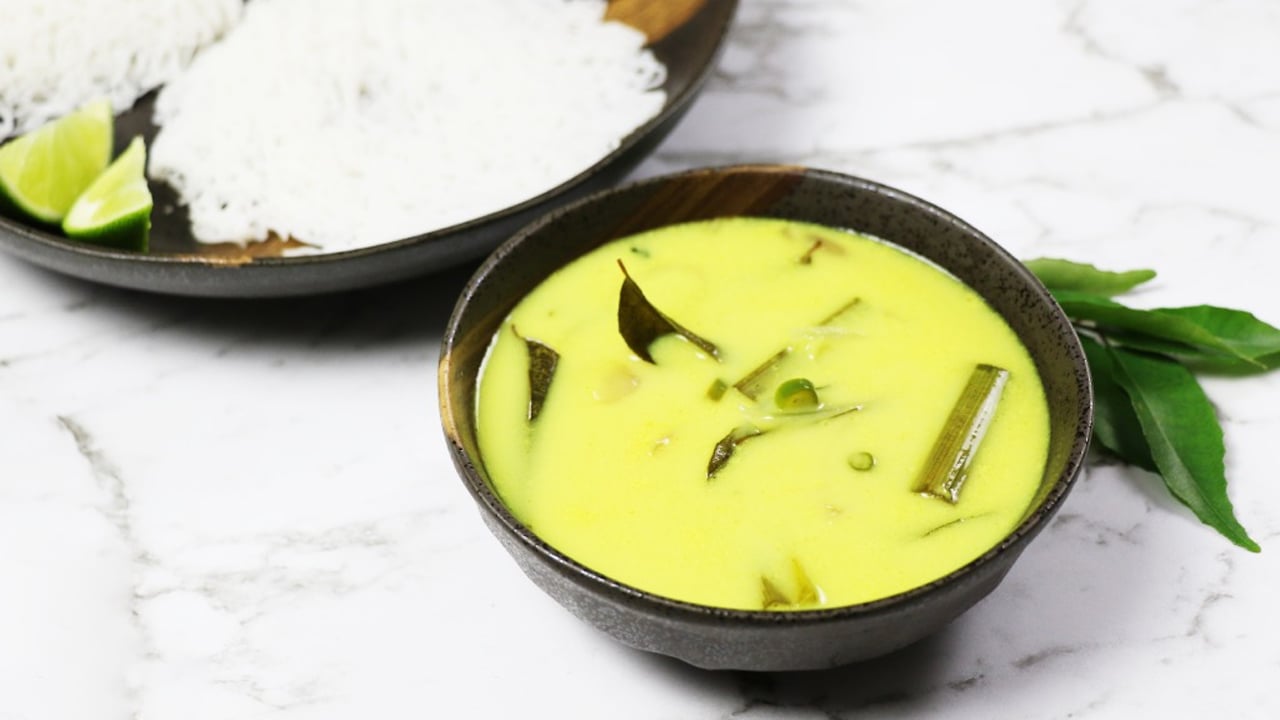
- String hoppers (indi appa): Steamed rice-flour noodle nests are almost always served with Kiri Hodi for breakfast or dinner. The gravy soaks into the noodles and provides the main source of fat and flavour in the meal.
- Kiribath (milk rice): Sri Lanka's ceremonial rice dish — cooked in coconut milk — is traditionally served with Kiri Hodi at New Year celebrations and auspicious occasions.
- Pol roti: Thick, pan-cooked flatbreads made with coconut and flour pair particularly well, used to scoop up the gravy.
- Plain rice: Kiri Hodi is a standard component of a Sri Lankan rice-and-curry spread, where it acts as a cooling counterpoint to hotter, spicier curries on the plate.
- Bread: Sliced white bread dipped into warm Kiri Hodi is a common, unpretentious breakfast in many Sri Lankan households.
In most Sri Lankan homes, Kiri Hodi is never eaten alone. It functions as one thread in a larger tapestry of dishes — a dhal, a sambol, a vegetable curry — that together make up a complete meal.
How does Kiri Hodi differ from other Sri Lankan curries?
Sri Lankan curries are often categorised by colour and heat: dark, roasted "black" curries, medium-spiced "red" curries, and the milder "white" curries made with unroasted spices and coconut milk. Kiri Hodi belongs firmly in the white-curry tradition, sharing that category with dishes like polos (young jackfruit curry) and certain fish preparations.
What sets Kiri Hodi apart from other white curries is its minimal spice load. Where a jackfruit or chicken white curry will typically include a blend of unroasted curry powder, Kiri Hodi leans on turmeric, green chilli, and aromatics almost exclusively. It is also thinner in consistency than a typical curry — closer to a pourable gravy than a thick sauce — which is exactly what makes it so effective as a soaking medium for string hoppers and roti.
The coconut palm that supplies its defining ingredient grows abundantly across Sri Lanka's coastal lowlands and wet zone, which means the raw material for Kiri Hodi has always been cheap, accessible, and deeply woven into everyday life on the island.
Where can you try authentic Kiri Hodi in Sri Lanka?
Kiri Hodi is not a restaurant showpiece — it lives in homes, small roadside eateries (known as kades), and family guesthouses across the country. Travellers staying with local families through a Lakpura-arranged village experience are likely to encounter it at breakfast, often alongside string hoppers and lunu dehi (salt-cured lime pickle).
Regional character does influence the dish. In the coastal south and west, the coconut milk tends to be richer, sometimes pressed fresh at home. In the hill country around Ella and the central highlands, a slightly thinner version is more common, and the use of local green chillies gives it a sharper, more grassy heat.
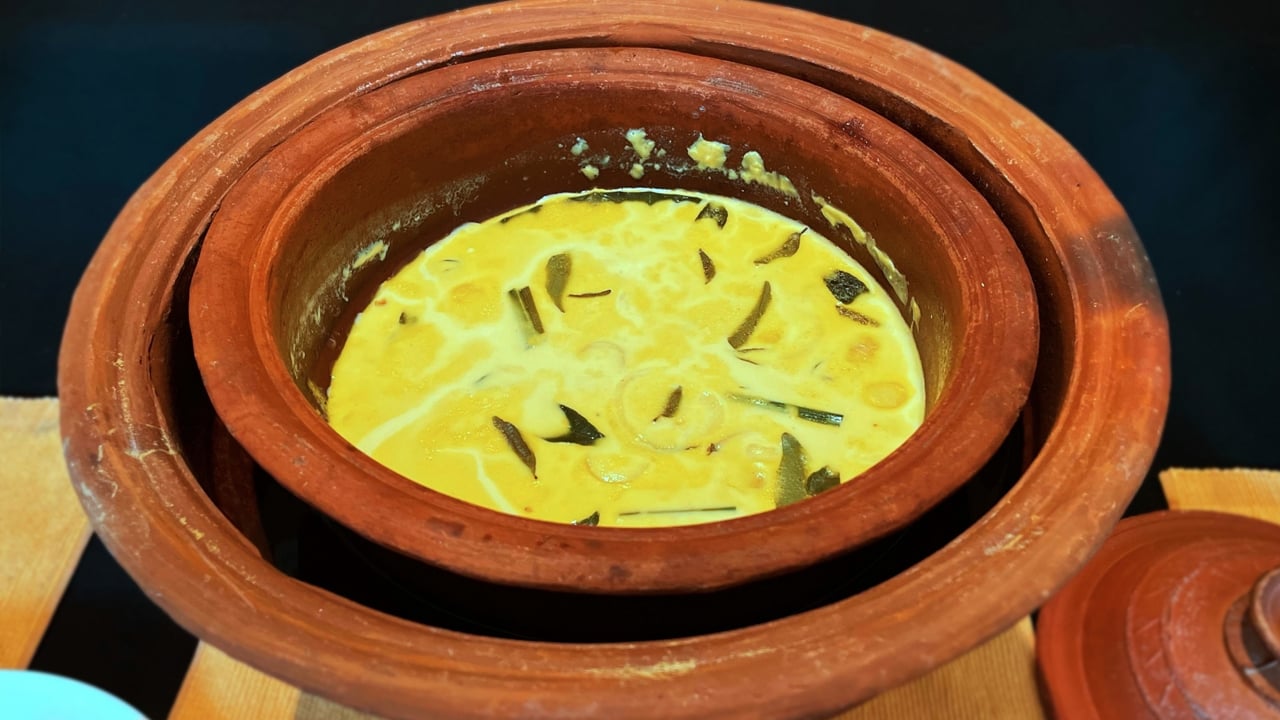
Upscale Sri Lankan restaurants occasionally feature Kiri Hodi on a traditional set-menu spread, but the most honest versions remain those served in unhurried domestic settings — poured from a clay pot, still warm from the stove.
Can you make Kiri Hodi at home?
Kiri Hodi is one of the more approachable Sri Lankan dishes for home cooks unfamiliar with the cuisine. The ingredient list is short and the technique is forgiving. The main point of failure is overheating the coconut milk, which causes it to curdle and separate; keeping the heat low and steady throughout the final cooking stage prevents this.
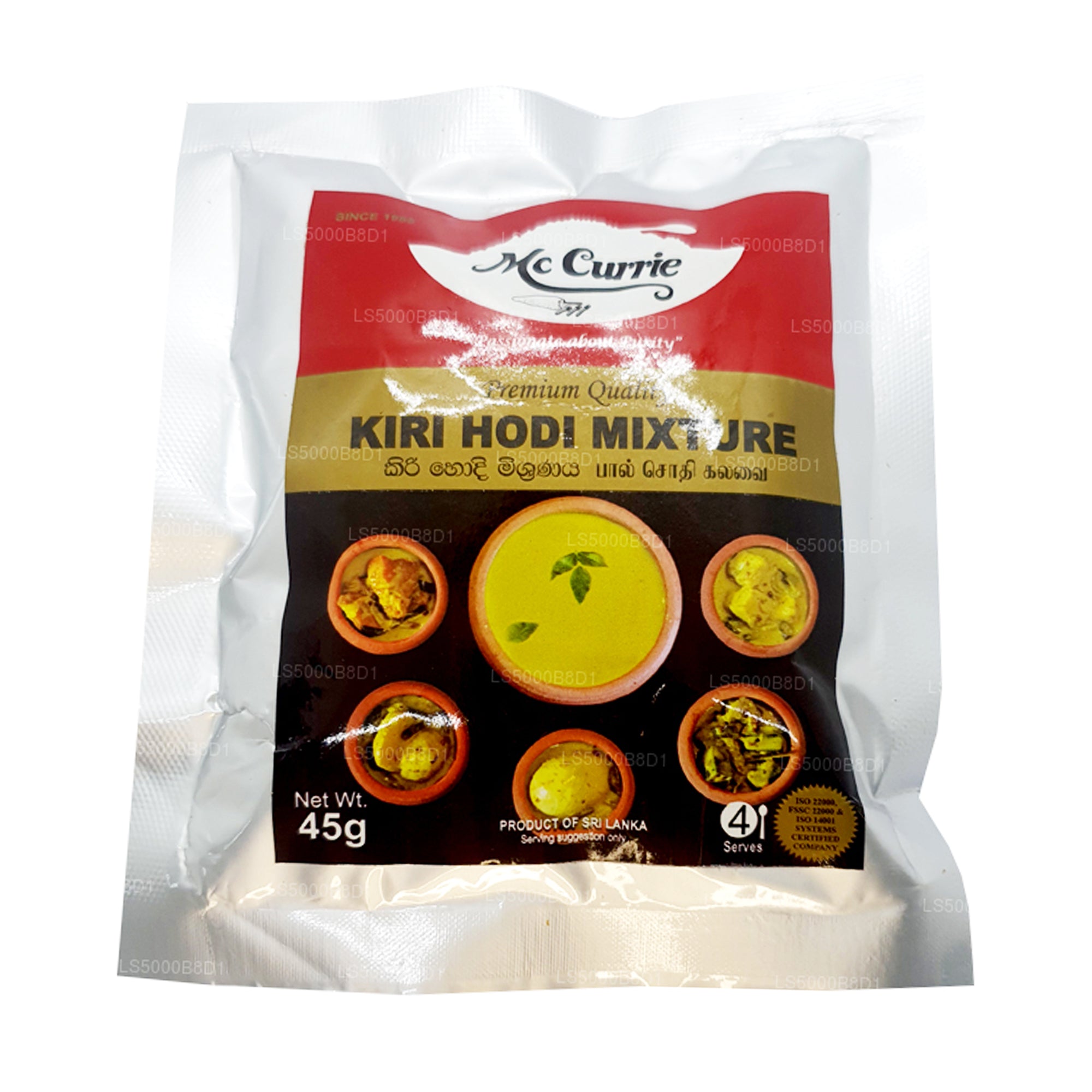
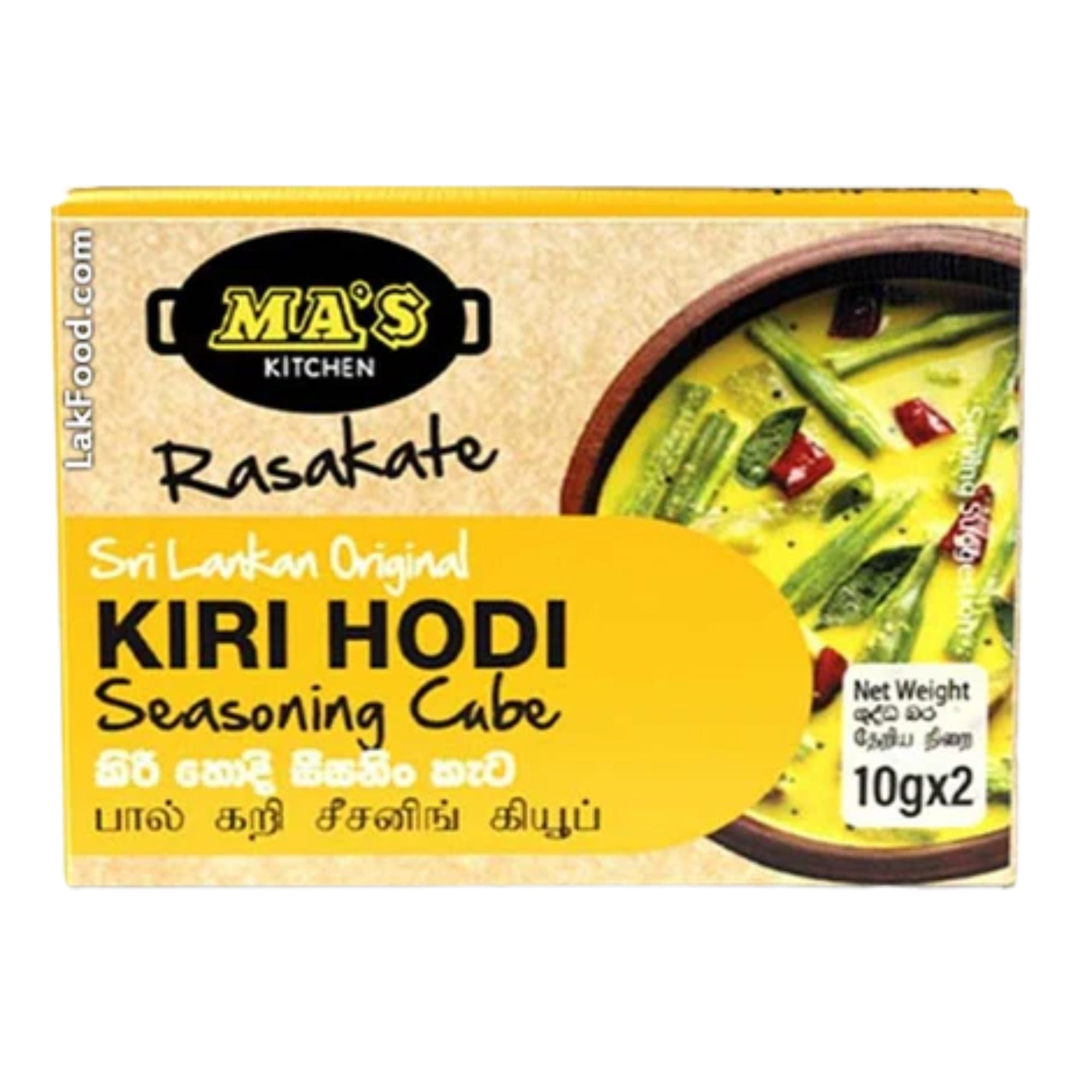
For those outside Sri Lanka who want to replicate the dish faithfully, the key variables are the quality of the coconut milk (full-fat, ideally with a high coconut extract percentage) and the use of fresh curry leaves and pandan, both of which are now available in many Asian grocery stores internationally. Pre-mixed spice blends — including ready-measured Kiri Hodi mixtures available through Lakpura — allow cooks to approximate the flavour profile without sourcing each component individually.
A basic recipe outline:
- Heat coconut oil in a small saucepan over medium-low heat.
- Add sliced onion, split green chillies, fresh curry leaves, and a pandan leaf tied in a knot. Cook until the onion softens without browning.
- Add a pinch of ground turmeric and stir for 30 seconds.
- Pour in coconut milk (thin milk first if using fresh-pressed), reduce heat to low, and simmer gently for 8–10 minutes.
- Season with salt. If using eggs or fish, add them in the final few minutes.
- Remove pandan before serving.
The result should be a fragrant, gently golden gravy that coats the back of a spoon lightly — not thick, not watery, but somewhere pleasantly in between.