
Rampe — known internationally as pandan — is one of the most recognisable aromatics in Sri Lankan cooking. A long, slender green leaf with a subtly sweet, grassy fragrance, it appears in everything from everyday rice and curry to festive sweets. Beyond the kitchen, traditional Ayurvedic and folk medicine practitioners have long valued rampe for a range of therapeutic applications. Understanding this plant properly helps you appreciate just how deeply it is woven into daily life across the island.
What exactly is rampe, and where does it come from?
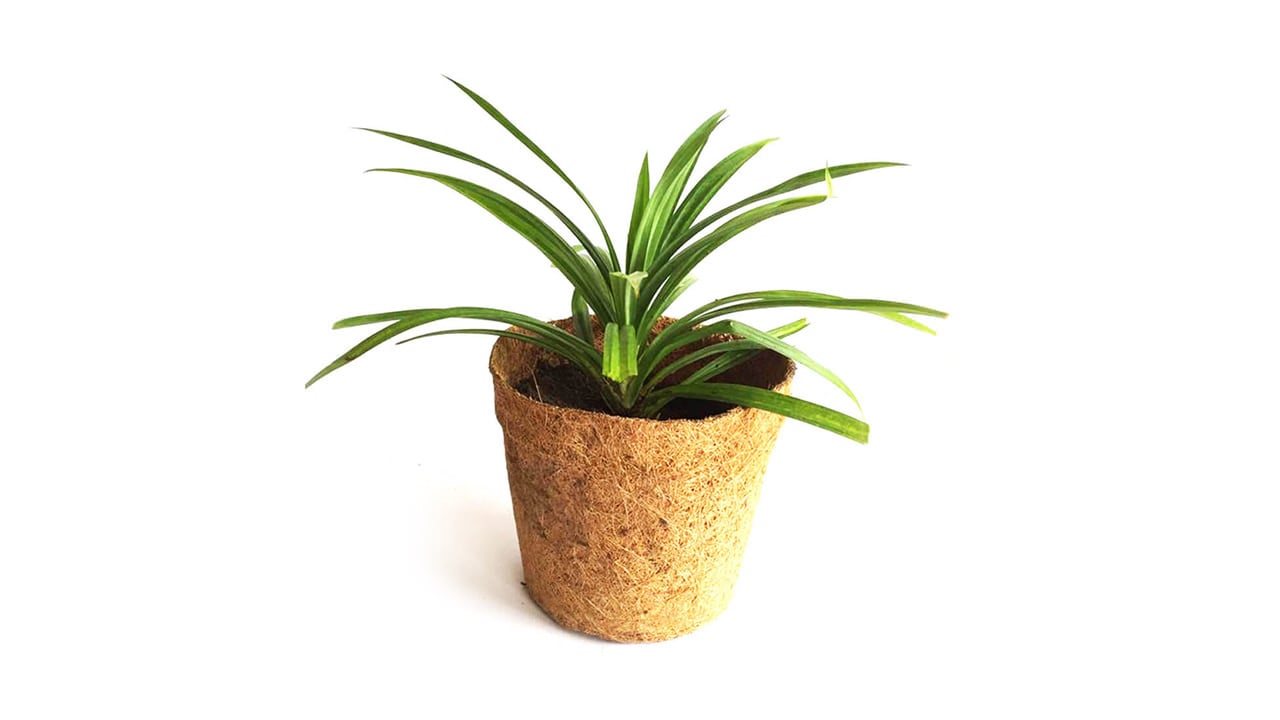
Rampe (Pandanus amaryllifolius) belongs to the Pandanaceae family and is commonly called screw-pine in English, a reference to the spiralling arrangement of its leaves around the stem. It is a tropical plant that thrives in warm, humid climates — conditions that much of Sri Lanka provides year-round. The plant grows in a compact, palm-like form, with thin, bright-green leaves that can reach considerable length.
Rampe plants are either male or female, but both rarely flower under cultivation, and fruiting is practically unheard of in domestic settings. For this reason, propagation is almost always done by cutting and replanting offshoots rather than from seed. This vegetative reproduction also means that cultivated rampe is genetically uniform, which helps ensure a consistent flavour profile in the leaf.
How is rampe used in Sri Lankan cooking?
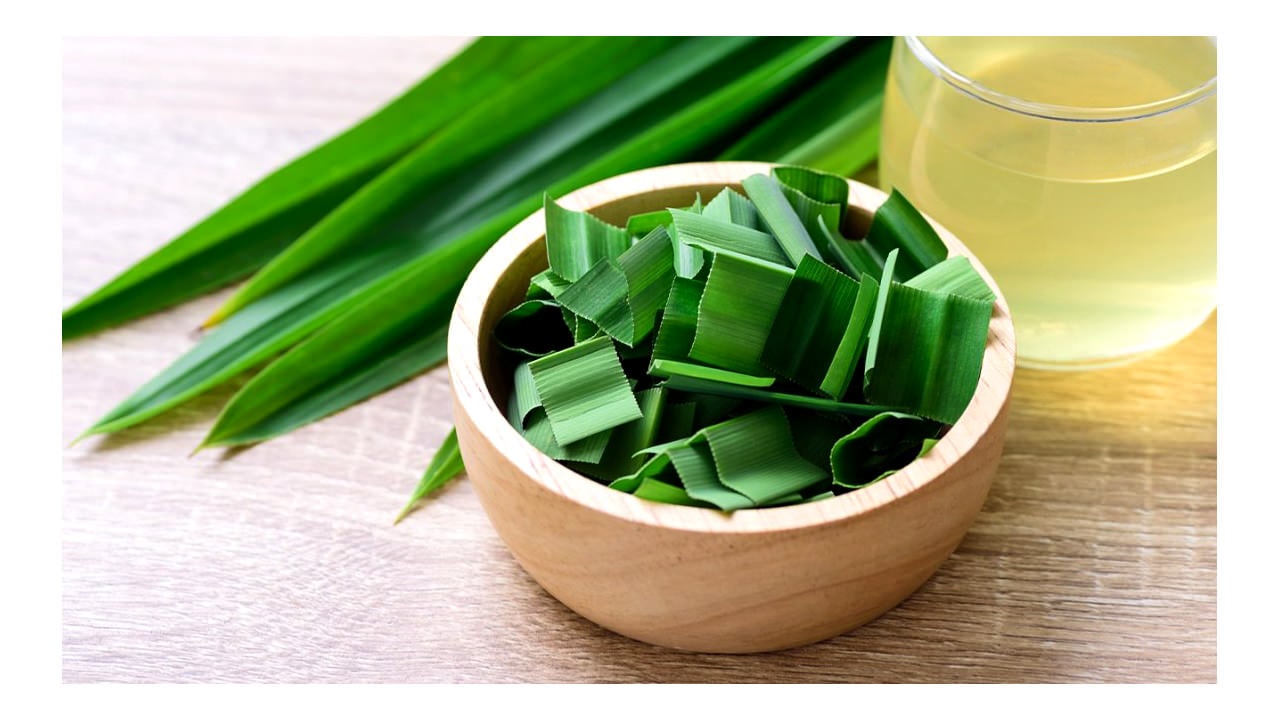
In Sri Lankan kitchens, a couple of rampe leaves are typically tied in a loose knot and dropped directly into a pot of rice, curry, or milk-based dessert while it cooks. The heat coaxes out the leaf's aromatic oils, infusing the dish with a gentle, nutty sweetness. The leaves themselves are usually discarded before serving; they are a flavouring agent, not a garnish.
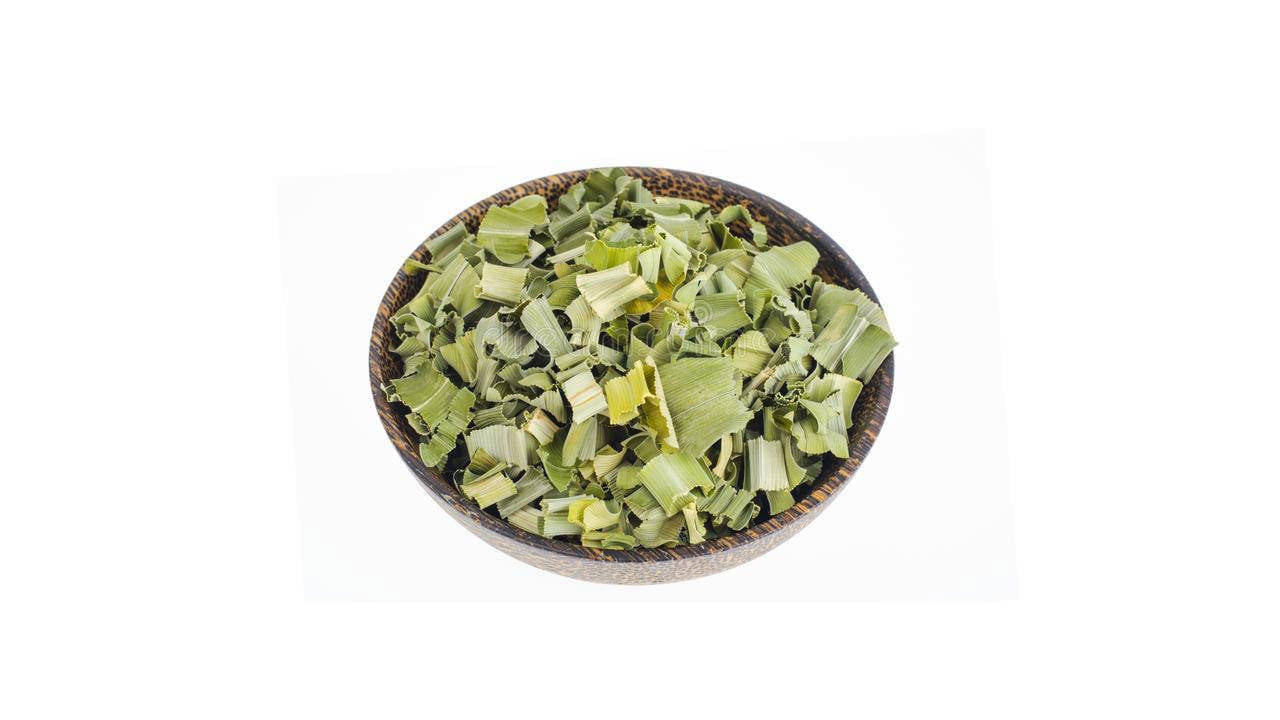
Rampe is used both fresh and dried. Fresh leaves deliver a more pronounced fragrance, while dried leaves — convenient for pantry storage — offer a milder but still effective flavour. The leaf pairs especially well with coconut milk, lemongrass, and Ceylon black pepper, making it a natural companion to the spice-forward dishes that define Sri Lankan cuisine.
For baked goods and sweets, cooks often grind fresh leaves with a small amount of water, then squeeze and strain the pulp to extract a concentrated green juice. This juice colours and flavours rice-flour-based confections such as kokis and other traditional treats without adding bulk to the batter.
What are the health benefits of rampe leaves?
Traditional medicine systems across South and Southeast Asia have attributed a number of therapeutic properties to pandan leaves, and some of these are now attracting attention from modern researchers. The following applications are documented in Ayurvedic and folk-medicine traditions:
- Oral health: Chewing a fresh rampe leaf is a traditional remedy for bad breath, gum soreness, and minor mouth pain, attributed to the leaf's natural antimicrobial compounds.
- Headache and joint relief: Topical applications of rampe leaf extract have traditionally been used to ease headaches and arthritic discomfort.
- Gout management: The leaf is regarded in folk medicine as a natural aid for gout, a form of arthritis caused by uric acid accumulation.
- Scalp and hair care: A wash made by blending fresh rampe leaves with water, then straining the juice, is applied to the scalp to reduce dandruff.
- Skin conditions: Extracts have traditionally been used to address various skin ailments, including wounds and inflammatory conditions.
- Digestive and metabolic support: Bitter preparations from the leaves have been used in traditional contexts to manage blood sugar and support digestive health, though clinical evidence remains limited.
- Pain relief: The juice extracted from rampe roots is used in traditional practice to ease chest pain, while the male flower is associated with relief from ear pain.
It is worth noting that while these traditional uses are well-documented, they should complement — not replace — professional medical advice. If you are seeking therapeutic benefits, speak with a qualified practitioner.
How do you make a traditional rampe-infused sweet at home?
One of the most satisfying ways to experience rampe as a flavouring is in a simple coconut-rolled rice ball — a confection found across Sri Lanka and Southeast Asia. The method below produces a soft, aromatic dough coloured naturally by rampe juice and filled with palm sugar.
- Grind two or three fresh rampe leaves with two tablespoons of water. Squeeze the pulp through a fine cloth or strainer to extract the fragrant green juice.
- Sift rice flour into a bowl. Gradually incorporate boiling water and the rampe juice, mixing until the dough comes together. Knead until smooth and firm.
- Divide the dough into small portions and roll each into a ball. Flatten slightly, place a small piece of palm sugar in the centre, then enclose it completely, sealing any cracks with a little water.
- Drop the balls into a pot of gently boiling water. They are cooked when they float to the surface — typically within a few minutes.
- Remove with a slotted spoon, shake dry, and roll immediately in freshly grated or desiccated coconut.
The result is a subtly sweet, fragrant confection that showcases what rampe does best: it lifts simple ingredients without overpowering them.
Fresh, dried, or powdered — which form of rampe should you use?
The right form depends on how you intend to use it. Fresh leaves give the strongest aroma and the deepest green colour when juiced. They are the default choice for savoury cooking and for extracting juice for sweets.
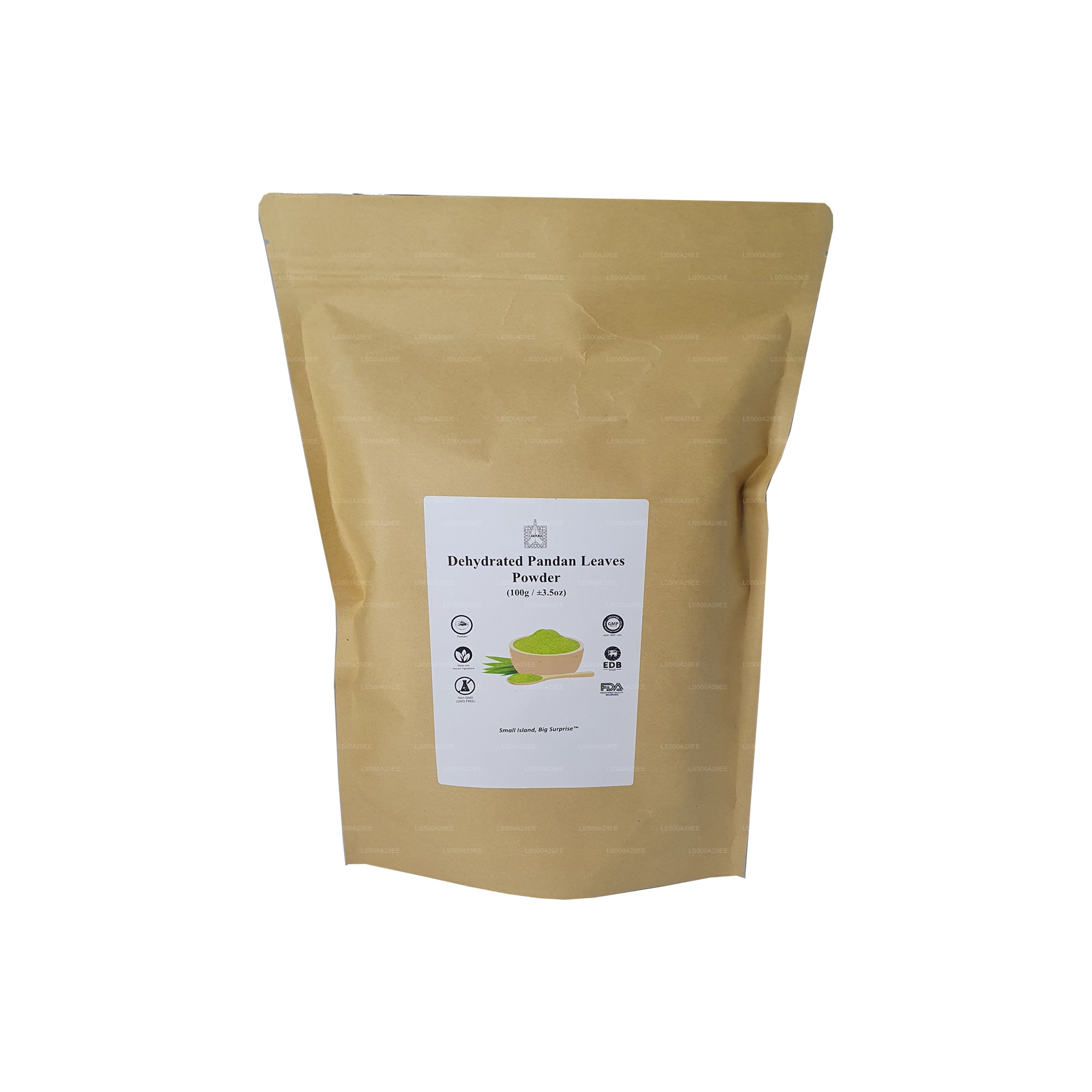
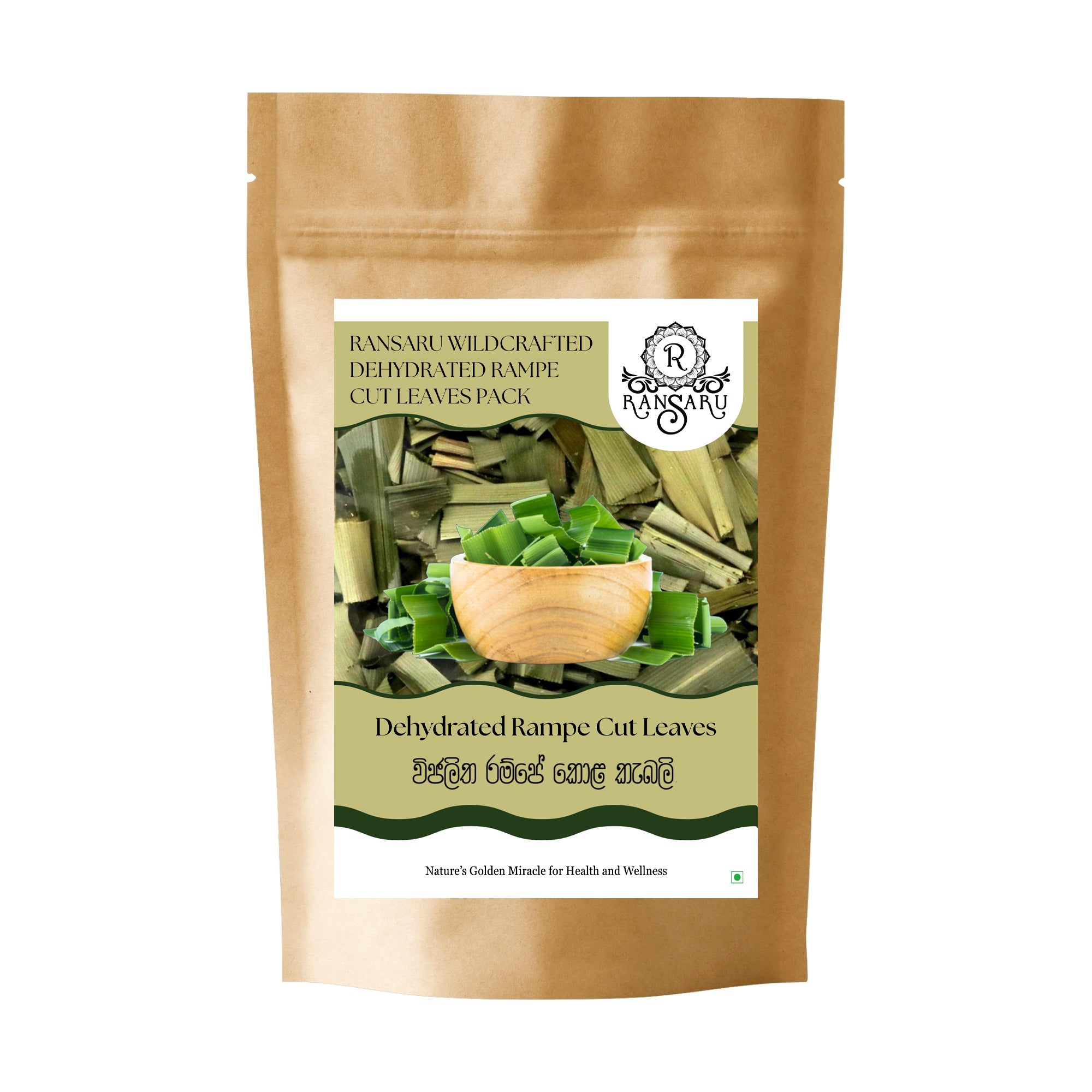
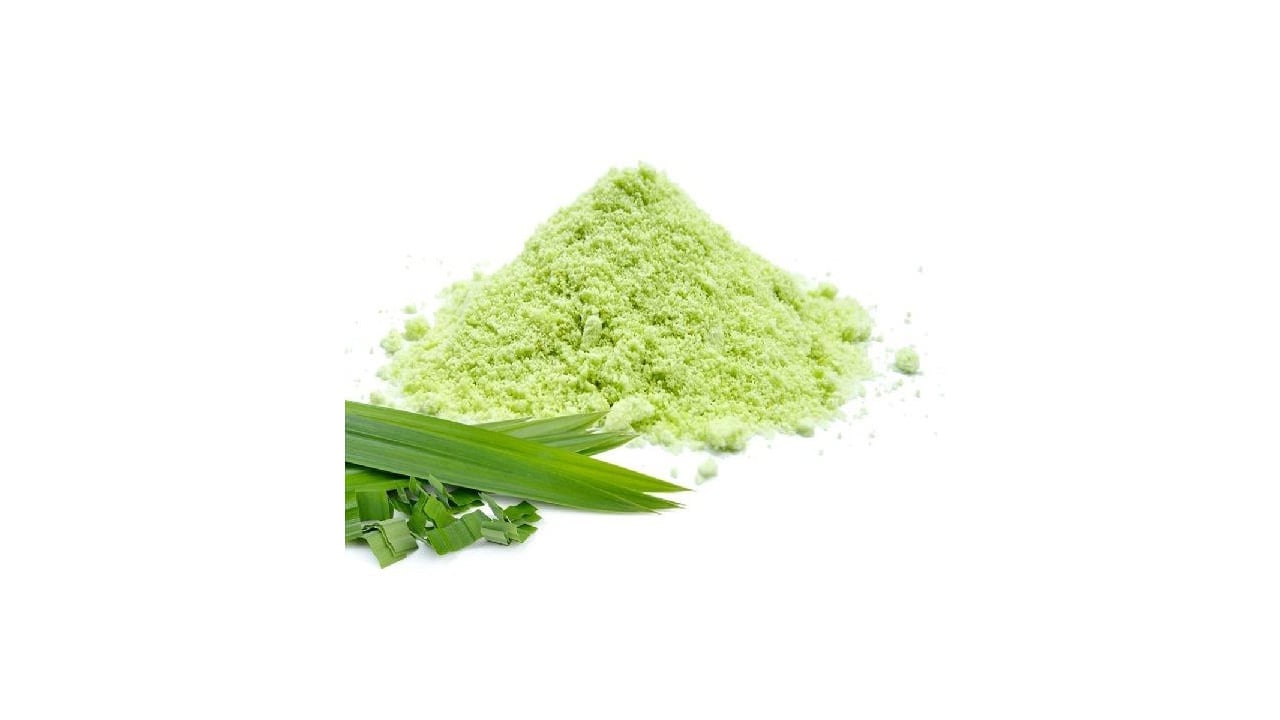
Dehydrated rampe leaves are a practical alternative when fresh leaves are unavailable — common outside Sri Lanka and South Asia. They retain much of the flavour and can be rehydrated briefly in warm water before use in curries or rice. Dehydrated leaf powder dissolves easily into batters, marinades, and drinks, making it particularly useful for baking or for adding a measured dose of rampe flavour to smoothies and herbal teas.
Where does rampe fit in Sri Lankan culture and agriculture?
Rampe grows wild along riverbanks and in home gardens across Sri Lanka. Unlike plantation crops such as Ceylon tea, it requires minimal cultivation — most families simply keep a clump growing in a corner of the garden and harvest leaves as needed. This accessibility has made it a near-universal presence in Sri Lankan cooking for centuries.
The plant also carries cultural resonance. It is associated with auspicious occasions and is sometimes woven into floral arrangements for ceremonies. Its vivid green colour and distinctive scent make it a sensory anchor for many Sri Lankans' memories of home cooking.