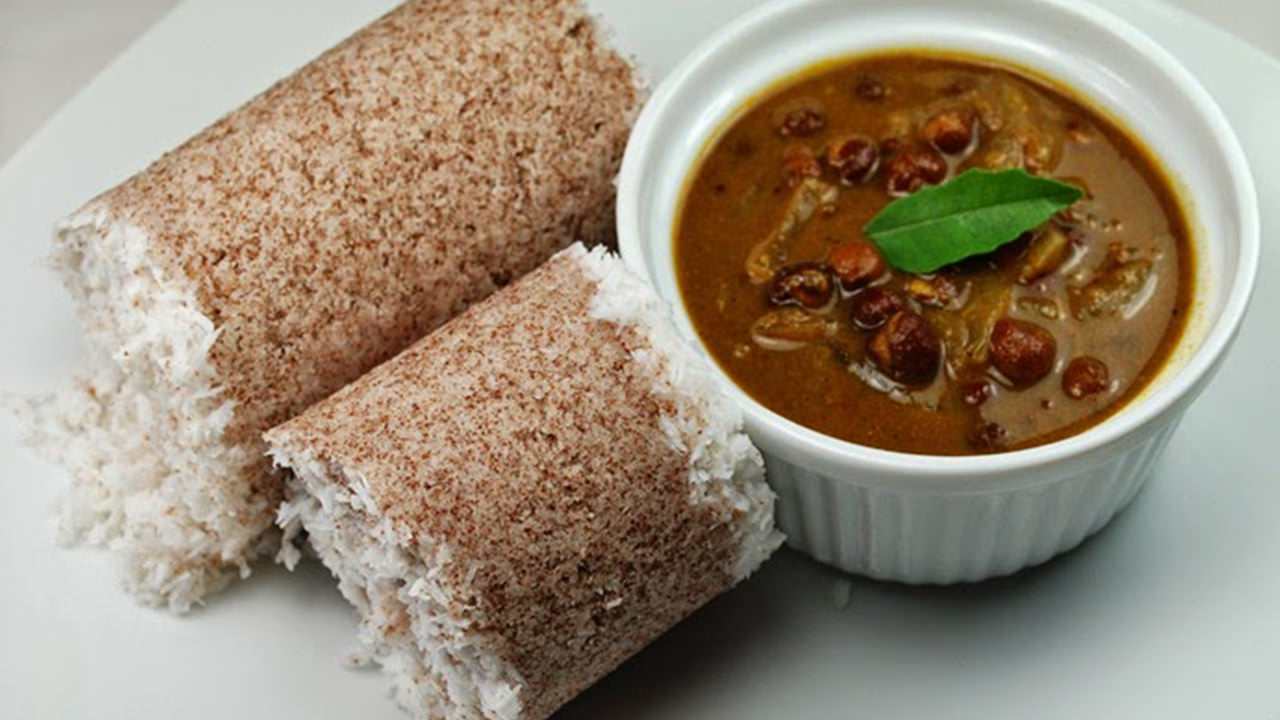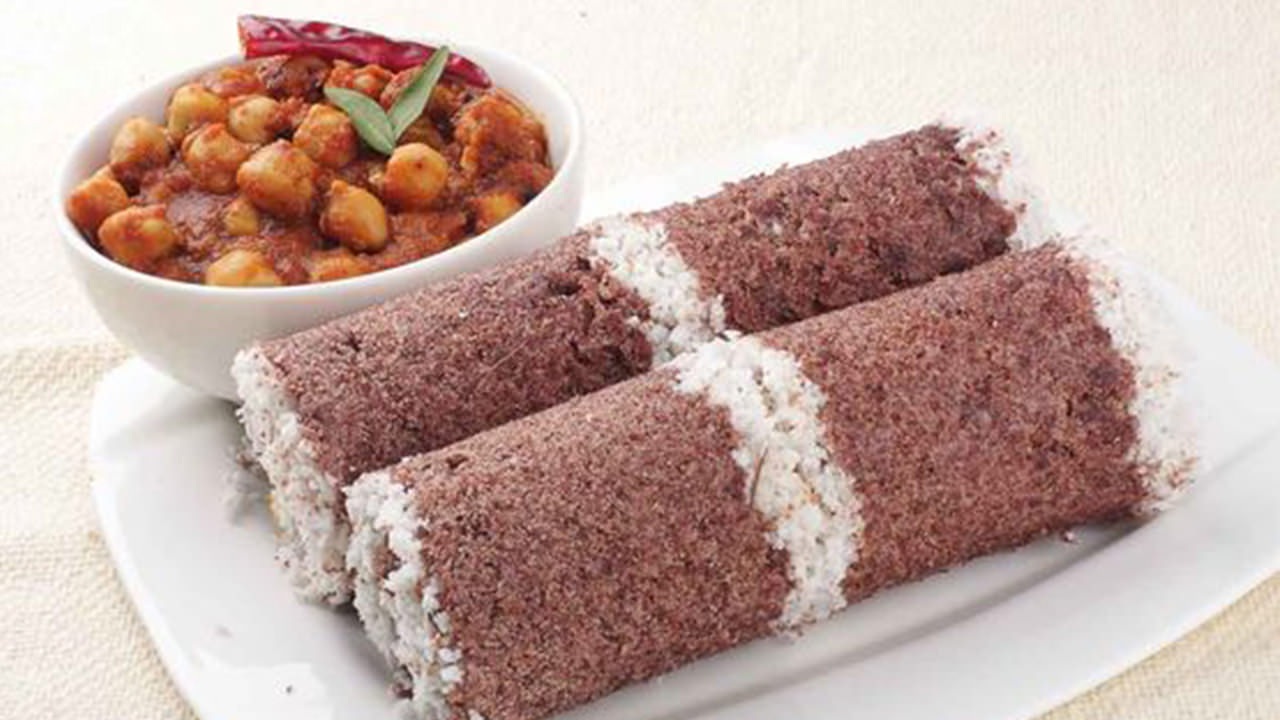
Pittu (පිට්ටු) is one of Sri Lanka's most enduring everyday dishes — a cylindrical steamed cake of layered rice flour and freshly grated coconut that appears on breakfast and dinner tables in both Sinhalese and Tamil households. Simple in its ingredients, satisfying in its texture, and endlessly versatile in the accompaniments it welcomes, pittu has remained a staple long before it ever became fashionable to call things "heritage food."
What is Pittu and where does it come from?
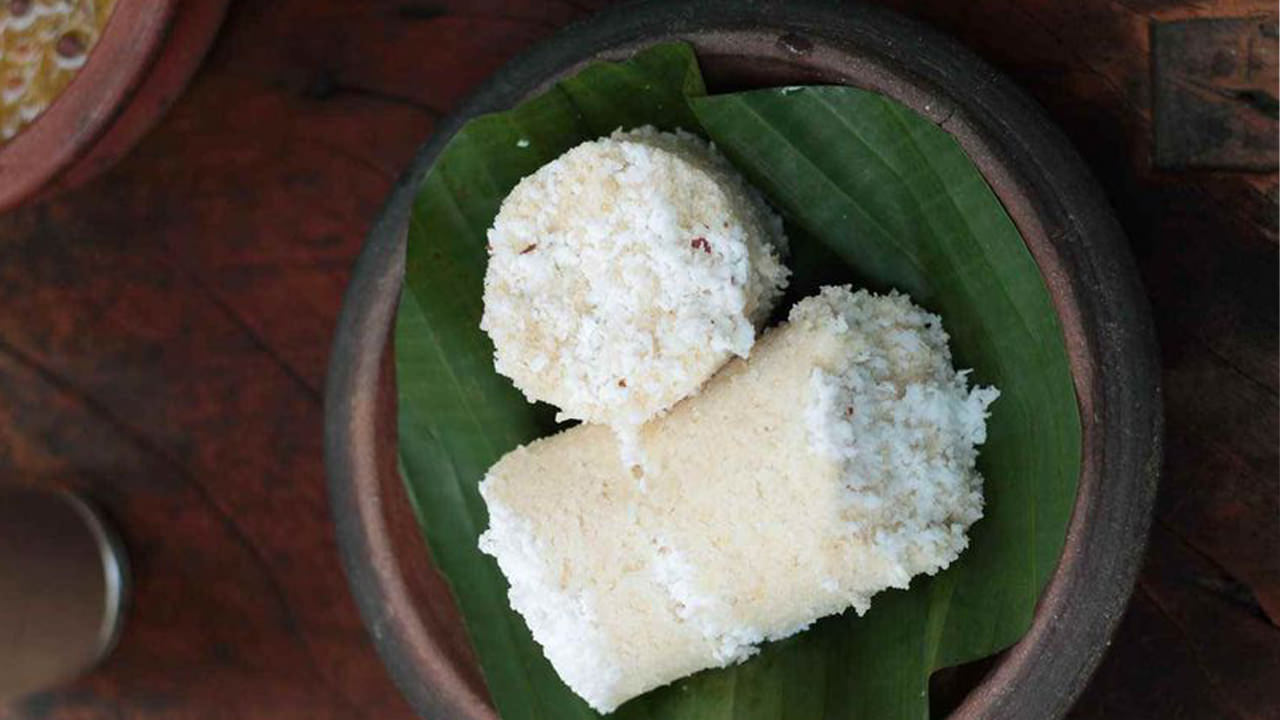
The word pittu describes both the dish and the method: raw rice flour (or finger-millet flour, known as kurakkan) is lightly moistened, layered with grated coconut inside a cylindrical mould, and steamed until it sets into firm, crumbly rounds. The dish is shared across South Asia — a version called puttu is equally popular in the Kerala and Tamil Nadu regions of southern India — which reflects the deep cultural ties between Sri Lanka's coastal communities and the Indian subcontinent.
In Sri Lanka, pittu is prepared in the north and south, the hill country and the coast. Regional identity comes not from the pittu itself but from what is served alongside it. In Tamil households in the north, coconut milk and a spiced lentil curry are common partners. In Sinhalese homes further south, pittu might arrive with lunu dehi (salted lime pickle), pol sambol (fresh coconut relish), or a robust fish curry.
What types of pittu are made in Sri Lanka?
The most common version uses white raw rice flour, but a handful of widely eaten variations are worth knowing:
- White rice pittu — the everyday standard, made with finely ground raw white rice or store-bought rice flour.
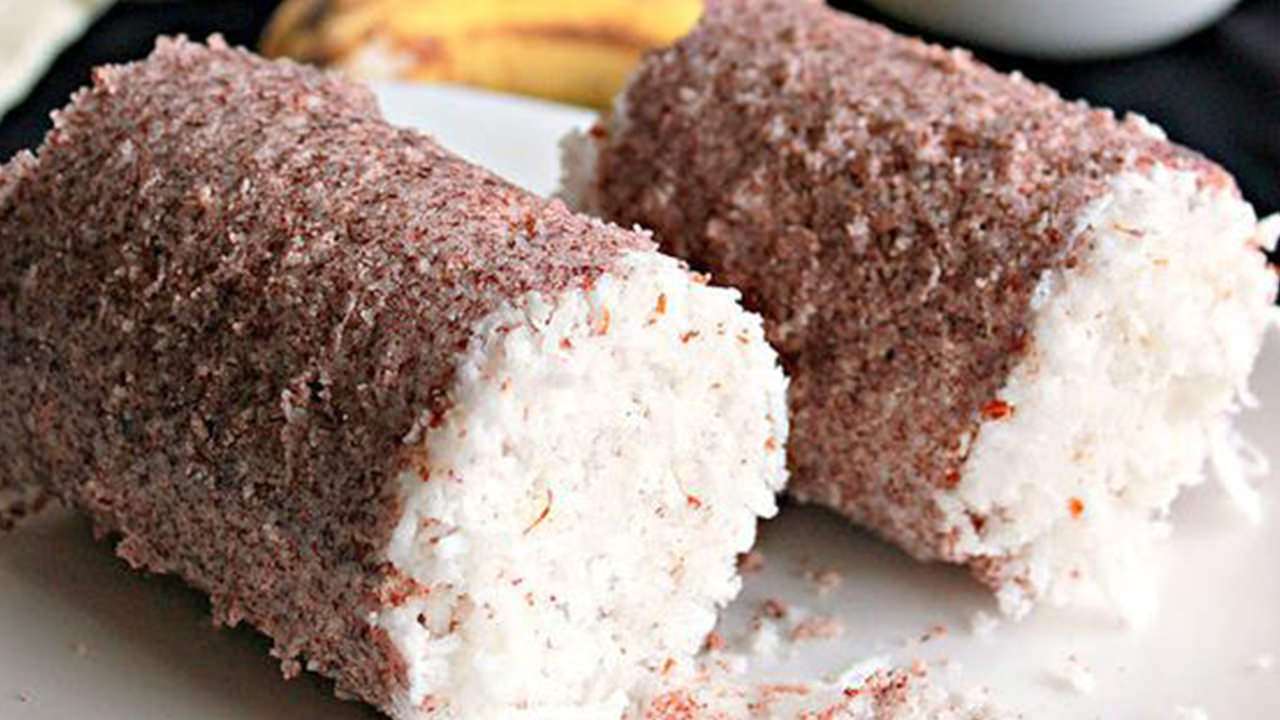
- Kurakkan pittu — made with finger-millet flour, which gives a darker colour, a slightly earthy flavour, and a nutritional profile higher in fibre and minerals. It is especially popular in rural and hill-country communities.
- Suwandel rice pittu — an artisanal variety using suwandel, a traditional Sri Lankan heirloom rice variety valued for its fragrance and softer texture.
- Kompittu — a denser, pressed variant of pittu shaped by hand rather than a mould, often eaten as a snack rather than a main meal.
Each type can be made with white or red raw rice, and the ratio of coconut to flour is a matter of household preference — more coconut produces a richer, moister result.
What equipment do you need to make pittu?
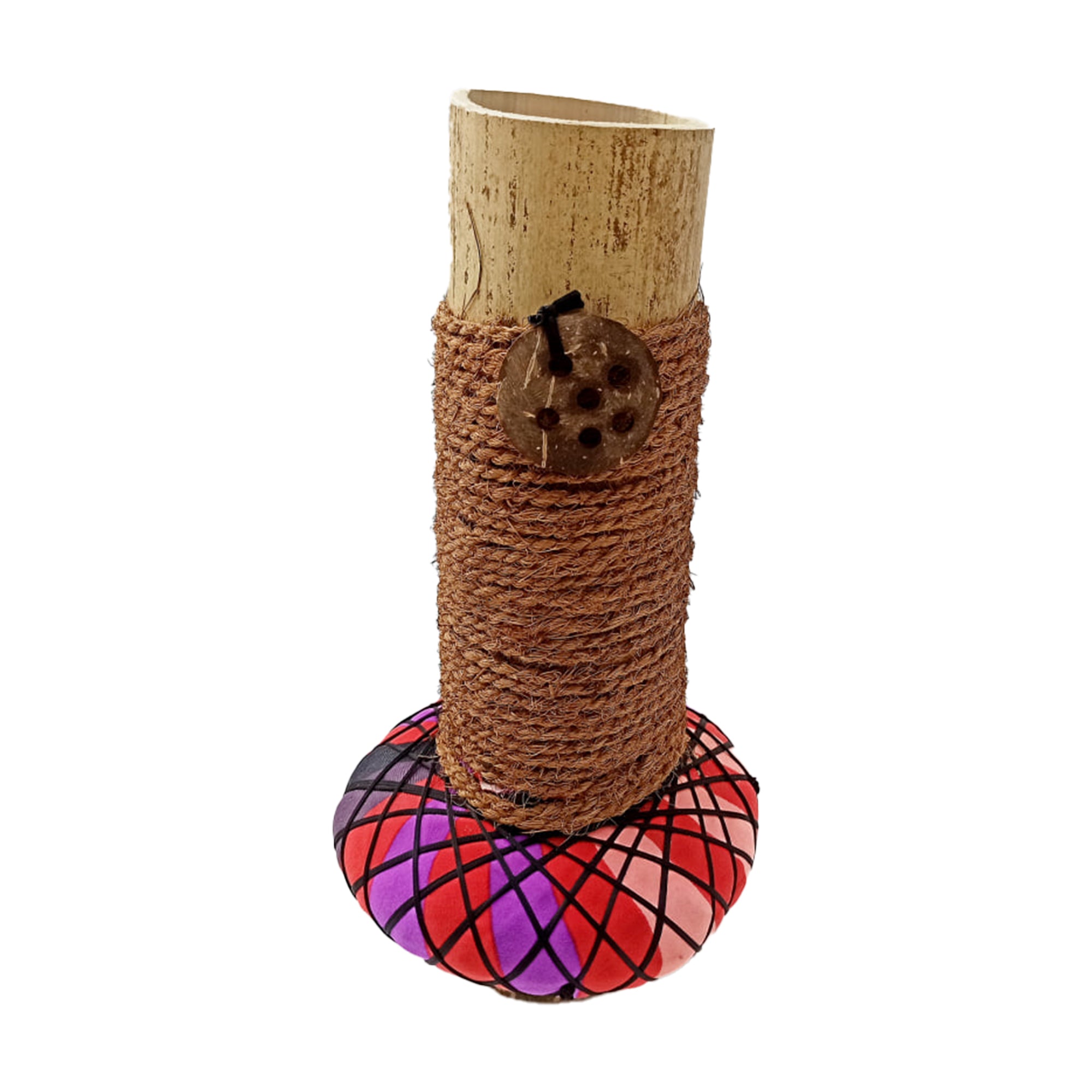
Pittu requires a dedicated mould, called a pittu bambu (literally "pittu bamboo"), because the dish was originally steamed inside sections of bamboo. Today, moulds are made from aluminium or wood and consist of a perforated cylinder that sits over a pot or pressure cooker. Steam rises through the base, cooks the layers from below, and escapes through the sides and top — which is the visual cue that pittu is ready. The whole cooking time once the mould is filled is typically two to three minutes.
How do you make traditional Pittu at home?
The recipe below is a traditional home method using whole raw rice. If you are using ready-made pittu flour, skip straight to the moistening step.
- Soak 500 g of raw rice in water for four hours, then drain thoroughly.
- Grind the soaked rice to a fine powder using a wet grinder or blender, then spread it out and roast in a dry pan over low heat for around five minutes, stirring continuously. Allow it to cool completely.
- Dissolve a pinch of salt in a small amount of water. Sprinkle this over the cooled flour a little at a time, rubbing it in with your fingertips. The goal is a damp, crumbly texture — not a dough. The flour should just hold its shape when pressed but crumble apart easily.
- Place a generous handful of freshly grated coconut into the pittu mould as the base layer, followed by a layer of the moistened flour. Repeat the layering — coconut, then flour — until the mould is full, finishing with a coconut layer at the top.
- Close the lid and position the mould over a pot of boiling water or a pressure cooker without its weight. Steam for two to three minutes, or until steam is visible escaping from the top of the cylinder.
- Push the pittu out of the mould onto a plate. Serve immediately — pittu firms up as it cools.
What do you eat with Pittu?
Pittu is mild and slightly starchy by design; its role is to absorb and balance the dishes around it. Common accompaniments include:
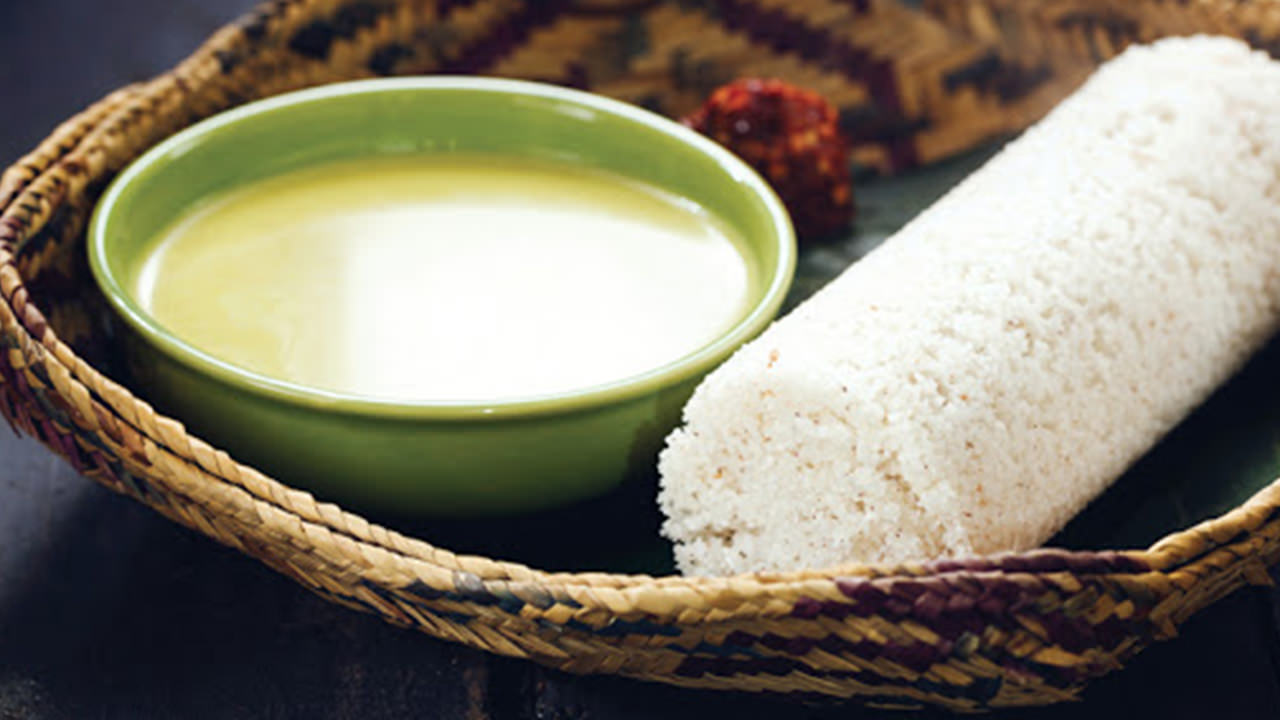
- Warm coconut milk with sugar — the simplest and most comforting pairing, especially at breakfast.
- Pol sambol — a fresh relish of grated coconut, dried chilli, onion, and lime.
- Lunumiris — a sharp sambal of red onion, dried chilli, and Maldive fish (dried tuna), which cuts through the richness of the coconut.
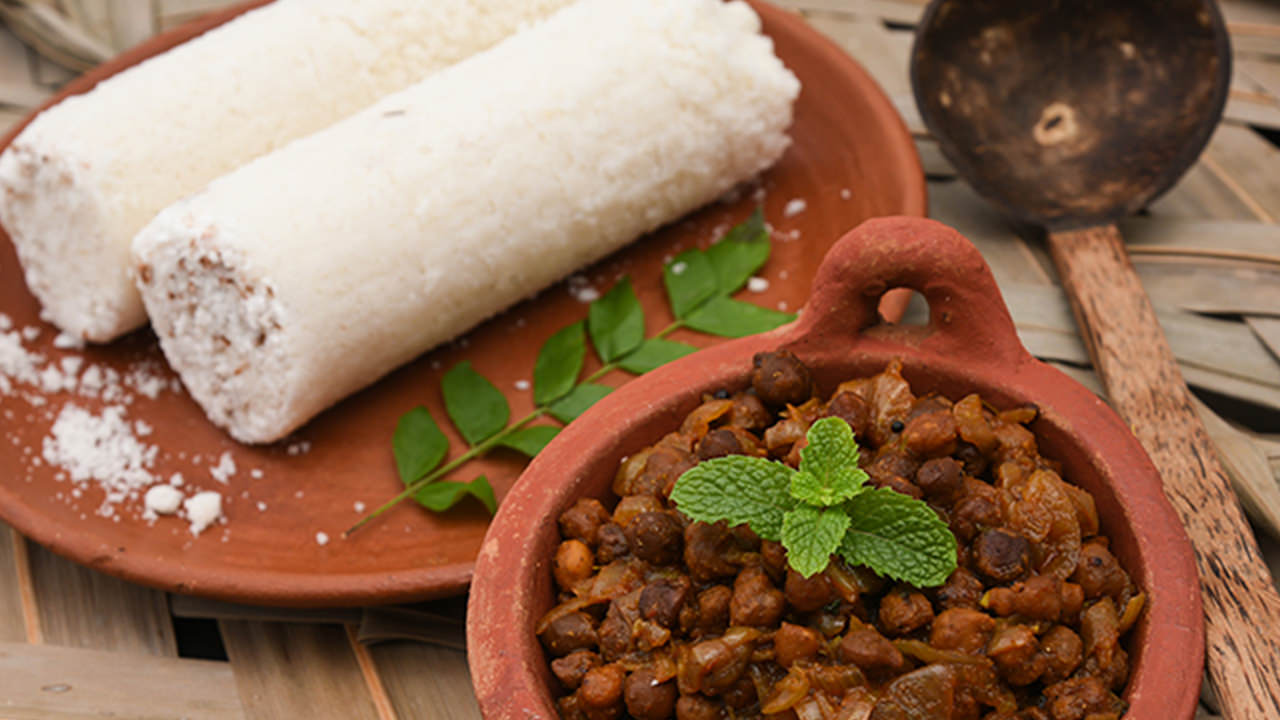
- Fish or meat curry — the thick gravy of a slow-cooked curry is the classic partner for a main meal, providing moisture and spice that the pittu soaks up readily.
- Dhal curry — a red lentil curry cooked with coconut milk and tempered with mustard seeds and curry leaves is especially common in Tamil households.
Is Pittu a healthy dish?
By the standards of most cuisines, pittu is a relatively wholesome staple. It is steamed rather than fried, contains no added fat in the flour itself, and derives most of its calories from complex carbohydrates and the natural fat in fresh coconut. Kurakkan pittu carries additional benefits: finger millet is high in calcium and dietary fibre compared with white rice, and carries a lower glycaemic response. Suwandel rice varieties, similarly, are associated with a gentler glycaemic profile than modern high-yield white rice.
The caloric density of a meal depends largely on the accompanying curry or sambol — a simple coconut-milk pittu breakfast is light, while pittu served with a rich meat curry and pol sambol is a filling and substantial meal.
Where can you eat Pittu in Sri Lanka?
Pittu is rarely found in hotel buffets or tourist restaurants, which tend to favour rice-and-curry spreads. To eat pittu as Sri Lankans eat it, look for small local restaurants called "hotels" (a common Sri Lankan usage for any small eatery), roadside kades, or family guesthouses — particularly at breakfast or dinner time. Towns throughout the hill country, such as Ella, and rural areas across the island are reliable places to find freshly made pittu served with coconut milk or curry.
Visitors who want to learn to make pittu themselves will occasionally find it included in cooking demonstrations at village tourism experiences and cultural programmes around the island.
Can you buy ready-made Pittu mix?
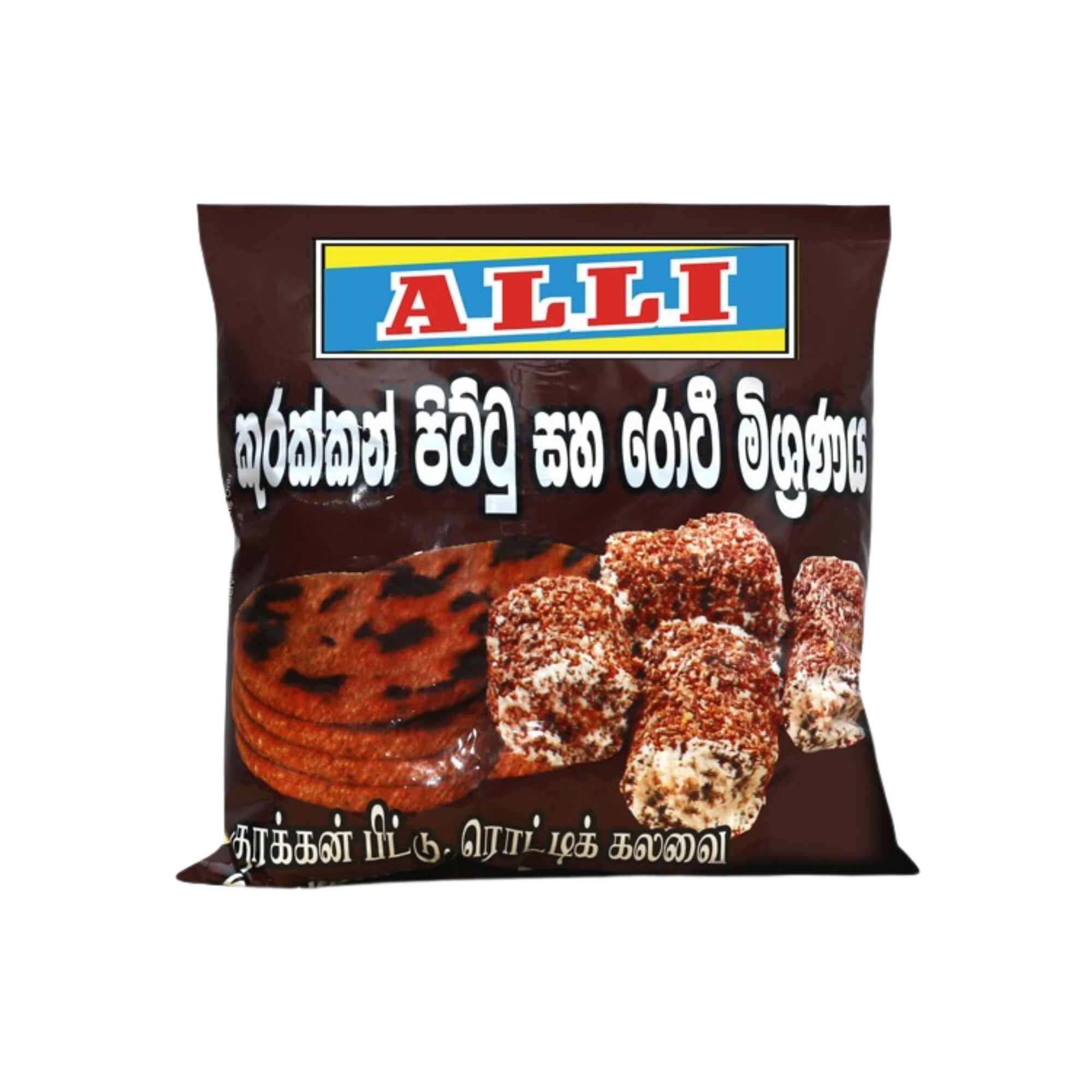
Pre-ground, pre-roasted pittu flour mixes are widely available in Sri Lankan supermarkets and online, and they deliver consistent results without the time investment of soaking and grinding raw rice. Both white and red rice varieties are sold, as well as kurakkan blends. These mixes are particularly useful for anyone wanting to make pittu outside Sri Lanka, where sourcing the right grade of raw rice flour can be difficult.