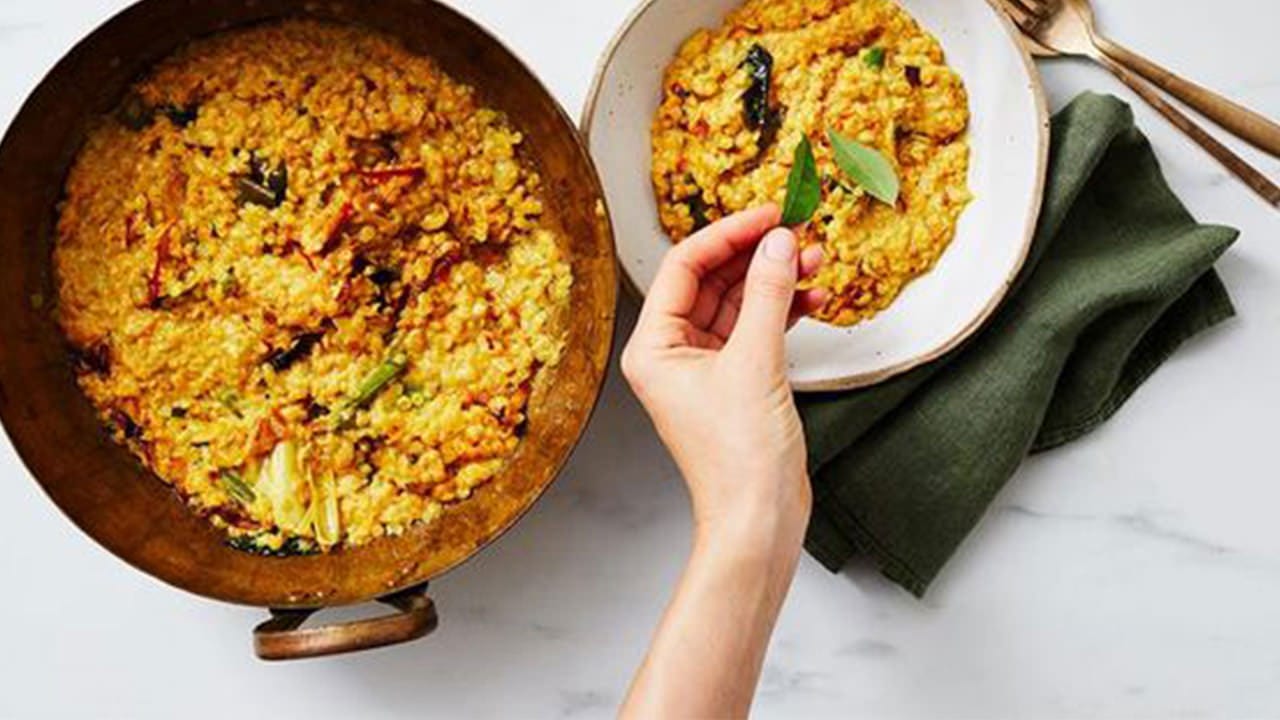


Dhal curry, called parippu (පරිප්පු) in Sinhala and paruppu in Tamil, is the lentil curry that turns up at almost every Sri Lankan meal. Red lentils are simmered with onion, green chilli, turmeric and a few aromatics until soft, then finished with coconut milk and a sizzling tempering of mustard seeds, dried chilli and curry leaves. It is mild, creamy and quick, which is why it is cooked for breakfast with bread or roti, for lunch as part of rice and curry, and for dinner with string hoppers.
Compared with most Indian dals, the Sri Lankan version is richer and gentler: coconut milk replaces ghee, and a small piece of pandan leaf and a pinch of fenugreek give it a fragrance that is recognisably from the island.
How to make Sri Lankan dhal curry
- Serves 4
- Prep: 10 minutes
- Cook: 30 minutes
- Difficulty: Easy
For the dhal
- 200 g (1 cup) red lentils (masoor dhal)
- 500 ml water
- 1 small red onion or 4 shallots, finely sliced
- 2 garlic cloves, finely chopped
- 2 green chillies, slit lengthways
- 1 sprig curry leaves
- 5 cm piece pandan (rampe) leaf
- 1/4 tsp fenugreek seeds
- 1/2 tsp ground turmeric
- 1/2 tsp unroasted Sri Lankan curry powder
- 1/2 tsp chilli powder (optional)
- 1 tsp salt, or to taste
- 250 ml coconut milk
For the tempering
- 2 tbsp coconut oil
- 1 tsp black mustard seeds
- 1/2 tsp cumin seeds
- 2 dried red chillies, broken into pieces
- 1 small red onion, thinly sliced
- 1 sprig curry leaves
Method
- Rinse the lentils. Wash the lentils in a sieve under cold water, rubbing them with your fingers, until the water runs almost clear. Drain well.
- Start the pot. Put the lentils in a saucepan with the water, onion, garlic, green chillies, curry leaves, pandan, fenugreek, turmeric, curry powder and chilli powder, if using. Bring to the boil over a medium-high heat.
- Simmer. Lower the heat, half-cover and simmer for 15 to 18 minutes, stirring now and then, until the lentils are soft and starting to break down. Add a splash of hot water if the pot looks dry before they are tender.
- Add the coconut milk. Stir in the salt and the coconut milk and simmer gently on a low heat for 3 to 5 minutes, without letting it boil hard, until creamy. Loosen with a little water if you like it thinner, then take off the heat.
- Make the tempering. Heat the oil in a small frying pan over a medium heat. Fry the sliced onion for 3 to 4 minutes until light golden, then add the mustard seeds and cumin seeds and wait until the mustard seeds pop.
- Finish the tempering. Add the dried chillies and curry leaves and fry for about 30 seconds, until the leaves crackle. Do not let the seeds burn.
- Combine. Pour the hot tempering over the dhal, cover the pot for 1 to 2 minutes to hold in the aroma, then stir, check the salt and serve.
Which lentils should you use?
Sri Lankan homes use split red lentils, sold as masoor dhal or simply parippu. They need no soaking, cook in under 20 minutes and collapse into a thick, spoonable curry. Some cooks soak them for 20 to 30 minutes first, which shortens the cooking a little and gives a softer texture. Yellow split peas or toor dhal can be used, but they take much longer to cook and keep more of their shape.
Why is the tempering added at the end?
The tempering is what gives parippu its lift. Frying mustard seeds, cumin, dried chilli and curry leaves in hot oil and pouring them over the finished lentils adds a toasty, nutty layer that would be lost if everything simply boiled together. The oil must be properly hot so the mustard seeds pop; if they stay silent, the tempering tastes raw. Some cooks fry the tempering first and then cook the lentils in the same pan, which works just as well.
What gives it the Sri Lankan flavour?
- Coconut milk. Added once the lentils are soft and kept below a hard boil so that it stays smooth.
- Pandan and fenugreek. A short piece of rampe leaf and a pinch of fenugreek seeds cooked with the lentils give a sweet, grassy fragrance.
- Unroasted curry powder. Vegetable and lentil curries usually take the lighter, unroasted curry powder; the dark roasted blend is kept mainly for meat and fish.
- Pepper. A pinch of Ceylon black pepper is a common addition for a gentle heat without extra chilli.
What do you serve it with?
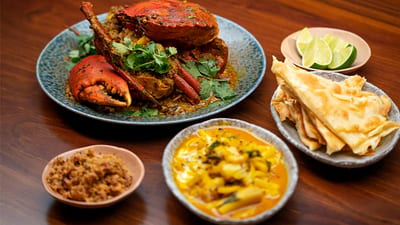
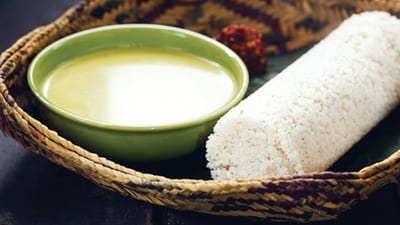
At lunch, parippu sits beside rice with a meat or fish curry such as chicken curry, a vegetable curry and a sambol such as pol sambol or lunu dehi. For breakfast or dinner it goes with coconut roti, string hoppers, hoppers, pittu or plain bread. It is served in homes, small roadside eateries and hotels alike, from Colombo to hill-country towns such as Ella.
How do you store and reheat it?
Cool the dhal, cover and refrigerate for up to 2 days. It thickens a lot as it stands, so reheat it gently with a splash of water, stirring, until piping hot. Because coconut milk can separate after freezing, many cooks freeze the lentils before the coconut milk goes in, then add it fresh when reheating.
Related reading
2 pages on closely related subjects.