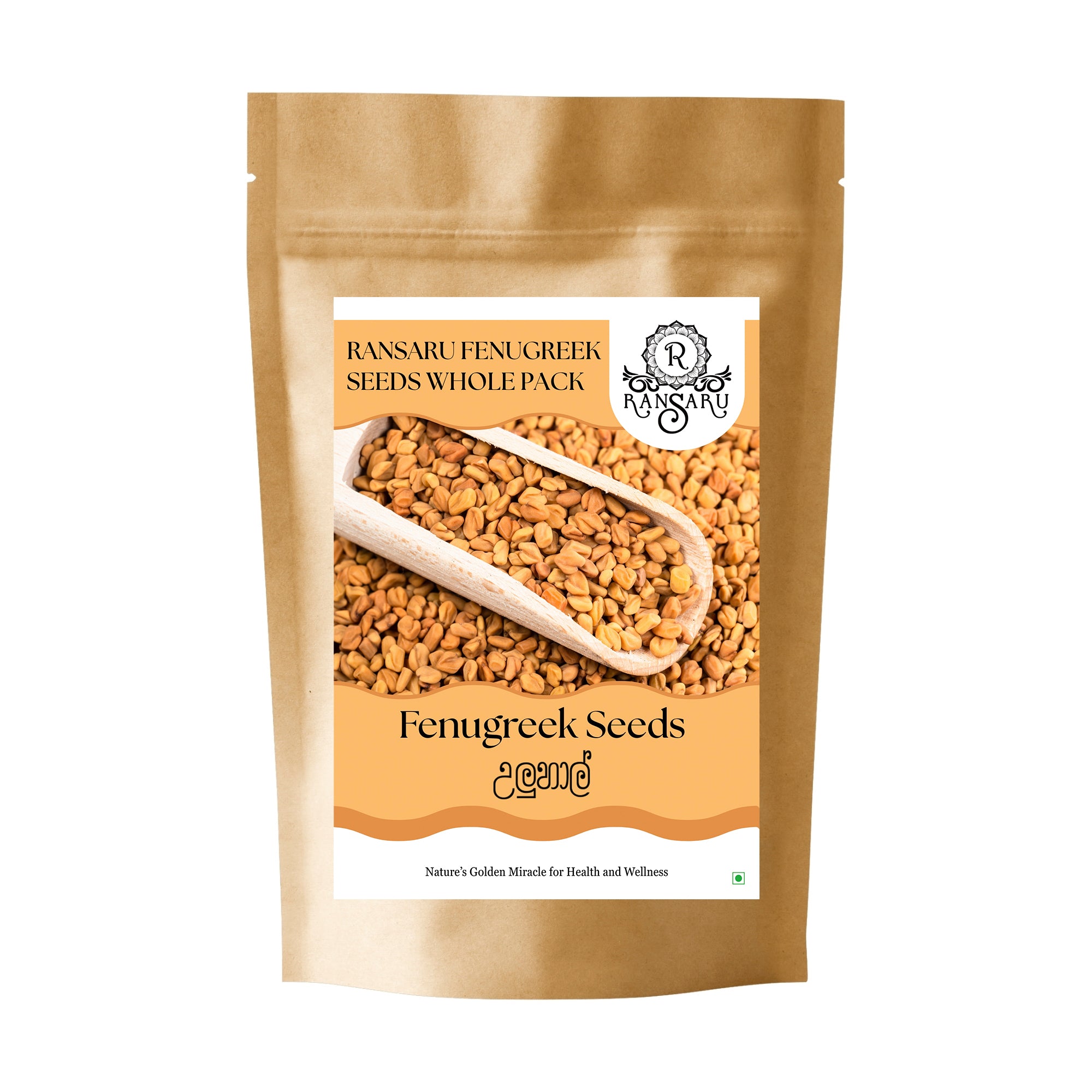
Fenugreek seeds — called methi in Hindi and uluhal (උළුහාල්) in Sinhala — are small, hard, golden-brown seeds with a mildly bitter taste and a distinctive, slightly maple-like aroma when toasted. They have been used in South Asian kitchens and healing traditions for centuries, and in Sri Lanka they occupy a quiet but essential place in both daily cooking and Ayurvedic practice.
What do fenugreek seeds taste like, and why are they used in small quantities?
Raw fenugreek seeds are intensely bitter. Heat transforms them: a brief dry-roast or a few seconds in hot oil mellows the bitterness and releases a warm, nutty depth that anchors many curry powders and spice blends. Because the bitterness can overwhelm a dish, most Sri Lankan recipes call for only a small pinch — typically half a teaspoon or less per pot. Grinding the seeds into a fine powder distributes flavor more evenly and is the method preferred in commercial spice mixes.
Whole seeds are often included alongside Ceylon black pepper, coriander, and cumin as part of roasted curry powder blends. The interplay between these spices is central to the layered heat profile that defines Sri Lankan curry cooking.
How are fenugreek seeds used in Sri Lankan cooking?
Sri Lankan cooks reach for fenugreek seeds in several ways:
- Tempering (thadaka): A pinch of whole seeds is dropped into hot coconut oil at the start of a curry, where they sizzle briefly before onions, garlic, and aromatics are added. This is the most common technique for dhal, fish curries, and vegetable dishes.
- Curry powder blends: Roasted and ground fenugreek is a component of both "raw" (unroasted) and "roasted" curry powder varieties widely sold in Sri Lanka.
- Pickles and condiments: The preservative qualities of fenugreek make it a traditional addition to pol sambol variations and slow-fermented vegetable pickles.
- Sprouted seeds: Soaked overnight and allowed to sprout for one to two days, fenugreek seeds develop a milder flavor and are eaten as a nutritious addition to salads or light stir-fries.
- Herbal teas and gruel: Ground or whole seeds are simmered in water to make a traditional herbal drink, sometimes sweetened with kithul treacle or honey.
What nutrients do fenugreek seeds contain?
Fenugreek seeds are nutritionally dense relative to the small quantities typically consumed. They are a source of dietary fiber, plant protein, iron, magnesium, and B vitamins. They also contain galactomannan, a soluble fiber linked to slower glucose absorption, and saponins, compounds studied for their role in cholesterol metabolism. Diosgenin, a steroidal compound found in the seeds, has attracted attention in pharmacological research for its potential hormonal-modulating effects.
It is worth noting that most clinical research uses concentrated extracts or doses well above culinary quantities. The seeds are a food ingredient first; therapeutic claims should be discussed with a qualified practitioner.
What are the traditional health uses of fenugreek in Ayurveda and Sri Lankan folk medicine?
Within Sri Lanka's Ayurvedic tradition, fenugreek (Sanskrit: methika) is classified as a warming herb with digestive, carminative, and emmenagogue properties. Practitioners have historically recommended it to support digestion, ease flatulence, and assist lactation in new mothers. It is a constituent of several classical Ayurvedic formulations and continues to appear in modern herbal supplements produced in Sri Lanka.
Folk remedies commonly involve soaking a teaspoon of seeds overnight in a glass of water and drinking the water on an empty stomach — a practice believed to support blood sugar regulation and digestion. Scientific studies have produced promising results in this area, though evidence quality varies and fenugreek should not be used as a substitute for medical treatment of diabetes or other conditions.
How should fenugreek seeds be stored to keep them fresh?
Whole seeds stay fresh for up to a year when kept in an airtight container away from heat, light, and moisture. Ground fenugreek loses its aromatic oils within a few months, so it is better to buy whole seeds and grind small batches as needed. Storing alongside other whole spices in a cool pantry — rather than above a hot stove — preserves potency significantly longer.
Are there any precautions to know before using fenugreek seeds?
Fenugreek is considered safe in culinary amounts for most people. In larger medicinal doses, it may cause gastrointestinal discomfort, and the seeds have a strong odor that can be secreted through sweat and urine. Individuals with peanut or chickpea allergies may have cross-reactive sensitivity. People taking blood-thinning medications or diabetes medication should consult a doctor before using fenugreek as a supplement, as it may have additive effects. Pregnant women should avoid medicinal doses, though normal food use is generally considered safe.
Where can you buy fenugreek seeds in Sri Lanka?
Whole fenugreek seeds are available year-round in spice shops, supermarkets, and Ayurvedic pharmacies across Sri Lanka. Organic and certified varieties are increasingly available through specialty retailers and online. Quality varies: seeds from reputable spice producers tend to have a more consistent aroma and lower moisture content than loosely packed market seeds. When buying in bulk, look for seeds that are uniformly golden-brown, hard, and free from dust or off-odors.