Cashew Curry, known in Sinhala as Kadju Maluwa, is one of Sri Lanka's most quietly beloved vegetarian dishes. Unlike the fiercer curries that dominate the island's table, this is a mild, deeply creamy preparation where raw cashew nuts are slow-cooked in coconut milk until they turn silky and tender. It has been passed down through generations, served at weddings, festive meals, and everyday family lunches alike — proof that simplicity, done well, endures.
The dish is naturally gluten-free, which adds to its appeal among modern cooks and travellers with dietary restrictions. Two versions exist in most Sri Lankan kitchens: the classic creamy style made with raw cashews, and a crunchier variant that uses lightly roasted nuts for more texture. Both are equally authentic; the choice comes down to personal preference.
What makes Kadju Maluwa different from other Sri Lankan curries?
Most Sri Lankan curries lean on heat — dried chillies, roasted curry powders, and robust spice blends. Kadju Maluwa takes a gentler path. Turmeric provides its warm golden colour, a single fresh chilli adds a background note of warmth, and mustard seeds contribute a faint nuttiness when they bloom in hot oil. The real balancing act is the coconut milk, which is added in stages throughout cooking rather than all at once, allowing the cashews to absorb it gradually and develop a rich, almost buttery consistency.
The result is a curry that is substantial enough to anchor a rice-and-curry spread, yet mild enough to appeal to diners who find traditional Sri Lankan heat challenging. Served alongside lunu dehi (a tangy lime pickle), it gains a sharp contrast that lifts the whole plate.
Ingredients for Sri Lankan Cashew Curry (serves 3–4)
- 350 g raw cashew nuts (use lightly roasted if you prefer a crunchier texture)
- 500 ml thick coconut milk, plus extra as needed
- ½ large onion, finely chopped
- 2 cloves garlic, finely chopped
- 1 fresh green chilli, chopped (optional)
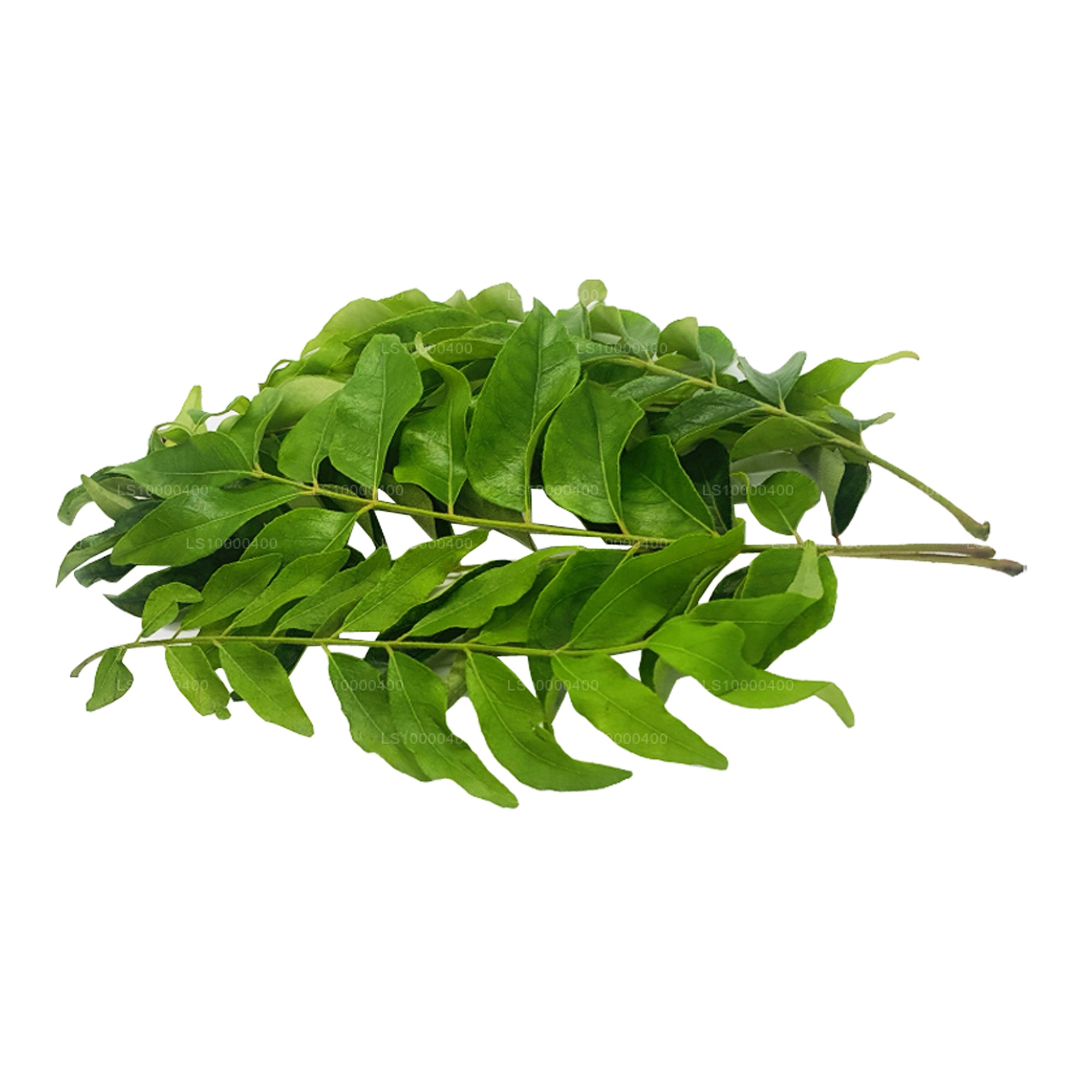
- 5 fresh curry leaves
- 2 tbsp neutral oil (coconut oil is traditional; canola or vegetable oil also works)
- 1 tsp mustard seeds
- ¼ tsp turmeric powder
- Salt to taste
How do you cook Sri Lankan Cashew Curry step by step?
- Soak the cashews overnight. Place the raw cashews in a bowl, cover generously with water, add 1 tsp salt, and leave to soak overnight. This softens the nuts and reduces cooking time considerably.
- Build the aromatic base. Heat oil in a medium saucepan over medium heat. Add the onion, garlic, chilli, and curry leaves. Cook, stirring occasionally, until the onion is soft and translucent — around 5 to 7 minutes.
- Bloom the mustard seeds. Add the mustard seeds to the softened onion mixture and cook for about 30 seconds until they begin to pop. Stir in the turmeric and a pinch of salt.
- Add the cashews. Drain the soaked cashews and add them to the pan, stirring to coat evenly with the spiced base.
- First addition of coconut milk. Pour in enough coconut milk to just cover the cashews. Place a lid on the pan and cook on a gentle simmer for 20 minutes.
- Continue cooking uncovered. After 20 minutes, add another ladle of coconut milk and remove the lid. Cook for a further 30 minutes, adding more coconut milk in small amounts whenever the liquid reduces — typically two or three additions in total. The key is patience: small, frequent additions encourage the cashews to absorb the milk rather than simply boil in it.
- Finish and season. After around 50 minutes of total cooking time, the cashews should be ultra-soft and the sauce thick and creamy. Taste and adjust salt. Serve hot with steamed red or white rice.
Which cashews should you use — raw or roasted?
Raw cashews, soaked overnight, produce the classic creamy Kadju Maluwa. They absorb coconut milk more readily and break down into a soft, almost velvety consistency. Lightly roasted cashews, used without soaking, hold their shape better and give the finished dish a gentle crunch. Neither version requires pre-cooking in a separate step; simply swap raw for roasted in the recipe above and skip the overnight soak if using roasted nuts. Sri Lanka is one of the world's significant cashew-producing countries, and freshly processed nuts are widely available at local markets at prices far lower than imported equivalents.
What to serve with Cashew Curry
Kadju Maluwa fits naturally into a traditional rice-and-curry spread. A few well-chosen accompaniments make the meal complete:
- Steamed rice — red rice (rathu kekulu) is the traditional choice in Sri Lankan homes.
- Dhal curry — a simple lentil curry adds protein and balances the richness of the cashews.
- Pol sambol — freshly grated coconut with chilli, onion, and lime juice cuts through the creaminess of the Kadju Maluwa.
- Lunu dehi or mango chutney — a small amount of sharp pickle on the side lifts the whole plate.
- Kokis — the crispy Sri Lankan snack makes an interesting textural counterpoint when served as a side at celebratory spreads.
Tips for getting the best results
- Do not rush the coconut milk additions. Adding too much at once makes the curry watery and prevents the nuts from absorbing the liquid properly.
- Use full-fat, freshly pressed coconut milk where possible. Tinned coconut milk works, but the flavour is noticeably milder. Sri Lanka produces excellent fresh coconut milk — the coconut palm (Cocos nucifera) is essentially the backbone of the island's cuisine.
- Keep the heat at a steady, gentle simmer throughout. High heat will cause the coconut milk to split and the cashews to colour unevenly.
- Curry leaves are not optional in a traditional recipe — their aromatic oils are released when fried and are fundamental to the flavour profile of Sri Lankan cooking. Fresh leaves are far superior to dried.
- Season only at the end, since both the soaking water and the coconut milk contribute some salt during the long cooking process.
Is Cashew Curry a traditional dish in Sri Lanka?
Yes, though cashews are not native to Sri Lanka — the tree was introduced from South America during the colonial period and has since become well integrated into Sri Lankan agriculture and cooking. Kadju Maluwa appears at weddings, almsgivings, and New Year celebrations, where its mild flavour and striking golden colour make it a festive centrepiece alongside richer meat and fish dishes. In rural areas, a pot of cashew curry simmering on a wood-fire stove is still a common sight on special occasions, the recipe rarely written down but carried in memory from one generation to the next.
Related reading
3 pages on closely related subjects.