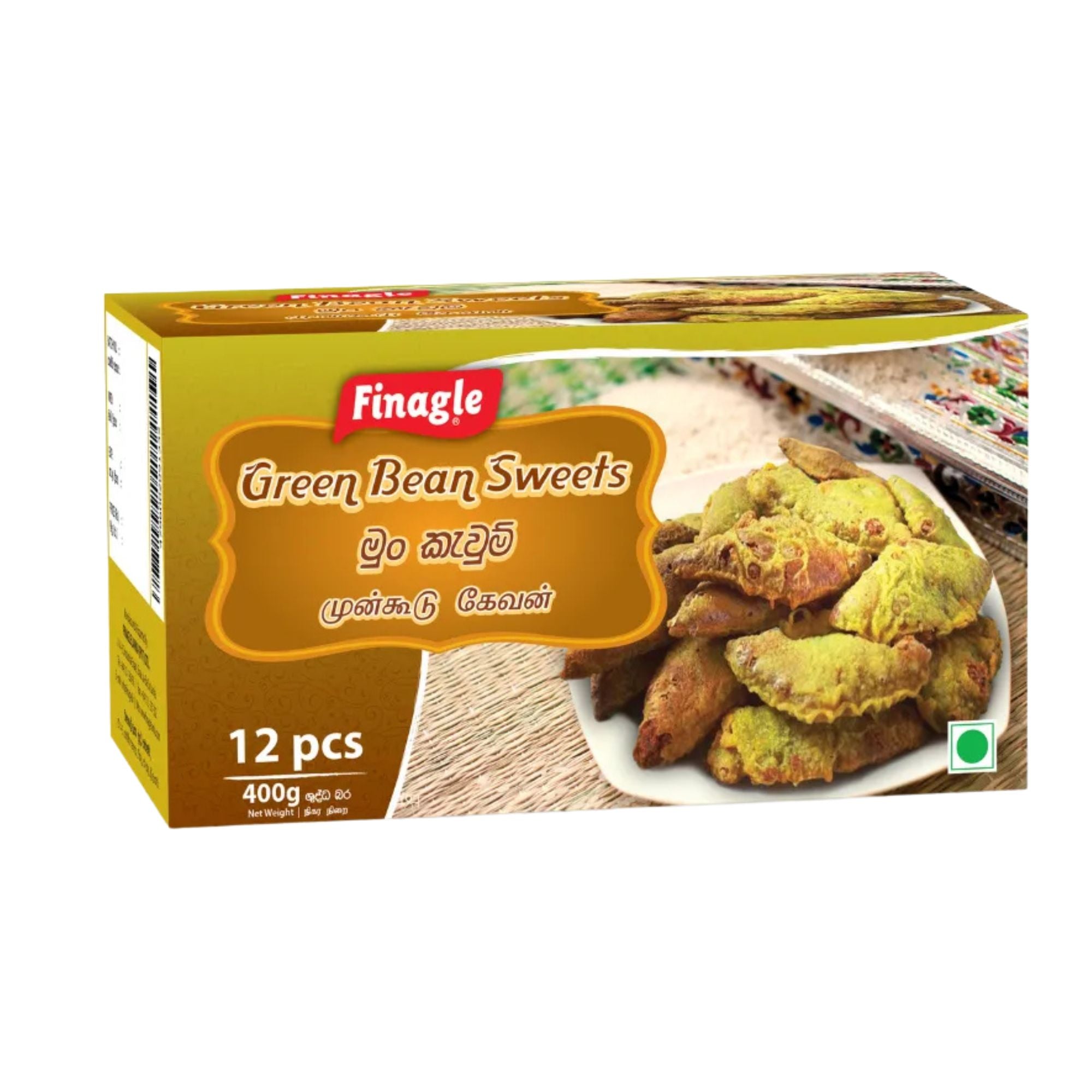
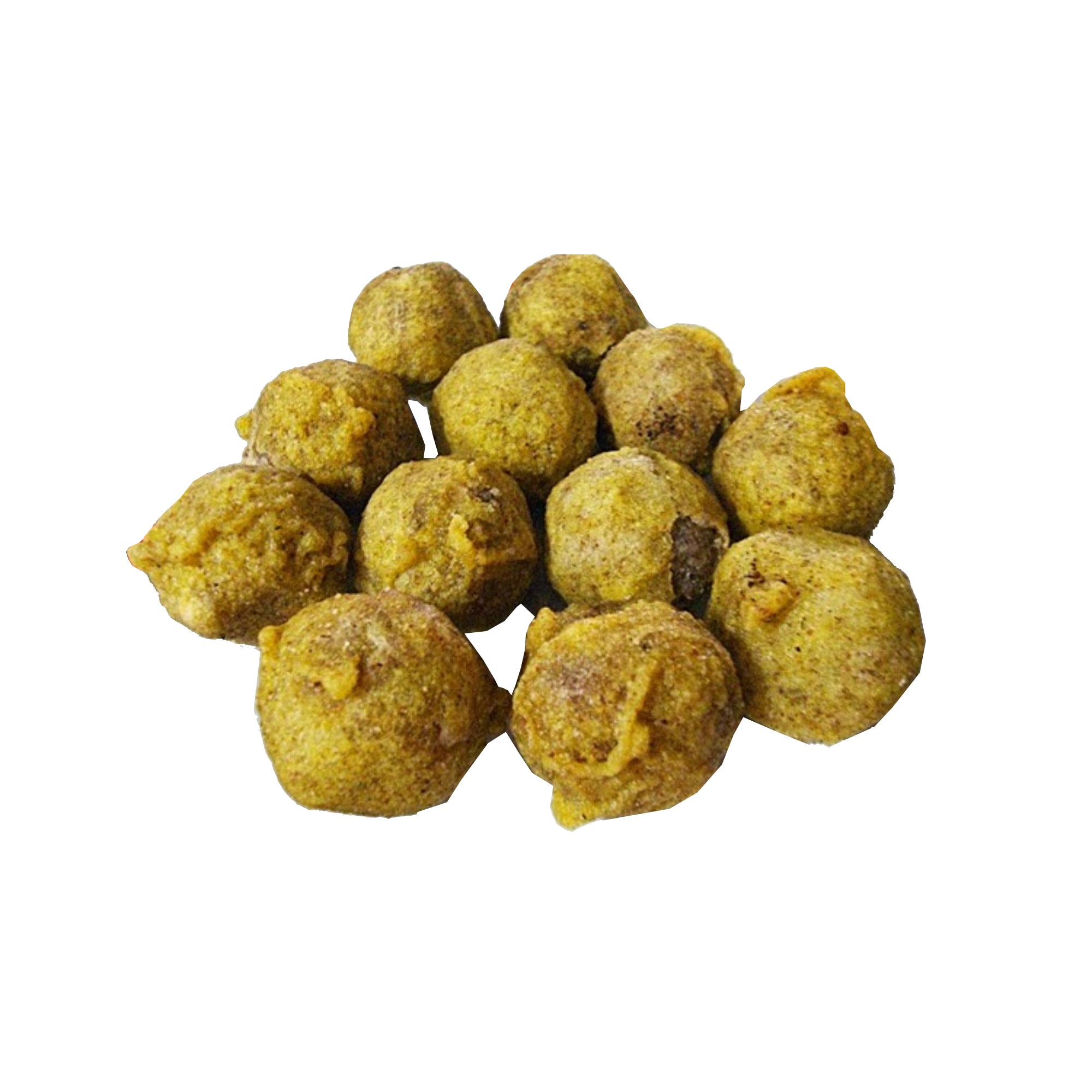
Mung Kavum is one of Sri Lanka's most beloved traditional sweets — a deep-fried, diamond-shaped confection made from mung flour and black treacle, coated in a light coconut-milk batter. It is closely associated with Sinhala and Tamil New Year celebrations, appearing alongside other festive treats on household tables across the island. Unlike the classic oil-fried Kokis, Mung Kavum has a denser, chewier texture with a distinctive earthy sweetness that comes from the treacle rather than refined sugar.
The recipe below follows the traditional method passed down through Sri Lankan households. The key to success lies in cooking the treacle to exactly the right consistency — too thin and the dough won't hold its shape; too thick and it becomes brittle. Take your time at this stage and the rest comes together naturally.
What ingredients do you need to make Mung Kavum?
Dough
- 1 kg mung flour (green gram flour)
- 750 g white rice flour
- 3 cups black treacle
- Pinch of salt
Batter coating
- 200 g rice flour
- 1 cup coconut milk
- 1 egg
- Pinch of turmeric
- Pinch of salt
Black treacle — made from the sap of the kithul palm — is the soul of this recipe. If you are outside Sri Lanka, look for it in South Asian grocery stores. Do not substitute with molasses or golden syrup; they behave differently when heated and alter the final flavour. Coconut milk used in the batter should ideally be freshly pressed for the richest flavour, though good-quality tinned coconut milk works as a practical alternative.
How do you make Mung Kavum step by step?
- Prepare the dough base. In a large mixing bowl, combine the mung flour, white rice flour, and a pinch of salt. Mix well and set aside.
- Cook the treacle. Pour the black treacle into a heavy-bottomed pot and bring it to a boil over medium heat. To test whether it has reached the correct consistency, lift a spoon above the pot — the treacle should fall in a slow, thick, unbroken thread. This thread-stage is the correct point to add the flour mixture. Set aside one cup of the boiled treacle to adjust the dough if needed.
- Make the dough. Pour the hot treacle steadily into the flour mixture, stirring as you go. Once cool enough to handle, knead the dough by hand until it is smooth and no longer sticks to your fingers. If the dough feels too stiff, add small amounts of the reserved treacle.
- Shape the Kavum. Lightly dust a clean board with white rice flour. Flatten the dough evenly on the board to a thickness of roughly 1 cm. Cut the flattened dough into diamond shapes using a knife or pastry cutter.
- Prepare the batter. In a separate bowl, whisk together the rice flour, coconut milk, egg, turmeric, and salt until you have a smooth, thick batter. The turmeric gives the coating its characteristic golden colour.
- Fry the Kavum. Heat a deep pot of oil over medium heat. Dip each diamond-shaped piece into the batter, coating it evenly, then lower it carefully into the hot oil. Fry in small batches, turning occasionally, until each piece is golden brown on all sides. Drain on paper towels and allow to cool before serving.
What does Mung Kavum taste like and how is it served?
The finished Kavum has a firm, slightly chewy interior with a thin, crisp outer shell. The treacle provides a deep caramel-like sweetness balanced by the mild nuttiness of the mung flour. The turmeric in the batter contributes a faint warmth rather than any pronounced spice. Mung Kavum is typically served at room temperature, arranged on a traditional platter alongside other Avurudu sweets such as Kokis and Pani Kadju.
It keeps well at room temperature in an airtight container for several days, making it practical to prepare in advance for festivals and family gatherings. Avoid refrigerating it — cold air tends to make the dough tough and dulls the flavour.
When is Mung Kavum traditionally made in Sri Lanka?
Mung Kavum is most strongly associated with the Sinhala and Tamil New Year, celebrated in April. According to tradition, households prepare sweets at an auspicious time determined by the lunar calendar, and Kavum is among the first items placed on the New Year table. Beyond the New Year, it appears at temple offerings, wedding celebrations, and family milestones. In many households, the recipe is passed from mother to daughter and remains one of the few sweets that is rarely bought ready-made — the act of preparing it is considered part of the celebration itself.
What is the difference between Mung Kavum and regular Kavum?
| Feature | Mung Kavum | Regular Kavum (Indi Appa style) |
|---|---|---|
| Primary flour | Mung (green gram) flour + rice flour | Rice flour only |
| Shape | Diamond (cut from rolled dough) | Round or oval (piped or moulded) |
| Texture | Denser, chewier | Lighter, more delicate |
| Sweetener | Black treacle (kithul) | Treacle or jaggery |
| Outer coating | Coconut-milk batter with egg and turmeric | No separate batter |
Tips for getting the best results
- Test the treacle early. The thread-stage test is the most critical step. Under-cooked treacle makes a sticky, unworkable dough.
- Work the dough while warm. Mung-and-treacle dough stiffens as it cools. Knead it while it is still warm to achieve a smooth, pliable consistency.
- Keep the oil at a steady medium heat. Too hot and the batter coating will brown before the interior sets; too cool and the Kavum absorbs excess oil and becomes greasy.
- Uniform thickness matters. Aim for an even layer of around 1 cm when rolling out the dough. Uneven pieces will cook at different rates in the same batch.
- Let the batter rest. Mixing the batter 15 minutes before use allows the rice flour to fully hydrate, resulting in a smoother, more cohesive coating.
If you would like to explore more traditional Sri Lankan sweets and their cultural context, the Kitul Tapping page covers the process behind producing the black treacle that is central to so many island recipes.
Related reading
5 pages on closely related subjects.