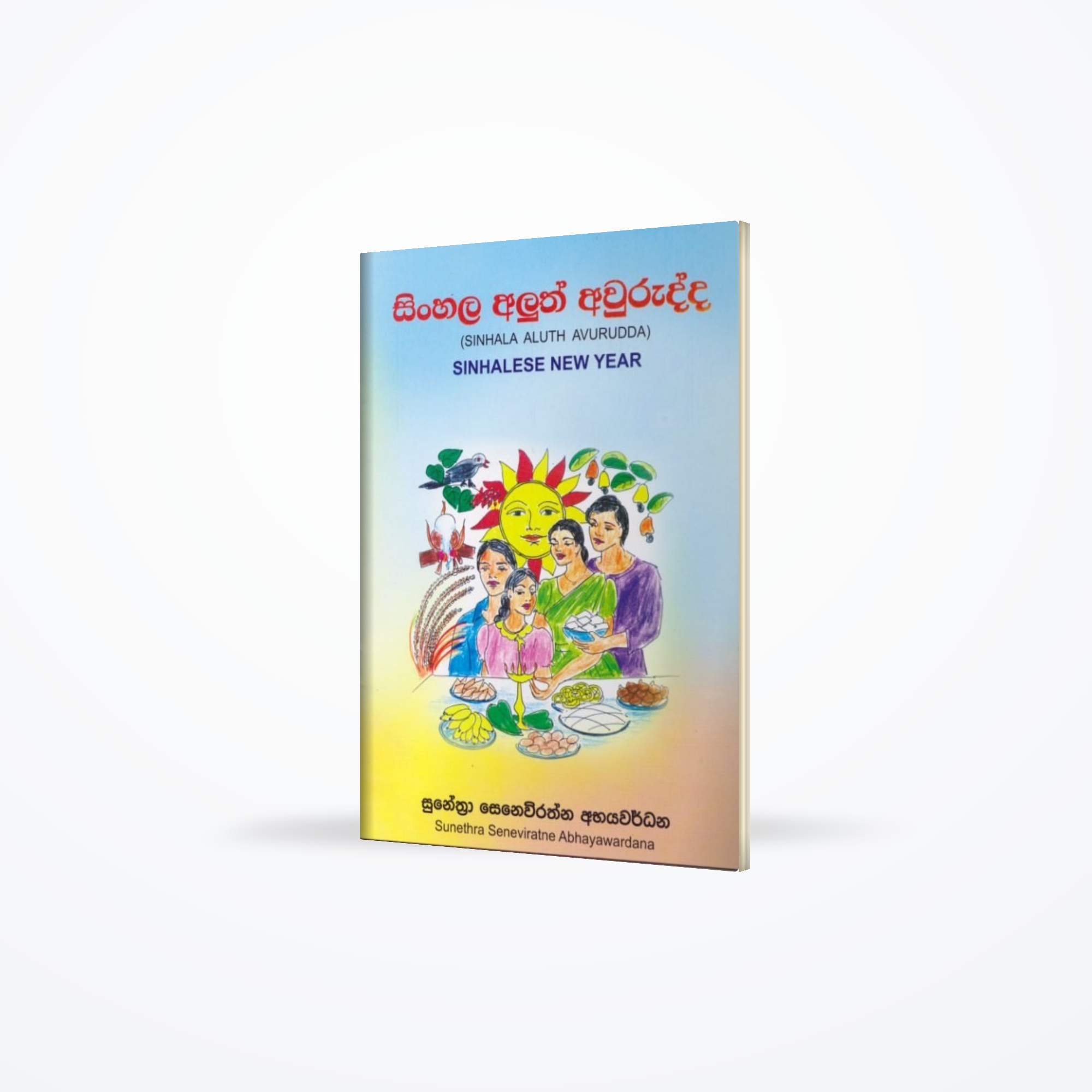
The Sinhalese New Year, known in Sinhala as Aluth Avurudhu, arrives each April at the close of the harvest season. Across Sri Lanka and among diaspora communities worldwide, the occasion is marked not only by rituals and games but by an elaborate spread of traditional food — collectively called rasa kavili, or sweet meats. This table of carefully prepared dishes is at the heart of how families observe the new year together, and the preparations often begin days in advance.
What is the Sinhalese New Year Table?
The Avurudhu table is the centrepiece of the new year celebration. It brings together sweet and savoury items prepared from recipes passed down through generations, many of which rely on a handful of core ingredients: rice flour, coconut milk, jaggery, and sesame. The act of cooking these dishes is itself considered part of the celebration — households fill with the smell of frying oil and freshly grated coconut for days before the new year dawns.
Sharing food at an auspicious moment, seated with family, is regarded as a deeply meaningful custom rather than simply a meal. The timing of eating, like most acts during Avurudhu, is guided by the Avurudhu nakath — an astrological calendar that prescribes the precise hour for each ritual activity.
What food is traditionally served at Avurudhu?
The new year table typically includes a mix of fried, steamed, and set sweets. While regional and family variations exist, a number of dishes appear almost universally:
- Kiri bath — Milk rice cooked with coconut milk. Lighting the hearth to prepare kiri bath is considered the first official act of the Sinhalese New Year and is timed to the exact auspicious moment.
- Kokis — A crisp, lacy fried biscuit made from rice flour and coconut milk, shaped using a decorative mould. Its texture and intricate pattern make it one of the most recognisable items on the Avurudhu table.
- Konda kevum — A soft, golden sweet made from rice flour and kithul treacle, deep-fried into a rounded shape with a characteristic topknot.
- Pani walalu — Spiral-shaped sweets fried from an urad dal batter and soaked in sugar syrup, with a chewy, honey-scented quality.
- Mung kevum — A smaller, denser variation of kevum made with mung bean flour, offering a slightly earthier flavour.
- Aluwa — A firm, fudge-like sweet made from rice flour, sugar, and cashews, often cut into diamond shapes and dusted with sesame seeds.
- Kalu dodol — A rich, dark confection made from kithul treacle, coconut milk, and rice flour, slow-cooked over many hours until thick and glossy.
- Athirasa — A flat, fried cake made from soaked and ground rice mixed with jaggery, with a slightly chewy centre and crisp edges.
- Narang kevum — A variation flavoured with orange or citrus, adding a bright note to the table.
- Aasmi — A delicate, nest-like fried sweet made from rice flour and coconut milk, dipped in treacle after frying.
- Pol toffee and milk toffee — Set sweets made from coconut or condensed milk and sugar, cut into small squares. Milk toffee in particular has become one of the most widely gifted Avurudhu treats.
- Mung guli — Small, round balls made from roasted mung flour and jaggery, sometimes rolled in sesame seeds.
How is kiri bath prepared for the new year?
Kiri bath — literally "milk rice" — is cooked by simmering white rice in thick coconut milk until the grains absorb the liquid fully and set into a firm cake. It is traditionally cooked in a clay pot on a wood-fire hearth. The woman of the household typically performs this act at the nakath-prescribed moment, with the rest of the family gathered nearby. Once set, the rice is cut into diamond-shaped portions and served plain or alongside lunu dehi — a salted lime pickle — and banana.
Kiri bath also carries symbolic weight beyond the new year: it appears at almost every auspicious occasion in Sri Lankan life, from first days at school to wedding ceremonies.
What makes Avurudhu sweet meats different from everyday Sri Lankan sweets?
Most Avurudhu sweets share a reliance on whole, largely unprocessed ingredients — hand-pounded rice flour, fresh coconut milk extracted the same day, and kithul or pol treacle rather than refined sugar. The labour involved is considerable: grinding, sifting, and mixing batter by hand, then frying in batches in large woks over high heat. This effort is partly what gives the occasion its communal character, with extended family members often gathering beforehand to help with preparation.
Many recipes have remained essentially unchanged for several centuries, linking families to a continuous culinary tradition even as Sri Lankan food more broadly has evolved. The kithul palm, whose treacle and jaggery appear in so many of these sweets, remains an important part of rural Sri Lankan life.
What other customs accompany the Avurudhu meal?
Eating is just one of several structured rituals that mark the new year period. Other customs observed around the same time include:
- Anointing with herbal oil at an auspicious time, typically performed by an elder.
- Setting out to work — even symbolically — in a designated direction and wearing colours specified for the year.
- Exchanging gifts, often sweets or fruit, with neighbours and relatives.
- Playing traditional games including the greasy pole (gas pol), pillow fights, and pot-breaking games.
The Esala Perahera is Sri Lanka's other great annual cultural celebration, but Avurudhu is distinct in being observed primarily within homes and neighbourhoods rather than through public processions — making the food table its most visible shared expression.
Can visitors experience the Sinhalese New Year table in Sri Lanka?
Travellers who are in Sri Lanka during mid-April have a genuine opportunity to witness — and often participate in — Avurudhu traditions. Village homestays and cultural programmes frequently include hands-on cooking sessions where guests learn to prepare traditional sweet meats alongside local families. Many hotels also put together an Avurudhu spread during the period, though these tend to be curated versions rather than the full home-cooking experience.
For those outside Sri Lanka, Lakpura can arrange delivery of traditionally prepared Avurudhu sweet meats so that the new year table reaches you wherever you are.
Related reading
2 pages on closely related subjects.