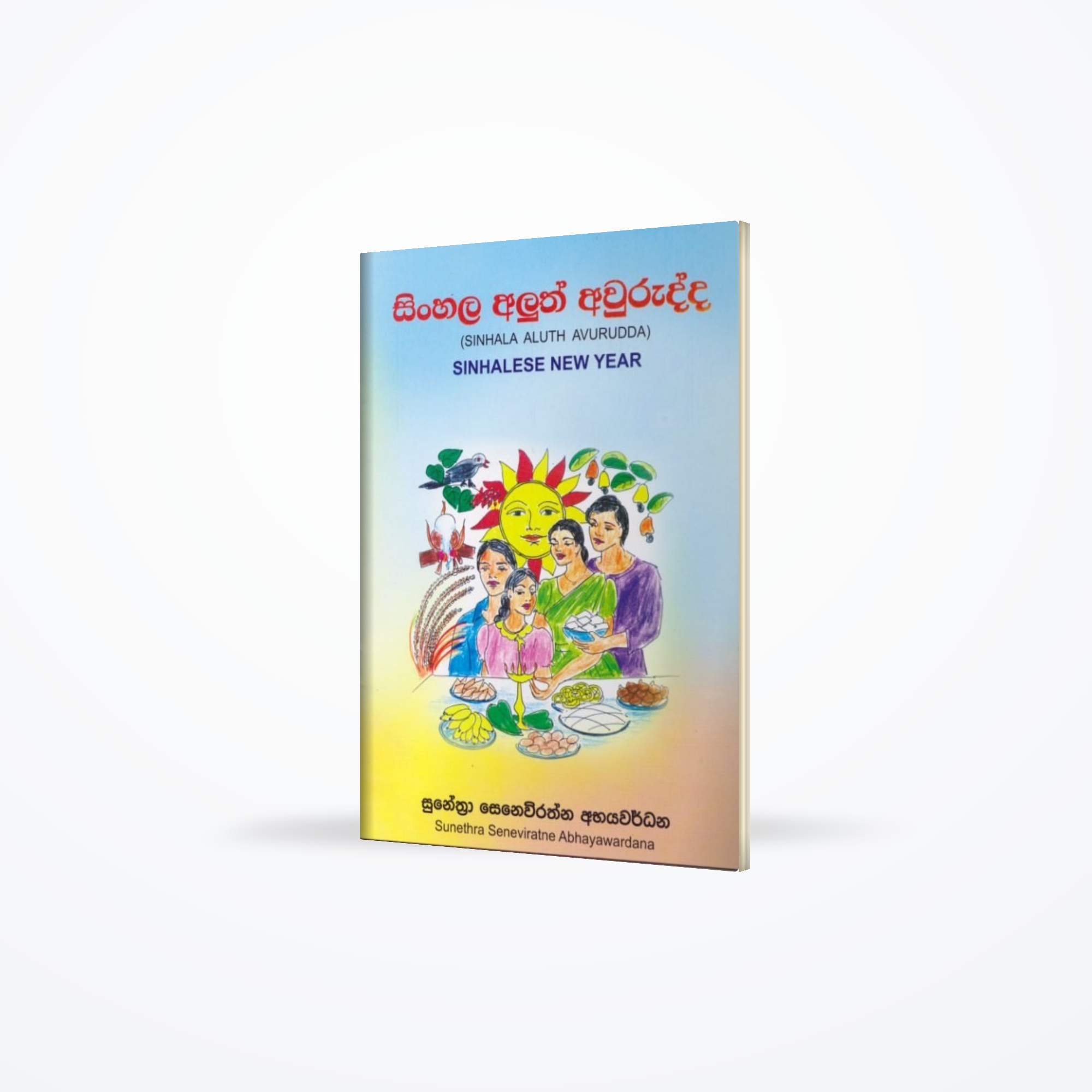
Aluth Sahal Mangallaya — literally the "New Rice Festival" — is one of Sri Lanka's oldest agricultural-religious ceremonies, marking the first offering of the season's fresh paddy to the Buddha and the guardian deities of the island. Observed every January on the Poya (full moon) day, it weaves together Theravada Buddhist devotion, royal Kandyan tradition, and the practical rhythms of the farming calendar into a single, carefully choreographed ritual.
What is the significance of Aluth Sahal Mangallaya in Sri Lankan culture?
Rice is not simply a staple food in Sri Lanka — it sits at the centre of cultural identity, religious practice, and the agricultural year. The new rice festival formalises the transition between one harvest season and the next, ensuring that the first fruits of the paddy fields are consecrated before any farmer anywhere on the island cuts his own crop. This sequencing is deliberate: only after the offering is made at the Sri Dalada Maligawa (Temple of the Tooth Relic) in Kandy may farming communities hold their own local Aluth Sahal ceremonies and begin collecting their harvest.
The ceremony was formally instituted in 1707 during the reign of King Sri Veera Parakrama Narendrasinghe and has continued with minimal interruption ever since. Its longevity reflects how deeply the paddy cycle is embedded in Sinhalese Buddhist kingship and communal life.
How does the Aluth Sahal Mangallaya ceremony unfold?
The ritual begins at Kundasale Pallekele, on the outskirts of Kandy, where rice and paddy donated to the Temple of the Tooth are stored in a dedicated repository. The Diyawadana Nilame — the lay custodian of the Temple of the Tooth and the highest lay dignitary in Kandyan tradition — takes the lead role throughout the proceedings.
- Harvesting and preparation: The first batch of new paddy is plucked, threshed, and winnowed according to prescribed ritual steps at Kundasale.
- The Nakath Pathraya: A court official known as the Nakath Mohottala draws up an auspicious timetable called the Nakath Pathraya, which governs the exact timing of every act in the ceremony. Nothing proceeds outside its provisions.
- The procession: The Diyawadana Nilame leads a traditional procession — a perahara — from the Royal Palace grounds to Kundasale to receive the harvested paddy, then returns in procession to the Temple of the Tooth.
- The offering: The new rice is formally presented to the sacred Tooth Relic and to the presiding deities of the associated devales (shrines). Allocation of rice and paddy to each devale follows according to established custom.
The ceremonial details — the dress of the participants, the order of the procession, the precise words of the offering — are preserved with care, making Aluth Sahal Mangallaya a living repository of Kandyan court culture.
Where does Aluth Sahal Mangallaya take place?
The primary venue is the Sri Dalada Maligawa (Temple of the Tooth Relic) in Kandy, with associated proceedings at Kundasale Pallekele a short distance from the city. The Kandy Tourist Information Center can advise on the exact dates each year, which shift with the lunar calendar. Visitors planning a trip around January Poya should verify the precise date in advance.
After the main ceremony in Kandy, the most important secondary celebration takes place at the Sri Maha Bodhi in Anuradhapura — the sacred Bo tree under which the Buddha is said to have attained enlightenment, and one of the oldest documented trees in the world. Communities across the country then follow with their own village-level new rice ceremonies.
How does the Maha Kanna (main harvest) cycle connect to Aluth Sahal?
Sri Lanka's paddy calendar has two main cultivation seasons: Maha (October–March, the larger harvest) and Yala (April–September). Aluth Sahal Mangallaya falls within the Maha season, which is why it is sometimes called the festival of the Maha Kannaya. The January Poya timing corresponds with when the Maha crop reaches first maturity in the wet-zone paddies that surround Kandy and the hill country. Understanding this agricultural rhythm helps explain why the ceremony cannot simply be rescheduled — it must coincide with the actual state of the harvest.
Paddy cultivation has shaped much of Sri Lanka's landscape for over two thousand years. The flooded paddy field (kumbura) remains a defining feature of the rural interior, and ceremonies like Aluth Sahal Mangallaya keep its cultural meaning alive in an era of rapid urbanisation.
Who leads the Aluth Sahal Mangallaya ceremony?
The Diyawadana Nilame holds the most prominent role. This position — hereditary and one of great social prestige in Kandyan society — carries responsibility for the stewardship of the Temple of the Tooth and the management of its extensive ceremonial calendar, which also includes the Esala Perahera Festival, the island's largest annual procession.
The Nakath Mohottala serves as the ritual astrologer-administrator, determining the auspicious moments (nakath) for each stage of the ceremony. This role underscores how Sinhalese tradition integrates astronomy and cosmological timing into religious and agricultural life — a practice that extends to everyday milestones such as weddings, house-warmings, and planting seasons.
Can visitors attend Aluth Sahal Mangallaya?
The ceremony is a public religious event, and the procession through the streets of Kandy can typically be observed by respectful onlookers. Dress modestly — shoulders and knees covered — and follow any instructions from temple officials or police on crowd management. Photography may be restricted inside the temple precincts; always ask before raising a camera.
For context on what you are witnessing, arriving in Kandy a day early is worthwhile. The city's museums and the temple complex itself offer background on the Kandyan kingdom's court culture and the role of rice in Buddhist ceremonial life. A Kandy city tour with an informed local guide can frame the ceremony within its broader historical setting.
What other January Poya observances happen alongside the new rice festival?
January Poya — known as Duruthu Poya — commemorates the Buddha's legendary first visit to Sri Lanka and is itself a significant religious observance. Temples island-wide hold all-night pirith chanting and devotees observe sil (the eight precepts). The convergence of Duruthu Poya with Aluth Sahal Mangallaya amplifies the ceremonial weight of the day considerably, drawing larger congregations to the Temple of the Tooth than a typical month would see.
Nearby places
16 places within about 25 km, nearest first.
- Esala Perahera Festivalunder 1 km
- Kandy Lakeunder 1 km
- Kandy Lake Clubunder 1 km
- Paththirippuwaunder 1 km
- Royal Palace Kandyunder 1 km
- Temple of the Tooth Relicunder 1 km
- The Nanumura Ceremonyunder 1 km
- International Buddhist Museumunder 1 km
- Jayatillake Mandapayaunder 1 km
- Raja Museumunder 1 km
- E.L. Senanayake Children Park Kandyunder 1 km
- Natha devalayaunder 1 km
- Randoli Peraheraunder 1 km
- Ulpangeunder 1 km
- Malwatta Chapterunder 1 km
- Joy Boat Servic, Kandyunder 1 km
Related reading
2 pages on closely related subjects.