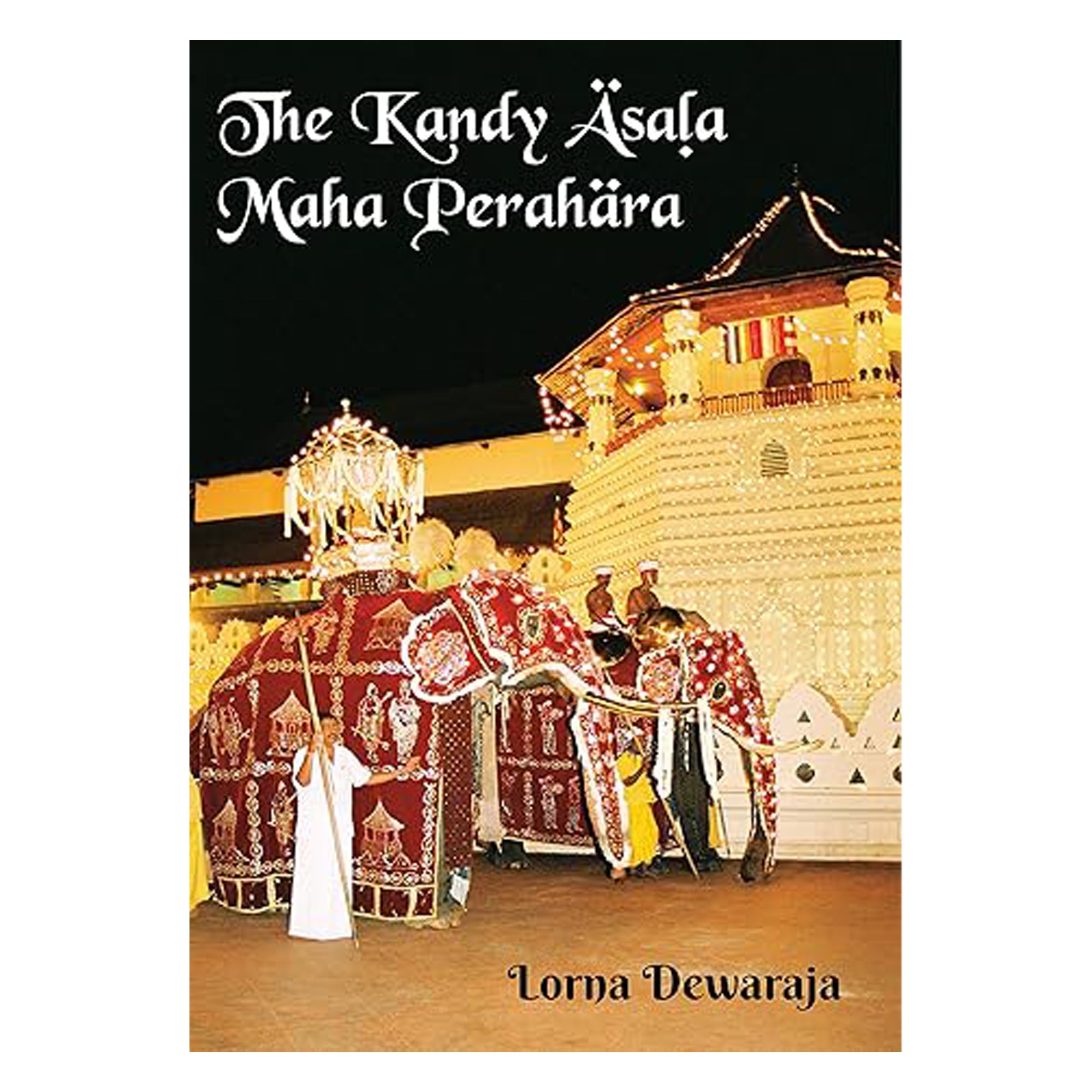
The Randoli Perahera is the most elaborate phase of the Esala Perahera Festival in Kandy — a multi-night procession that draws thousands of devotees and visitors each year to witness one of South Asia's most enduring religious spectacles. Rooted in centuries of Buddhist tradition and Kandyan royal ceremony, it offers an experience that is simultaneously devotional, artistic, and deeply historical.
What does "Randoli" mean and why does it matter?
The word randoli refers to the gilded palanquins historically used to carry Kandyan queens during royal processions. When this phase of the Esala Perahera commences, four such palanquins representing the four devales — shrines of the guardian deities Natha, Vishnu, Kataragama, and the goddess Pattini — are incorporated into the nightly parade. Their inclusion transforms the procession from a relatively contained religious march into a full expression of Kandyan court culture and Buddhist-Hindu syncretism.
This symbolic layering is what separates the Randoli Perahera from the earlier Kumbal Perahera phase. Both form part of the same festival cycle, but the Randoli nights are grander in scale, longer in duration, and more densely attended.
What happens during the Randoli Perahera procession?
Each night's procession assembles at the Sri Dalada Maligawa — the Temple of the Tooth — and winds through the streets of central Kandy. The sequence of participants follows a strict protocol refined over generations:
- Torchbearers and whip-crackers open the march, clearing the route and signalling the procession's advance.
- Traditional Kandyan dancers perform ves and pantheru dance forms, wearing elaborate headdresses and costumes.
- Drummers playing the davul, thammattama, and udekki maintain a rhythmic backdrop that can be heard well before the procession comes into view.
- Fire performers carry flaming torches and spin fire balls, illuminating the darkened route.
- Caparisoned elephants — typically several dozen — walk in formation. Their richly embroidered costumes, electric lights woven into the cloth, and ceremonial headpieces make them the defining visual of the event.
- The Maligawa Tusker, the most senior elephant in the procession, carries a golden casket containing a replica of the Sacred Tooth Relic of the Buddha beneath a layered ceremonial canopy.
- The Diyawadana Nilame, the chief lay custodian of the relic, walks or rides in close proximity to the Maligawa Tusker, representing the continuity of royal patronage now vested in a civilian guardian.
- The four randoli palanquins are carried by bearers representing each of the devales, accompanied by their own retinues of dancers and musicians.
The full procession on peak nights can last several hours and stretch for a considerable distance through the city's main streets.
When does the Randoli Perahera take place in 2025?
The 2025 Randoli Perahera is scheduled to begin on 4 August, with nightly processions running through to the grand finale on 8 August. Dates are set according to the Esala full moon (Poya) and can shift by a day or two between years, so confirming the official schedule with the Sri Dalada Maligawa closer to the festival is advisable.
The festival concludes with the Diya Kepeema — a ritual water-cutting ceremony performed at the Mahaweli River in Getambe on the morning after the final procession. A Buddhist monk uses a sword to cut the river's surface, symbolically marking the end of the festival cycle and the purification of the community.
How do the Kumbal Perahera and Randoli Perahera differ?
The full Esala Perahera runs for roughly ten nights. The first five nights constitute the Kumbal Perahera, a comparatively smaller procession used to build the ceremonial momentum. When the Randoli Perahera begins, the randoli palanquins are added to the march and the overall scale — number of elephants, length of the route, size of the accompanying retinues — expands noticeably. The final night of the Randoli Perahera, known as the Maha Randoli, is the most heavily attended and is considered the spiritual centrepiece of the entire ten-night festival.
Where should you watch the Randoli Perahera in Kandy?
The procession follows a circular route through the heart of Kandy, passing key landmarks including the Temple of the Tooth, the Kandy Lake, and the main commercial streets. Seating options range from free pavement positions claimed several hours in advance to ticketed grandstand seats arranged by licensed operators.
Grandstand seats provide an elevated, unobstructed view and are strongly recommended for the Maha Randoli night, when street crowds are densest. Tickets typically sell out well before the festival begins. The Kandy Tourist Information Center can advise on official seating arrangements and local logistics.
| Detail | Notes |
|---|---|
| Location | City of Kandy, Central Province, Sri Lanka |
| 2025 dates (Randoli phase) | Approximately 4–8 August (confirm with Sri Dalada Maligawa) |
| Procession start time | Typically after dark, around 7–8 pm |
| Duration per night | Around 3–4 hours on peak nights |
| Diya Kepeema ceremony | Morning after the final night, Getambe (Mahaweli River) |
| Entry fee (street viewing) | Free |
| Dress code | Modest attire recommended; remove footwear at temple areas |
How do you get to Kandy for the festival?
Kandy sits roughly 115 km northeast of Colombo, accessible by road in around two to three hours depending on traffic. During the Esala Perahera period, particularly on Randoli nights, traffic into Kandy intensifies significantly. Arriving a full day early and staying within the city is the most practical approach.
The scenic train journey from Colombo Fort to Kandy takes approximately two to three hours and is a comfortable alternative to road travel. Trains run frequently and seats can be reserved in advance through Sri Lanka Railways — booking ahead is essential during festival season. For those arriving by private vehicle, a Kandy City Tour driver familiar with the festival layout can be invaluable for navigating road closures and parking.
What is the religious significance of the Sacred Tooth Relic?
The Dalada — the left canine tooth of the Buddha — has been in Sri Lanka since the 4th century CE, according to historical accounts, and has been housed at the Sri Dalada Maligawa in Kandy since the 16th century. It is considered the most sacred Buddhist relic on the island and has historically conferred legitimacy on Sinhalese rulers; possession of the relic was understood to carry the right to govern. The Esala Perahera itself evolved partly from this tradition of royal custody.
The relic is never displayed publicly during the procession; what the Maligawa Tusker carries is a replica housed in a casket placed within a gold-plated reliquary. The original remains within the inner sanctum of the temple, accessible only to senior clergy under specific conditions.
Tips for attending the Randoli Perahera
- Arrive at your viewing position at least two hours before the procession starts on Randoli nights — earlier on the Maha Randoli finale.
- Book accommodation in Kandy at least two to three months in advance; rooms fill quickly once festival dates are announced.
- Bring a lightweight rain layer — August evenings in Kandy's hill country can bring sudden showers.
- Carry cash; many vendors and seating areas around the route do not accept cards.
- Photography is permitted from public areas, but be respectful of worshippers near the temple precincts.
- Combine the festival with a broader visit to the Central Highlands — nearby attractions such as the Horton Plains National Park make a natural addition to a longer itinerary.
Nearby places
12 places within about 25 km, nearest first.
- Ulpangeunder 1 km
- Raja Museumunder 1 km
- Aluth Sahal Mangallayaunder 1 km
- Kandy Lakeunder 1 km
- Paththirippuwaunder 1 km
- Royal Palace Kandyunder 1 km
- Temple of the Tooth Relicunder 1 km
- The Nanumura Ceremonyunder 1 km
- Meera Makam Mosque Kandyunder 1 km
- Galmaduwa Viharaya2 km
- Ampitiya3 km
- Degaldoruwa Raja Maha Vihara4 km
Related reading
5 pages on closely related subjects.