Just off the Kundasala Road on the outskirts of Kandy stands one of the Kandyan region's most quietly compelling historical sites: the unfinished Galmaduwa Viharaya. Unlike the polished temple complexes that draw large crowds to the city centre, Galmaduwa tells its story through what was never completed — a roofless shell of stone and brick that has remained frozen in mid-construction for more than two centuries.
What is the history behind Galmaduwa Viharaya?
Galmaduwa Viharaya is traditionally attributed to King Keerthi Sri Rajasinghe, who ruled the Kandyan Kingdom during the eighteenth century and was a notable patron of Buddhism in Sri Lanka. Construction began with evident ambition — the scale and stonework visible today suggest a substantial vihara was planned — but the project was never brought to completion.
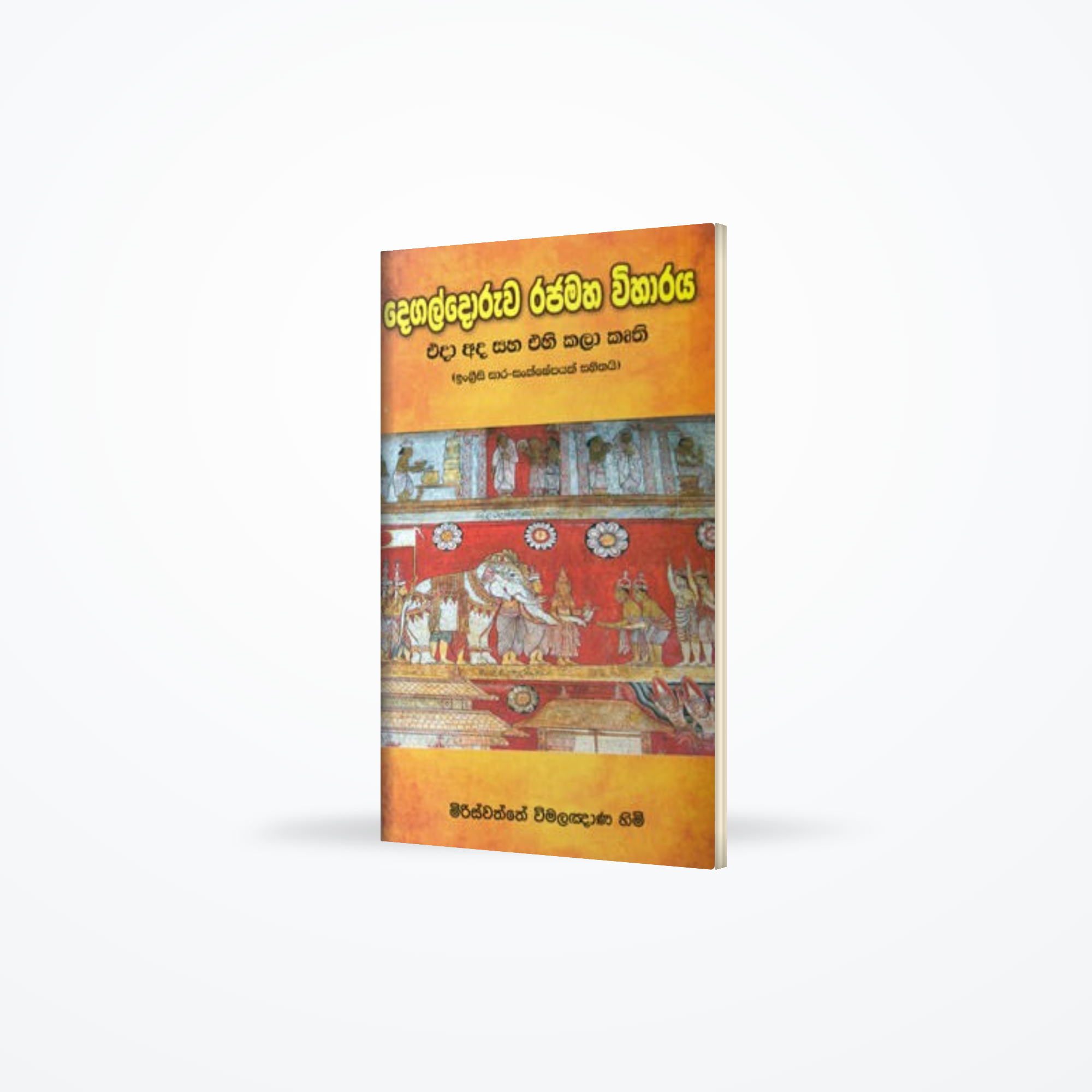
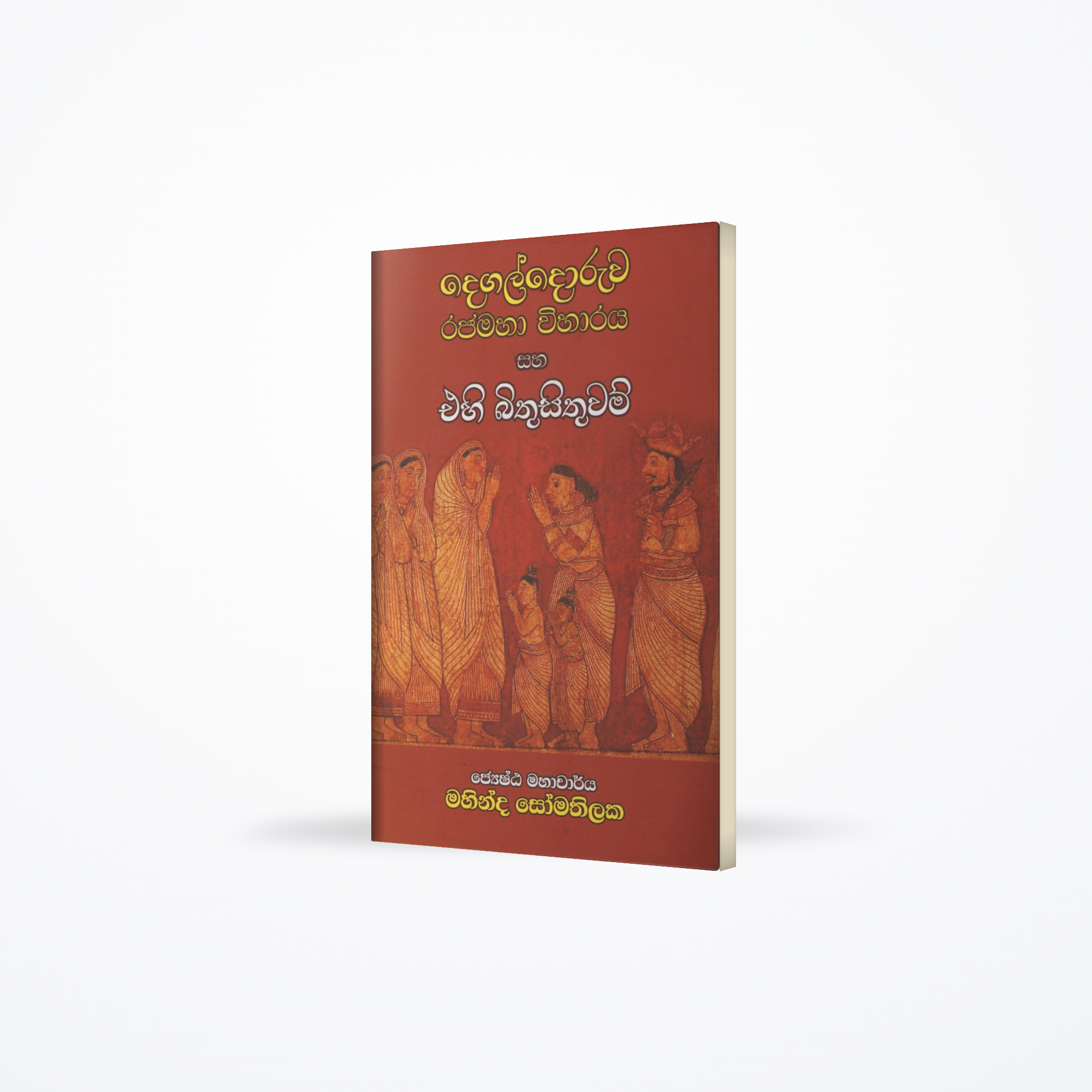
According to local tradition, work halted abruptly when the king learned of the discovery of a significant cave at Degaldoruwa, a site a short distance to the east of Kandy. The king redirected his attention and royal patronage toward that cave complex, which eventually became the Degaldoruwa Rajamaha Viharaya, celebrated for its Kandyan-period wall paintings. Galmaduwa was left as it stood, and because the structure was never consecrated or completed, it was never formally used as a functioning temple.
The result is a site that sits in a curious historical limbo: too unfinished to serve its intended purpose, yet substantial enough to survive as a tangible remnant of eighteenth-century royal ambition.
What can visitors see at Galmaduwa Viharaya today?
The roofless stone shell of the unfinished building is the principal feature of the site. The walls and partially constructed elements offer a rare opportunity to study Kandyan-period construction techniques in an unadorned state — without the layers of later renovation or decoration that obscure the original craft at many other temples in the region.
The surrounding grounds are quiet and relatively undisturbed, making the site feel genuinely off the usual tourist circuit. Visitors with an interest in architectural history or Buddhist heritage will find it a thoughtful complement to the more visited temples of the Kandy area, particularly when paired with a visit to Degaldoruwa, the cave temple whose discovery directly caused Galmaduwa's abandonment.
- Unfinished stone construction from the Kandyan Kingdom period
- Visible structural elements that illustrate traditional building methods
- A peaceful, low-footfall setting close to Kandy city
- Historical connection to Degaldoruwa Rajamaha Viharaya
How does Galmaduwa compare with other Kandyan-era temples?
The Kandy district contains a remarkable concentration of Buddhist temples, most of them active religious sites with resident monks, worshippers, and ongoing rituals. Galmaduwa occupies a different category: it is a historical monument rather than a working place of worship. That distinction shapes the experience entirely.
Where a functioning temple such as the Kandy city temples invites participation in living religious practice, Galmaduwa invites contemplation of the past. The site is particularly interesting to visitors who want to understand the Kandyan Kingdom's building traditions, or who are curious about the personal decisions of its monarchs and how those decisions shaped the landscape of heritage that survives today.
Who was King Keerthi Sri Rajasinghe?
King Keerthi Sri Rajasinghe (reigned approximately 1747–1782) is remembered as one of the most active royal patrons of Theravada Buddhism in the late Kandyan period. He is credited with reviving the upasampada higher ordination tradition in Sri Lanka — a ceremony that had lapsed on the island — by inviting a delegation of monks from Siam (present-day Thailand). This act is considered a landmark moment in Sri Lankan Buddhist history.
He also commissioned or supported numerous temples, artworks, and religious observances, and the Esala Perahera festival in Kandy gained added prominence during his reign. Galmaduwa Viharaya, incomplete as it is, should be understood in this broader context of intensive royal patronage rather than as a simple failure of planning.
How do I get to Galmaduwa Viharaya from Kandy?
The site is located a short distance from central Kandy, accessible via a turn off the Kundasala Road. The route is straightforward by tuk-tuk, private car, or taxi from Kandy city. Most visitors combine Galmaduwa with a trip to Degaldoruwa Rajamaha Viharaya, which lies nearby and provides the historical counterpart to Galmaduwa's story.
Because the site attracts relatively few visitors, there are no large tourist facilities on the grounds. It is advisable to visit during daylight hours and to dress modestly, as is appropriate at any Buddhist heritage site in Sri Lanka.
Is Galmaduwa Viharaya worth visiting?
For travellers who appreciate archaeology, architectural history, or the quieter dimensions of Sri Lanka's Buddhist heritage, Galmaduwa Viharaya offers something genuinely different from the polished, heavily visited temple circuit. Its incompleteness is not a drawback — it is precisely what makes it distinctive.
The site rewards visitors who approach it with curiosity and a little context. Pairing it with Degaldoruwa, whose founding story is directly intertwined with Galmaduwa's abandonment, turns a short detour from Kandy into a layered historical experience that most standard itineraries miss entirely.
Nearby places
13 places within about 25 km, nearest first.