Wedamulla Falls, locally known as Palagolla Falls, drops roughly 30 metres through a forested gorge in Sri Lanka's Central Province. Named after the village of Wedamulla that sits nearby, the waterfall is relatively off the beaten track compared to the island's more publicised cascades — which is precisely why it rewards those who make the effort to reach it. The pool at the base is clear and cool, the surrounding rock faces are draped in moss, and on most weekdays you will share the spot with very few other visitors.
What makes Wedamulla Falls worth visiting?
Unlike the roadside waterfalls common along the Kandy–Nuwara Eliya highway, Wedamulla requires a short trail walk through secondary forest. That walk is half the appeal. The path threads between large boulders, crosses seasonal streams, and passes stands of tree ferns and wild ginger — a quiet immersion in the kind of landscape that characterises Sri Lanka's wet-zone hill country. The final reveal of the falls, framed by a narrow rock corridor, is genuinely dramatic without any tourist infrastructure in the way.
The base pool is shallow enough to be safe for wading during dry spells but powerful enough in the wet months to create a fine mist that cools the surrounding air by several degrees. Photography works best in the morning, when indirect light fills the gorge without harsh shadows.
Where exactly is Wedamulla Falls located?
The falls lie in the Central Province, in the hilly terrain inland from Kandy. The nearest significant town is in the Kandy District, and travellers typically approach from Kandy, which is well connected by road and rail to Colombo. The surrounding area sits within the island's wet zone, meaning the forest stays dense and green year-round, though water volume at the falls varies considerably with the seasons.
If you are already exploring the broader hill country — Ella, Nuwara Eliya, or the tea estates around Kandy — Wedamulla can slot naturally into a multi-day itinerary without significant detours.
How do I get to Wedamulla Falls from Kandy?
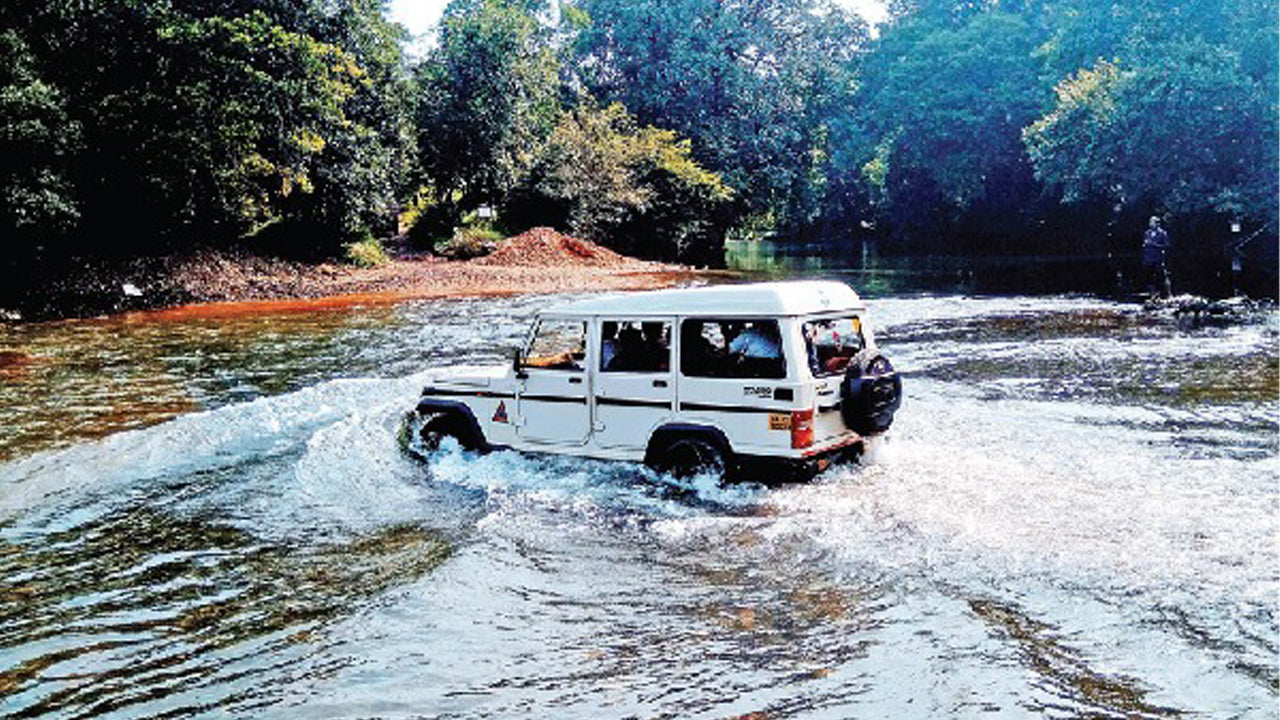
Most visitors travel by private vehicle from Kandy, a journey of around one to one-and-a-half hours depending on road conditions in the hill country. The final stretch of road leading toward the trailhead is narrow and can become slippery after rain, so a four-wheel-drive or high-clearance vehicle is advisable during the wet season. From the parking area, the trail to the falls is typically 20–40 minutes on foot, with moderate gradients. Tuk-tuks from local towns can drop you at the road head but are not suitable for the trail itself.
There is no formal signage along the full route, so downloading an offline map or hiring a local guide is strongly recommended for first-time visitors. A Kandy-based driver-guide will generally know the access road well.
When is the best time to visit Wedamulla Falls?
Sri Lanka's Central Province receives rainfall from both the south-west monsoon (May–August) and, to a lesser degree, the north-east monsoon (October–January). The falls are at their most powerful and photogenic in the months immediately after heavy rain — typically July–September and November–December. However, the trail becomes muddier and the stream crossings deeper during peak wet periods, so visitors should come prepared with appropriate footwear.
The driest and most accessible window is generally from late January through April, when paths are firmer and the drive up is less treacherous. Water flow is lower but still worthwhile, and the surrounding forest remains lush due to the altitude. Early morning visits are preferable in all seasons to avoid afternoon cloud and to have the site to yourselves.
What should I bring on the trail?
- Footwear: Closed-toe shoes or trail sandals with grip. Flip-flops are unsuitable on wet rocks.
- Clothing: Light, quick-dry layers. Temperatures at altitude can feel cool once you enter the gorge.
- Water: Carry enough for the round trip — there are no refreshment stalls at the site.
- Waterproof bag: Useful for cameras and phones if you intend to wade near the base pool.
- Sun protection: The trail passes through open patches where midday sun is strong.
- Insect repellent: Leeches are present on forested trails during and after wet periods.
What else is near Wedamulla Falls?
The Central Province hill country clusters several rewarding stops within a half-day's drive. The Makandawa Rainforest near Kegalle offers guided canopy walks and a very different forest experience — older and denser than the secondary growth around Wedamulla. The Kandy city tour covers the Temple of the Tooth, Kandy Lake, and the Royal Botanical Gardens at Peradeniya, all of which pair well with a waterfall excursion as part of a full-day programme.
For travellers who enjoy waterfall-hopping, the Hakgedi Ella Waterfall is another lesser-known cascade accessible from the hill country that shares Wedamulla's off-grid character. Combining two or three such spots in a single day is a practical and satisfying way to explore the region without retracing your route.
The Horton Plains National Park, home to World's End and Baker's Falls, lies further south and requires an early-morning start, but it represents the most spectacular high-altitude landscape in the entire country and is worth the extra distance.
Is Wedamulla Falls suitable for families and older visitors?
The trail involves uneven terrain and some scrambling near the falls themselves. Fit adults and older children (roughly 8 and above) who are comfortable walking on unpaved surfaces will find it manageable. Younger children and visitors with limited mobility should assess the conditions carefully before committing — the approach is not paved, and there are no handrails or formal steps at the cascade. In dry conditions, the difficulty level is moderate; after rain, it rises considerably.
That said, even reaching a vantage point partway along the trail gives a clear view of the falls from a safe distance, so visitors who prefer not to scramble all the way to the base pool can still appreciate the scene.
Are there any entry fees or permits required?
Wedamulla Falls is not managed as a ticketed attraction. There is typically no government-set entry fee to reach the waterfall itself, though local community members sometimes collect a small voluntary contribution for path maintenance. Confirm current arrangements with your driver or guide before departure, as informal access arrangements in rural areas can change.
Nearby places
11 places within about 25 km, nearest first.