Medawala Raja Maha Viharaya stands as one of the quietly significant Buddhist temples of the Kandy region, revered by local communities and scholars alike. Belonging to the Malwatta Chapter of the Siyam Nikaya — one of the most influential monastic orders in Sri Lanka — it has served as a centre of religious and educational life through centuries of Kandyan history. Its architecture, inscriptions, and chronicles together make it a layered site worth more than a passing glance.
What is the historical background of Medawala Raja Maha Viharaya?
The origins of the temple are traced to the reign of King Vatthagamani Abhaya, who ruled around the late 2nd and early 1st century BC. Vatthagamani is among the most celebrated monarchs in Sinhalese history, known for driving out South Indian invaders and commissioning the writing of the Pali Canon at Aluvihara. The connection of Medawala to this era suggests the site has held religious importance for over two millennia.
A Pali inscription discovered at the temple — referred to as the "Medawala Inscription" — provides an early written record of the site, linking it firmly to ancient Buddhist tradition. A later document, the "Medawala Sannasa" from the Kandyan period, attributes significant construction work to King Kirthi Sri Rajasingha, who reigned in the mid-18th century. He is credited with building much of what visitors see today, including the main shrine and its characteristic Kandyan-style woodwork.
What architectural features define the temple?
The buildings at Medawala Raja Maha Viharaya are a clear expression of Kandyan-period craftsmanship. The wooden architecture — columns, doorways, and intricately carved panels — reflects the aesthetic conventions that flourished under royal patronage in Kandy during the 17th and 18th centuries. The tiered roof structure, typical of the era, is designed to shed Sri Lanka's heavy monsoon rains while lending the temple a dignified silhouette.
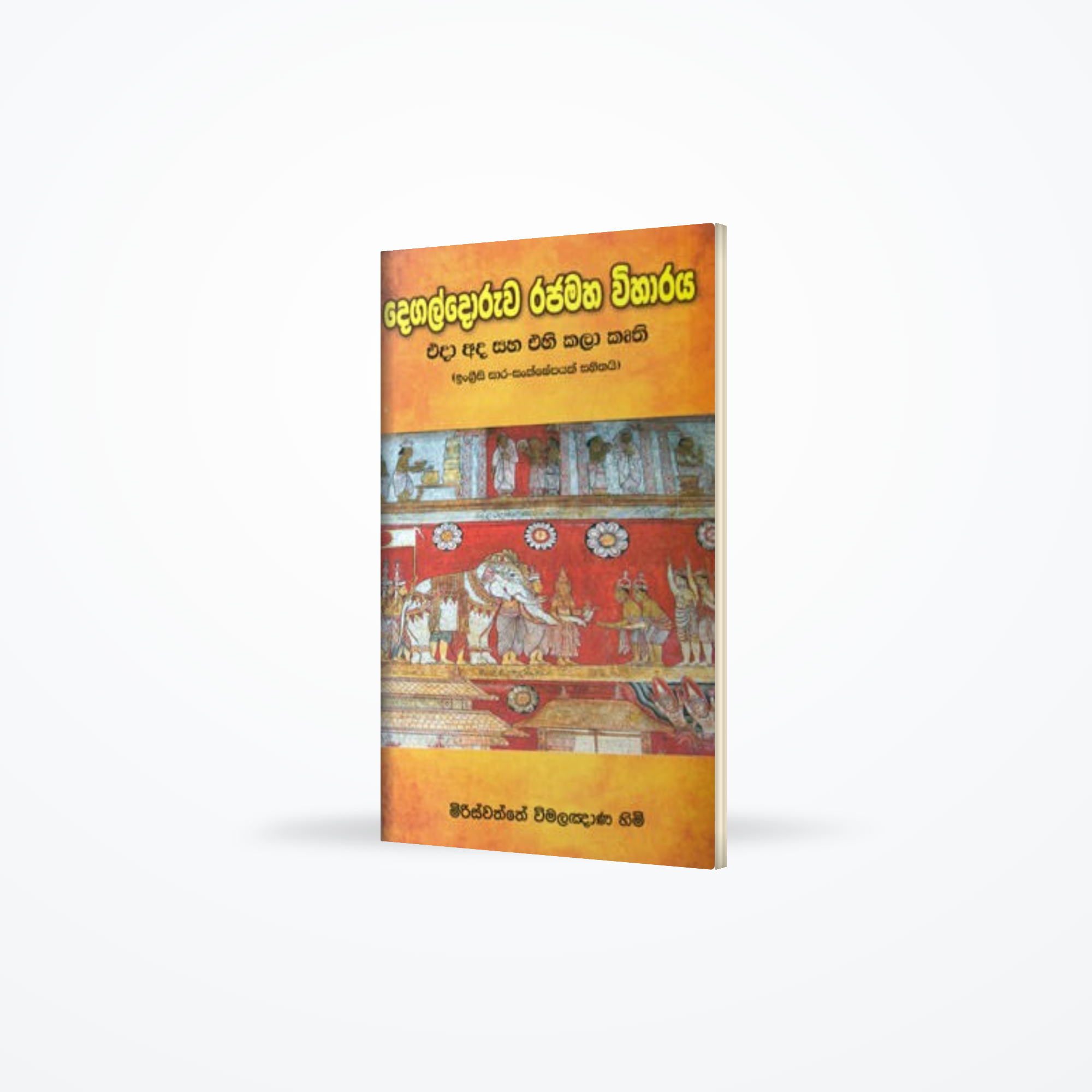
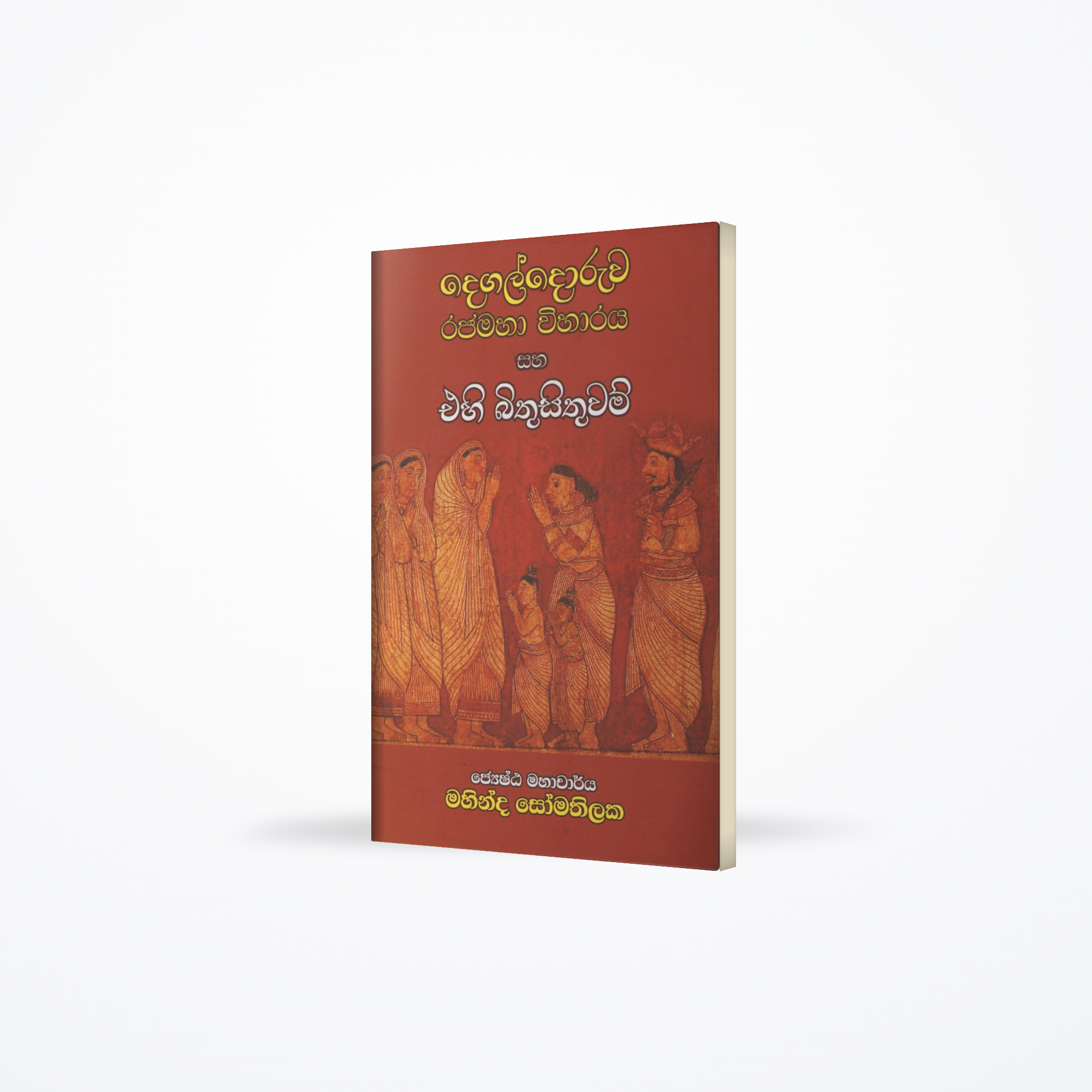
Inside, the main Buddha statue and the murals that line the interior walls follow the Kandyan artistic canon: flat, stylised figures rendered in earthy pigments, depicting scenes from the life of the Buddha and Jataka stories. These paintings remain in reasonable condition and offer a direct visual link to the artistic workshops that also produced the celebrated murals at Kandy's principal temples. Photography inside the image house is typically restricted — confirm with resident monks before visiting.
What is the significance of the Vihara Asna (Nampota)?
One of the more scholarly reasons Medawala Raja Maha Viharaya draws attention is its mention in the Vihara Asna, also known as the Nampota. Composed in Sinhalese during the late Middle Ages or early modern period, this text catalogues 267 principal Buddhist temples across Sri Lanka, of which 75 fall within what is today the Central Province. Medawala is among them — a distinction that places the temple in the first tier of historically recognised religious sites.
The Nampota was not merely a record-keeping exercise. It circulated widely among villagers and was used for educational purposes in the temple schools (daham pasala) that operated during the Kandyan period. That a temple appears in this text signals that it held enough regional standing to be considered worth preserving in the collective memory of its community.
Which monastic chapter does the temple belong to, and why does it matter?
Medawala Raja Maha Viharaya belongs to the Malwatta Chapter of the Siyam Nikaya, the oldest and most politically connected of Sri Lanka's major Theravada Buddhist orders. The Siyam Nikaya was formally established in the 18th century under King Kirthi Sri Rajasingha — the same king credited with rebuilding Medawala — following a delegation to Siam (present-day Thailand) to restore the higher ordination lineage in Sri Lanka. Membership of the Malwatta Chapter therefore places the temple within a network of temples that have historically enjoyed close ties to the Kandyan royal court and the Esala Perahera tradition.
This affiliation also means the temple follows Malwatta's administrative and liturgical protocols, and resident monks are trained within that tradition. Visitors observing any ritual activity should be aware that ceremonies here may follow a specific schedule tied to the Malwatta calendar.
How do I get to Medawala Raja Maha Viharaya from Kandy?
The temple is located in the Medawala area, a short distance from Kandy town. The most practical approach for visitors is by private car or tuk-tuk, as public transport connections to the immediate vicinity are limited. The drive from Kandy city centre typically takes under 30 minutes depending on traffic. If you are already visiting other Kandyan temples — such as Degaldoruwa, which also holds important Kandyan-period murals — Medawala can be combined into the same itinerary without significant detour.
What should visitors know before going?
- Dress modestly: Both men and women should cover shoulders and legs. White clothing is appreciated but not required for lay visitors.
- Remove footwear: Shoes must be removed before entering any shrine building or the main compound.
- Timing: The temple is most active in the early morning and late afternoon, when monks conduct daily rituals. Visiting during these windows offers a more authentic experience of temple life.
- Poya days: On full-moon (Poya) days, the temple draws more worshippers and some areas may be busier or temporarily restricted to lay visitors.
- Donations: There is no formal entry fee. Voluntary donations to the temple fund are the customary way visitors contribute to the upkeep of the site.
What else can I see near Medawala Raja Maha Viharaya?
The broader Kandy district is dense with historically significant sites. The Attanagalla Raja Maha Viharaya offers a comparable experience of an ancient temple with strong community ties. For those interested in Sri Lanka's layered religious landscape, the region around Kandy rewards slow, unhurried exploration — combining temple visits with walks through surrounding paddy fields and hill villages gives a more complete picture of Kandyan culture than any single site can provide on its own.
Nearby places
12 places within about 25 km, nearest first.
- Mahaiyawa Railway Stationunder 1 km
- Embilmeegama Tea Factoryunder 1 km
- Katugastota Railway Stationunder 1 km
- Udawatta Kele Sanctuary2 km
- polgolla reservoir airport2 km
- Bahirawakanda Vihara Buddha Statue2 km
- Asgiri Viharaya - Adahana Maluwa Gedige Viharaya2 km
- Asgiriya Chapter2 km
- Madawala City3 km
- Kandy Falcons (B-Love Kandy)5 km
- Wedamulla falls (Palagolla Falls)5 km
- Pallekele International Cricket Stadium (Kandy)5 km