
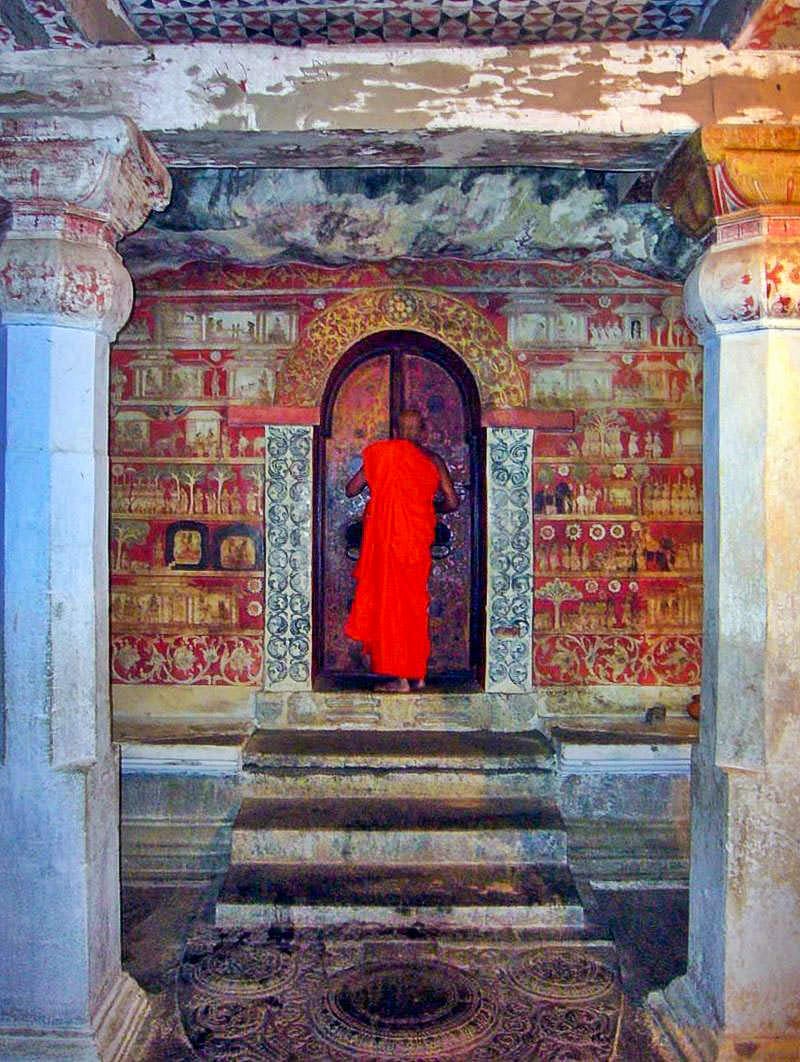
Carved into a 40-foot granite outcrop on the eastern fringes of Kandy, Degaldoruwa Raja Maha Vihara is one of Sri Lanka's most quietly rewarding temple visits. While it draws fewer crowds than the Tooth Relic Temple in the city centre, its interiors — lined with some of the finest surviving Kandyan-era murals in the country — make it a genuine highlight for anyone interested in Sri Lankan Buddhist art and history.
What is the history of Degaldoruwa Raja Maha Vihara?
Construction began in the late 1770s under King Kirti Sri Rajasinha, one of the most culturally active rulers of the Kandyan Kingdom, and was completed during the reign of his brother and successor, Rajadhi Rajasinha. The temple's founding was reportedly triggered by a remarkable piece of folklore that circulated among local villagers and eventually reached the king's court.
According to the legend, a farmer discovered a narrow crevice between two rocks and, venturing inside, found a cave sheltering a pile of golden sickles. Each morning he borrowed one sickle, used it in his fields, and returned it by evening — and his harvests thrived. But on the final day of one harvest season, greed overcame him: he took two sickles and kept one. An unseen guardian, who had tolerated the borrowing because the sickles were always returned, immediately confronted the farmer. The terrified man rushed back and restored the stolen sickle, but the guardian sealed the crevice by fusing the two rocks together. When the king heard the story, he ordered the site to be located and a temple established within the cave.
What does the temple complex look like?
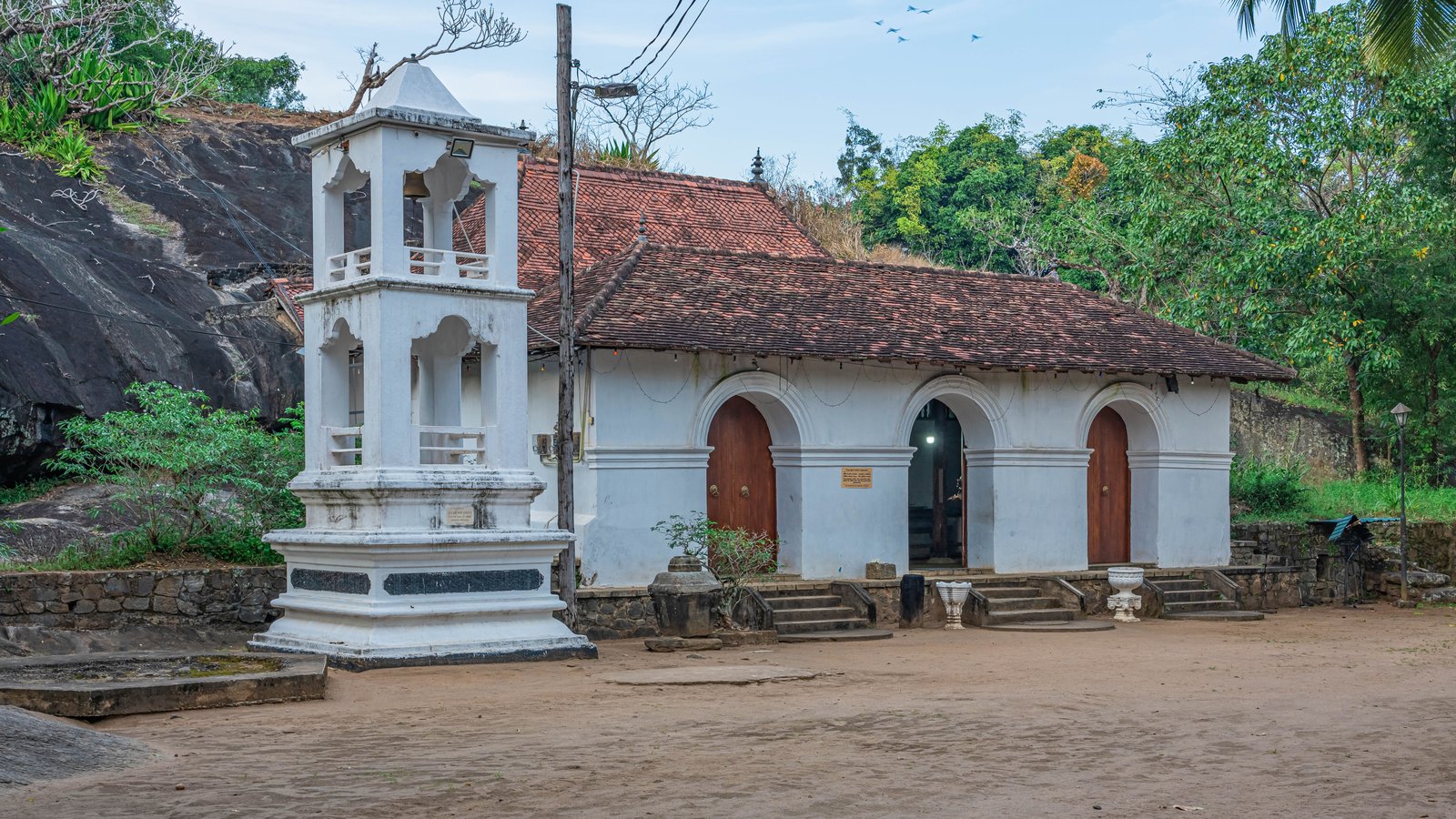
The structure extends a natural rock cave with two roofed antechambers built in front of the outcrop — a drummers' hall and an image house — followed by the main shrine room cut directly into the rock. The antechambers have wooden roofs and are an architectural curiosity: attaching a drummers' hall to the main temple body was unusual for the period.
Visitors pass through a set of aged wooden doors set beneath a carved wooden Dragon Arch to reach the image house. A moonstone marks the threshold, and elaborate paintings cover the walls depicting scenes from four Jataka tales — the stories of the Buddha's previous lives. The door of the inner shrine room is banded with metal and is said to have once been inlaid with jewels; every surface inside, including the door itself, is covered in paintings.
Above the cave complex, accessible by a stairway carved into the rock face, a plateau on the summit holds a stupa and a sacred bo tree, offering a view across the surrounding rural valley.
What makes the frescoes at Degaldoruwa special?
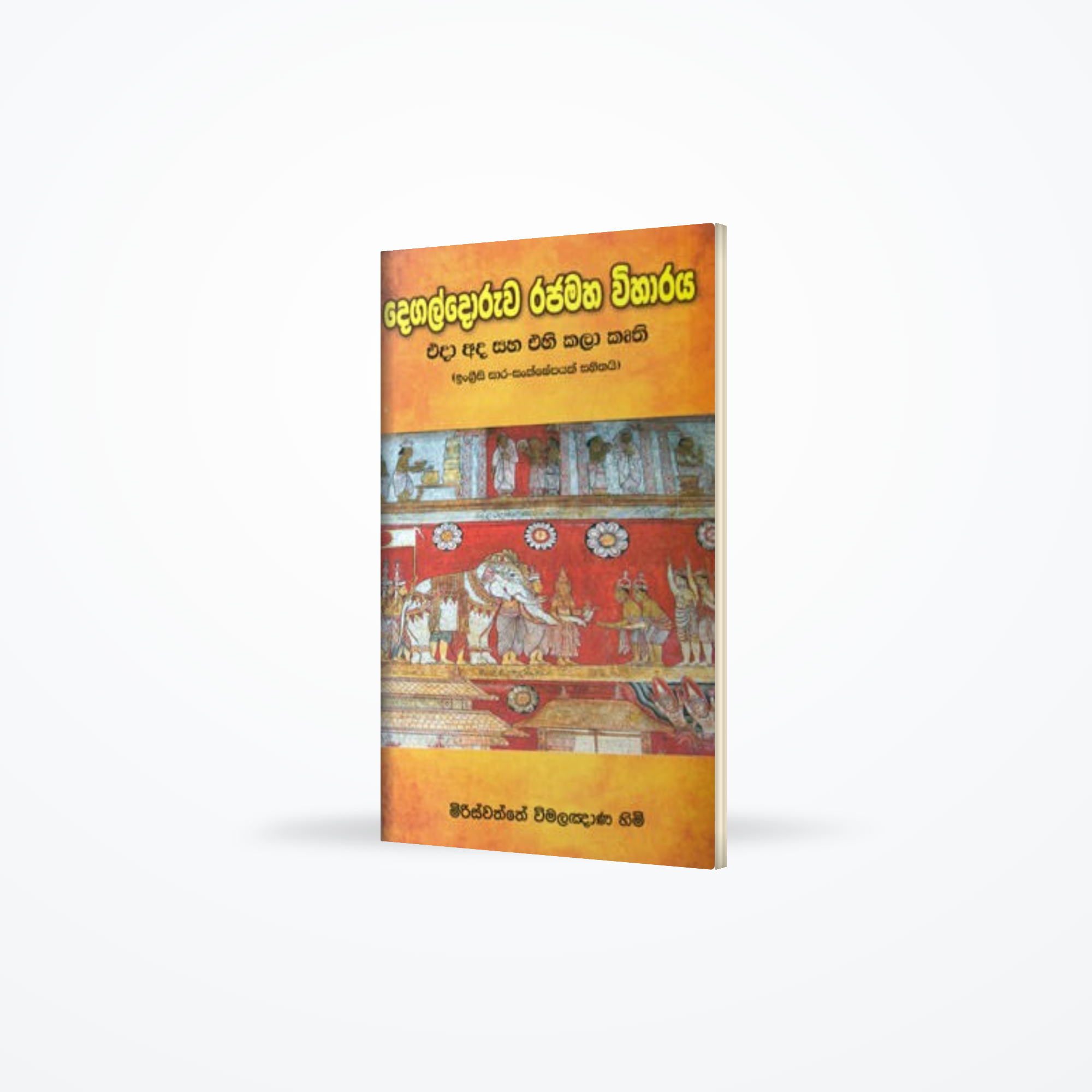
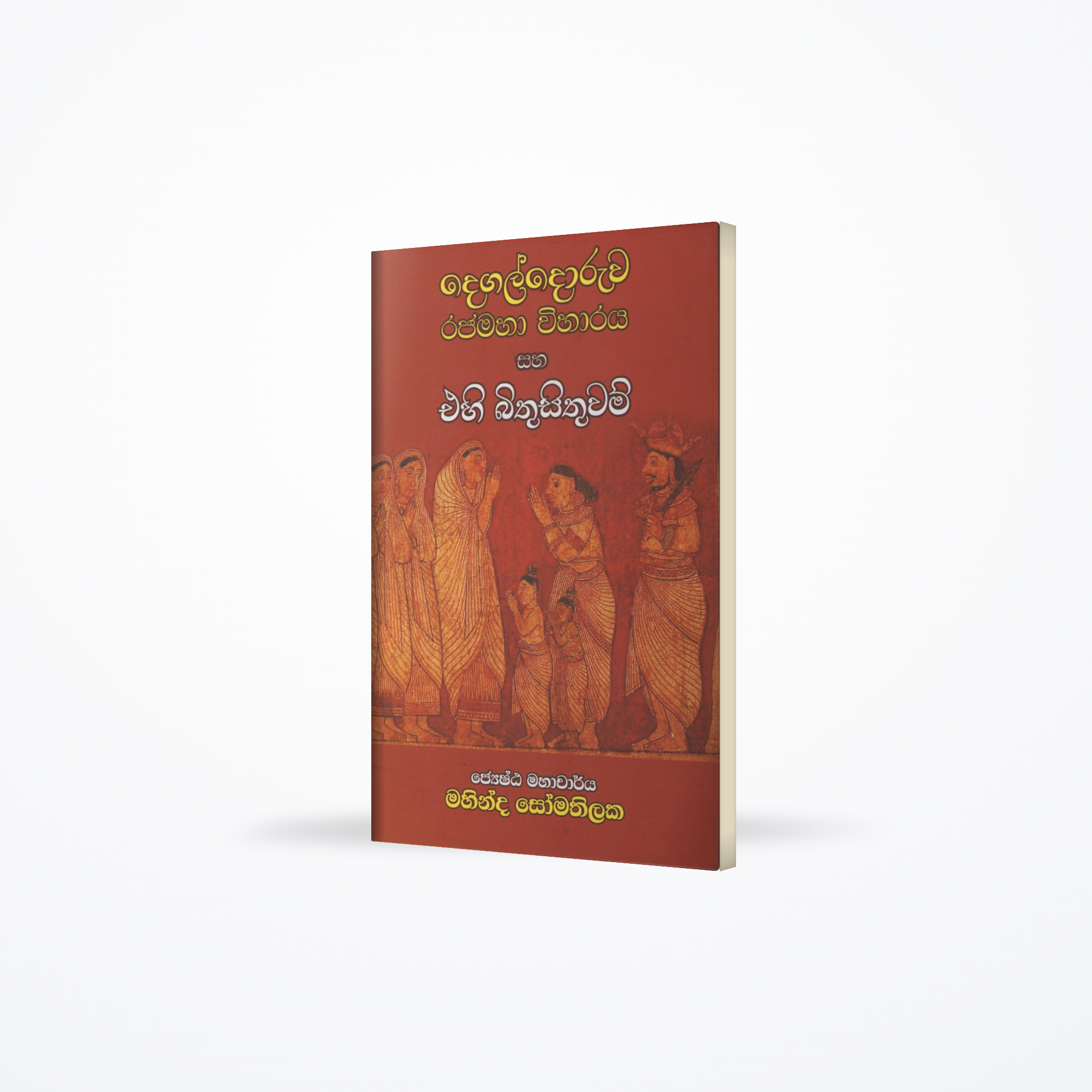
The murals are widely considered among the finest examples of Kandyan-period painting, and are believed to be the collaborative work of four artists known as Sittara — a term used in Sri Lanka for painters of religious murals. The ceiling painting known as Mara Yudde — depicting the Buddha's defeat of the demon Mara — is considered the centrepiece of the collection and demonstrates a level of detail and narrative control that sets Degaldoruwa apart from many contemporaneous temple paintings.
Unlike later colonial-period murals, which sometimes show stylistic influences from South Indian and European painting, the Degaldoruwa frescoes retain a relatively pure Kandyan aesthetic: flat, decorative backgrounds; bold outlines; and intricate patterning in the clothing and architectural elements. The narrative scenes from the Jataka tales read almost like illustrated manuscripts, with individual panels flowing naturally across the curved cave walls.
How does Degaldoruwa compare with other Kandy-area temples?
Kandy's religious landscape is dense with significant sites. The famous Esala Perahera Festival draws international attention to the Sri Dalada Maligawa (Temple of the Tooth), and nearby shrines to the four guardian deities are well-visited. Degaldoruwa is distinct because it is a rock-cave temple — a format more commonly associated with the ancient capitals of Anuradhapura and Polonnaruwa — yet it contains art firmly rooted in the later Kandyan tradition. That combination makes it unusual and, for students of Sri Lankan art history, particularly interesting.
The Kandy city tour typically covers the main lakeside sites; Degaldoruwa is best added as a half-day extension heading east out of the city.
When is the best time to visit Degaldoruwa Raja Maha Vihara?
The temple is set in a valley that remains green year-round, and the interior cave paintings are naturally protected from direct sunlight, so there is no single season that offers dramatically better viewing conditions. The dry months from December to April tend to produce cleaner light in the antechambers, where natural illumination supplements the interior lighting. Visiting on weekday mornings generally means smaller crowds and a quieter atmosphere for examining the paintings.
If you are in Kandy during the Esala Perahera season (typically July or August), the broader cultural atmosphere of the city adds to any temple visit, though Degaldoruwa itself does not hold major public ceremonies at that time.
How do I get to Degaldoruwa from Kandy city?
The temple is located a few kilometres east of central Kandy, in the direction of Teldeniya. It is reachable by tuk-tuk in around 15–20 minutes from the city centre, or by private car in a similar time. The road passes through residential neighbourhoods and small market areas before arriving at the rock outcrop. There is no regular tourist shuttle; arranging a driver for the day is the most practical option for visitors who want to combine Degaldoruwa with other sites in the Kandy area.
What should I know before visiting?
- Dress modestly — shoulders and knees should be covered, as this is an active place of worship.
- Remove footwear before entering the temple precincts.
- Photography of the frescoes may be restricted or require a donation; ask the attending monk or caretaker on arrival.
- The stairway to the summit stupa involves a moderate climb on uneven rock steps — wear appropriate footwear.
- The temple receives relatively few foreign visitors, so the experience tends to be calm and unhurried.
What else is near Degaldoruwa?
The eastern approach to Kandy passes through countryside that rewards slow travel. The Mahaweli River and its surrounding hills offer scenic walking, and several smaller village temples along the road have their own modest paintings and shrines. Visitors with an interest in the colonial-era history of the region may also want to consult the Kandy Tourist Information Center for a fuller picture of heritage sites in the district before planning their itinerary.
Nearby places
12 places within about 25 km, nearest first.