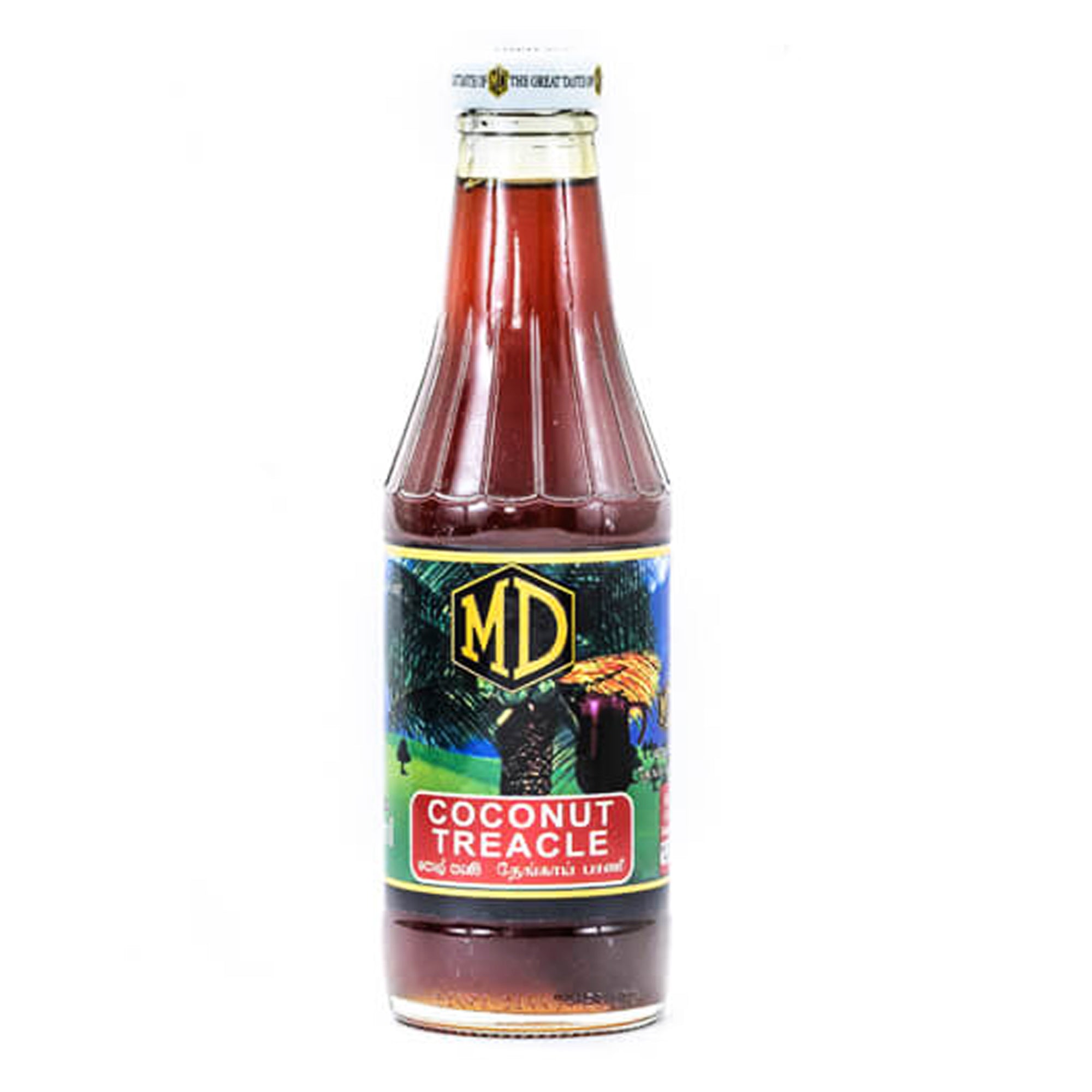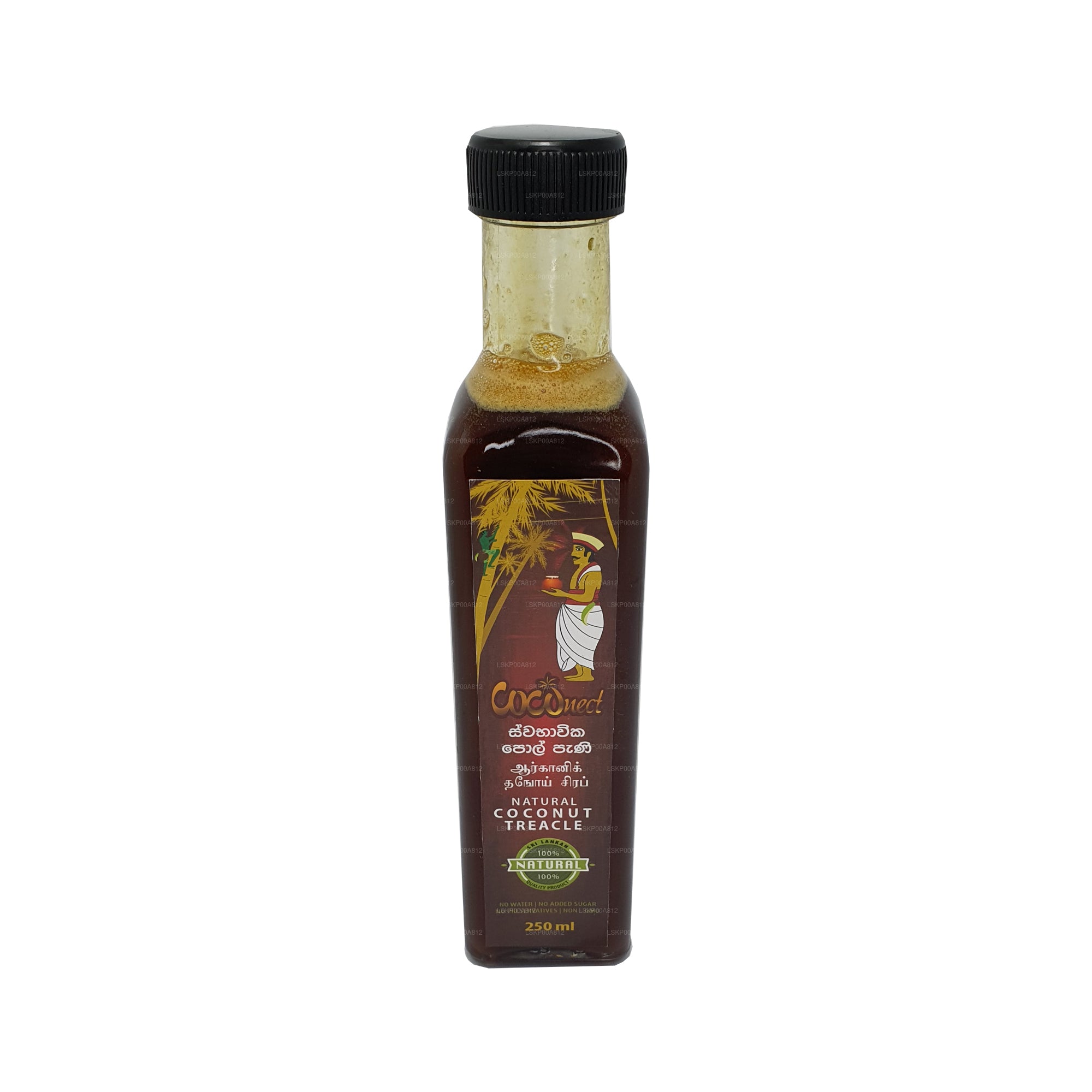


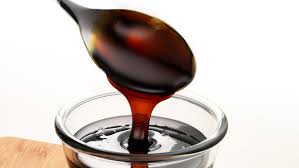
Coconut treacle is one of Sri Lanka's most cherished natural sweeteners, drawn directly from the nectar of coconut blossoms. Unlike refined syrups or processed sweeteners, it is raw and unrefined, containing no additives or preservatives. Produced from organically grown coconut palms across Sri Lanka's coastal and inland regions, this dark, richly flavoured liquid has moved well beyond its traditional roots to gain recognition among health-conscious consumers worldwide.
What exactly is coconut treacle, and how is it made?
Coconut treacle — also known as coconut blossom nectar — is produced by collecting the sap that flows from the cut flower spathes of the coconut palm. Skilled tappers make precise incisions in the unopened flower stalks and allow the sap to drip slowly into clay pots or containers, typically gathering it twice a day. The collected sap is then gently heated to reduce it into the thick, dark syrup that reaches your table.
The process requires patience and traditional knowledge passed down through generations. Because the sap is minimally processed — simply reduced rather than chemically refined — its natural compounds remain largely intact, which accounts for much of its nutritional reputation.
What are the nutritional benefits of coconut treacle?
Coconut treacle is notably rich in essential nutrients for a sweetener. It contains up to 17 amino acids, a range of B vitamins, and key minerals including potassium, zinc, and iron. Its glycemic index is considerably lower than that of refined white sugar or corn syrup, which means it causes a more gradual rise in blood glucose — a property that has made it popular among people managing their sugar intake.
Compared with other plant-based liquid sweeteners such as agave syrup or corn syrup, coconut treacle is generally considered nutritionally superior because it retains micronutrients that are stripped away during heavy refining. That said, it remains a concentrated source of sugars, so moderation is advisable, and anyone with specific dietary conditions should consult a healthcare professional before making it a regular part of their diet.
- Contains naturally occurring amino acids and B vitamins
- Lower glycemic index than refined white sugar or corn syrup
- No artificial additives, colourings, or preservatives
- Suitable for plant-based diets as a honey alternative
- Rich in minerals including potassium and zinc
How does coconut treacle taste, and what does it look like?
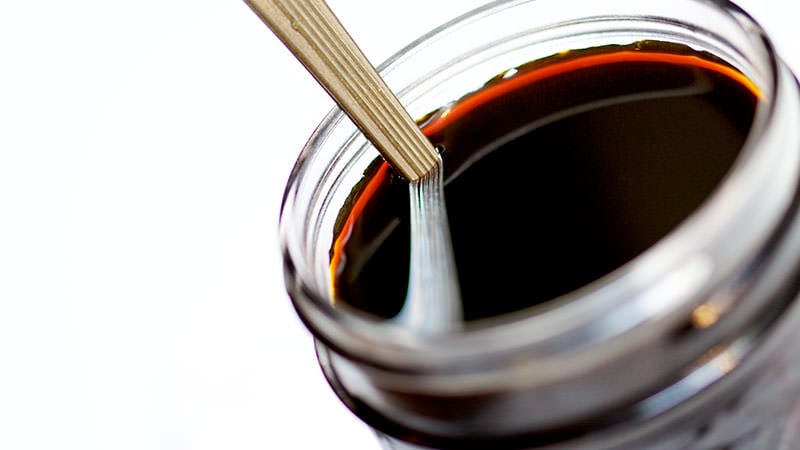
The syrup is a deep, almost mahogany brown with a thick, slow-pouring consistency — somewhere between molasses and maple syrup in texture. The flavour is sweet but complex, carrying a gentle bitterness that prevents it from being cloying. Notes of caramel and a faint earthiness emerge, reflecting the origin in fresh coconut sap. The depth of flavour varies slightly depending on how long the sap is reduced and the variety of coconut palms used.
How is coconut treacle used in Sri Lankan cooking?
In Sri Lanka, the most traditional pairing is coconut treacle drizzled generously over buffalo curd — known locally as meekiri. This combination is served as a post-lunch or post-dinner dessert across homes and roadside eateries throughout the country, and it remains one of the clearest expressions of Sri Lankan everyday food culture. A visit to traditional Sri Lankan snacks reveals how sweeteners like coconut treacle weave through the island's culinary identity.
Beyond curd, coconut treacle works as a versatile kitchen ingredient. Common uses include:
- Drizzled over pancakes, waffles, and hoppers
- Stirred into porridge, cereals, or overnight oats
- Used as a filling or glaze in cakes, tarts, and pies
- Blended into smoothies or dessert drinks
- Layered over vanilla ice cream or yogurt for a quick dessert
- As a natural substitute for honey or maple syrup in baking recipes
Across other parts of Asia, coconut treacle (or equivalent saps) plays a similar role in traditional sweets, confirming that this style of sweetener has deep roots in tropical culinary traditions far broader than Sri Lanka alone.
How does coconut treacle compare with other natural sweeteners?
| Sweetener | Source | Glycemic Index (approx.) | Refining Level |
|---|---|---|---|
| Coconut Treacle | Coconut blossom sap | ~35–40 | Minimal |
| Honey | Flower nectar (via bees) | ~50–60 | Minimal |
| Maple Syrup | Maple tree sap | ~54 | Moderate |
| Agave Syrup | Agave plant | ~15–30 | High |
| Corn Syrup | Maize starch | ~70–75 | High |
Note that glycemic index figures for natural syrups can vary depending on production method and source. The figures above are approximate and widely cited in nutritional literature. Agave syrup has a low GI but is very high in fructose, which carries its own metabolic considerations — making coconut treacle a more balanced option for many people.
Where is coconut treacle produced in Sri Lanka?
Sri Lanka's coconut-growing belt runs through the North Western, Western, and Southern provinces, where the climate and soils suit the coconut palm's growth cycle well. Smaller artisan producers also operate in coastal areas further south, often using traditional clay-pot tapping methods that have changed little over centuries. The kitul tapping tradition, which produces a similar syrup from the kitul palm, runs parallel to coconut treacle production and reflects a wider Sri Lankan heritage of harvesting tree sap sustainably.
Organic-certified coconut treacle is increasingly sought after in export markets, and several Sri Lankan brands now supply it to health food retailers across Europe, Australia, and North America.
How should coconut treacle be stored?
Once opened, coconut treacle should be stored in a cool, dry place away from direct sunlight. Refrigeration after opening helps preserve its flavour and extend its shelf life. Because it is free of artificial preservatives, it is more sensitive to warm or humid storage conditions than processed syrups — a natural consequence of keeping it unrefined. Always check the producer's guidance on the individual jar or bottle you purchase.