



Coconut Point is one of those surf breaks that rewards patience and local knowledge in equal measure. A classic A-frame point break, it delivers powerful, peeling lefts and rights with rides that can stretch up to 400 metres — long enough to properly work a section and still have energy left for another set. It is not a beginner wave, but intermediate and experienced surfers who time it right will find it genuinely satisfying.
What kind of wave does Coconut Point produce?
The break is an A-frame, meaning both left and right shoulders peel away from the peak simultaneously. The lefts tend to get more attention, but the rights can hold shape on the right swell. The wave has real power — it is a reef-based break — so hollow sections are common, and wipeouts demand respect. The 400-metre potential ride length is the headline statistic, but you will only see that distance on a clean, mid-to-large swell with offshore winds.
Entry is flexible. You can paddle out from the sandy section on the right, or use the reef entry point when the tide is cooperative. If it is your first time, it is worth pausing on the beach to read the current before committing to either route.
When is the best time to surf Coconut Point?
Coconut Point works best at high tide, which in practical terms means the best sessions typically align with sunrise and sunset. Those windows also bring the softest light and, often, the lightest winds — a welcome combination for a reef break that can be unforgiving when conditions are choppy.
The southwest monsoon (roughly May to October) drives the most consistent swell to the southwest-facing coastline of Sri Lanka. The shoulder months — April and October — can produce excellent conditions with lighter crowds. The northeast monsoon season (November to March) generally flattens the southwest coast, making that the preferred time for the island's east-coast breaks instead.
How do I get to Coconut Point from Colombo?
Coconut Point sits on Sri Lanka's southwest coast, accessible from Colombo via the Southern Expressway or the coastal road through Negombo and Chilaw. Journey times vary significantly depending on traffic and your specific starting point, so an early departure is advisable if you want to catch the morning high-tide session. A private driver familiar with the coastal roads is the most convenient option for travelling with boards and gear.
What should I know before paddling out?
The reef beneath Coconut Point is the main safety consideration. Board shorts and a rash vest are minimum — reef booties are worth considering for anyone prone to foot injuries. Check the following before entering the water:
- Tide state: Aim for high tide. At low tide the reef is shallow and the wave loses its shape.
- Swell direction and size: The break handles a range of swell sizes but becomes significantly more demanding as size increases. Know your limits.
- Current: Reef breaks create lateral and rip currents. Identify your exit path before paddling out.
- Entry and exit: Use the sandy right-hand entry when in doubt, particularly if the reef entry looks complicated on the day.
There is usually a friendly local surfer in the line-up or on the beach who can advise on the best entry and exit for that particular session. Do not be shy about asking — surf communities at smaller Sri Lankan breaks are generally welcoming to respectful visitors.
Is Coconut Point suitable for beginner surfers?
In short, no. The combination of a live reef, a powerful wave, and a fast-peeling face makes Coconut Point unsuitable for anyone still learning to stand up reliably. Beginners are better served by the sandy-bottom beach breaks found further along the southwest coast, where wipeouts are far more forgiving. Intermediate surfers comfortable on overhead surf and familiar with reef etiquette will find Coconut Point a genuine step up in quality.
What else is there to do near Coconut Point?
The southwest coast packs in a remarkable range of experiences beyond the water. The Madu River Safari through the mangrove channels of Madu Ganga is a popular half-day excursion, easily combined with a morning surf session. The Kosgoda Sea Turtle Conservation Project is a short drive south and offers an educational close-up look at Sri Lanka's sea turtle protection efforts. Further south still, Galle rewards an afternoon or full day with its Portuguese and Dutch colonial architecture, independent boutiques, and excellent restaurants within the fort walls.
For surfers interested in the broader coastal ecosystem, the Sri Lanka coastline is also notable for its deep-sea fishing opportunities, with blue and black marlin, yellowfin tuna, and dorado all found offshore depending on the season.
Surf etiquette and environmental responsibility
Coconut Point is a shared resource. Standard surf etiquette applies: respect the right of way, do not drop in on other riders, and give local surfers their due priority in the line-up. Beyond water etiquette, please leave the beach and surrounding reef in the condition you found it. Single-use plastics are a persistent problem on Sri Lankan beaches; carry your waste out with you.
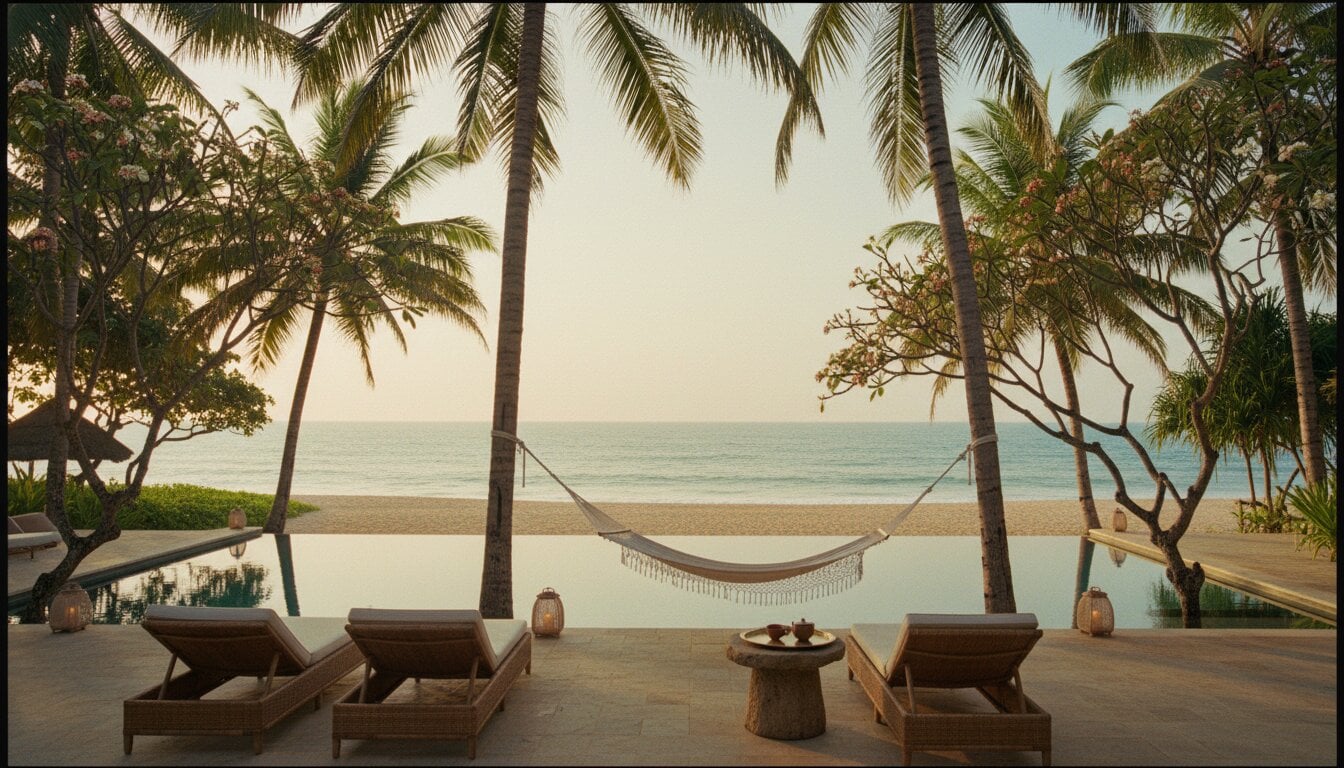
The coconut palms that give the break its name are a reminder that this is also a working coastal landscape. The coconut palm has shaped Sri Lankan culture, cuisine, and commerce for centuries — the trees you see lining the shore here are not simply scenic backdrops.
Nearby places
12 places within about 25 km, nearest first.
- Kalpitiya Fortunder 1 km
- Kalpitiya Beachunder 1 km
- Kalpitiya City1 km
- Dolphins2 km
- Manavari Kovil2 km
- Bar Tours2 km
- Ullackalie Lagoon2 km
- Baththalangunduwa7 km
- Aruwakkalu Archaeological Reserve8 km
- Alankuda Beach9 km
- St. Anne's Reef13 km
- Bar Reef15 km
Related reading
9 pages on closely related subjects.