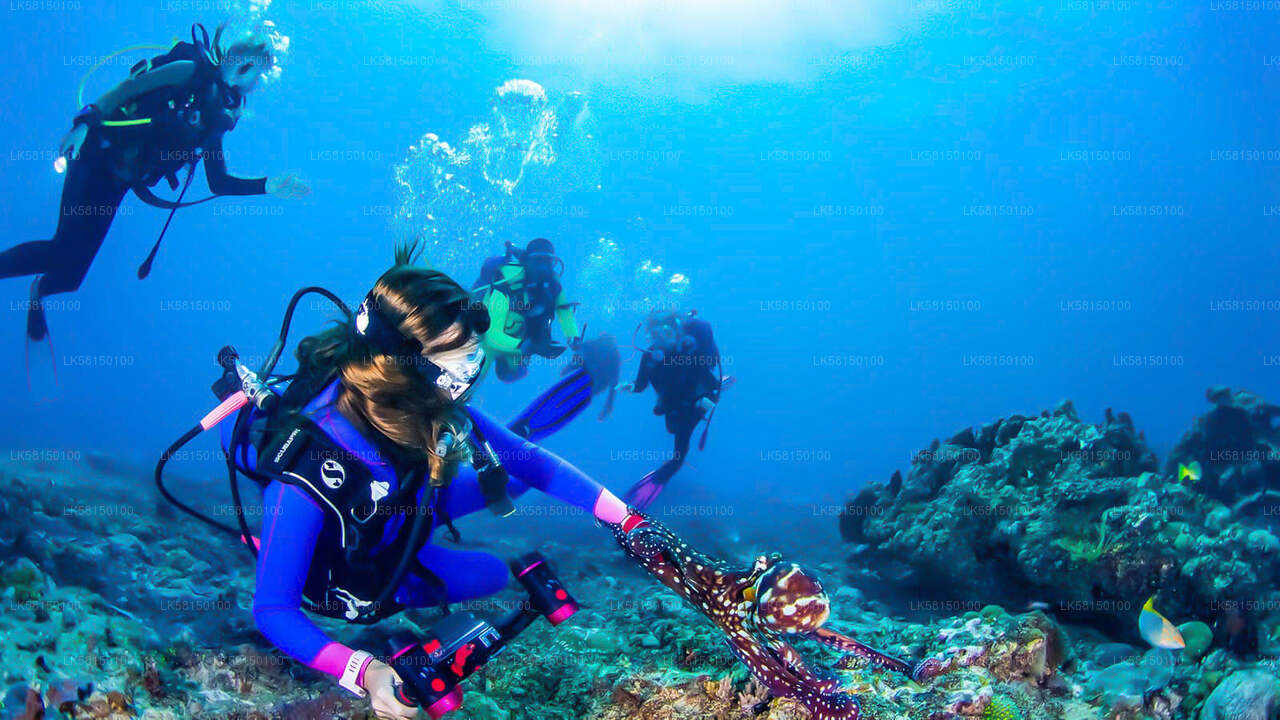


St. Anne's Reef lies off the Kalpitiya Peninsula in Sri Lanka's North Western Province, forming one of the most ecologically significant coral systems in the Indian Ocean. It sits within the Bar Reef Marine Sanctuary — the country's largest marine protected area — and attracts divers, snorkelers, and marine researchers drawn by its diversity of coral formations and reef life. The reef sits in relatively shallow waters, which keeps it accessible without specialist deep-water training, while still offering the layered complexity that experienced divers appreciate.
What marine life can you see at St. Anne's Reef?
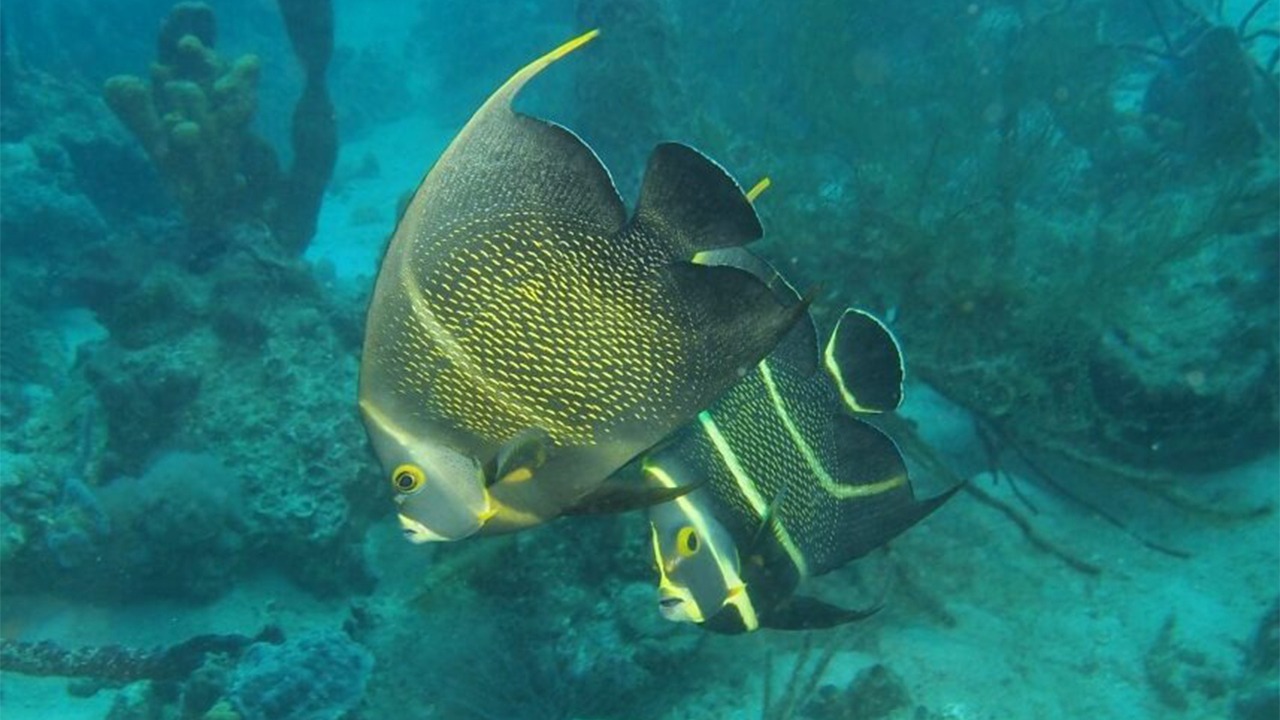
The reef supports a wide array of coral growth forms: branching, massive, and plate corals interspersed to create a mosaic of micro-habitats. These structures shelter and feed a long list of fish species — parrotfish, butterflyfish, groupers, snappers, and surgeonfish are reliably sighted on most dives. Look closer and you will find sea cucumbers and starfish working across the substrate. Sea turtles, particularly green and hawksbill, pass through the reef regularly and occasionally rest on its flatter sections.
The reef's position within a protected sanctuary means fishing pressure is lower than on unprotected reefs nearby, which has a direct positive effect on the size and density of fish populations. Visibility varies with season but tends to be clearest between November and April.
Where exactly is St. Anne's Reef, and how do you get there?
The reef is reached by boat from Kalpitiya, a narrow peninsula about 120 km north of Colombo. The transfer from Kalpitiya town to the dive site takes roughly 30 to 45 minutes by speed boat, depending on sea conditions. Most dive and snorkel operators base themselves at or near Kalpitiya lagoon.
Getting to Kalpitiya from Colombo takes around 2.5 to 3 hours by road, passing through Negombo and Chilaw. There is no direct rail connection to Kalpitiya, so a private vehicle or taxi is the most practical option. The nearby town of Iranawila serves as an alternative access point along the same coastal stretch, and visitors can also combine a reef trip with activities at Wilpattu National Park, which lies a short drive inland.
When is the best time to snorkel or dive at St. Anne's Reef?
The reef is most accessible from November through April, when the northeast monsoon brings calm seas to the northwestern coast. Water clarity is typically at its best in this window, with visibility that can reach 15 metres or more on good days. The southwest monsoon season (May to September) brings rougher conditions and strong swells to this side of the island, making boat trips to the reef inadvisable and sometimes impossible.
Sea surface temperatures in the area generally range between 27°C and 30°C year-round, so a thin wetsuit or rash guard is comfortable rather than strictly necessary. Mornings tend to offer calmer conditions than afternoons.
What is Bar Reef Marine Sanctuary, and how does it protect St. Anne's Reef?
Bar Reef Marine Sanctuary was gazetted by the Sri Lankan government to protect the chain of reef systems off Kalpitiya, of which St. Anne's Reef is one of the most visited sections. The sanctuary designation places restrictions on harmful activities including blast fishing, coral mining, and unregulated anchoring — all of which caused measurable damage to the reef before protections were in place.
The Department of Wildlife Conservation manages the sanctuary and works with local fishing communities on sustainable practice guidelines. According to the IUCN, Bar Reef is among Sri Lanka's most biodiverse coastal marine areas. The marine sanctuary framework does not prohibit tourism; it channels it, requiring operators to follow responsible snorkeling and diving protocols that protect coral from physical contact and anchor damage.
What environmental pressures does St. Anne's Reef face?
St. Anne's Reef has not been immune to the pressures affecting coral reefs worldwide. Coral bleaching events tied to elevated sea temperatures have affected portions of the reef during warmer years, and recovery is slow — branching corals in particular can take many years to regrow after a bleaching episode. Sedimentation from coastal development along the Kalpitiya peninsula introduces turbidity that reduces the light available to photosynthesising corals.
Earlier decades saw localised coral mining for construction material, a practice now prohibited within the sanctuary. Community awareness programmes run by conservation groups and tourism operators have helped shift local attitudes, and there is genuine buy-in from Kalpitiya's fishing communities, whose livelihoods depend on the reef remaining productive. Responsible tourism — keeping buoyancy controlled, never touching coral, and using reef-safe sunscreen — makes a tangible difference at a site of this scale.
What else can you do in Kalpitiya besides reef snorkeling?
Kalpitiya has developed into one of Sri Lanka's more diverse coastal destinations. The lagoon between the peninsula and the mainland is internationally recognised for kite surfing, with consistent winds from May to October making it one of the better kite spots in South Asia. Dolphin watching excursions run from Kalpitiya during the season, with large spinner dolphin pods regularly encountered in the channels west of the peninsula.
Reef fishing is popular for those who want a different relationship with the marine environment, and a half-day on the water can combine light fishing with time spent drifting over shallower coral patches. The peninsula's Dutch colonial history left a scattering of small forts and churches, including St. Anne's Church at Talawila, which draws tens of thousands of pilgrims annually. For travellers combining a Kalpitiya trip with the cultural north, the ancient city of Polonnaruwa lies a few hours to the east across the North Central Plain.
Is St. Anne's Reef suitable for beginner snorkelers?
The reef's shallow sections — some rising to within a metre or two of the surface — make it genuinely accessible for confident swimmers without diving experience. A snorkel mask and fins are sufficient to observe coral formations and reef fish from the surface. However, open-water conditions can change, and even experienced swimmers should go out with a licensed operator rather than attempting to reach the reef independently by boat.
Organised snorkel trips typically include a briefing on reef etiquette, flotation equipment, and a guide in the water. Children who are comfortable swimmers can usually participate, though this is best confirmed with the operator at booking since minimum age requirements vary.
Nearby places
8 places within about 25 km, nearest first.
- Baththalangunduwa5 km
- Bar Reef8 km
- Ullackalie Lagoon10 km
- Alankuda Beach11 km
- Manavari Kovil12 km
- Coconut Point13 km
- Kalpitiya Fort13 km
- Kalpitiya Beach13 km
Related reading
4 pages on closely related subjects.