Coconut toddy — known locally as pol ra — is one of Sri Lanka's oldest and most distinctive traditional beverages. Drawn directly from the sap of the coconut flower, it sits somewhere between a fresh juice and a lightly fermented wine: mildly sweet, faintly aromatic, and nothing like the hard spirits most travellers expect when they hear the word "liquor." For many visitors travelling south from Colombo, spotting a toddy tapper moving along a rope strung between palm trees is one of those quietly unforgettable roadside moments that no guidebook quite prepares you for.
What exactly is coconut toddy?
Sri Lanka produces three main varieties of toddy, each named for the plant that yields the sap. Pol ra comes from the coconut palm, thal ra from the palmyra palm, and kithul ra from the kithul palm — a process you can learn more about by exploring kitul tapping. Of these, coconut toddy is the most widely produced and most commonly encountered along the western and southern coasts.
Fresh toddy is low in alcohol and naturally high in sugars and B vitamins. Within two hours of collection it begins to ferment through contact with wild yeasts in the air and residual yeast left in the clay or gourd collecting pot. Left for around half a day, it becomes a lightly sparkling, pleasantly sour drink with mild intoxicating effect. Fermented for a full day or more, it yields a stronger version that local connoisseurs often prefer. Distilled further, toddy becomes arrack — the nationally produced spirit that is quite a different product altogether.
How is coconut toddy tapped?
The collection process begins the evening before the toddy reaches the table. The tapper first "beats" the selected coconut flower spadix — pressing and massaging it firmly — over three consecutive days to encourage sap flow. On the fourth visit, the tip of the flower cluster is cut cleanly, and a clay pot called a labu katey is tied beneath the cut end to catch the dripping sap overnight.
What makes this process visually compelling is the route the tapper takes between trees. Rather than climbing each trunk individually, experienced tappers string a pair of ropes — known as athura — high between adjacent palms, sometimes six metres or more off the ground. The tapper walks along the lower rope while gripping the upper one, moving from tree to tree to collect and replace pots with practiced efficiency. A single misstep can be fatal, and worn ropes, slick bark after rain, and sudden coastal winds all add to the risk.
Tappers typically complete their rounds twice a day — early morning and late afternoon — to catch the sap at its freshest before fermentation advances too far in the heat.
Where can you see toddy tapping in Sri Lanka?
The western coastal belt between Colombo and the Kalutara district is the heartland of coconut toddy production. Driving south from the city, roadside toddy shops begin appearing around Wadduwa, and the practice is particularly visible in the villages of Maggona, Payagala, and Beruwala, continuing through to Aluthgama. Early mornings — roughly between 6 and 9 a.m. — offer the best chance of watching a tapper at work, silhouetted against the sky between the palms.
Toddy shops (ra kadé) line the road in these areas and are straightforward, no-frills establishments. Fresh pol ra is usually served in a clay cup and is inexpensive. Some shops also serve short-eats alongside, making for an authentic local breakfast stop.
Is toddy tapping disappearing?
Unfortunately, the answer is largely yes. Toddy tapping is physically demanding, carries genuine safety risks, and the income it generates has not kept pace with other opportunities available to younger coastal residents. Many experienced tappers are in their fifties or older, and families that have practised the trade for generations are finding fewer sons willing to continue. The tapper traditionally worships the tree before each climb — a ritual acknowledgement of both the plant's generosity and the inherent danger of the ascent — and these small ceremonies carry a dignity that practitioners feel is worth preserving.
Cultural observers and food historians have begun documenting the craft before it fades entirely, and a handful of community tourism initiatives invite visitors to witness — though not attempt — the process close up.
What does coconut toddy taste like?
Fresh toddy collected within the first hour or two of dawn is almost non-alcoholic. It tastes sweet and slightly floral, with a faint effervescence from early fermentation. As the day progresses and fermentation advances, the sweetness reduces, a pleasant tartness develops, and the drink takes on a yeasty depth. By mid-afternoon the same batch can taste markedly different from what was collected at sunrise.
Visitors who enjoy natural wines, kombucha, or lightly fermented drinks generally find fresh toddy approachable. Those who expect something closer to beer or spirits are often surprised by how gentle it is.
Are there other coconut products worth trying in Sri Lanka?
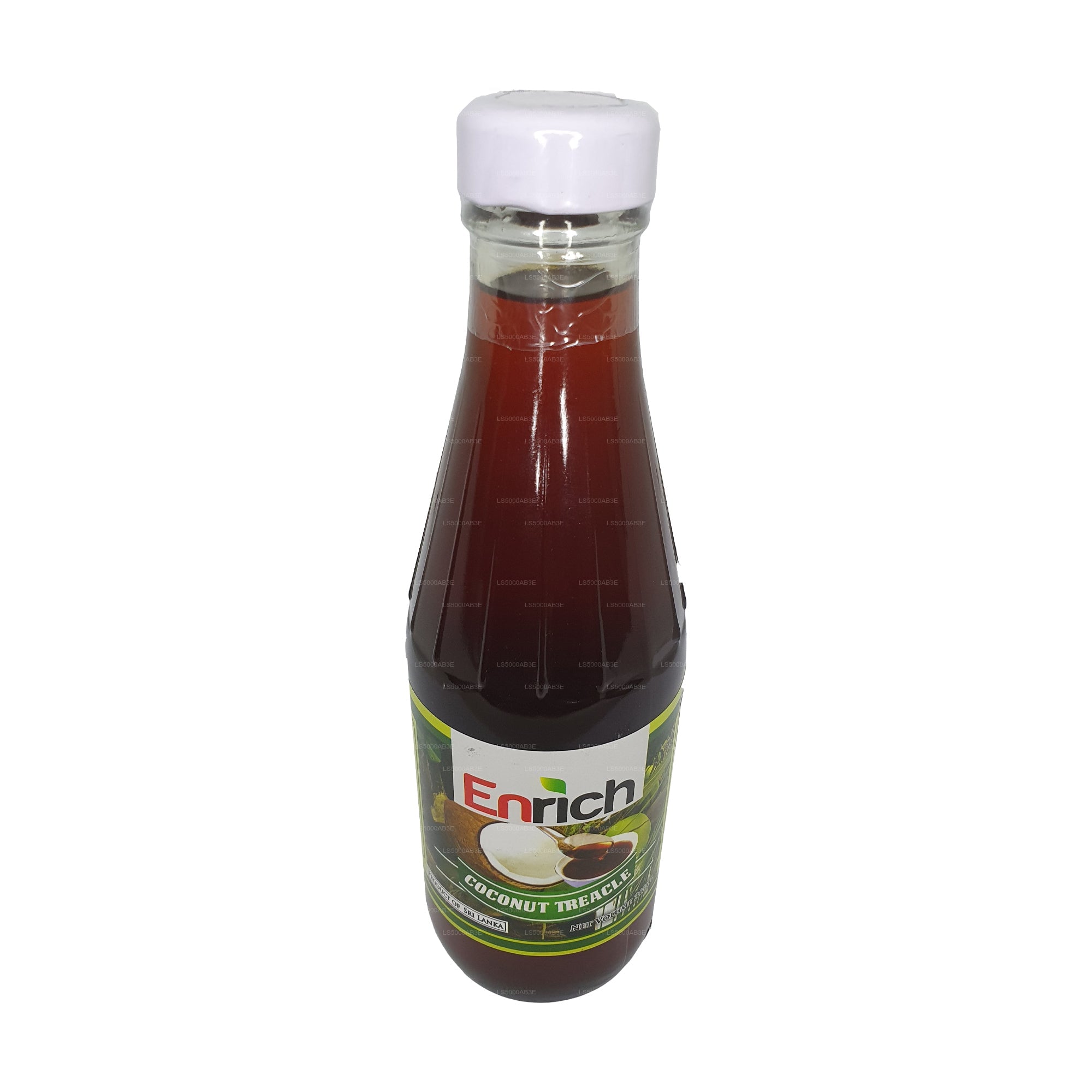
The coconut palm is genuinely central to Sri Lankan food culture far beyond toddy. Coconut milk is the backbone of most curries; coconut treacle (a dark, molasses-like syrup tapped separately from the flower) is drizzled over curd and eaten as a dessert; coconut sambol is served at nearly every table. The island's coconut-growing districts produce a range of artisan goods — oils, vinegars, flours, and confectionery — that are worth exploring if the tree's versatility interests you.
Sri Lanka's snack culture also draws on coconut heavily. Kokis, a crisp fried festive treat made partly with coconut milk, is one well-known example of how deeply the palm is woven into everyday cooking and celebration.
Tips for visiting a toddy shop
- Go early — fresh toddy is at its sweetest and mildest in the first few hours after collection.
- Look for shops with visible clay pots and a local clientele rather than tourist-facing signage; these tend to serve genuinely fresh product.
- If you want to watch tapping itself, ask at your guesthouse the evening before — a brief arrangement with a local tapper is usually possible for a small fee.
- Toddy is perishable and cannot be taken on long journeys without refrigeration; drink it where you buy it.
- Drivers and guides from the area can often point you to family-run shops that have been operating for decades — a much richer experience than a roadside tourist stop.
Related reading
10 pages on closely related subjects.