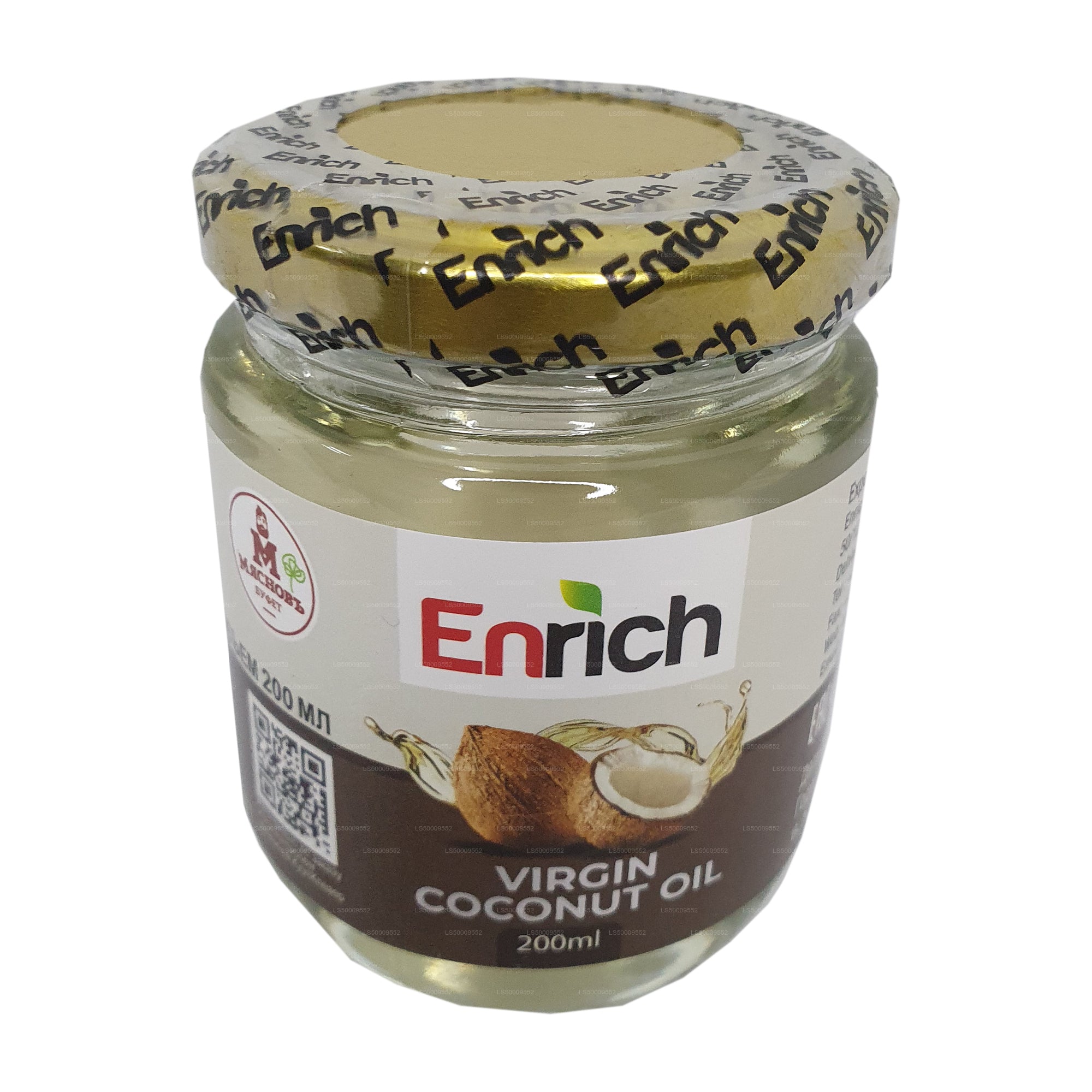
Organic creamed coconut is one of Sri Lanka's most versatile pantry ingredients — a dense, solid block or paste produced by pressing the dried flesh of mature coconuts grown in the island's tropical lowlands. Unlike coconut cream or coconut milk, which are water-diluted liquids, creamed coconut is concentrated and nearly pure, carrying an intense, naturally sweet aroma and a rich, nutty depth that dairy products cannot replicate.
How is creamed coconut made?
The process begins with mature coconuts harvested from organically managed palms — Sri Lanka's Cocos nucifera groves supply most of the island's commercial coconut products. The fresh kernel is shelled, finely desiccated, and then cold-pressed or ground at high pressure until the natural oils and solids fuse into a smooth, butter-like mass. No additives, sweeteners, or preservatives are introduced in certified organic varieties. Once cooled, the product sets firm at room temperature and softens quickly when warmed, making it easy to measure and incorporate into recipes.
What is the nutritional profile of creamed coconut?
Creamed coconut is energy-dense, drawing most of its calories from medium-chain fatty acids (MCFAs) — a type of fat that the body metabolises differently from long-chain fats found in most vegetable oils. It also contributes meaningful amounts of dietary fibre, potassium, and plant-based protein in a single serving. Because it contains no lactose, cholesterol from animal sources, or refined sugars, it fits naturally into several popular eating patterns:
- Vegan and plant-based diets — a direct substitute for butter, ghee, and dairy cream
- Ketogenic diets — high fat content with minimal net carbohydrates
- Paleo diets — whole-food ingredient with no industrial processing
- Dairy-free and lactose-intolerant eating — completely free of milk solids
How does creamed coconut differ from coconut milk and coconut cream?
The three products come from the same source but behave very differently in the kitchen. The table below summarises the key distinctions:
| Product | Form | Fat content (approx.) | Water content | Best use |
|---|---|---|---|---|
| Creamed coconut | Solid block or paste | High (~65–70%) | Very low | Baking, thickening, confectionery |
| Coconut cream | Thick liquid (canned) | Medium (~20–25%) | Moderate | Curries, desserts, smoothies |
| Coconut milk | Thin liquid (canned or fresh) | Low (~5–15%) | High | Soups, rice, beverages |
Because creamed coconut is concentrated, a small quantity dissolved in hot water can produce a close equivalent to coconut cream, making it a practical store-cupboard ingredient when fresh or canned options are unavailable.
What can you cook with creamed coconut?
Creamed coconut performs across a wide range of culinary applications. In Sri Lankan kitchens, coconut in its various forms is central to everyday cooking — from breakfast dishes to elaborate celebratory meals. Creamed coconut fits into this tradition while also translating effortlessly into international cuisines:
- Curries and gravies — stir a portion into the sauce base to add body and round out spice heat
- Soups — melt into broth for a dairy-free creaminess without the tang of yogurt
- Baked goods — substitute for butter in cakes, biscuits, and energy bars; imparts a mild tropical note
- Confectionery — blends with cocoa, dried fruit, and nuts for coconut fudge or raw chocolate truffles
- Smoothies and drinks — a tablespoon adds richness and staying power to fruit blends
- Sauces and marinades — pairs particularly well with Ceylon black pepper, turmeric, and fresh ginger
- Dairy substitutes — used in place of yogurt or curd in dips, dressings, and fermented-style preparations
How should creamed coconut be stored?
Store unopened creamed coconut in a cool, dry place away from direct sunlight. In warm climates — or during Sri Lanka's hot season — the product may partially liquefy in the packet, which is entirely normal and does not affect quality. Once opened, transfer any unused portion to an airtight container and refrigerate; it will keep for several weeks. Do not freeze repeatedly, as this can cause the solids and oils to separate unevenly.
When a recipe calls for a specific volume, cut the required amount from the block and melt it gently in a bain-marie or microwave in short bursts before measuring. Avoid high direct heat, which can scorch the sugars and alter the flavour.
Why does organic certification matter for creamed coconut?
Organic certification confirms that the coconut palms were cultivated without synthetic pesticides, herbicides, or chemical fertilisers — practices that are both ecologically sound and beneficial for the end consumer. Sri Lanka has a long tradition of small-holder coconut cultivation, and many estates in the North-Western Province operate under organic or transitional-organic regimes. Certified organic creamed coconut also avoids solvent extraction methods sometimes used in lower-cost processing, ensuring that only the coconut's own oils and fibres make it into the final product.
Is creamed coconut a good choice for people with nut allergies?
Botanically, the coconut is classified as a tree nut by some food-safety regulators, including the United States FDA, even though it is technically the seed of a drupe fruit. People with tree-nut allergies should consult their physician or allergist before introducing creamed coconut into their diet, as cross-reactivity varies considerably between individuals. Those with allergies only to ground nuts (peanuts) generally tolerate coconut products without difficulty, but professional medical advice should always guide these decisions.
Related reading
5 pages on closely related subjects.