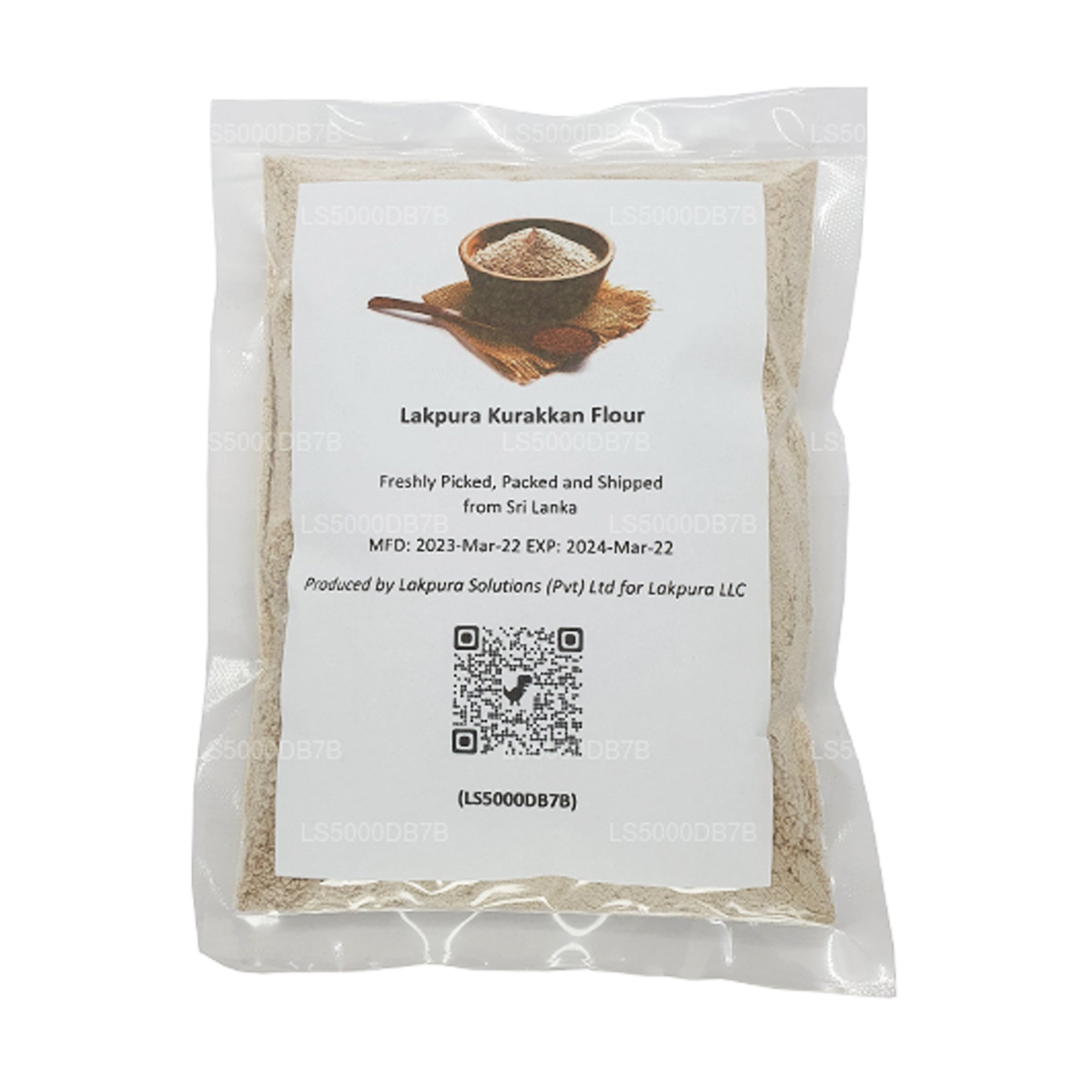
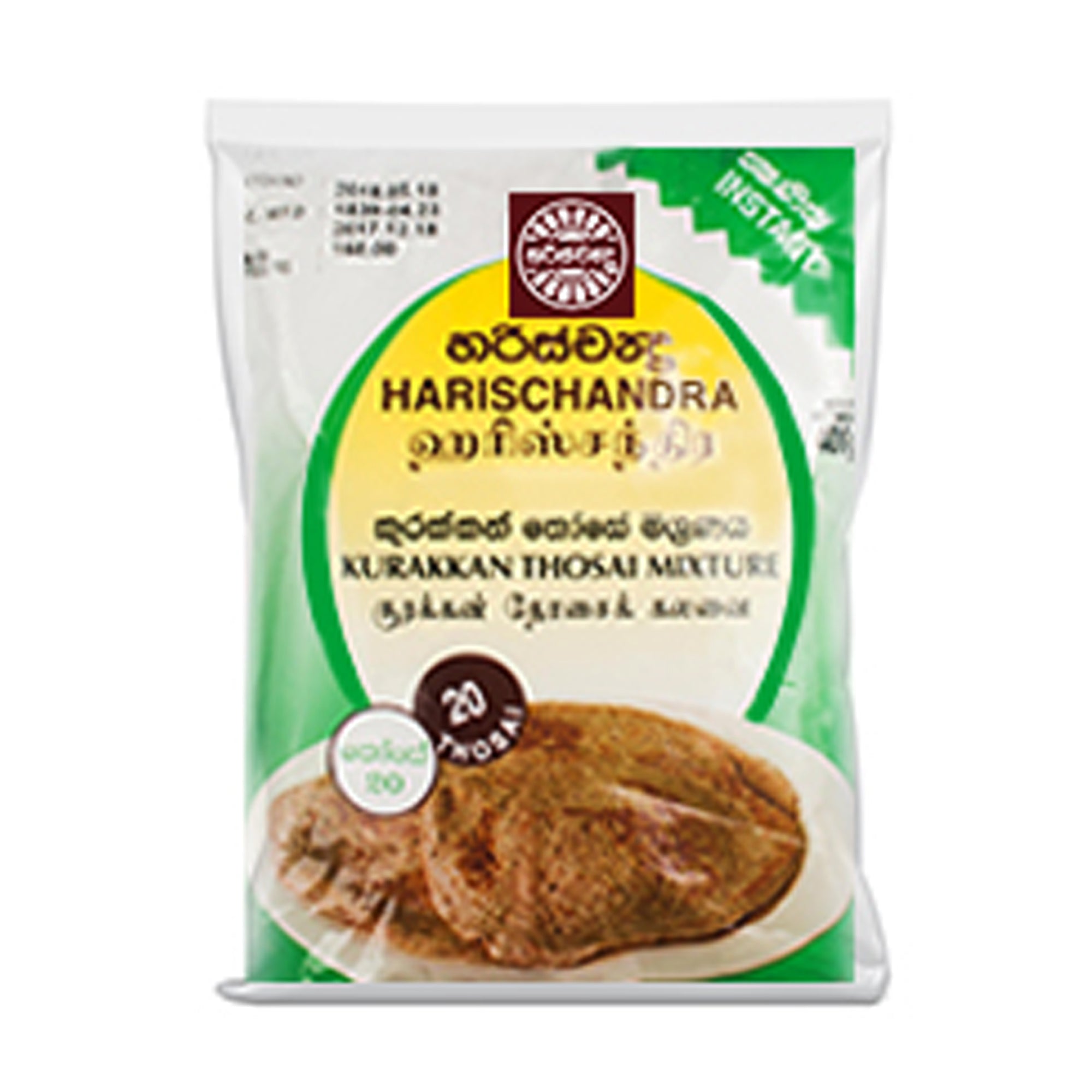
Kurakkan dosa is one of Sri Lanka's most grounded traditional foods — a thin, earthy pancake made from finger millet flour that has fed rural households for generations. Unlike rice-flour dosa, it carries a deeper, nuttier flavour with a naturally dense crumb, and it comes loaded with fibre, iron, and calcium. Whether you are cooking it for the first time or revisiting a childhood staple, the recipe is forgiving and the results are consistently satisfying.
What is Kurakkan and why is it used in Sri Lankan cooking?
Kurakkan (Eleusine coracana), known in English as finger millet, is a hardy cereal grain cultivated across Sri Lanka's dry and intermediate zones — particularly in areas such as Kurunegala, Matale, Moneragala, and the Uva Province. It thrives in terrain where paddy rice struggles, which is why it became a cornerstone crop for rural communities. Nutritionally, it is one of the richest whole-grain sources of calcium and contains significantly more fibre than white rice or refined wheat flour.
In Sri Lankan cooking, kurakkan appears in pittu, rotti, porridge (thalapa), and dosa. The dosa form is particularly practical: the batter comes together quickly, no fermentation is required, and the finished pancake pairs well with a wide range of accompaniments.
What ingredients do you need for Kurakkan Dosa?
The recipe uses a short list of everyday Sri Lankan pantry items. Quantities below yield roughly eight medium dosas.
| Ingredient | Quantity | Notes |
|---|---|---|
| Kurakkan (finger millet) flour | 2 cups | Finely milled; sift if lumpy |
| Rice flour | ½ cup | Gives a crisper edge |
| Freshly grated coconut | ½ cup | Or desiccated coconut, soaked briefly |
| Red onion, finely chopped | 1 medium | Shallots also work well |
| Green chilli, finely sliced | 2–3 | Adjust to heat preference |
| Curry leaves | 1 sprig | Roughly torn |
| Salt | To taste | Start with ½ tsp |
| Water | Around 1½–2 cups | Add gradually to achieve a pourable batter |
| Coconut oil or vegetable oil | For cooking | Coconut oil adds authentic flavour |
Optional additions include a pinch of cumin seeds, a small amount of grated ginger, or a few fenugreek seeds if you prefer a slight bitterness typical of fermented batters.
How do you make the Kurakkan Dosa batter?
- Combine the kurakkan flour and rice flour in a wide mixing bowl. Add the salt and mix the dry ingredients evenly.
- Add the grated coconut, chopped onion, green chilli, and curry leaves. Stir to distribute everything through the flour mixture.
- Pour in water gradually, stirring as you go, until you have a smooth, lump-free batter with a consistency similar to thin cream — it should pour easily from a ladle but not be watery.
- Let the batter rest for 10–15 minutes. This allows the kurakkan flour to hydrate fully and the flavours to develop. Unlike rice-and-lentil dosa batter, no overnight fermentation is needed.
How do you cook Kurakkan Dosa on a griddle?
- Heat a flat cast-iron pan or non-stick tawa over medium-high heat until a drop of water skitters and evaporates immediately.
- Lightly brush the surface with coconut oil. If using a seasoned cast-iron pan, a thin film is enough.
- Pour a ladleful of batter into the centre and spread it in a slow circular motion outward, working quickly before the batter sets. Aim for a thickness of around 3–4 mm — thinner than a pancake but thicker than a paper dosa.
- Drizzle a few drops of oil around the edges. Cook for roughly 2–3 minutes until the underside is set and the edges begin to lift away from the pan.
- Flip carefully and cook the second side for a further 1–2 minutes. The finished dosa should be firm, slightly crisp at the edges, and a deep reddish-brown from the kurakkan.
- Serve immediately. Kurakkan dosa loses its texture if left to steam in a stack.
What do you serve with Kurakkan Dosa?
The earthiness of kurakkan pairs well with accompaniments that bring brightness or heat.
- Coconut sambol — the classic pairing; the freshness of grated coconut, lime, and chilli cuts through the grain's density.
- Pol kiri (coconut milk curry) — a mild, creamy curry of jackfruit, pumpkin, or drumstick leaves.
- Lunu miris — a sharp onion and chilli relish that adds immediate heat.
- Plain yoghurt — a cooler option, particularly good for children or those sensitive to spice.
- Dal (parippu) — a thin red-lentil curry is a practical everyday accompaniment.
In many Sri Lankan households, kurakkan dosa is served at breakfast alongside a cup of plain black tea or ginger tea. It also works well as a light evening meal.
When is the best time to eat or prepare Kurakkan Dosa?
Kurakkan dosa is a year-round dish — the flour stores well and the batter takes under 20 minutes to prepare from scratch. Early morning and early evening are traditional serving times because the dosa is filling but not heavy, making it ideal before a working day or as a restorative meal at dusk. The grain itself is harvested in Sri Lanka's dry season, typically between July and September, when freshly milled kurakkan flour becomes available in local markets.
How does Kurakkan Dosa differ from the South Indian version?
The South Indian ragi dosa is closely related and uses the same base grain. The key differences in the Sri Lankan version are the generous addition of fresh coconut to the batter (rather than serving it purely as a chutney on the side), the use of curry leaves as an in-batter flavouring, and the thicker, softer texture that most Sri Lankan cooks prefer over the lacy, fermented-batter style common in Tamil Nadu. The Sri Lankan dosa also tends to be cooked in coconut oil, which contributes a distinct flavour you won't find in versions cooked in refined vegetable oil.
Tips for a consistently good result
- Use freshly milled kurakkan flour if possible. Older flour can turn slightly bitter. Store opened flour in an airtight container away from light.
- Do not make the batter too thick — a common mistake with kurakkan flour, which absorbs water slowly. The batter thickens as it sits, so thin it with a tablespoon of water between batches if needed.
- A well-seasoned cast-iron tawa gives the best texture. If using a non-stick pan, keep the heat at medium rather than high to avoid scorching the sugars in the grain.
- Spread in one confident, outward motion. Going back over the batter once it starts setting tears the dosa.
- If you are preparing the dosa for guests unfamiliar with kurakkan, a small pinch of sugar in the batter softens the grain's natural bitterness without making the dosa sweet.
Related reading
3 pages on closely related subjects.