Kola kenda (කොළ කැඳ) is a bright green rice porridge from Sri Lanka. The name joins kola, leaf, and kenda, the Sinhala word for a rice gruel: red rice is simmered to a soft, soupy consistency with garlic and ginger, enriched with coconut milk and finished with the strained juice of fresh green leaves. It is eaten hot for breakfast, sipped from a cup or bowl, and almost always with a small piece of jaggery on the side to balance the grassy, slightly bitter taste of the leaves.
It is one of the country's oldest breakfast foods. Buddhist monks, whose monastic code allows food only in the morning and at midday, have long taken kenda as their early meal, and today kola kenda is also sold in the early morning from carts and small stalls, such as those along the seafront in Colombo, as well as being cooked at home.
How to make kola kenda
- Serves 4
- Prep: 15 minutes (+ 30 minutes soaking)
- Cook: 40 minutes
- Difficulty: Easy
For the rice gruel
- 100 g (1/2 cup) Sri Lankan red raw rice
- 1 litre water
- 2 garlic cloves, crushed
- 1 cm piece ginger, finely chopped
- 250 ml coconut milk
- 1 tsp salt, or to taste
For the leaf juice
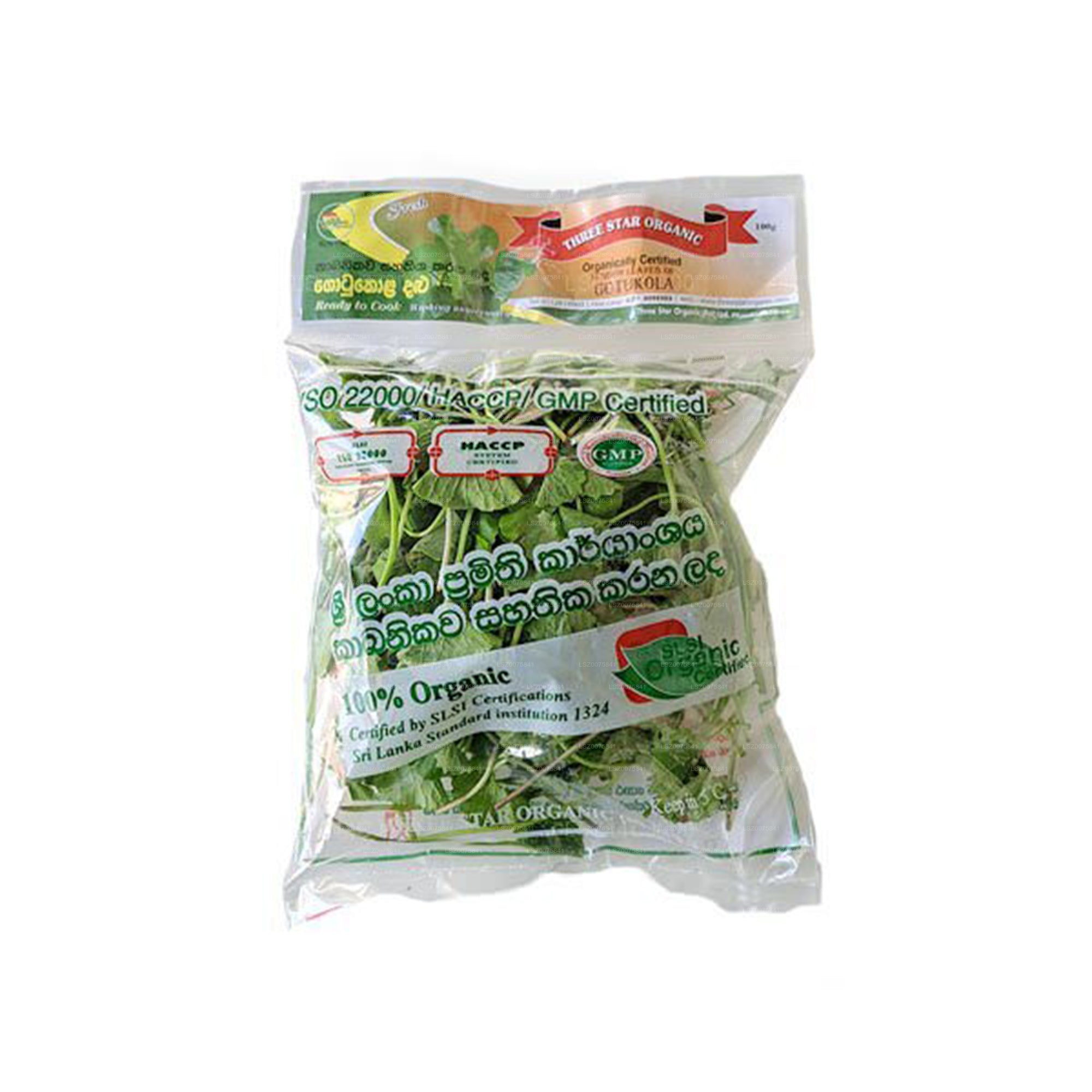
- 60 g (about 2 packed cups) fresh gotu kola (Centella asiatica) leaves with their tender stalks
- 10 curry leaves (karapincha)
- 250 ml water
To serve
- 4 small pieces jaggery (kithul or palm sugar)
Method
- Soak the rice. Wash the red rice and soak it in cold water for 30 minutes. Drain, then pulse it a few times in a blender or pound it lightly so the grains break into smaller pieces.
- Simmer the rice. Put the broken rice, water, garlic and ginger in a heavy pan. Bring to the boil over a medium-high heat, then simmer uncovered on a low heat for 30 to 35 minutes, stirring now and then, until the grains are completely soft and the liquid has turned thick and creamy.
- Add the coconut milk. Stir in the coconut milk and simmer gently for 5 minutes, stirring so it does not catch. Add a little hot water if it is thicker than a pouring soup.
- Make the leaf juice. While the rice cooks, wash the gotu kola and curry leaves well. Blend them with the 250 ml water until smooth, then strain through a fine sieve or cloth, pressing to extract all the green juice. Discard the pulp.
- Finish. Turn the heat to low, stir in the leaf juice and salt, and heat just until the porridge starts to steam and bubble at the edges. Take it off the heat at once, so that the colour stays bright green.
- Serve. Ladle into cups or bowls while hot and serve each with a piece of jaggery to nibble between sips.
Which leaves are used?
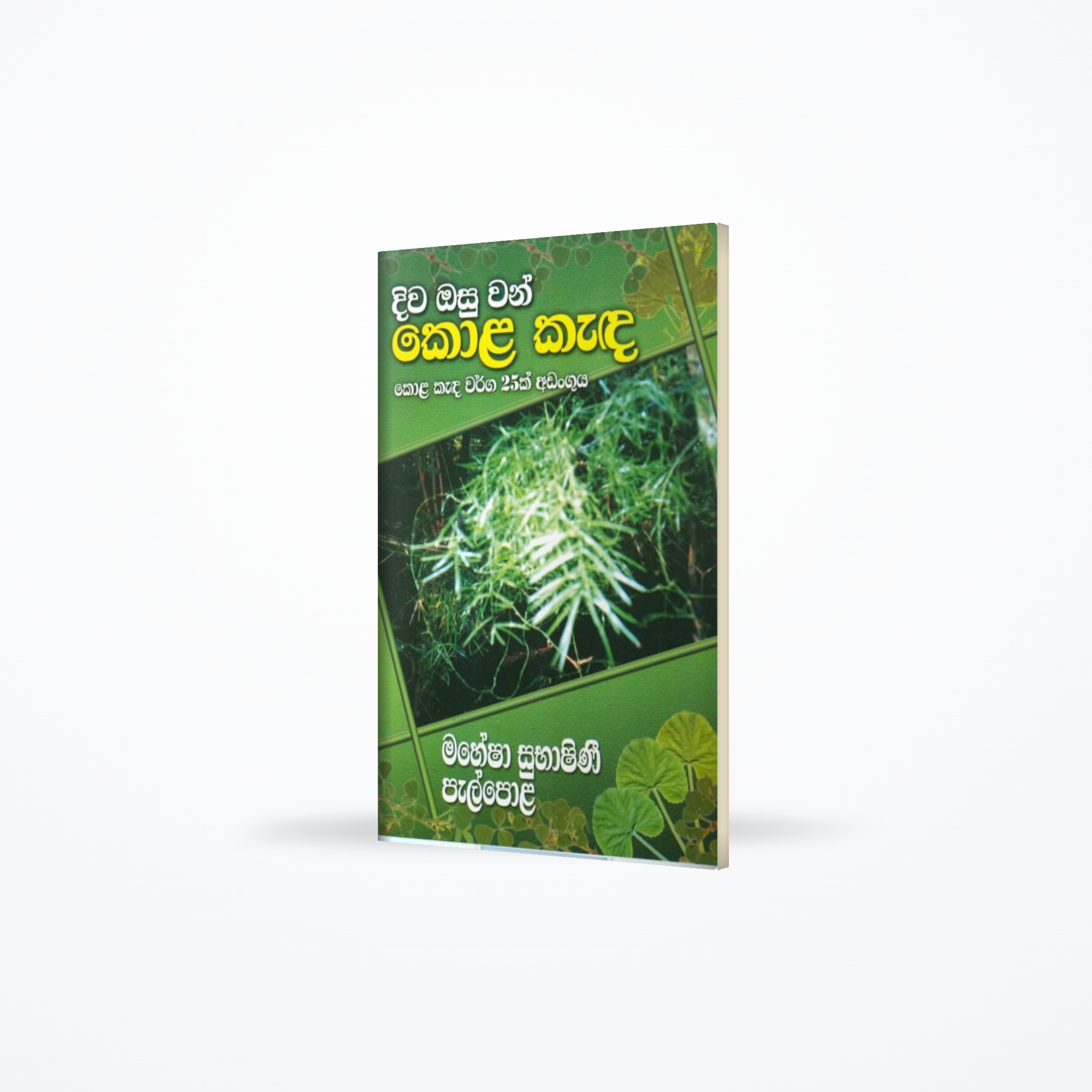
Gotu kola is the most common choice and the easiest to find outside Sri Lanka, and curry leaves are often blended in with it. Sri Lankan cooks use many other green leaves as well, alone or in combination, and vendors often sell several kinds side by side. Leaves traditionally used include:
- Mukunuwenna (Alternanthera sessilis), a common green also eaten as a mallung
- Welpenela (Cardiospermum halicacabum), a climbing vine
- Hathawariya (Asparagus racemosus)
- Iramusu (Hemidesmus indicus)
- Polpala (Aerva lanata) and ranawara (Senna auriculata)
Whichever leaves you use, keep them fresh and add their juice at the very end. Long boiling turns the porridge a dull olive colour and makes the taste flatter and more bitter.
Why is it served with jaggery?
The leaf juice gives kola kenda an earthy, slightly bitter edge. A bite of jaggery, the dark sugar made from the sap of the kithul or other palms, between sips of the salty porridge balances it. Some people also add a squeeze of lemon or lime juice to their bowl.
Can you use white rice or coconut from a packet?
Red raw rice is the traditional choice and gives the porridge a nutty flavour and a pinkish tint under the green. White raw rice works and cooks a little faster. You can also start from about 1 1/2 cups of leftover cooked rice, blended briefly with some of the water, which cuts the simmering time to about 10 minutes. Tinned coconut milk or coconut milk powder mixed with water is fine; thick coconut milk from freshly grated coconut gives the richest taste.
How is kola kenda different from other kenda?
Kenda covers a whole family of Sri Lankan rice gruels, from plain versions of rice cooked in plenty of water to richer ones made with coconut milk. Kola kenda is the one defined by green leaf juice, which is why it is also simply called herbal porridge. It is eaten on its own as a light first meal of the day rather than alongside rice and curry.
How do you store it?
Kola kenda is best made and eaten fresh, while the colour is bright. Leftovers can be cooled, covered and refrigerated for up to a day. Reheat gently with a splash of water, without letting it boil hard, and expect the colour to darken.