Sri Lanka has practised Ayurveda for over 3,000 years, weaving this system of natural medicine into everyday life long before it became a global wellness trend. Today the island remains one of the few places in Asia where classical Ayurveda — rooted in indigenous plant knowledge, traditional physician lineages, and a distinctly Sri Lankan pharmacopoeia — is still delivered with genuine depth. A Lakpura Ayurveda tour lets you engage with this heritage on your own terms, whether you want a focused treatment programme, a gentle introduction during a broader holiday, or a multi-week residential cure.
What is Ayurveda and how does it work?
Ayurveda is a holistic medical system that treats the individual rather than the symptom. Its core philosophy rests on the Tri Dosha doctrine: three vital forces called Vata (air/movement), Pitta (bile/metabolism) and Kapha (phlegm/structure) govern all physiological and psychological functions. When those forces fall out of balance — through poor diet, stress, seasonal change or lifestyle — the body becomes vulnerable to illness.
A Sri Lankan Ayurvedic physician (wedamahattaya) begins every consultation by reading the patient's pulse, assessing their constitution and identifying imbalances. Treatment is then prescribed as a combination of therapies: herbal decoctions and medicated oils taken internally, external therapies such as full-body oil massage (abhyanga), steam baths (swedana), nasal cleansing (nasya), and carefully calibrated diets built around local produce, spices and medicinal plants.
Sri Lanka's native flora gives its Ayurveda a distinct character. Ingredients such as Ceylon black pepper and the bark of endemic trees like Acacia chundra feature in classical formulations that differ from Indian preparations. The island's warm, humid climate also accelerates the absorption of herbal oils — one reason many guests find Sri Lankan treatments particularly effective.
What types of Ayurveda programmes are available in Sri Lanka?
Programmes broadly fall into four categories, and the right choice depends on your health goals and available time.
- Day spa and introductory sessions (1–3 days): Ideal for first-time visitors who want to experience key therapies — typically a consultation, oil massage and steam bath — without committing to a residential stay.
- Wellness and relaxation packages (5–10 days): Structured programmes targeting stress, fatigue, mild musculoskeletal complaints or general rejuvenation (rasayana). These are the most popular choice among leisure travellers.
- Detoxification programmes — Panchakarma (14–28 days): A full-cycle purification treatment requiring a residential stay. Panchakarma systematically removes accumulated toxins (ama) through preparatory oleation, therapeutic purgation, enemas and post-treatment rebuilding therapies. This requires a physician's daily supervision and is not suitable as a casual add-on.
- Condition-specific treatment tours: Targeted at chronic conditions such as arthritis, skin disorders, diabetes management support or neurological complaints. Duration and modalities vary by condition and physician recommendation.
Where are the best Ayurveda retreats in Sri Lanka?
Sri Lanka's Ayurveda retreats cluster along the south-west coast and in the cultural heartland, each environment offering a different therapeutic backdrop.
| Location | Setting | Best suited for |
|---|---|---|
| Negombo coast | Beach, close to the international airport | Short stays, arrival/departure convenience |
| Beruwala & Bentota | Lagoon and beach, established resort strip | Combined beach-and-Ayurveda holidays |
| Wadduwa | Coastal, quieter than Bentota | Dedicated treatment programmes |
| Sigiriya & Cultural Triangle | Dry-zone forest, rural | Immersive retreat away from resort crowds |
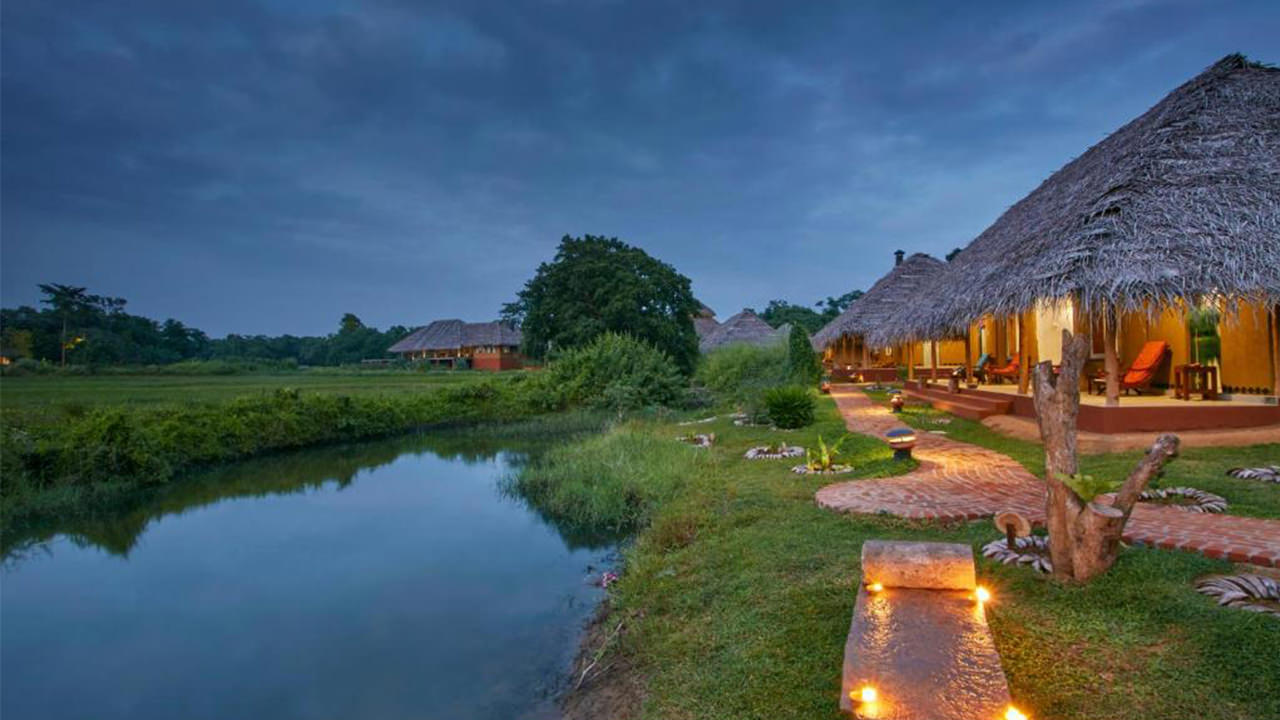
Retreats near Sigiriya are an increasingly popular choice for travellers who want to combine a cultural itinerary with a wellness stay — the dry-zone landscape is considered particularly conducive to Vata and Pitta balancing treatments.
How long should an Ayurveda stay in Sri Lanka be?
Physicians and retreat managers consistently say that seven days is the practical minimum to observe any measurable therapeutic benefit beyond simple relaxation. Below that threshold, you will experience the treatments but your body will not have time to complete even an abbreviated detoxification cycle. For Panchakarma, most reputable centres require a minimum of 14 days and recommend 21–28 for full efficacy. If your schedule allows only a few days, an introductory package focusing on relaxation and consultation is still worthwhile — it gives you a baseline reading of your constitution that you can build on in future visits.
What should I expect during a typical Ayurveda consultation?
The initial consultation with the resident physician usually lasts 30–60 minutes. The physician will assess your prakriti (natural constitution) and vikriti (current imbalance) through pulse diagnosis, observation and a detailed lifestyle questionnaire. Based on this, they prescribe a personalised daily schedule: wake time, treatment sequence, dietary guidelines and any herbal medicines to be taken internally. Most centres discourage alcohol and recommend reducing caffeine throughout the programme to allow the herbs to work unimpeded.
Treatments are typically administered twice daily — morning and afternoon — by trained therapists working under physician supervision. You should expect to rest between sessions; this is not a holiday packed with excursions, particularly during the first few days when detoxification responses (mild fatigue, increased sleep need) are common and expected.
What role do Sri Lanka's plants and spices play in Ayurvedic treatment?
Sri Lanka's biodiversity is directly embedded in its Ayurvedic pharmacopoeia. The island's forests contain hundreds of endemic medicinal plants, and many retreat gardens cultivate their own herb patches to supply the dispensary. Coconut oil — pressed from Cocos nucifera — is the base carrier oil for the majority of external treatments, infused with combinations of medicinal herbs specific to each patient's prescription. Pongamia pinnata is another tree whose oil and bark appear in classical Sri Lankan formulations for skin and joint conditions.
Meals at Ayurveda retreats are typically light, easy-to-digest and built around local grains, vegetables and spices. Expect dishes seasoned with turmeric, ginger, cumin and long pepper — all chosen for their therapeutic properties — rather than the heavier coconut curries of a typical Sri Lankan restaurant meal.
Can I combine an Ayurveda tour with sightseeing in Sri Lanka?
A hybrid itinerary works well for stays of two weeks or more. A common pattern is to spend the first week or ten days at a coastal or forest retreat completing the core treatment phase, then transition into a cultural and scenic circuit. The yoga tours Lakpura offers can be woven into either phase — many Ayurveda centres include morning yoga as part of the programme.
It is worth noting that intensive Panchakarma programmes are not compatible with active sightseeing during the treatment itself. Physicians advise guests to treat the programme as a medical commitment: the body is undergoing systematic purification and needs rest, not long bus journeys or temple climbs. Plan the cultural portion after the residential phase is complete.
Is Sri Lankan Ayurveda regulated?
Sri Lanka has a formal regulatory framework for Ayurveda practice. The Department of Ayurveda under the Ministry of Health oversees practitioner registration, licensing of Ayurveda hospitals and the quality control of herbal medicines manufactured in the country. Reputable retreats employ physicians who hold recognised Ayurveda degrees (Bachelor of Ayurvedic Medicine and Surgery, BAMS) and are registered with the Sri Lanka Ayurvedic Medical Council. When choosing a retreat, confirm that the resident physician holds active registration — this is a meaningful quality indicator that distinguishes medically supervised programmes from spa-only wellness offerings.