Ayurveda is one of the world's oldest continuously practised systems of medicine, with roots stretching back more than 5,000 years to the Indian subcontinent. Sri Lanka adopted and adapted these principles early in its recorded history, weaving them into daily life, temple rituals, and royal courts. Today, the island remains one of the few places where authentic Ayurvedic practice — grounded in classical texts rather than diluted for the spa market — is still readily accessible to travellers seeking genuine wellness experiences.
What is Ayurveda and how does it work?
At the heart of Ayurveda is the concept of three vital energies, known as doshas: Vata (associated with movement and the nervous system), Pitta (governing digestion and metabolism), and Kapha (related to structure and fluid balance). Every individual carries a unique combination of these doshas, and illness is understood as an imbalance among them. Treatment aims not just to suppress symptoms but to restore equilibrium through diet, herbal preparations, physical therapies, meditation, and yoga.
Consultations typically begin with a practitioner assessing a patient's constitution (prakriti) through pulse diagnosis, observation, and questioning. A personalised protocol follows — which may span days, weeks, or months depending on the condition being addressed.
What role do herbs play in Ayurvedic medicine?
Herbal medicine is the pharmacological backbone of Ayurveda. Hundreds of plant species are employed in classical formulations, ranging from well-known roots like ashwagandha and turmeric to preparations that combine dozens of ingredients. Sri Lanka's biodiversity gives local practitioners access to a remarkable range of medicinal plants, many of which grow wild in the island's forests and home gardens.
Among the most recognised herbs used in Sri Lankan Ayurvedic practice:
- Kohomba (Azadirachta indica, neem) — used in skin preparations, antibacterial soaps, and anti-inflammatory treatments.
- Venivel (Coscinium fenestratum) — a bitter climbing plant traditionally used to manage blood sugar and liver conditions.
- Polpala (Aerva lanata) — a diuretic herb commonly prepared as a porridge mix or tea for kidney and urinary support.
- Gotukola (Centella asiatica) — consumed fresh in salads and used in preparations targeting memory, wound healing, and circulation.
- Ceylon black pepper — beyond its culinary role, it acts as a bioavailability enhancer (known in Ayurveda as yogavahi), helping the body absorb other active compounds.
- Cloves (Syzygium aromaticum) — a spice with powerful antimicrobial and analgesic properties, used in formulations for oral health and pain.
Compound preparations such as Yogaraja Guggulu and Kaishore Guggulu are classical tablet formulations still prescribed by Ayurvedic physicians across Sri Lanka for joint and metabolic conditions.
How is Sri Lankan Ayurveda different from the Indian tradition?
While the philosophical foundations are shared, Sri Lanka developed its own distinct school — sometimes called Deshiya Chikitsa (indigenous medicine) — that blends classical Sanskrit texts with local knowledge passed down through generations of hereditary physician families (vedamahattayas). Certain endemic plants found only in Sri Lanka, including species from the wet zone rainforests around the Sinharaja Forest Reserve, feature in preparations that have no equivalent in the Indian pharmacopoeia.
The Department of Ayurveda, established under Sri Lankan law, regulates practitioners, hospitals, and the manufacture of herbal preparations, giving the tradition a formal institutional framework alongside modern healthcare.
What Ayurvedic treatments are available in Sri Lanka?
Treatments range from single-session therapies offered at resort spas to multi-week residential programmes at dedicated Ayurvedic retreats. Common modalities include:
- Panchakarma — a structured detoxification programme involving five cleansing procedures. Authentic Panchakarma requires medical supervision and typically spans 7–21 days.
- Shirodhara — a continuous stream of warm medicated oil poured over the forehead, used to calm the nervous system and address stress-related conditions.
- Abhyanga — a full-body warm oil massage performed by one or two therapists, intended to stimulate circulation and nourish tissues.
- Nasya — medicated oil instilled through the nasal passages, used to treat sinus, headache, and neurological conditions.
- Herbal steam therapy (Swedana) — post-massage steam exposure using decoctions of specific herbs to open channels and deepen the effect of oils.
Retreats along Sri Lanka's southwest coast — particularly around Bentota, Induruwa, and Wadduwa — have built solid reputations for residential Ayurvedic programmes that combine sea air with structured treatment schedules.
Which part of Sri Lanka is best for Ayurvedic retreats?
The southwestern coastal belt between Colombo and Galle has the highest concentration of established Ayurvedic resorts, benefiting from easy airport transfers and a temperate climate year-round. Inland areas around Matale offer a different setting — closer to the herb gardens and spice estates that supply many practitioners — giving treatments a farm-to-table authenticity. Hill-country destinations near Ella and the central highlands provide cooler conditions that some practitioners consider ideal for Vata-dominant constitutions.
The traditional Ayurvedic calendar considers the monsoon months — roughly June to August on the southwest coast — as particularly effective for certain treatments, because increased humidity is believed to open pores and enhance the absorption of medicated oils. Many long-stay guests plan their visits accordingly.
Can I practise yoga alongside Ayurvedic treatment in Sri Lanka?
Yes, and this pairing is actively encouraged. Yoga and Ayurveda share the same ancient philosophical roots, and most serious retreat programmes incorporate daily yoga sessions tailored to a guest's dosha assessment. Yoga tours can also be arranged independently, combining guided practice with visits to culturally significant sites. Meditation, pranayama (breathing exercises), and dietary guidance complete what practitioners call the integrative wellness approach.
What Ayurvedic herbal products can I take home from Sri Lanka?
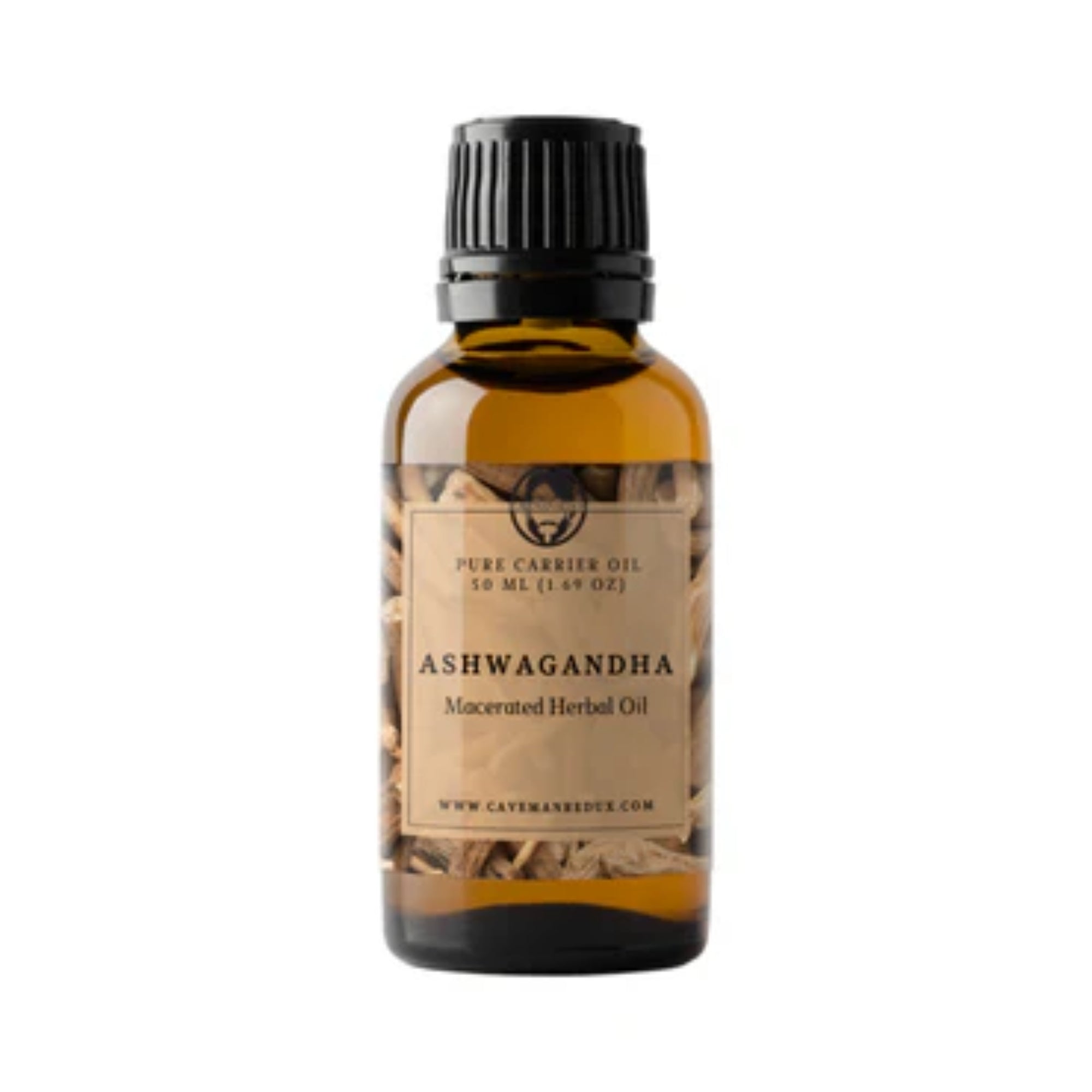
Sri Lanka has a well-developed herbal product industry producing everything from medicated oils and balms to herbal teas and traditional porridge mixes made from medicinal plants. Products such as ashwagandha oil, pain-relieving herbal balms, and Ayurvedic hair oils are widely available in pharmacies, ayurvedic hospitals, and specialist shops. Herbal infusion teas — including hibiscus, rosehip, and classical Ayurvedic blends — travel well and make practical souvenirs that reflect the island's botanical heritage.
When purchasing herbal products, look for items registered with the Department of Ayurveda or carrying the certification of the Sri Lanka Standards Institution, which indicates the preparation meets quality and safety benchmarks.
Is Ayurvedic treatment safe for all travellers?
Classical Ayurvedic therapies are generally well-tolerated, but the strongest interventions — particularly Panchakarma and medicated enemas — are contraindicated during pregnancy, in certain cardiac conditions, and for individuals on specific pharmaceutical medications. Reputable resorts and hospitals conduct a medical intake assessment before commencing treatment. Travellers with chronic conditions are advised to share their full medical history and, where possible, obtain a letter from their regular physician before undertaking intensive programmes.
Herbal remedies, while natural, are pharmacologically active. Some preparations interact with commonly prescribed drugs such as anticoagulants or immunosuppressants. Consulting a qualified Ayurvedic physician on arrival — rather than self-prescribing from a product shelf — yields the safest and most effective outcomes.
Related reading
7 pages on closely related subjects.