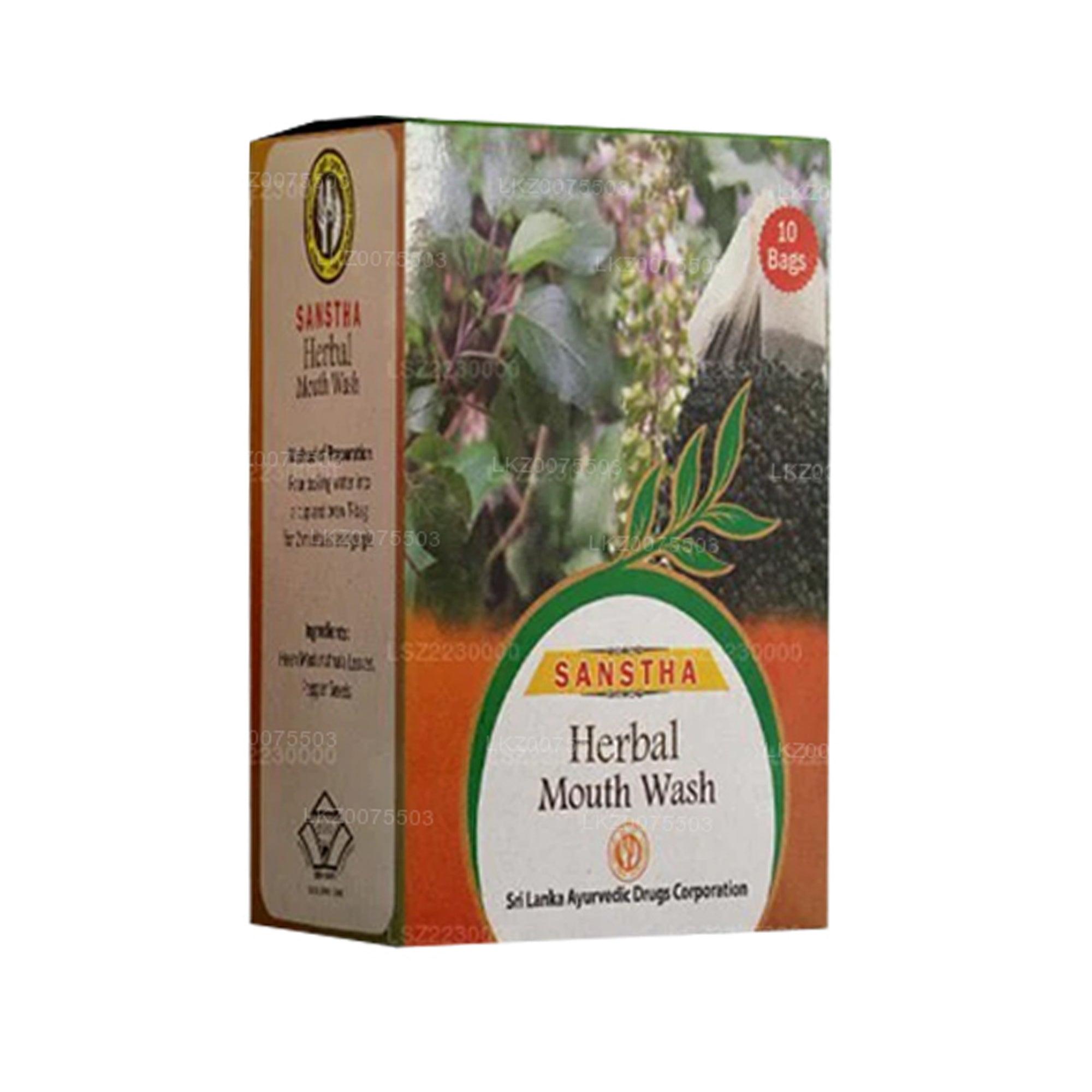
Sri Lanka's tradition of medicinal wine-making predates the Common Era, rooted in a pharmacological system that treated fermented herbal preparations as both therapeutic agents and daily tonics. Unlike modern commercial wines, these formulations were never purely recreational — they were designed to carry plant-based active compounds into the body more efficiently than dried powders or decoctions alone. That principle remains at the heart of the herbal wines produced today by the Sri Lanka Ayurvedic Drug Corporation (SLADC), the state body that standardises and manufactures classical Ayurvedic preparations for the domestic and export markets.
What are Ayurvedic herbal wines?
In classical Ayurveda, fermented preparations fall into two main categories: arishtas, which are self-generated ferments made by allowing herbal decoctions to ferment naturally, and asavas, which are cold-process preparations where raw herbal juice or powder ferments with added sugars and sometimes a starter culture. Both categories produce a low-alcohol liquid — typically between 5% and 12% ABV — that acts as a solvent for fat-soluble and water-soluble phytochemicals that would otherwise be destroyed by heat or pass through the body without absorption.
The herbal wines produced by SLADC are classified as sweet red wines, drawing on botanicals that have been documented in Sri Lankan and South Asian medical literature for well over two thousand years. Individual formulations target different physiological functions, from digestive support to joint comfort to general tonic use. Each preparation follows a classical recipe recorded in texts such as the Charaka Samhita and Ashtanga Hridayam, cross-referenced against Sri Lanka's own Sarartha Sangrahaya.
Which herbal wines does SLADC produce?
The SLADC range encompasses a number of classical formulations. While the full list evolves with production capacity, the following preparations are among those that have been consistently available:
- Dhasamularishta — a multi-root decoction traditionally used to support respiratory function and post-illness recovery.
- Aswagandharishta — based on Withania somnifera (ashwagandha), widely used as an adaptogenic and restorative tonic.
- Kumaryasava — an aloe-based preparation associated with digestive comfort and liver support.
- Draksharishta — a grape-and-herb blend considered one of the gentler preparations, often recommended for general vitality.
- Abhayarishta — a formulation that emphasises digestive regularity, drawing on Terminalia chebula (haritaki) as a key herb.
- Saraswatarishta — traditionally associated with cognitive and neurological support, containing brahmi (Bacopa monnieri) among its primary ingredients.
All preparations in the SLADC range are sweet red wines by character — the sugars serve both as fermentation substrate and as a palatability aid for the bitter botanical extracts they carry.
How are these wines different from grape wine?
The distinction is fundamental. Conventional grape wine is produced for flavour and the sensory experience of fermented fruit. Ayurvedic herbal wines use fermentation as a delivery mechanism: the mild alcohol produced during fermentation extracts and preserves bioactive compounds from roots, bark, dried fruit, and aromatic seeds that would otherwise be difficult to formulate into a stable liquid. The alcohol content is kept deliberately low — enough to act as a preservative and solvent, not enough to produce intoxication at therapeutic doses.
The flavour profile is correspondingly complex and unfamiliar to wine drinkers expecting fruit-forward notes. Bitter, astringent, and earthy tones dominate, sweetened partially by jaggery or honey during fermentation. Many preparations darken significantly with age, which is considered a sign of maturation rather than spoilage.
Herbs like Ceylon black pepper appear in several classical formulations as bioavailability enhancers — the piperine in black pepper is known to increase the absorption of certain plant compounds, a mechanism that modern pharmacology has since validated independently of its Ayurvedic origins.
What is the history of herbal wine in Sri Lanka?
Archaeological and textual evidence points to systematic herbal medicine — including fermented preparations — being practised in Sri Lanka at least as early as the Anuradhapura period, roughly the 3rd century BCE onward. The ancient city of Polonnaruwa, which served as the island's capital from roughly the 10th to 13th centuries CE, contained royal dispensaries where Ayurvedic preparations were formulated and distributed, a system documented in stone inscriptions that survive to the present day.
The SLADC itself was established in the post-independence era to consolidate traditional pharmaceutical knowledge under a quality-controlled framework, preventing adulteration and standardising dosage — challenges that had long complicated the reputation of traditional preparations in a market increasingly dominated by allopathic medicine.
How should Ayurvedic herbal wines be consumed?
Classical Ayurvedic practice recommends that arishtas and asavas be taken in small measured doses — typically between 15 ml and 30 ml — diluted with an equal volume of warm water, and consumed after meals. The timing is considered important: post-prandial consumption is thought to enhance absorption and reduce the chance of gastric irritation from bitter compounds.
These preparations are not intended for recreational consumption and should not be treated as substitutes for prescribed medications without consulting a qualified Ayurvedic physician. Individuals with alcohol sensitivity, liver conditions, or those who are pregnant should seek professional advice before use. SLADC products are sold through government Ayurvedic hospitals, licensed pharmacies, and a network of authorised retail outlets across Sri Lanka.
Where can you buy SLADC herbal wines in Sri Lanka?
SLADC products are distributed through the government Ayurvedic hospital network, which has branches in most major towns and cities. Many larger pharmacies in Colombo, Kandy, and Galle stock the range, particularly in areas with strong traditional medicine demand. Some wellness resorts and Ayurvedic treatment centres also stock or dispense SLADC preparations as part of residential treatment programmes.
For visitors interested in the broader landscape of Sri Lankan herbal products — from teas to balms — the range manufactured by SLADC and comparable producers represents a coherent tradition that extends well beyond the wines themselves. Preparations like those in the Yogaraja Guggulu and Kaishore Guggulu families, for instance, illustrate how the same classical pharmacopoeia produces both liquid and solid-form medicines from overlapping botanical sources.
Are Ayurvedic herbal wines safe to take alongside other medicines?
Herb-drug interactions are a genuine area of clinical concern. Some botanical compounds found in classical formulations — particularly those containing iron-rich preparations or potent adaptogenic roots — are known to interact with anticoagulants, thyroid medications, and sedatives. Anyone taking prescription medications should consult both their allopathic physician and a registered Ayurvedic practitioner before incorporating herbal wines into a regular regimen. The low alcohol content also means that even formulations considered gentle by Ayurvedic standards should be used cautiously by individuals with any alcohol-related health history.
Is there scientific research supporting Ayurvedic herbal wines?
Peer-reviewed research into specific arishtas and asavas has grown substantially over the past two decades, largely driven by pharmacognosy departments at South Asian universities and by interest from nutraceutical researchers internationally. Several studies have examined the antimicrobial, antioxidant, and hepatoprotective properties of formulations like Draksharishta and Abhayarishta. Results are promising in in-vitro and animal models, though large-scale clinical trials in human populations remain limited. The World Health Organization's traditional medicine strategy has encouraged member states — including Sri Lanka — to develop evidence frameworks for classical preparations, and SLADC participates in quality standardisation programmes aligned with these guidelines.
Related reading
7 pages on closely related subjects.