The Ayurveda herbal bath — known in Sinhala as pinda sweda or simply a medicated water bath — is one of the gentler yet deeply restorative treatments in the traditional Sri Lankan Ayurvedic repertoire. Unlike more intensive procedures, it works through external application: medicinal herbs are simmered in water, and the resulting infusion is poured slowly over the body, allowing active plant compounds to be absorbed through the skin while the warmth relaxes muscles and joints.
What exactly is an Ayurveda herbal bath?
In classical Ayurveda, this treatment belongs to a broader category of external therapies called bahya chikitsa. Practitioners select a combination of herbal leaves, roots, bark, and seeds — the precise blend depending on the patient's dominant dosha (body constitution) and any specific condition being addressed. The herbs are boiled until their active constituents are fully extracted, and the strained liquid is then applied at a controlled temperature.
Common plant ingredients include neem (Azadirachta indica) for its antimicrobial properties, Pongamia pinnata for skin conditions, and various warming roots used to improve circulation. Sri Lanka's rich endemic flora means local Ayurvedic physicians have access to plant varieties that differ — sometimes significantly — from those available on the Indian subcontinent.
What conditions is the herbal bath used for?
A qualified Ayurvedic physician will assess the patient before recommending a herbal bath and will tailor the formulation accordingly. Broadly, the treatment is associated with the following uses:
- Musculoskeletal relief: Joint stiffness, arthritis, and muscular fatigue respond well to the combination of heat and anti-inflammatory herbs.
- Skin conditions: Formulations containing neem, turmeric, or specific bark extracts are prescribed for conditions such as eczema or psoriasis.
- Nervous system support: Calming herb blends are used to reduce stress, anxiety, and insomnia.
- Post-fever recovery: Cooling formulations help the body regulate after illness.
- General detoxification: As part of a broader panchakarma or wellness programme, the herbal bath can assist in clearing metabolic waste.
It is important to note that Ayurvedic treatment is personalised. A herbal bath prescribed for one guest at a wellness resort may differ entirely from the formulation another guest receives, even if both are described on a menu as an "herbal bath."
How does a session typically unfold?
A standard Ayurvedic herbal bath session at a reputable Sri Lankan resort or clinic usually begins with a brief consultation. The physician or therapist checks pulse, skin condition, and any reported symptoms. Based on this, herbs are selected and prepared — a process that can take 30 to 45 minutes before the treatment itself begins.
The patient is seated or reclined on a wooden droni (treatment table), traditionally made from a single plank of Margosa or similar hardwood. The warm herbal water is poured over the body in a steady, rhythmic flow, typically for 20 to 45 minutes. Therapists maintain the water temperature throughout, reheating the liquid as needed. The session closes with a short rest period and, at some centres, a light herbal tea.
What is the difference between a herbal bath and other Ayurvedic water treatments?
It helps to understand how the herbal bath sits within the wider landscape of Ayurvedic water-based therapies:
| Treatment | Method | Primary purpose |
|---|---|---|
| Herbal Bath | Medicated water poured over the body | Skin health, detox, musculoskeletal relief |
| Shirodhara | Continuous stream of warm oil on the forehead | Nervous system, stress, insomnia |
| Pizhichil | Warm medicated oil poured over the whole body | Deep muscle and joint therapy |
| Steam Bath (Swedana) | Herbal steam applied to the body | Opening channels, prior to massage |
A skilled physician may combine the herbal bath with one or more of these therapies as part of a structured programme rather than as a standalone treatment.
Where can you experience an Ayurvedic herbal bath in Sri Lanka?
Sri Lanka has a well-established Ayurvedic tourism infrastructure, particularly along the southwest coast and in the Cultural Triangle. Dedicated Ayurvedic resorts typically offer multi-day or multi-week residential programmes, while day-visit clinics are found in most larger towns. When choosing a centre, look for physicians registered with the Department of Ayurveda under Sri Lanka's Ministry of Health — this registration indicates the practitioner holds a recognised Bachelor of Ayurvedic Medicine and Surgery (BAMS) qualification.
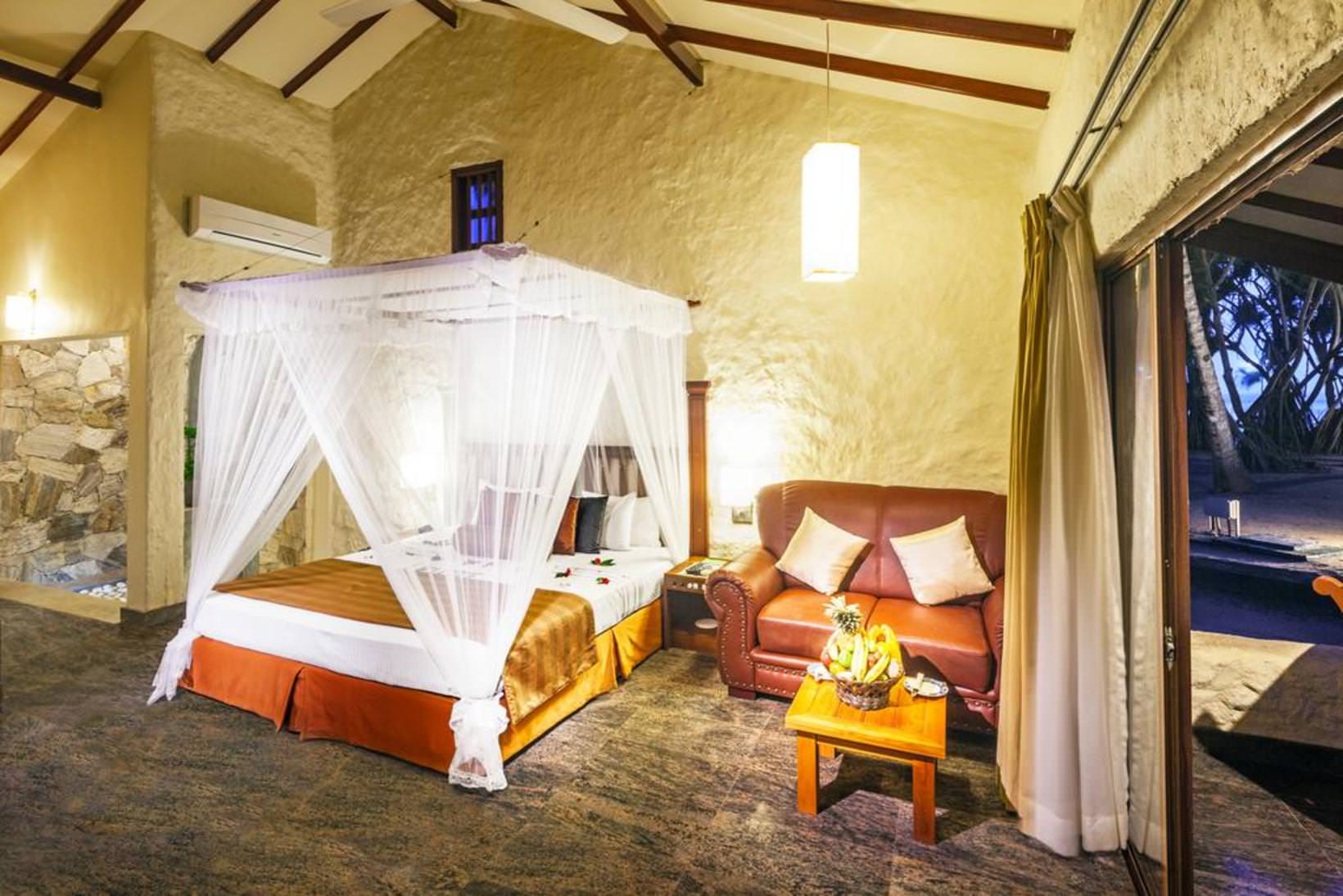
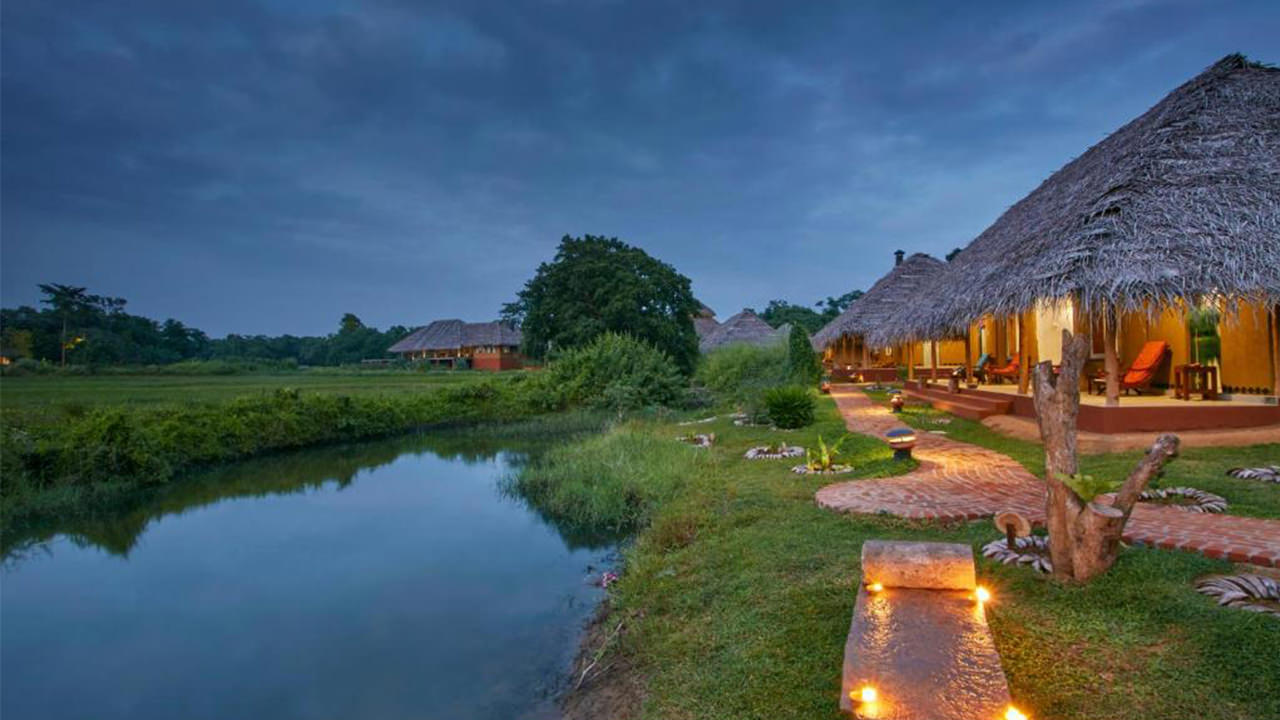
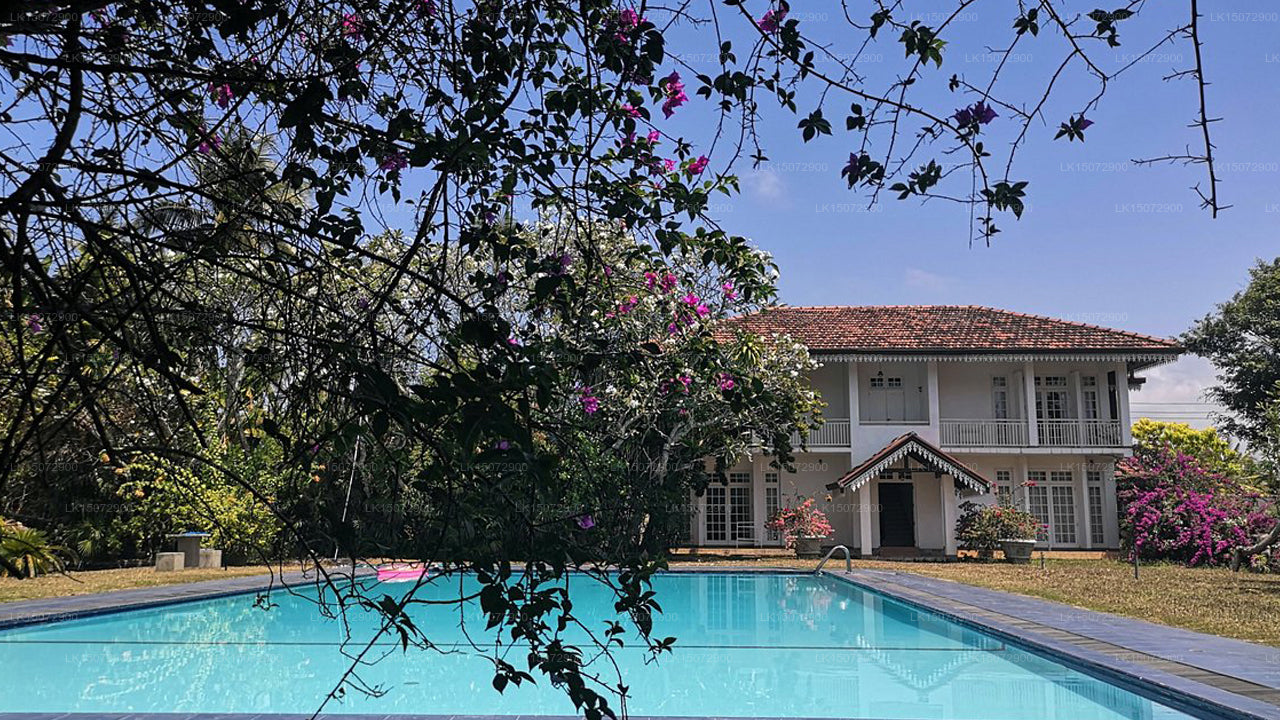
The western coastal belt between Colombo and Galle has a high concentration of internationally accredited Ayurvedic resorts. Inland retreats in areas such as Sigiriya combine wellness programmes with immersion in natural surroundings. A growing number of properties in Bentota and Beruwala specialise exclusively in residential Ayurvedic treatment rather than hotel-style spa add-ons, which is a meaningful distinction for travellers seeking therapeutic outcomes rather than relaxation alone.
Is one session enough, or do you need a longer programme?
For purely relaxation purposes, a single herbal bath session is entirely appropriate. For therapeutic outcomes — addressing a chronic skin condition, managing arthritis, or completing a detox cycle — Ayurvedic physicians generally recommend a minimum of seven to fourteen consecutive days of treatment. This is because the classical texts describe cumulative effect: the body's channels (srotas) are progressively cleared over multiple sessions, and a single treatment rarely achieves deep systemic change.
Travellers on shorter itineraries can still benefit meaningfully from two or three sessions, particularly when the herbal bath is paired with dietary adjustments and other treatments recommended by the attending physician.
What should you do before and after an Ayurvedic herbal bath?
Most Ayurvedic practitioners advise arriving without a heavy meal. Light digestion supports the body's ability to absorb the treatment and prevents discomfort during the session. After the bath, rest for at least 30 minutes before resuming activity, and avoid cold water, vigorous exercise, or alcohol for the remainder of the day. Drinking warm water or an herbal infusion in the hours following the treatment is generally encouraged.
Travellers with certain medical conditions — including hypertension, pregnancy, open wounds, or active fever — should inform the physician before any water-based treatment. A responsible centre will conduct this screening as a matter of course.
How does Ayurveda fit into Sri Lankan culture?
Ayurveda has been practised in Sri Lanka for over two millennia. Ancient texts such as the Charaka Samhita reached the island alongside Buddhist scholarship, and local physicians developed distinct variants of classical formulations using endemic Sri Lankan plants. Today, Ayurveda sits alongside conventional medicine in the public health system — government Ayurvedic hospitals operate throughout the country, and many Sri Lankans turn to Ayurvedic practitioners as a first port of call for chronic or lifestyle-related conditions.
Herbs such as Ceylon black pepper feature in both culinary and medicinal traditions, reflecting the deep overlap between Sri Lankan food culture and Ayurvedic pharmacology. This integration means that an Ayurvedic stay in Sri Lanka often extends beyond the treatment room into the kitchen, the garden, and everyday conversation with local communities.
Related reading
6 pages on closely related subjects.