Areca catechu, known in Sinhala as Puwak, is one of the most culturally and economically significant palms growing across Sri Lanka. Slender-stemmed and graceful, it is a familiar sight in the island's wet and intermediate zones, cultivated in home gardens and found growing naturally along forest margins. Related in cultural prominence to Cocos nucifera, the coconut palm, Puwak has been woven into Sri Lankan daily life for centuries — from traditional rituals to everyday chewing customs, medicine, and eco-friendly tableware.
What does the Areca catechu tree look like?
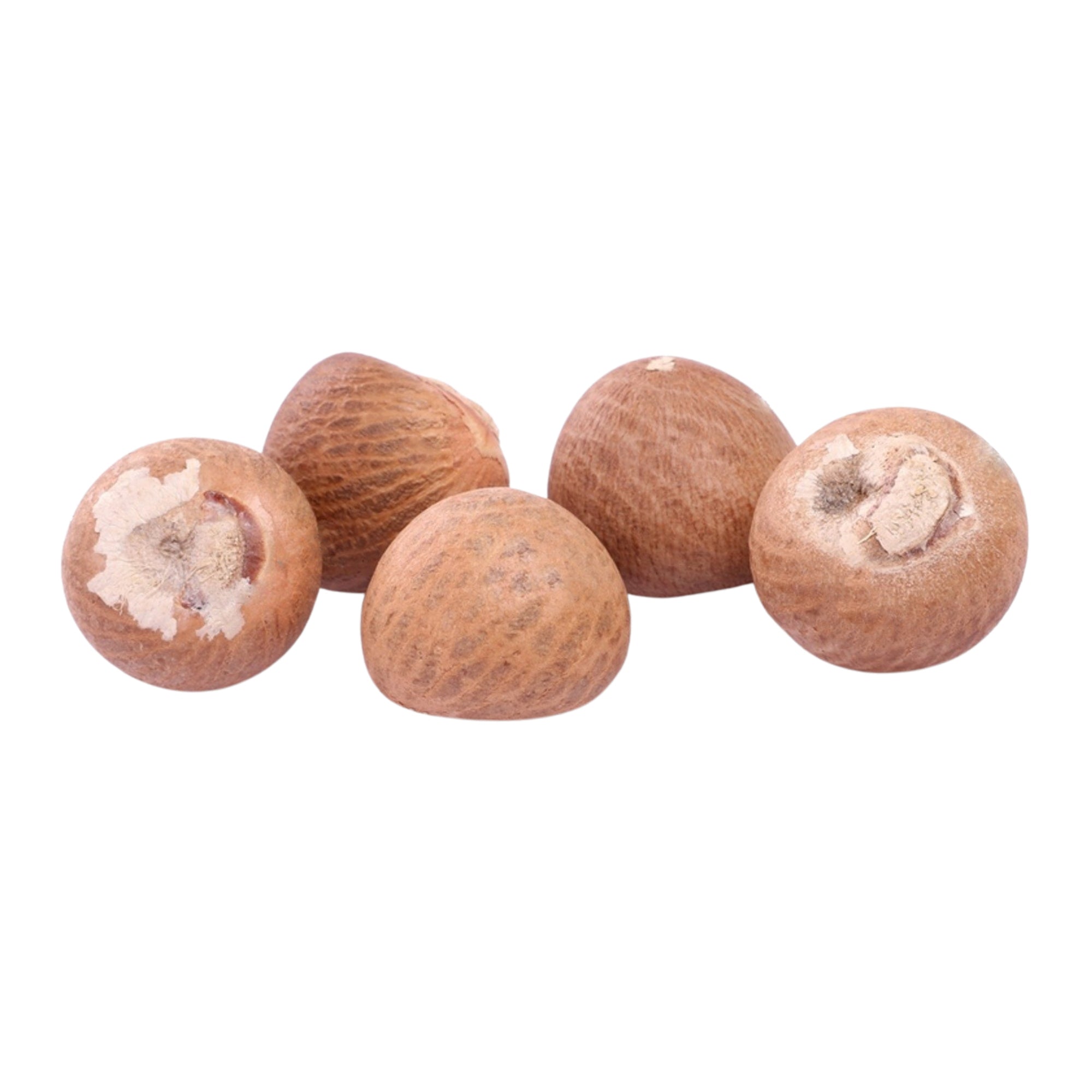
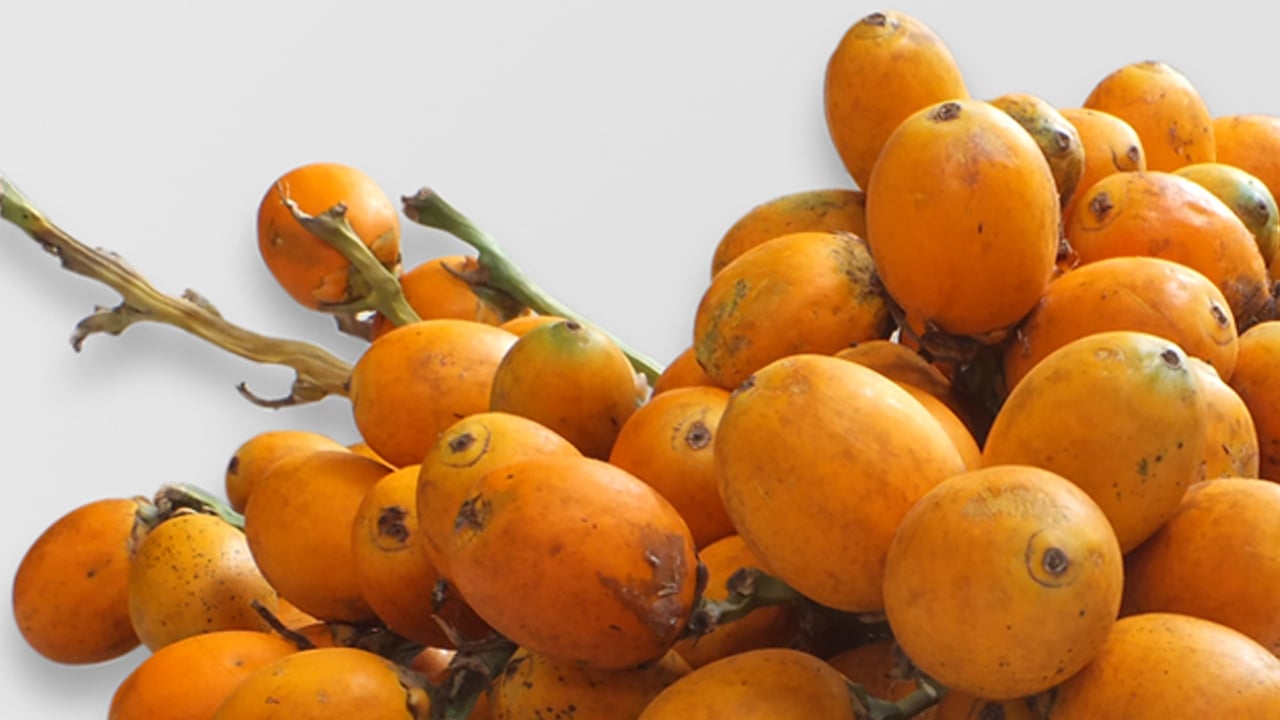
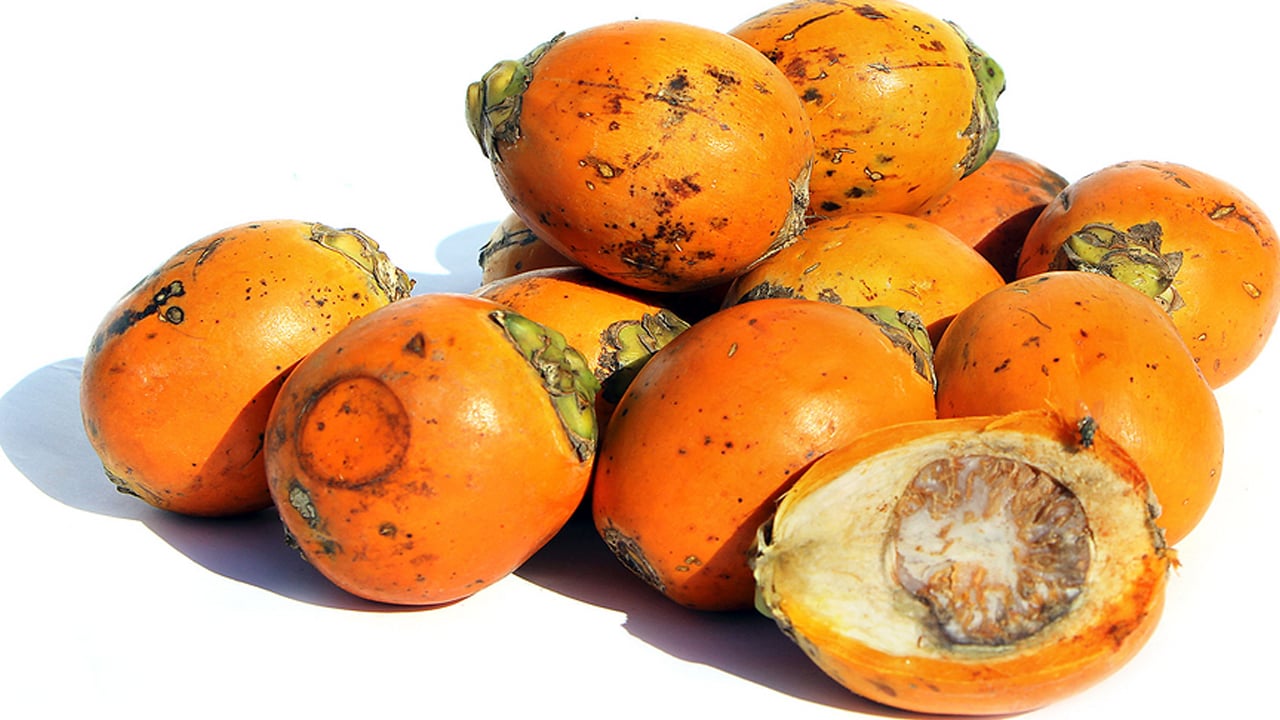
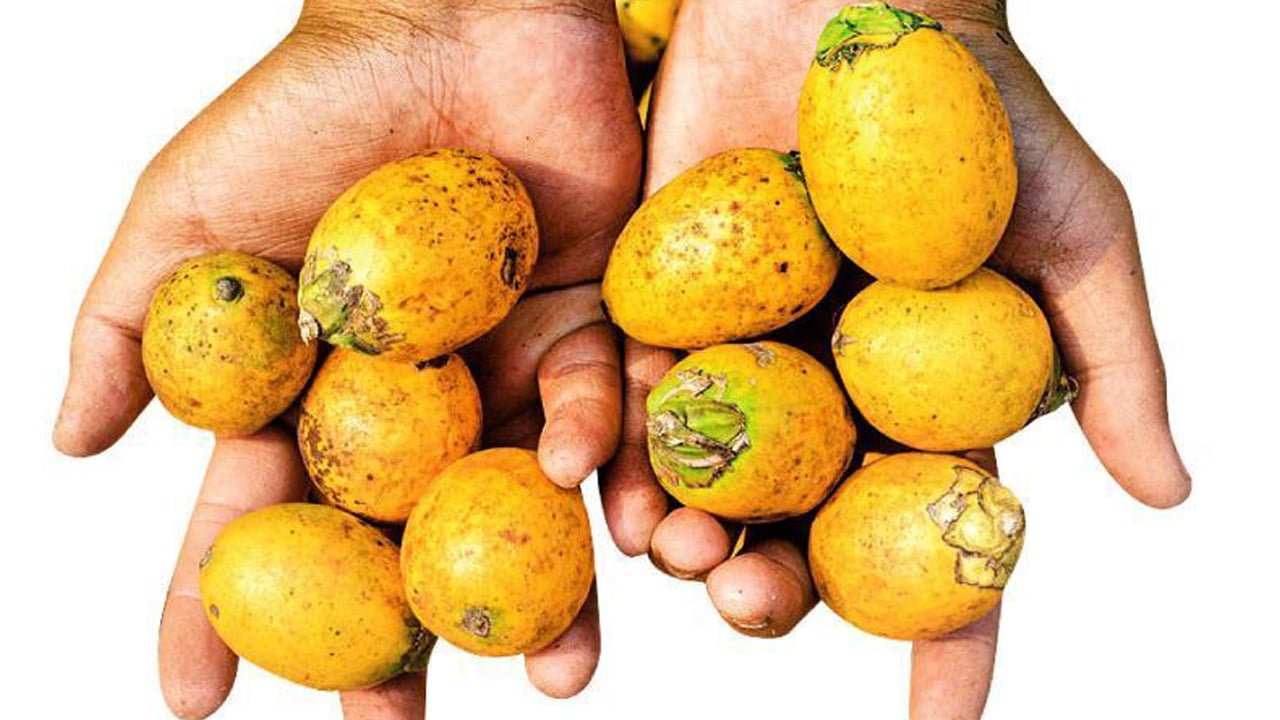
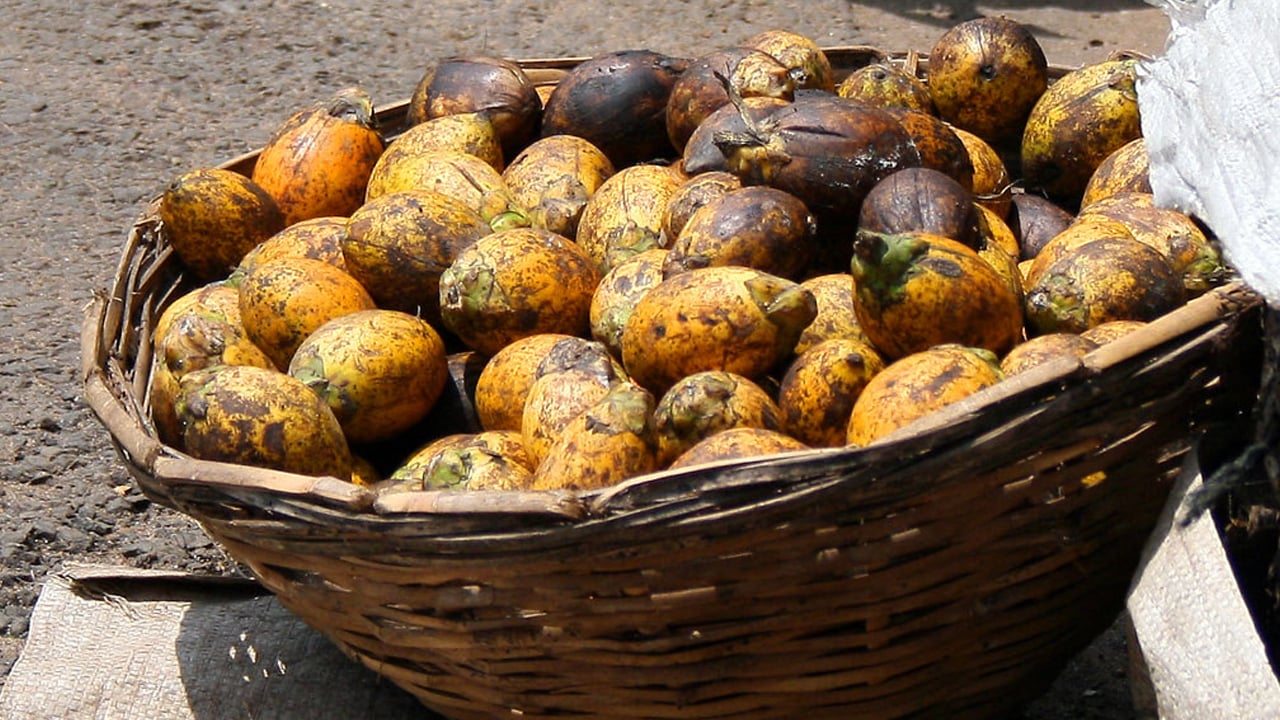
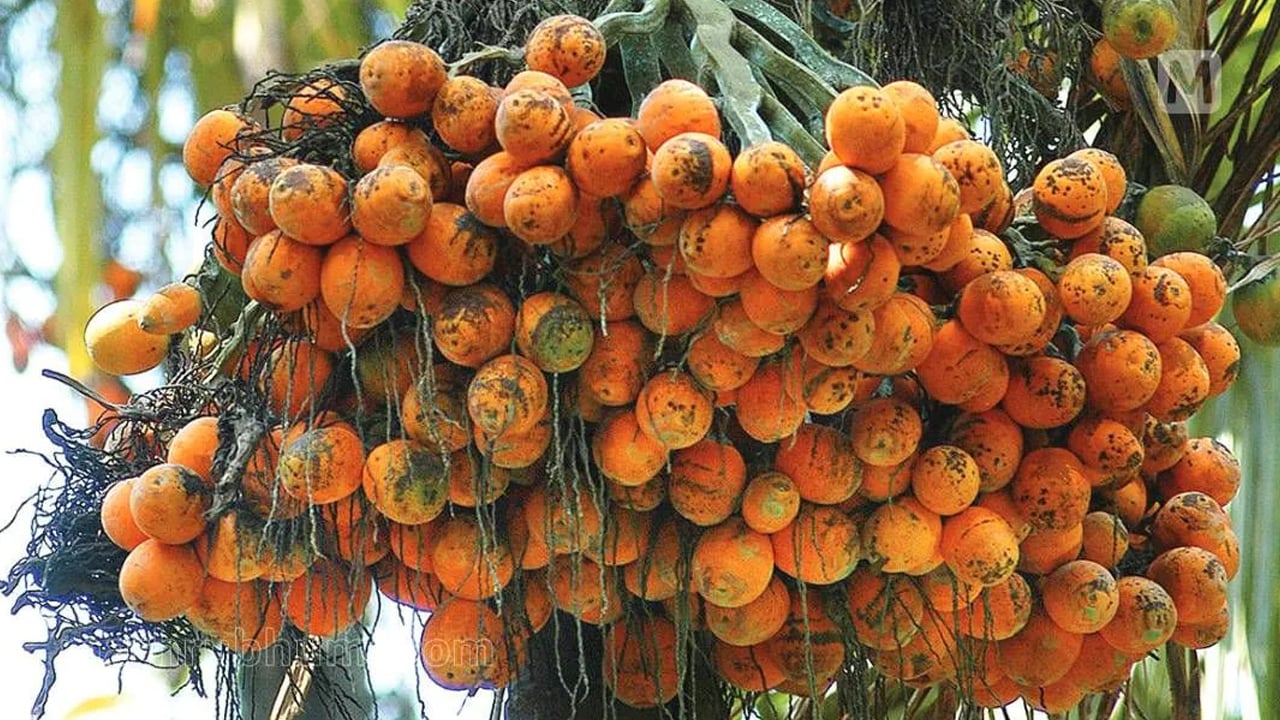
Areca catechu belongs to the Arecaceae (Palm) family. The trunk is slender and ringed with the scars of old leaf bases, growing tall but rarely more than 20–30 centimetres in diameter. Feathery leaves extend 1.2–2 metres in length, arching gracefully from the crown. The inflorescence reaches around 45–50 centimetres and produces small, creamy-white flowers with a sweet fragrance. The fruit is ovoid and 5–7 centimetres long; its outer skin turns from green to yellow or orange as it matures. Inside, the seed — the areca nut itself — begins reddish-yellow and dries to a pale brown. Young plants are compact enough to serve as ornamentals, and established trees are long-lived perennials that continue to yield fruit for decades.
Where is Puwak found in Sri Lanka?
The tree is native to South and Southeast Asia, with Sri Lanka, India, and the Philippines among its strongholds. Within Sri Lanka it grows most abundantly in the wet zone — particularly in coastal lowlands and river-valley gardens — and extends into the intermediate zone under cultivation. It is well-adapted to humid, warm conditions and is commonly intercropped with pepper, banana, and other shade-tolerant species. The Madu Ganga wetland region in the southwest is typical of the moist, low-lying habitat where Puwak thrives naturally alongside mangroves and other riparian vegetation.
What are the traditional uses of the areca nut?
The most widespread use of the areca nut — across South Asia, Southeast Asia, and many Pacific island cultures — is as a mild stimulant when chewed with betel leaf (Piper betle), a vine of the Piperaceae family. In Sri Lanka this combination, sometimes called bulath vita, carries deep social meaning: it is offered as a mark of respect at ceremonies, offered to guests, and used in religious observances. Chewing produces a mild warming sensation and a gentle stimulant effect attributed to the alkaloid arecoline present in the nut. Both fresh and dried nuts are used, with the flavour profile differing considerably between the two.
- Fresh nut: softer texture, milder taste; commonly sliced or split before chewing.
- Dried nut: harder, more concentrated in alkaloids; frequently ground into powder for medicinal or food applications.
- Processed products: in India and Pakistan, flavoured and sweetened areca preparations are sold as pan masala alternatives.
How is Areca catechu used in Ayurveda and traditional medicine?
In Ayurvedic and traditional Chinese medicine systems, areca nut has a documented history of therapeutic application. Practitioners have used it to support digestion, address intestinal complaints, and as an anthelmintic — meaning it is used to expel tapeworms and other intestinal parasites. This application extends to veterinary practice in parts of South Asia, where areca-derived decoctions are administered to livestock. Powdered areca has also been incorporated into traditional oral-hygiene formulations, including certain herbal tooth powders used across the subcontinent. As with all traditional remedies, these uses should be considered in the context of established medical advice.
What sustainable products come from the areca palm?
Beyond the nut itself, virtually every part of the areca palm has practical value — and several of those applications align naturally with modern sustainability goals.
- Leaf sheaths: the spathe (the papery sheath that encloses each inflorescence) falls naturally from the tree and can be pressed and dried into rigid, compostable plates, bowls, trays, and lunch boxes. These require no chemicals, no bleaching, and biodegrade within weeks after use — making them a compelling alternative to single-use plastic or paper tableware.
- Leaves: mature areca palm leaves are harvested for weaving, decorative displays, and traditional food wrapping. Cooking rice in areca leaf packages is a practice still maintained in parts of rural Sri Lanka.
- Stems: mature trunks are used as lightweight structural timber in rural buildings and as decorative pillars at Hindu ceremonies and religious processions.
- Young plants: their ornamental appeal makes them a popular choice for landscaping and interior greenery.
The growing global demand for plant-based, compostable packaging has given areca leaf products a significant commercial footprint. Lakpura sources handmade areca leaf plates, dishes, snack boxes, and cups from artisan producers across Sri Lanka's wet zone, offering them as part of a wider commitment to eco-conscious sourcing. Buyers in the United States should note that the FDA has placed foodware made from Areca catechu palm leaf under Import Alert 23-15, after its own migration studies found that areca alkaloids transfer from the leaf into food under normal conditions of use; such foodware may not currently be legally marketed there.
What is the cultural significance of betel in Sri Lanka?
Few plants carry as much ceremonial weight in Sri Lanka as the areca palm and the betel leaf that accompanies its nut. Offering a tray of prepared betel — areca nut, betel leaf, lime paste, and sometimes cloves or cardamom — is a gesture of respect and welcome that appears in wedding rituals, pirith ceremonies, village meetings, and formal greetings to elders. The practice predates recorded history in Sri Lanka and is referenced in ancient Pali chronicles. Today, while younger urban generations chew betel less routinely than their grandparents did, the ceremonial role of bulath vita remains very much alive at traditional occasions across the country.
In the north and east of the island, betel preparation follows its own regional customs, and the nut is also important in Tamil Hindu ritual offerings. Ceylon black pepper, another vine-grown spice with deep roots in Sri Lankan agricultural tradition, shares a comparable story of ancient cultivation alongside the areca palm.
Is areca nut safe to consume?
The International Agency for Research on Cancer (IARC), the World Health Organization's cancer agency, classifies areca nut as a Group 1 carcinogen, meaning it is carcinogenic to humans. That classification applies to the nut on its own, without tobacco, and betel quid without tobacco carries the same Group 1 classification on the basis of sufficient evidence for oral cancer. Adding tobacco widens the risk further, to cancers of the pharynx and oesophagus as well. Regular, long-term chewing is also linked to oral submucous fibrosis, a progressive and irreversible stiffening of the lining of the mouth. These health considerations are well-documented in epidemiological research across South and Southeast Asia. Occasional or ceremonial use is a different context from daily habitual chewing, but travellers and consumers should be aware of the established health evidence. This page presents areca catechu as a botanical, cultural, and commercial subject; it does not constitute health advice.
How is areca nut farmed and harvested in Sri Lanka?
Areca palms typically begin fruiting around five to eight years after planting and continue producing for several decades under good management. Harvesting is done by hand — a skilled climber ascends the slender trunk or uses a long-handled cutter to bring down bunches before the fruit fully ripens. Fresh nuts destined for immediate sale are handled quickly, while nuts intended for drying are laid out or processed soon after harvest to prevent fermentation. Smallholder intercropping — combining areca with pepper vines, banana, and coconut — is the dominant farming system in Sri Lanka's wet-zone districts, maximising both yield and land efficiency.