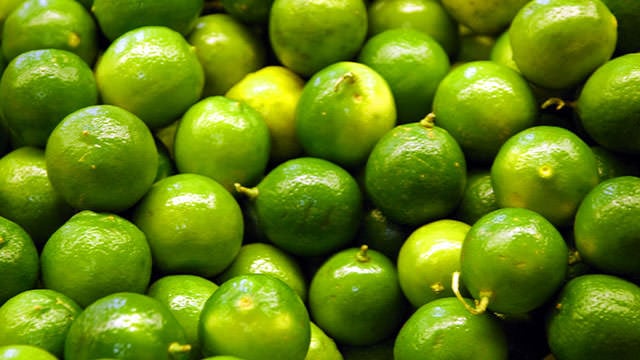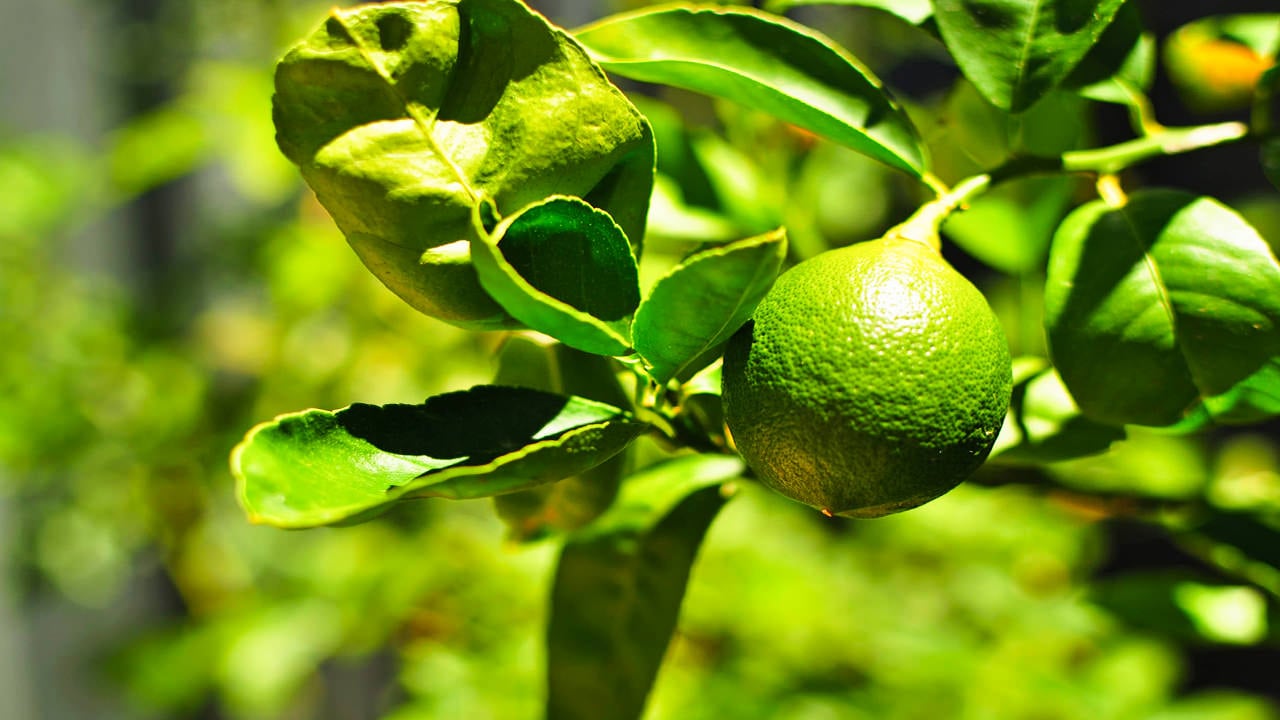
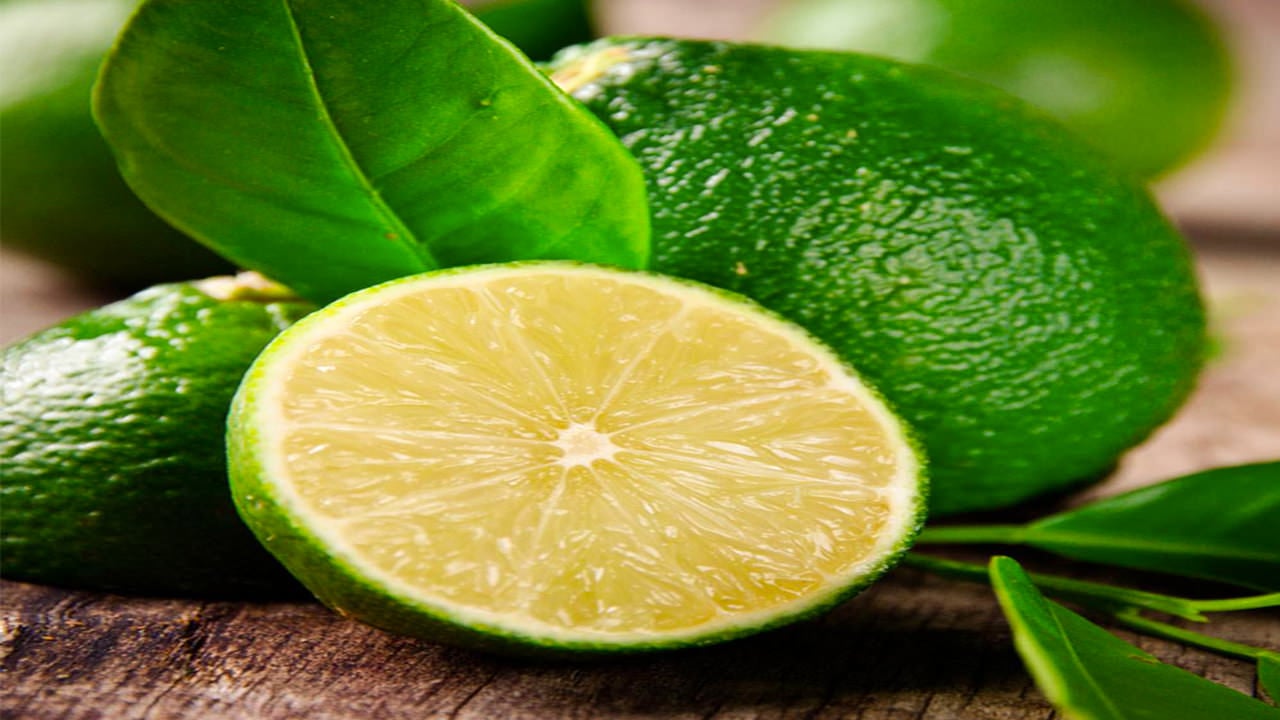
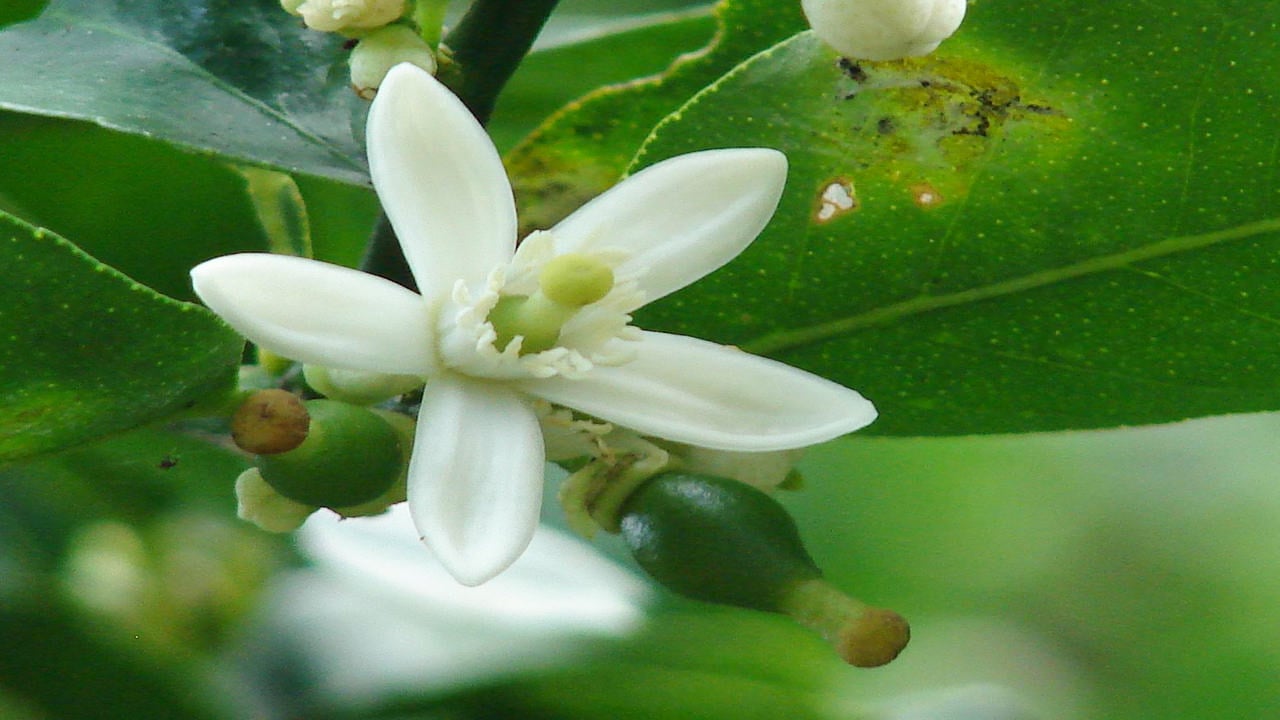
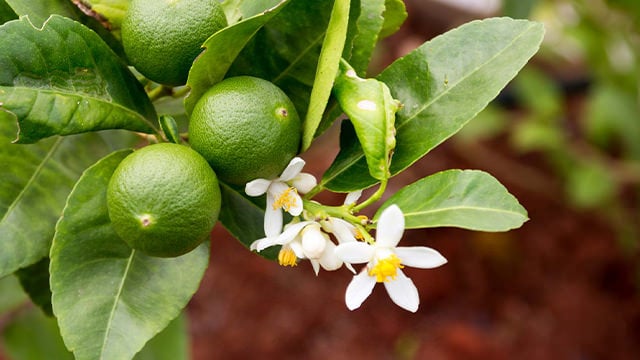

Citrus aurantifolia, known in Sinhala as හීන් දෙහි (Heen Dehi), is a small, thin-skinned lime cultivated widely across Sri Lanka and the tropics. The fruit ripens to yellow but is harvested and used most commonly while still green. Compared with other commercial lime varieties, Heen Dehi is notably more aromatic — its essential oils sit closer to the surface of the rind, releasing a sharp, floral scent the moment the skin is broken. In Sri Lanka it is a kitchen staple, a traditional remedy, and an ingredient in several Ayurvedic formulations.
What does Citrus aurantifolia taste like, and how is it used in Sri Lankan cooking?
The flavour of Heen Dehi is more intense and slightly more tart than that of the Persian lime found in most supermarkets worldwide. That concentration of flavour makes it the preferred souring agent in Sri Lankan home cooking. A squeeze finishes a coconut sambol, sharpens a fish curry, or brightens a glass of fresh juice on a hot afternoon.
Beyond everyday cooking, the juice is used in marinades, salad dressings, and cold drinks. The rind, rich in aromatic oils, is sometimes used to flavour desserts and confections. In Sri Lanka's rich tradition of rice and curry, Lunu Dehi — a salt-preserved lime pickle — is one of the most common condiment preparations made from this fruit.
Internationally, the Key Lime — a name applied to the same species — gives its character to Key Lime Pie, the dessert associated with the Florida Keys. The same variety's popularity in both tropical Asia and the Caribbean underlines how well the tree adapts to warm, humid climates.
What are the medicinal and Ayurvedic properties of Heen Dehi?
Citrus aurantifolia holds a place in the official catalogue of Ayurvedic medicinal plants of Sri Lanka, reflecting centuries of recorded therapeutic use. Modern phytochemical research has confirmed many of the properties that traditional practitioners long attributed to the fruit, peel, and leaves.
- Antibacterial and antifungal: Compounds in the juice and essential oil inhibit the growth of several common pathogens.
- Antioxidant: High vitamin C content and flavonoids help neutralise free radicals.
- Anti-inflammatory: Extracts have shown activity against inflammatory markers in laboratory studies.
- Anticancer potential: Limonoids present in citrus peels are under active research for their ability to slow certain cancer cell lines.
- Cardiovascular and metabolic support: Research suggests benefits for managing blood pressure, blood lipid levels, and blood sugar, though clinical evidence in humans remains ongoing.
- Liver and kidney support: Traditional use includes preparations that support liver function and help prevent urinary tract disorders.
It is worth noting that while the fruit is a valuable part of a balanced diet, it is not a replacement for medical treatment. Ayurvedic practitioners typically combine it with other plant medicines — some of which, like Acacia chundra, also appear in Sri Lanka's traditional pharmacopoeia.
Where is Citrus aurantifolia grown in Sri Lanka?
The tree thrives in Sri Lanka's low-country wet and intermediate zones, where rainfall is adequate and temperatures stay consistently warm. Home gardens throughout the island grow at least one or two trees; the fruit is rarely absent from a rural Sri Lankan kitchen compound. Commercial cultivation is less centralised than crops such as Ceylon Tea, but the lime is part of the informal agricultural economy in many districts.
The plant prefers well-drained soils and full sun. It is relatively drought-tolerant once established, making it practical in drier areas of the North and East as well. Trees begin bearing fruit within two to three years of planting and can produce year-round in tropical conditions, with peak harvests typically following the two monsoon seasons.
How does Heen Dehi compare with other Sri Lankan citrus and spice plants?
Citrus aurantifolia is one of several aromatic plants central to Sri Lankan cuisine and Ayurveda. While it provides acidity and volatile oils, other plants contribute different flavour dimensions: Ceylon black pepper brings heat, and Syzygium aromaticum (clove) contributes deep warmth and antiseptic properties. Together these plants form the backbone of Sri Lanka's spice heritage, which has attracted traders, colonists, and now culinary tourists for centuries.
Within the citrus family itself, Heen Dehi is smaller and more pungent than the larger Dehi (common lime) varieties also grown on the island. It is this intensity — of both flavour and aroma — that keeps it preferred for medicinal and culinary applications where a little goes a long way.
Can visitors see or experience Heen Dehi cultivation during a Sri Lanka trip?
Fruit farm visits are a genuine part of rural Sri Lanka's agri-tourism offering. At places like Midigama Fruit Farm, visitors can see tropical fruit trees including citrus varieties growing alongside other produce. Village walks in many parts of the island also pass home gardens where Heen Dehi trees grow alongside coconut palms and banana plants.
If you are interested in the broader spice and medicinal plant tradition, spice garden tours in the Kandy and Matale areas routinely feature citrus plants, along with demonstrations of how bark, root, leaf, and fruit are used in Ayurvedic preparations. These tours are easy to incorporate into a cultural itinerary centred around the Hill Country or the Kandy City Tour.
What products derived from Citrus aurantifolia are available in Sri Lanka?
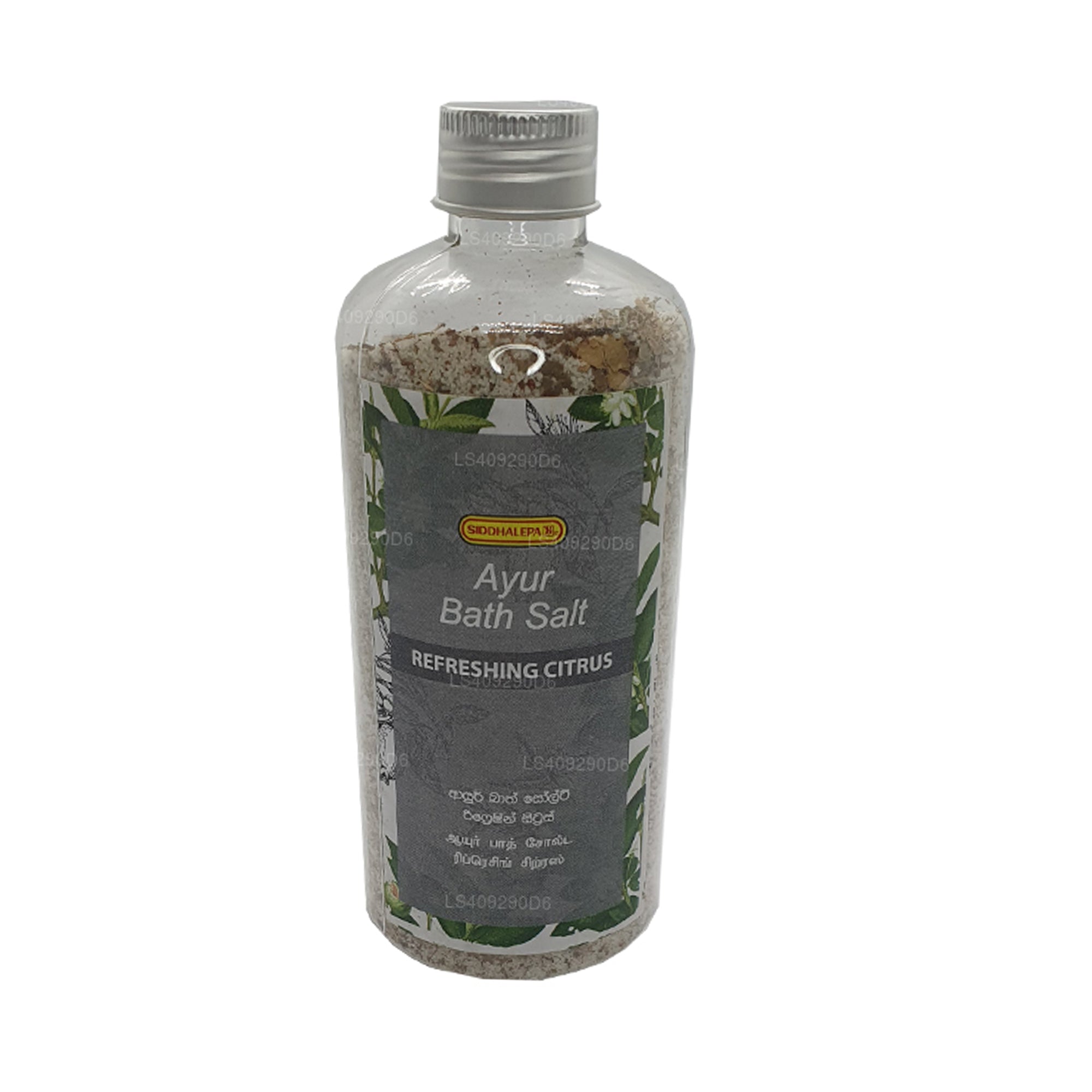
Beyond fresh fruit, the essential oil extracted from Heen Dehi rind is used in cosmetics, soaps, and aromatherapy products. Several Sri Lankan wellness brands — including those rooted in Ayurvedic formulation — incorporate citrus extracts into bath salts, shampoos, and facial products. The oil's antibacterial and astringent properties make it particularly common in skincare lines targeting oily or congested skin.
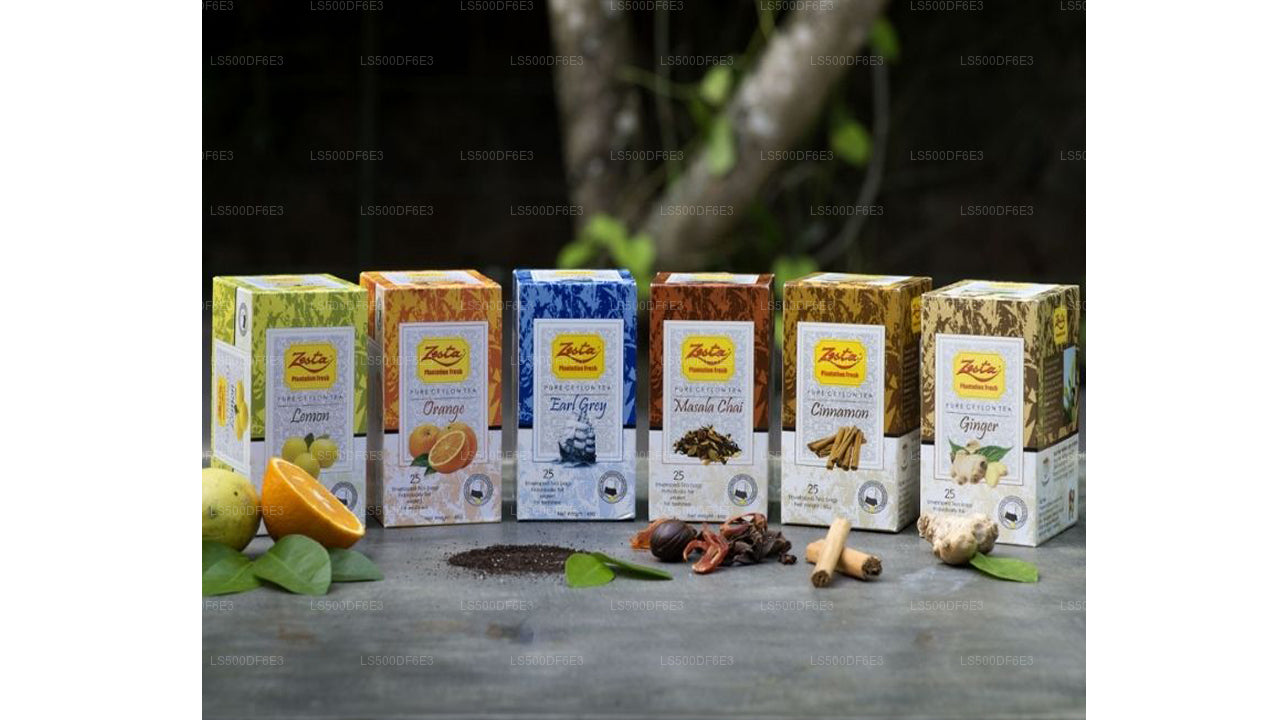
In the food sector, citrus-infused teas blend the fruit's aromatic zest with Ceylon black tea, producing a refreshing cup that carries both the heritage of Sri Lanka's tea industry and the island's citrus abundance. These make practical and lightweight souvenirs for travellers.