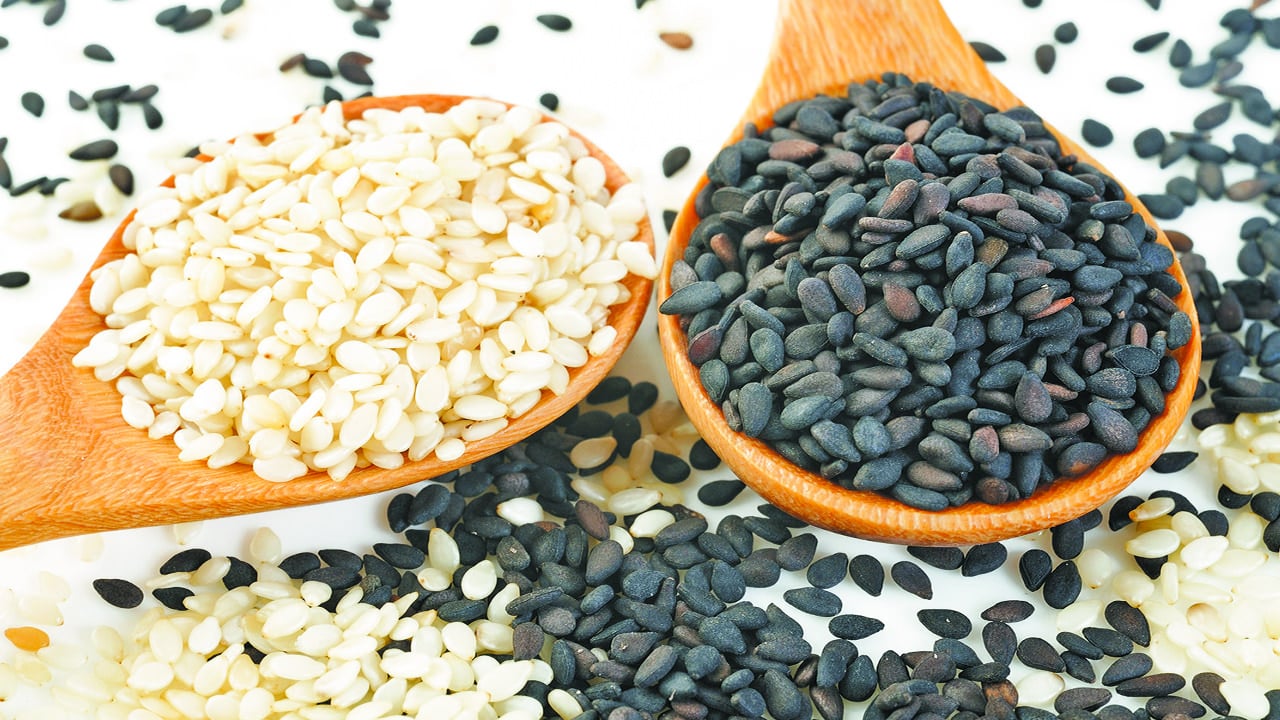
Sesame (Sesamum indicum), known in Sri Lanka as Thala, is one of the oldest cultivated oilseed crops in the world. Its documented history stretches back around 5,000 years, with evidence of cultivation across South Asia, East Asia, and the Middle East. In Sri Lanka, sesame occupies a quiet but important place in traditional medicine, home cooking, and small-scale agriculture — a plant that is easy to overlook yet deeply woven into everyday rural life.
What are the different varieties of sesame seeds?
Sesame seeds are not one-size-fits-all. The four most commonly recognised varieties, each with slightly different nutritional profiles and culinary applications, are:
- White sesame — the most widely used in cooking; mild flavour, high oil content
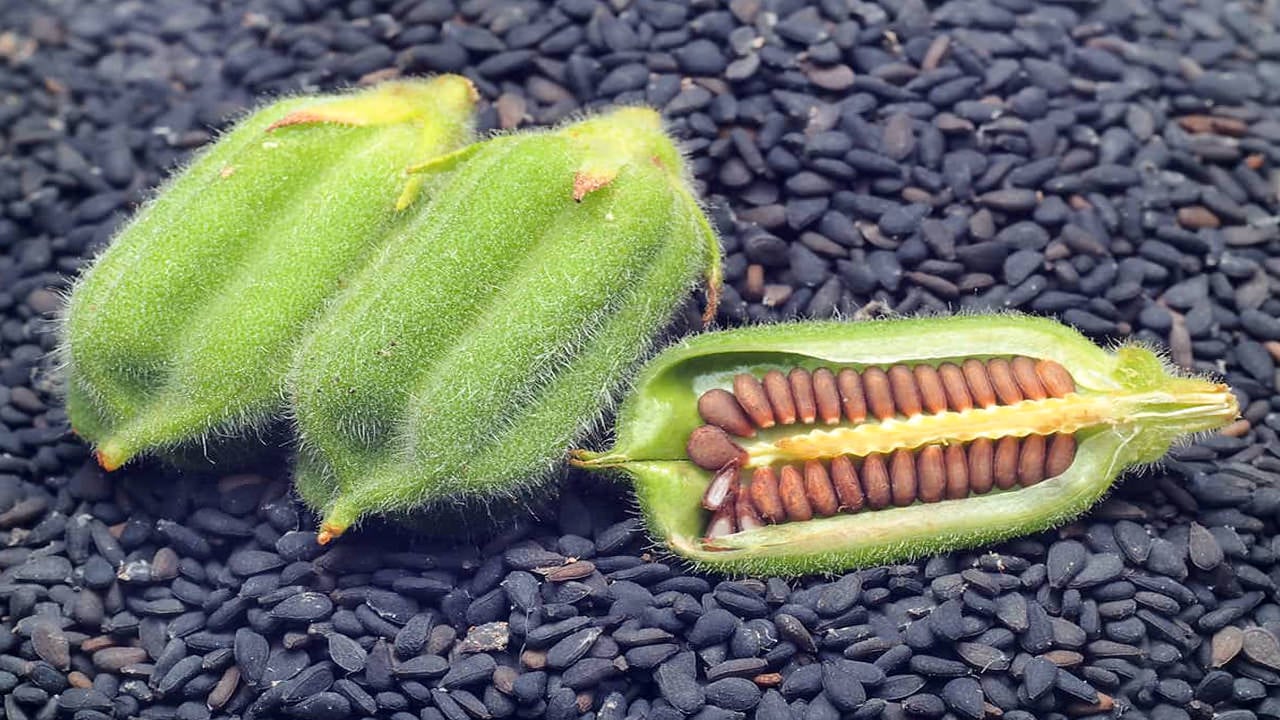
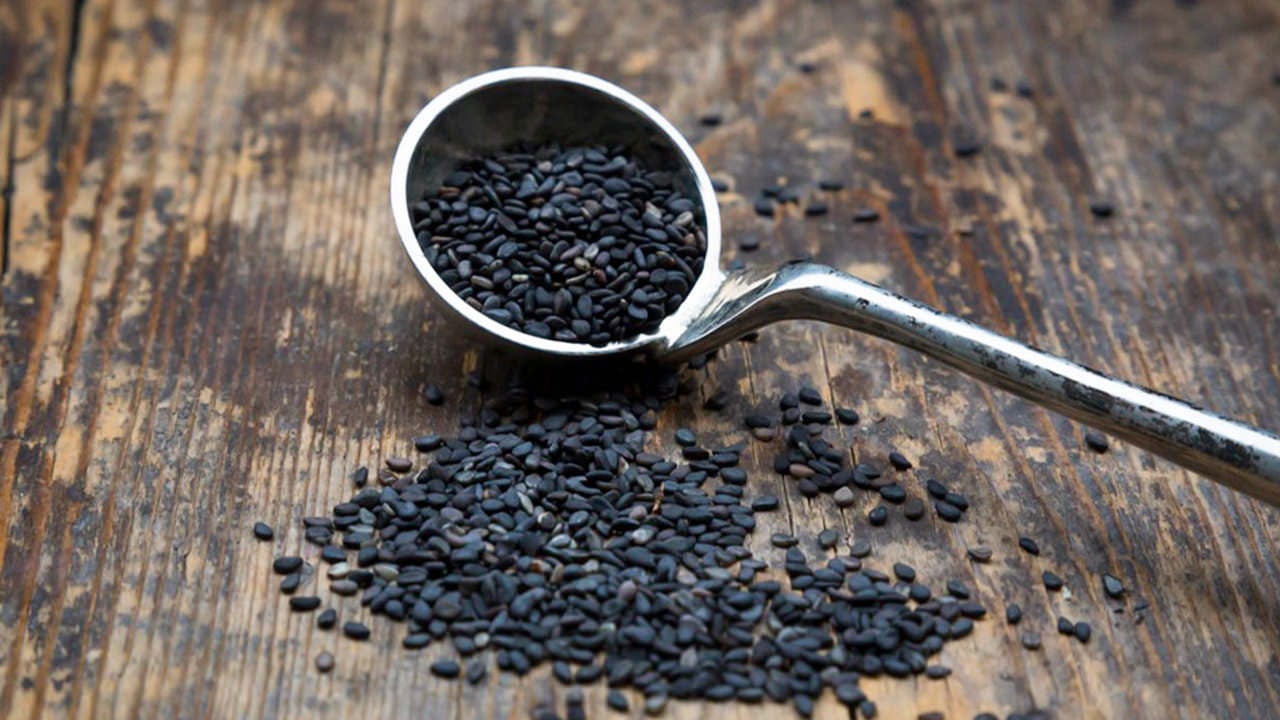
- Black sesame — nuttier and more aromatic; valued in Ayurvedic preparations
- Brown sesame — common in South and Southeast Asia; balanced oil and protein content
- Red sesame — less common; used in some traditional Sri Lankan remedies
All four varieties share a remarkably similar core nutrient composition, including healthy unsaturated fats, plant-based protein, calcium, magnesium, iron, and B-vitamins. The hull (outer coating) largely determines the colour, flavour intensity, and the concentration of certain antioxidants such as sesamin and sesamolin.
What nutritional properties does sesame have?
Sesame seeds are calorie-dense and nutrient-rich. A small quantity delivers meaningful amounts of copper, manganese, calcium, and zinc — minerals that are often under-consumed in plant-based diets. The seeds also contain lignans, a class of plant compounds associated with antioxidant activity. Sesame oil, cold-pressed from the seeds, has long been used in Ayurvedic practice as a base for therapeutic preparations, appreciated for its stability and mild anti-inflammatory character.
The combination of healthy fats, fibre, and micronutrients makes sesame a valuable addition to a balanced diet, whether consumed as whole seeds, tahini (ground sesame paste), or extracted oil. In Sri Lanka, Ceylon black pepper and sesame are both traditional staples that have attracted renewed scientific interest for their bioactive compounds.
What are the traditional medicinal uses of Sesamum indicum in Sri Lanka?
Sri Lankan traditional medicine — rooted in Ayurveda and indigenous Sinhala medical texts — attributes a wide range of therapeutic properties to sesame. These uses are recorded in historical texts and are still practiced in some rural communities. It is worth noting that these are traditional claims; anyone seeking treatment for a medical condition should consult a qualified healthcare practitioner.
- Cardiovascular support — Sesame seeds contain potassium, magnesium, and lignans that traditional practitioners associate with heart health. Scientific research is ongoing regarding sesame's role in managing blood pressure and cholesterol.
- Bone health — The calcium and phosphorus in sesame are traditionally linked to maintaining bone density, particularly relevant as a plant-based calcium source.
- Hair and scalp care — Sesame oil is massaged into the scalp in traditional practice, believed to nourish hair roots and reduce premature greying.
- Skin ailments — Sesame oil is used in traditional preparations to soothe dry skin conditions including eczema and minor rashes.
- Urinary health — A traditional remedy involves boiling sesame plant stalks and drinking the resulting water, historically used to support the dissolution of urinary stones. This is a folk practice; medical advice should always be sought for urinary conditions.
- Anaemia — Black sesame seeds in particular are used in some Ayurvedic formulations intended to support healthy iron levels.
- Headache and migraine — A traditional application involves grinding sesame seeds with milk and applying the paste to the forehead. The practice is documented in folk medicine, though clinical evidence is limited.
- Cholesterol management — Sesame lignans, particularly sesamin, have been studied for their potential to modulate LDL cholesterol, supporting a long-standing traditional belief.
How is sesame used in Sri Lankan food and daily life?
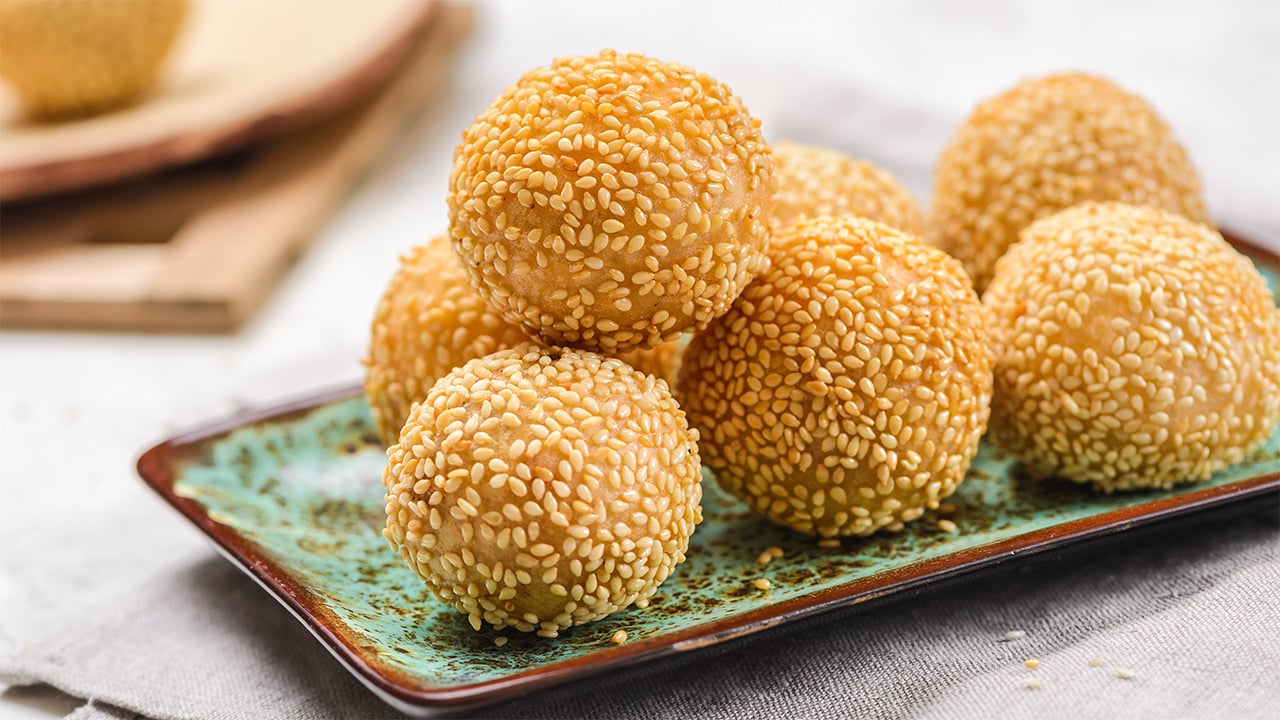
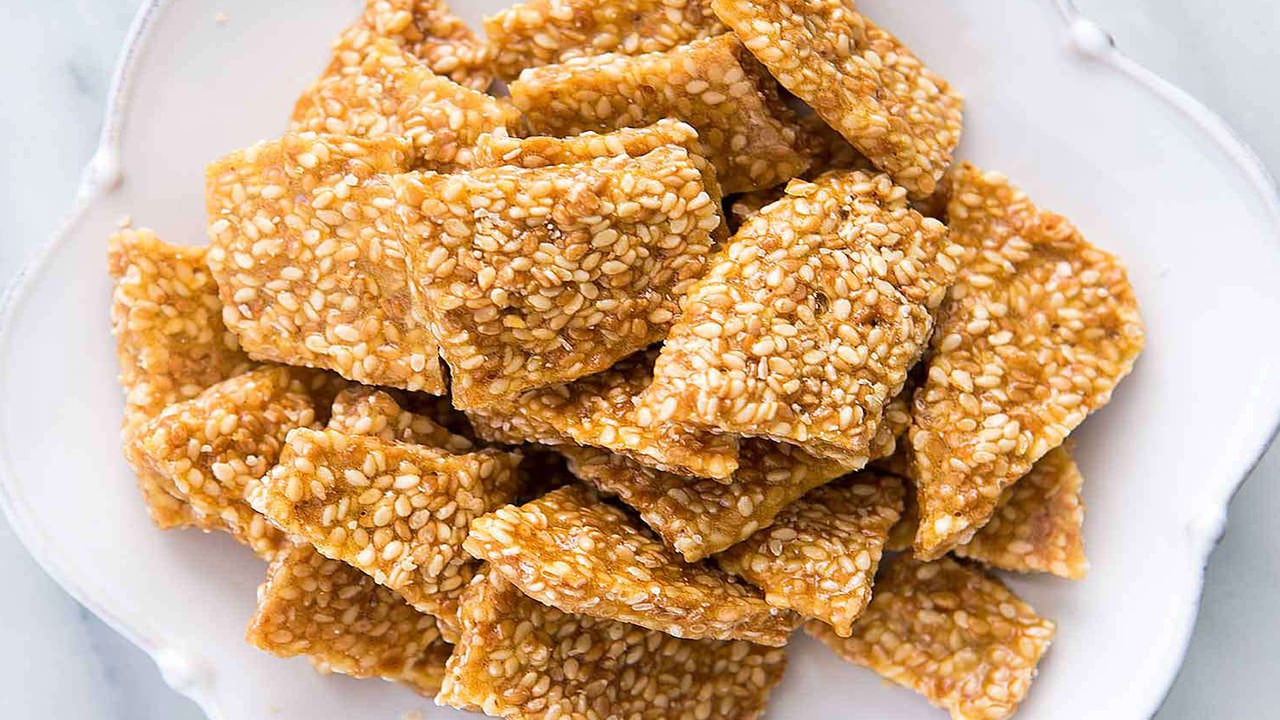
Sesame appears across Sri Lankan cuisine in ways that range from the obvious to the subtle. Whole seeds are sprinkled over sweets and breads; sesame oil flavours stir-fries and is used for deep frying in certain regional recipes. The seeds appear in traditional confections such as pani kadju preparations and in rice-based festival foods. Sesame also plays a role in condiments — a quality it shares with other strong-flavoured additions like lunu dehi (lime pickle), where bold secondary ingredients complement a mild staple base.
Beyond the kitchen, sesame oil is found in Ayurvedic massage preparations and herbal remedies sold in local apothecaries across the island. Its dual role as food and medicine reflects a broader Sri Lankan tradition of treating plants as integral to both nutrition and healthcare.
When should sesame seeds be avoided?
Traditional medical guidance advises caution with sesame in certain conditions. People experiencing digestive complaints — including nausea, vomiting, or stomach inflammation — are generally advised to avoid consuming sesame in quantity. Individuals with known sesame allergies should avoid all forms, including sesame oil and tahini. As with any supplement or therapeutic food, pregnant women and those on medication should seek medical advice before significantly increasing sesame intake.
Where is sesame grown in Sri Lanka?
Sesame is cultivated primarily in the dry zone districts of Sri Lanka, where the warm temperatures and well-drained sandy or loamy soils suit the plant's requirements. The North Central Province — the agricultural heartland of the ancient irrigation civilisation — has historically been one of the main growing areas. Sesame is a short-duration crop (typically 80–120 days from sowing to harvest), which makes it suitable for rotation with paddy in the dry season, as seen in traditional farming systems across the region explored around sites like the Kumbura paddy fields.
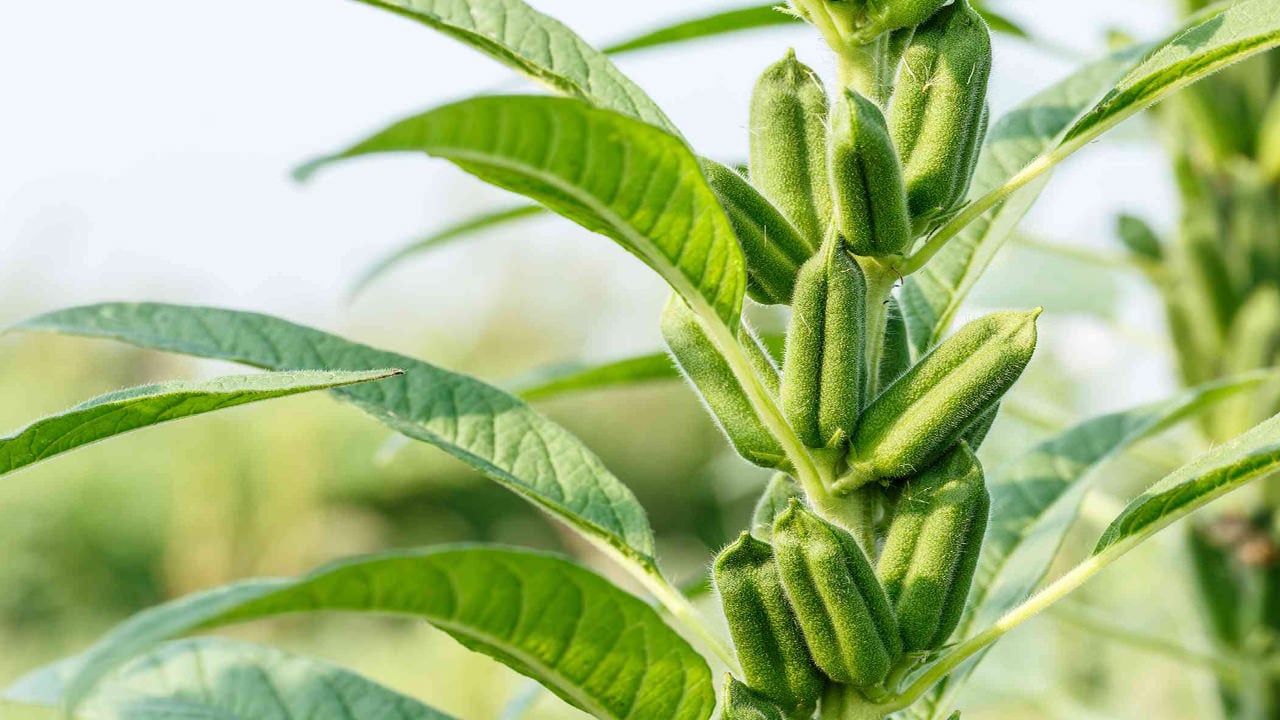
The plant itself is drought-tolerant, reaching roughly one to two metres in height, with pale pink or white tubular flowers. The seed pods split open at maturity — the origin of the expression "open sesame" — and must be harvested promptly to avoid seed loss.
How does Sesamum indicum relate to Ayurvedic practice in Sri Lanka?
Ayurveda, the classical Indian medical system widely practiced in Sri Lanka, classifies sesame as a warming, nourishing substance appropriate for vata-dominant constitutions. Sesame oil (tila taila) is a foundational ingredient in many Ayurvedic formulations, used both internally and as the base for medicated oils applied in treatments such as abhyanga (therapeutic massage). Sri Lanka has a tradition of indigenous Ayurvedic formulation that draws on related herbal preparations; compounds such as Yogaraja Guggulu and Kaishore Guggulu illustrate how sesame oil and other plant extracts are combined in classical Ayurvedic recipes still prepared today.
The sesame plant, in short, is far more than a culinary seed. Its 5,000-year history in South and Southeast Asian civilisations reflects a sophisticated understanding of its nutritional density and therapeutic versatility — one that modern nutritional science continues to examine and, in many cases, to substantiate.