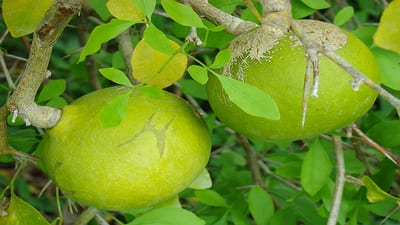
Annona muricata — known in Sinhala as anoda and widely recognised by its English name soursop — is a tropical fruit tree native to Central and South America that has been cultivated across Sri Lanka for generations. With its distinctive spiky green skin, soft white pulp, and a flavour that sits somewhere between mango and pineapple, soursop is one of the more intriguing fruits you will encounter in the island's lowland markets and home gardens.
What is soursop and how does it taste?
Soursop belongs to the Annonaceae family, a group of flowering plants that includes custard apple and cherimoya. The fruit can grow quite large — sometimes weighing over two kilograms — and its interior is divided into segments of creamy white flesh wrapped around large black seeds. The flavour is sweet with a pronounced acidic edge: refreshing rather than cloying, and unmistakably tropical. In Sri Lanka it is most often eaten fresh, blended into juice, or stirred into chilled desserts.
What are the nutritional benefits of soursop?
Soursop is a notably nutrient-dense fruit. A single serving provides meaningful amounts of vitamin C, B vitamins (particularly B1, B2, and B3), dietary fibre, potassium, and magnesium. One whole fruit can supply well over 200% of the recommended daily intake of vitamin C, which supports immune function, collagen synthesis, and protection against oxidative stress.
- Fibre: Supports healthy digestion and helps prevent constipation.
- Antioxidants: The fruit contains phytosterols, tannins, and flavonoids that help neutralise free radicals.
- Vitamin C: Plays a role in immune defence and skin health.
- B vitamins: Contribute to energy metabolism and nervous system function.
- Potassium: Important for healthy blood pressure and muscle function.
Because soursop is also relatively low in calories for the nutritional value it delivers, it fits naturally into a balanced diet alongside other tropical staples such as coconut.
How is soursop used in traditional Sri Lankan medicine?
In Ayurvedic and folk medicine traditions across Sri Lanka, almost every part of the soursop plant is put to use. The leaves are the most widely employed: dried or fresh, they are steeped into herbal infusions believed to support sleep, reduce inflammation, and strengthen the immune system. The bark and roots have been used in preparations aimed at calming the nervous system, while the seeds — which are not edible — have historically been applied externally in some traditional contexts.
Research into the bioactive compounds in soursop, particularly acetogenins found in the leaves and pulp, has attracted scientific interest in recent decades. Laboratory studies have explored whether these compounds influence the behaviour of certain cancer cell lines, and some findings have been promising. However, this research remains at an early stage: the clinical evidence in humans is not yet sufficient to support specific medical claims, and soursop should not be regarded as a substitute for conventional medical treatment.
Does soursop have anti-inflammatory or antimicrobial properties?
Several studies have found that extracts from soursop leaves and fruit contain compounds with anti-inflammatory and antimicrobial activity in laboratory settings. The flavonoids and alkaloids present appear to inhibit certain inflammatory pathways, which may partly explain the plant's long history of use for conditions involving pain and swelling. Antimicrobial tests have shown activity against a range of bacteria and fungi, though most of this work has been done in vitro rather than in clinical trials. As always, traditional use and emerging science together suggest potential, but neither is a substitute for medical advice.
Where is soursop grown in Sri Lanka?
Annona muricata thrives in the warm, humid lowland zones that cover much of Sri Lanka's coast and interior plains below around 400 metres elevation. The tree is drought-sensitive and prefers well-drained, slightly acidic soils with reliable rainfall. Home gardens in the Wet Zone — particularly in the Western, Southern, and Sabaragamuwa provinces — commonly feature a soursop tree or two. Smaller-scale commercial cultivation exists in the North Western and Northern provinces as well.
The main harvest season typically runs from May through September, though fruiting can occur year-round on healthy trees in ideal conditions. Visitors to rural areas and fruit farms — such as Midigama Fruit Farm — may encounter soursop alongside other tropical varieties during this period.
How is soursop consumed and what products are made from it?
Fresh soursop is best eaten straight from the fruit once the flesh softens to the touch — a sign the sugars have fully developed. The pulp is scooped out, seeds discarded, and the flesh enjoyed as is or pressed through a sieve to remove fibrous strands before blending.
Beyond eating it fresh, soursop lends itself well to:
- Juice and smoothies: Blended with water or coconut milk and a touch of lime, soursop juice is one of the most refreshing drinks on a hot day.
- Ice cream and sorbet: The sharp sweetness of soursop pairs well with the richness of cream or the clean simplicity of a water ice.
- Herbal teas: Dried soursop leaves are sold loose or in teabags and brewed as a caffeine-free infusion.
- Capsules and extracts: Concentrated soursop leaf extracts are marketed as dietary supplements in health stores locally and internationally.
- Jams and preserves: The pulp can be cooked down with sugar into a thick conserve used in pastries and desserts.
How does soursop compare to similar tropical fruits?
| Fruit | Family | Flavour profile | Primary use in Sri Lanka |
|---|---|---|---|
| Soursop (Annona muricata) | Annonaceae | Sweet-tart, tropical | Fresh, juice, herbal tea |
| Custard apple (Annona squamosa) | Annonaceae | Sweet, creamy | Fresh, desserts |
| Jackfruit (Artocarpus heterophyllus) | Moraceae | Sweet, musky | Fresh, cooked, preserves |
| Rambutan (Nephelium lappaceum) | Sapindaceae | Lychee-like, mild | Fresh, juice |
Are there any precautions to consider when consuming soursop?
Soursop is safe for most people when eaten as a food in normal amounts. However, a few points are worth bearing in mind. The seeds contain toxic alkaloids and should not be eaten. Very high consumption of soursop — particularly in supplement or concentrated extract form — has been associated in some studies with neurological effects linked to certain alkaloids, and individuals with Parkinson's disease are generally advised to avoid large quantities. Pregnant women and those on medication should consult a doctor before taking soursop supplements, as interactions have been noted with certain antihypertensive and antidiabetic drugs. Eating the fruit occasionally as part of a varied diet carries none of these concerns for most healthy adults.
Where can you buy soursop in Sri Lanka?
Fresh soursop is most reliably found at local market stalls in the Western and Southern provinces during the main season (May to September). Colombo's Manning Market and regional Pola (weekly open-air markets) typically stock it alongside other seasonal fruits. Health food shops in tourist areas carry dried leaves, teabags, and capsule supplements year-round. Some supermarkets in Colombo stock packaged soursop pulp in the frozen or chilled sections.
Other species in this genus
4 more, sharing the same genus.