
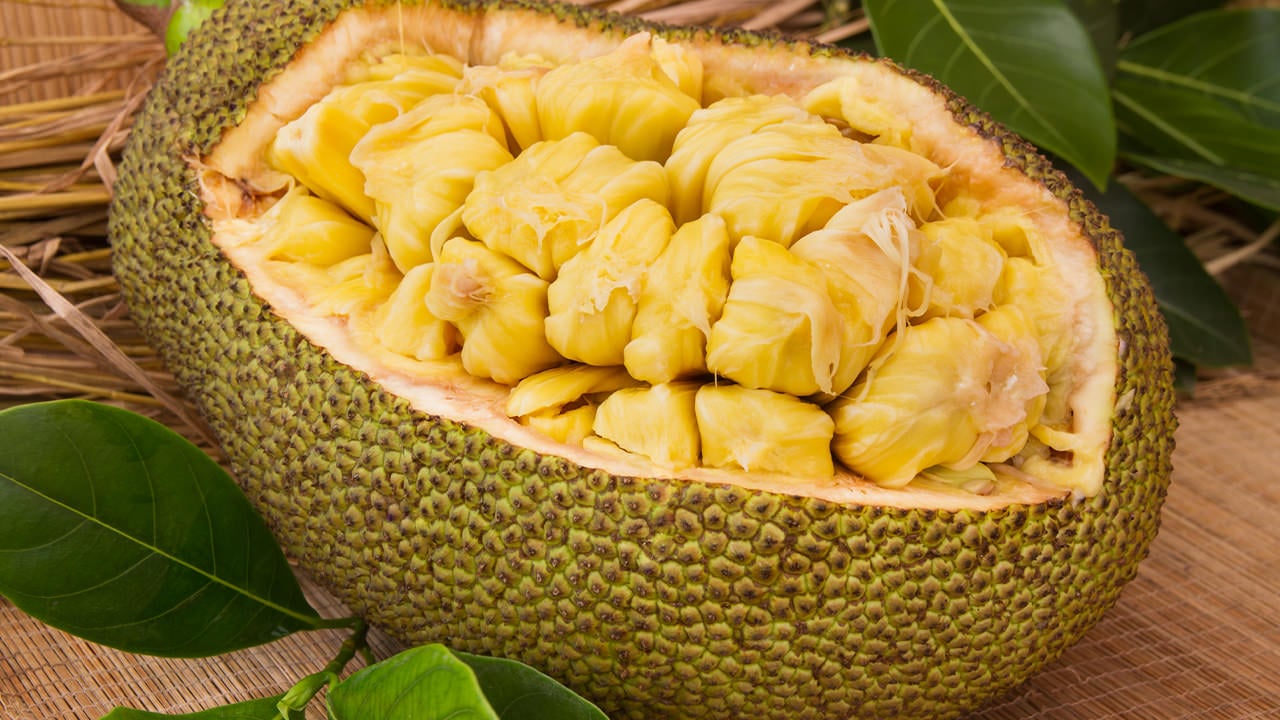
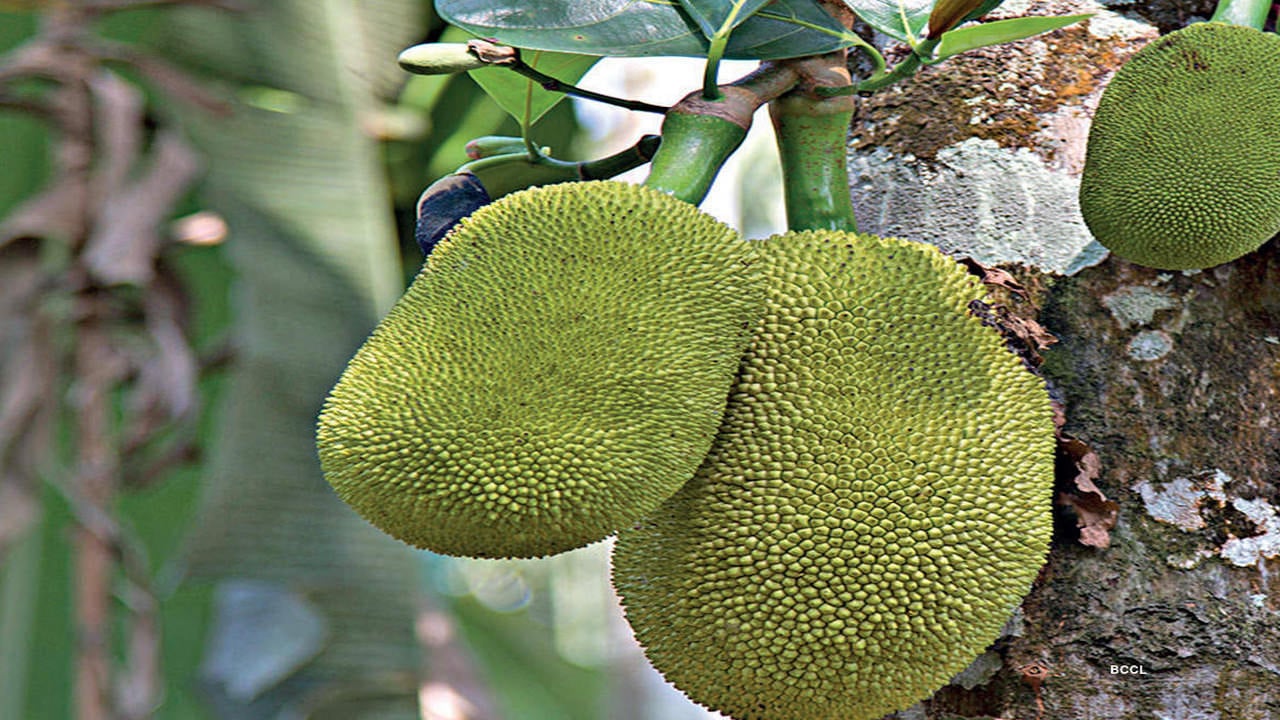
Jackfruit — known scientifically as Artocarpus heterophyllus and locally as Kos (කොස්) — is one of Sri Lanka's most culturally embedded food plants. Believed to have originated in the southwestern rainforests of India's Western Ghats, the tree has grown across South and Southeast Asian tropical lowlands for thousands of years, finding a particularly comfortable home in Sri Lanka's wet zone.
What makes jackfruit the world's largest tree fruit?
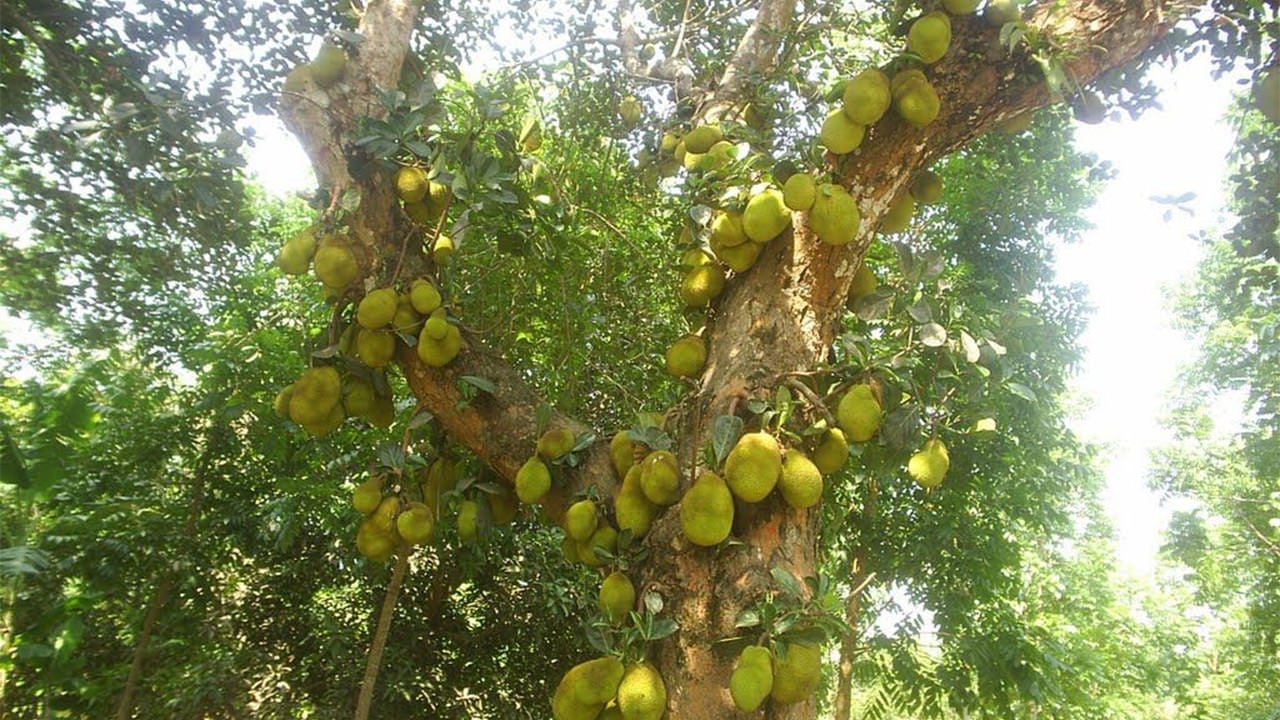
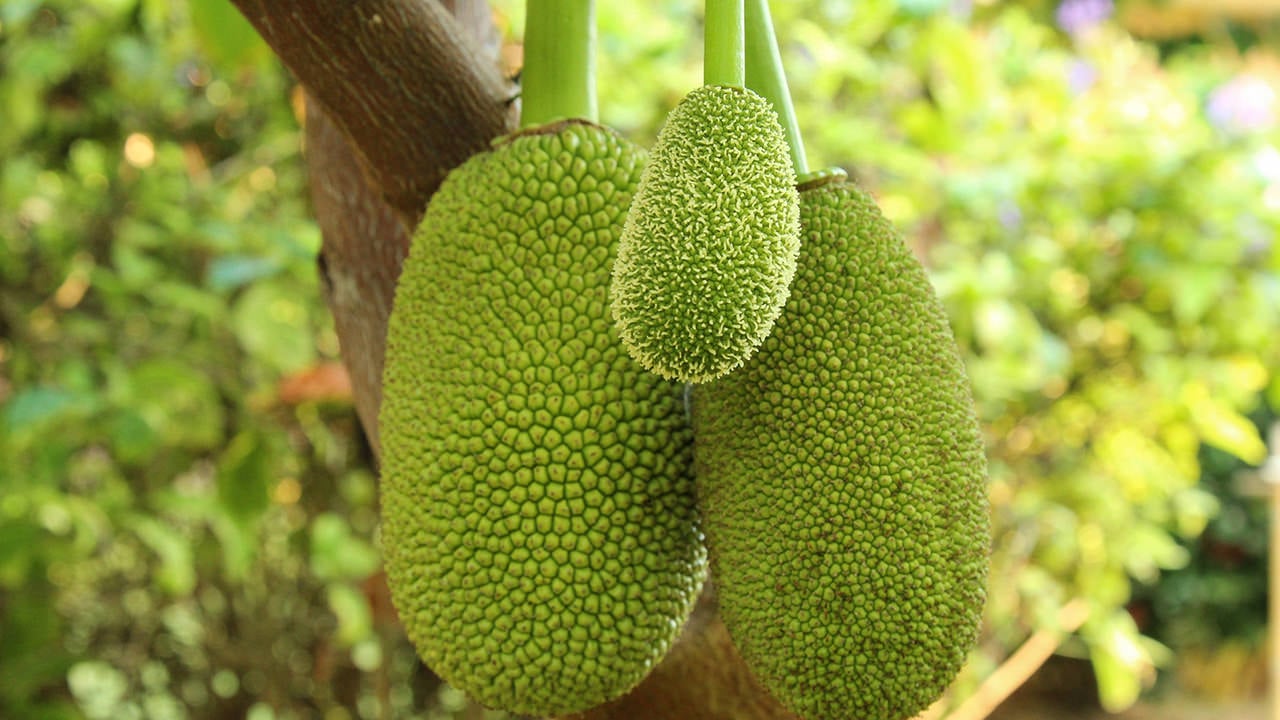
The jackfruit holds a well-documented botanical record: it is the largest fruit produced by any tree on earth. A single fruit can weigh up to 36 kg and measure around 90 cm in length and 50 cm in diameter. These dimensions aren't exceptional outliers — mature trees routinely produce fruits in the 15–20 kg range. A healthy, well-established jackfruit tree can bear between 100 and 200 fruits in a productive year, though a typical yield from a cultivated tree in Sri Lanka sits closer to 40–60 fruits per season.
The tree itself grows tall — commonly reaching 18–25 metres — and is well-suited to the humus-rich soils of the lowland wet zone. It needs full sun and is sensitive to waterlogging, but once established it is remarkably productive. Seeds are dispersed naturally by animals, including squirrels and crows, which contributes to the tree's spread across homegardens, forest edges, and village land throughout the island.
What are the two varieties of jackfruit grown in Sri Lanka?
Sri Lankan farmers traditionally recognise two main varieties of jackfruit: Wela and Waraka. The Wela variety has a softer, more fibrous flesh and is preferred for cooking unripe, while Waraka tends to have firmer, sweeter bulbs and is more commonly eaten ripe as a fresh fruit. Both varieties are grown across the wet zone lowlands, and both play a role in Sri Lankan home cooking. The fruiting season runs broadly from April to July, though trees in lower elevations may produce outside this window.
How is jackfruit used in Sri Lankan cooking?
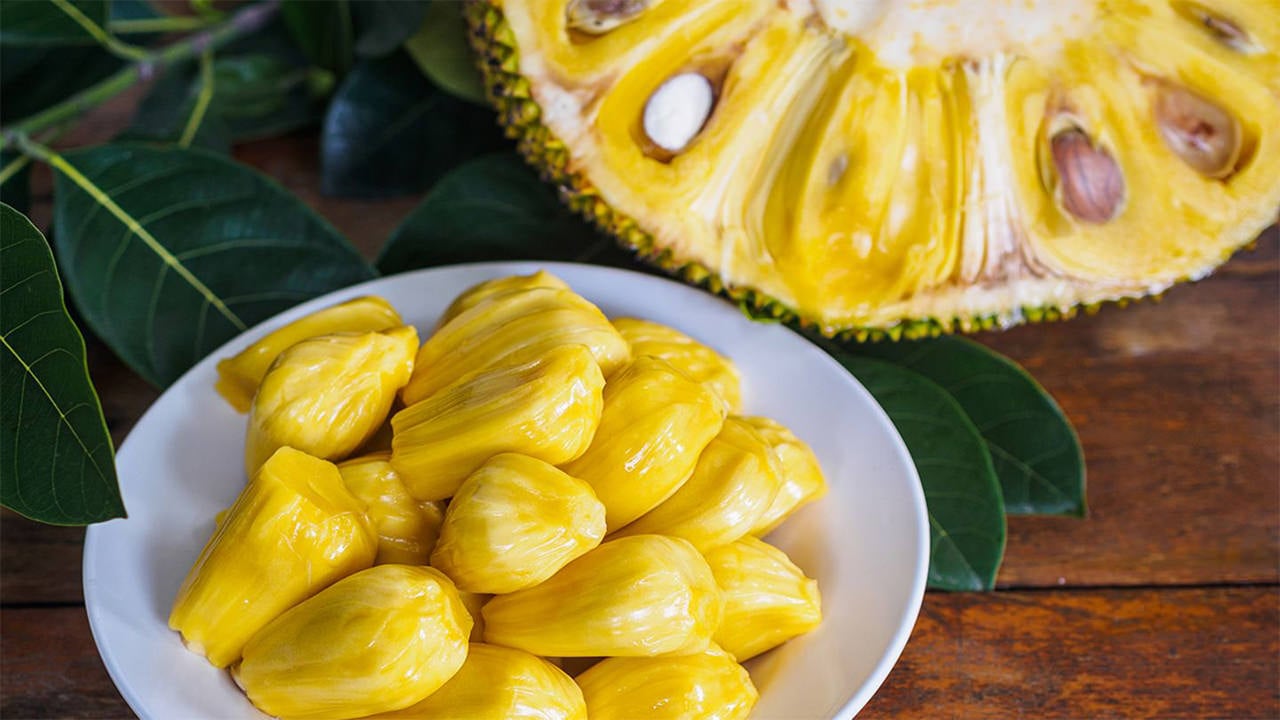
In Sri Lanka, jackfruit is eaten at every stage of its development. Young, unripe jackfruit — called polos — is cooked as a curry with coconut milk, chilli, and a spice paste that often includes Ceylon black pepper. It has a dense, meaty texture that absorbs flavour well, making polos curry one of the most recognised dishes in the local repertoire. Slightly more mature jackfruit — kos — is boiled, seeded, and eaten as a starchy side, sometimes simply salted. Ripe jackfruit bulbs are sweet and aromatic, consumed fresh or preserved. Even the seeds are boiled or roasted and eaten as a snack.
The tree is deeply embedded in the Sri Lankan homegarden system. Alongside coconut, it is one of the most consistently productive food trees a rural household can maintain, requiring little intervention once established.
What are the Ayurvedic and nutritional properties of jackfruit?
Artocarpus heterophyllus holds a formal place in the catalogue of Ayurvedic medicinal plants of Sri Lanka. Traditional Ayurvedic practice attributes several therapeutic properties to different parts of the tree and fruit.
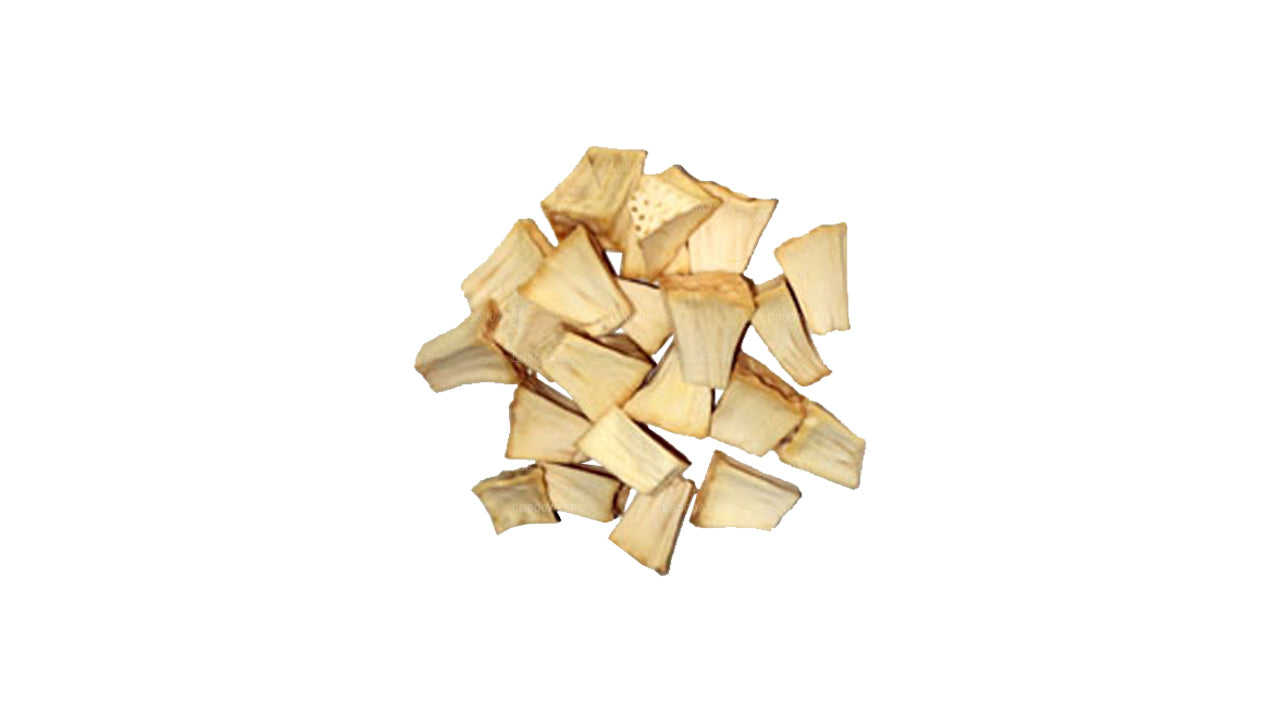
- Digestive support: A decoction made from jackfruit — sometimes referred to as kos gat — is traditionally used to regulate bowel function and address loose stools caused by dietary imbalance.
- Lactation support: Certain preparations from jackfruit are used in traditional medicine to support milk production in lactating mothers.
- Nutritional density: Ripe jackfruit is a source of vitamins, minerals, and antioxidants. It is particularly associated in traditional use with supporting eye health, attributed to its vitamin and mineral content.
- Pregnancy nutrition: Cooked jackfruit, especially as a curry or boiled preparation, is considered a strengthening food for pregnant women in Ayurvedic dietary guidance.
- Appetite stimulation: Jackfruit-based dishes are traditionally recommended for individuals with poor appetite, particularly during recovery from illness.
Fermented preparations of jackfruit are also used in traditional contexts, and are considered particularly nutrient-dense compared to fresh preparations alone.
Where does jackfruit grow in Sri Lanka?
Jackfruit thrives in Sri Lanka's wet zone lowlands — the south-western and central-western parts of the island where annual rainfall is high and humidity sustains the tree year-round. It is a common sight in homegardens from Gampaha and Colombo districts down through Ratnapura and Kalutara. The tree also grows in the intermediate zone, though it performs less reliably in dry or elevated areas.
Visitors to the Sinharaja Forest Reserve area and the rural villages surrounding it will encounter jackfruit trees as a standard feature of the agricultural landscape. The Midigama Fruit Farm offers a direct encounter with jackfruit and other tropical species in a guided setting.
What is the ecological role of the jackfruit tree?
Beyond its food value, Artocarpus heterophyllus provides structural habitat value in tropical agroforestry systems. Its dense canopy offers shade for understorey crops, and its large fruit supports wildlife — particularly fruit bats, birds, and small mammals — which in turn assist in seed dispersal. The wood is also valued for furniture and construction, and the latex from the trunk and unripe fruit has traditional uses as an adhesive and sealant.
In the context of food security discussions across South and Southeast Asia, jackfruit has attracted growing attention as a high-yield, low-input crop that tolerates moderate drought once mature, making it relevant to climate adaptation strategies for smallholder farmers.
How is jackfruit connected to Sri Lanka's broader spice and plant heritage?
Sri Lanka's tropical forest and agricultural landscape supports an extraordinary range of food and medicinal plants. Jackfruit sits alongside species such as clove (Syzygium aromaticum) and Pongamia pinnata in the island's Ayurvedic and ethnobotanical traditions. This diversity reflects the island's position at the intersection of ancient trade routes and its own exceptional biodiversity, particularly in the wet zone forests.
For travellers interested in Sri Lanka's living plant heritage, markets in Colombo, Kandy, and Galle regularly stock fresh polos and ripe jackfruit during season, and rural homegarden visits — often arranged through local guides — offer a more direct connection to how these trees are cultivated and used in daily life.
Other species in this genus
4 more, sharing the same genus.