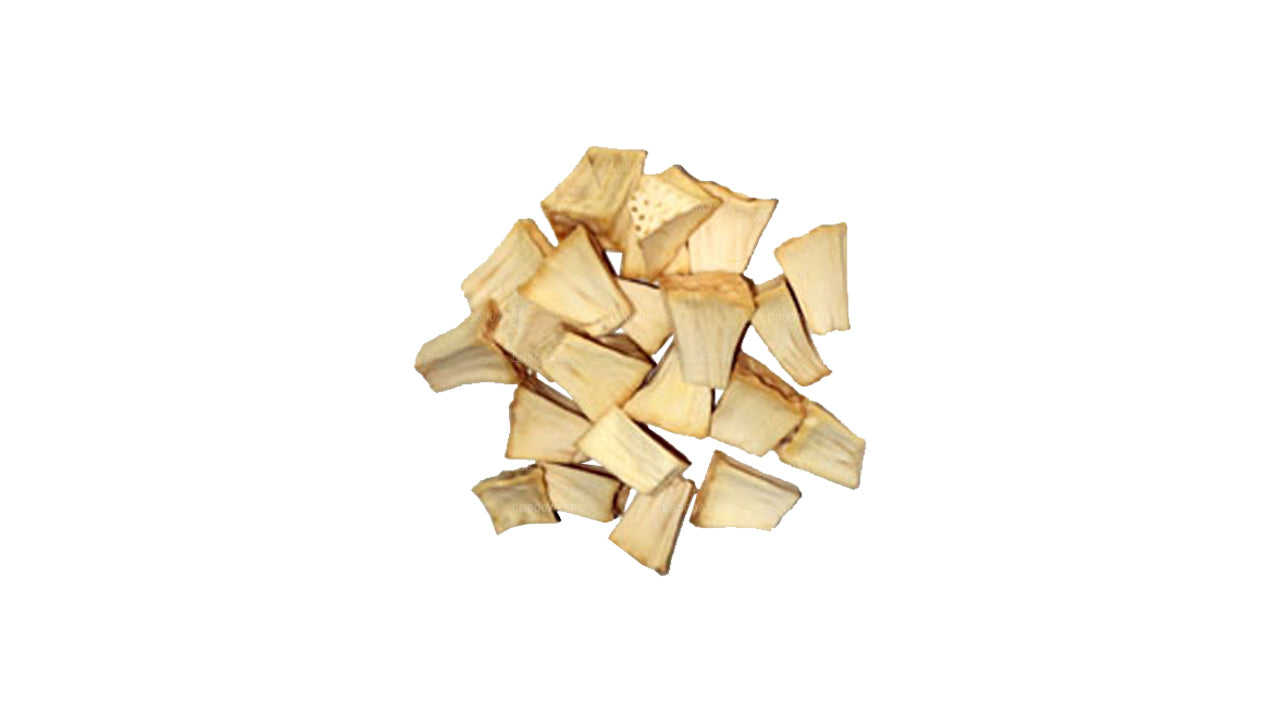




Artocarpus nobilis is a lesser-known but botanically significant tree native to Sri Lanka, belonging to the Moraceae family — the same broad family that includes breadfruit and jackfruit. Revered within the island's long tradition of Ayurvedic medicine, this endemic species has quietly supported rural and monastic communities for centuries, offering therapeutic properties that modern ethnobotanical research is beginning to examine more closely.
What is Artocarpus nobilis and where does it grow?
Artocarpus nobilis is an evergreen tree endemic to Sri Lanka, meaning it grows naturally nowhere else on Earth. It favours the wet lowland and sub-montane forests of the island's south-western and central regions, thriving at elevations typically below 1,000 metres in areas of high rainfall. The tree can reach a considerable height at maturity, bearing large, lobed leaves and producing fruit with a rough, knobbled exterior similar in structure to its close relative, the breadfruit (coconut groves often border the same lowland zones where this species appears).
Because A. nobilis is endemic, its distribution is closely tied to the health of Sri Lanka's remaining lowland rainforest patches. Forests such as Sinharaja Forest Reserve — a UNESCO World Heritage Site — represent the kind of intact habitat this species depends on for long-term survival.
What role does Artocarpus nobilis play in Ayurvedic medicine?
In the Sri Lankan Ayurvedic tradition, Artocarpus nobilis is catalogued as a medicinal plant with several documented applications. Various parts of the tree — including the bark, root, and fruit — have been used by traditional practitioners (veda mahattayas) in preparations intended to address inflammatory conditions, skin complaints, and digestive ailments. The latex of related Artocarpus species has long been applied topically in South and Southeast Asian medicine, and similar uses are recorded for A. nobilis in Sri Lankan ethnobotanical literature.
Sri Lanka's Ayurvedic pharmacopoeia is one of the richest in Asia, drawing on millennia of documented practice. Plants like A. nobilis sit alongside better-known ingredients such as Syzygium aromaticum (cloves) and Acacia chundra in a sophisticated system of herbal compounding that assigns specific qualities, tastes, and post-digestive effects to each ingredient.
How does Artocarpus nobilis compare to other Artocarpus species?
The genus Artocarpus contains around 70 species distributed across tropical Asia and the Pacific. In Sri Lanka, the most culturally familiar member is Artocarpus heterophyllus — the jackfruit (kos in Sinhala) — which is both a dietary staple and a medicinal resource. Artocarpus altilis, the breadfruit (del), is another widely cultivated relative that has been used as a famine-relief food for generations.
Artocarpus nobilis is distinct from both in that it is not commonly cultivated for food. Its value is primarily medicinal and ecological, making it important to conserve in its natural forest habitat rather than in orchards or home gardens. The table below provides a brief comparison of key Sri Lankan Artocarpus species.
| Species | Common Name (Sinhala) | Primary Use | Endemism |
|---|---|---|---|
| Artocarpus nobilis | Hedun / Rath del | Ayurvedic medicine | Endemic to Sri Lanka |
| Artocarpus heterophyllus | Kos | Food, timber, medicine | Native (widespread) |
| Artocarpus altilis | Del | Food (staple crop) | Introduced/naturalised |
What active compounds are found in Artocarpus nobilis?
Phytochemical studies on Artocarpus nobilis have identified a range of secondary metabolites, including flavonoids, prenylated compounds, and stilbene derivatives. Some of these compounds have shown antioxidant, anti-inflammatory, and antimicrobial properties in laboratory settings. It is worth noting that in vitro findings do not automatically translate into clinically proven treatments, and traditional Ayurvedic preparations involve complex multi-ingredient formulations rather than isolated compounds.
Research interest in the genus has grown internationally, partly because certain Artocarpus species yield compounds with potential relevance to metabolic and dermatological conditions. Sri Lanka's endemic species, including A. nobilis, represent an underexplored reservoir of biodiversity that underlines the conservation importance of the island's remaining forests.
Why is conserving Artocarpus nobilis important?
As an endemic species, Artocarpus nobilis faces pressures common to much of Sri Lanka's lowland wet-zone flora: habitat loss through agricultural expansion, timber extraction, and urban encroachment. The survival of the species depends on the protection of intact forest corridors in the wet zone and Knuckles ranges.
Sri Lanka has made significant strides in botanical conservation through institutions such as the Royal Botanic Gardens at Peradeniya and the Department of Ayurveda, which maintains a national catalogue of medicinal plants. Artocarpus nobilis is listed within this catalogue, recognising its status as both a culturally significant and ecologically irreplaceable plant. Traditional knowledge holders — village Ayurvedic physicians and forest communities — remain the primary custodians of practical understanding about its harvest, preparation, and application.
Can travellers encounter Artocarpus nobilis in Sri Lanka?
Visitors with an interest in ethnobotany and traditional medicine have several avenues for encountering Sri Lanka's medicinal plant heritage. Herb gardens attached to Ayurvedic resorts and hospitals across the country often cultivate or display endemic species. Guided walks through lowland rainforest — particularly in and around Sinharaja — offer the chance to see mature specimens of forest-dependent endemics in their natural context.
Sri Lanka's botanical heritage is also reflected in the formulations produced by traditional Ayurvedic practitioners. Classical compound medicines such as Yogaraja Guggulu and Kaishore Guggulu draw on the same tradition of plant-based healing that values species like A. nobilis. For those travelling specifically to explore this tradition, the south-western wet zone — readily accessible from Colombo — is the most ecologically appropriate region to focus on.
Other species in this genus
4 more, sharing the same genus.