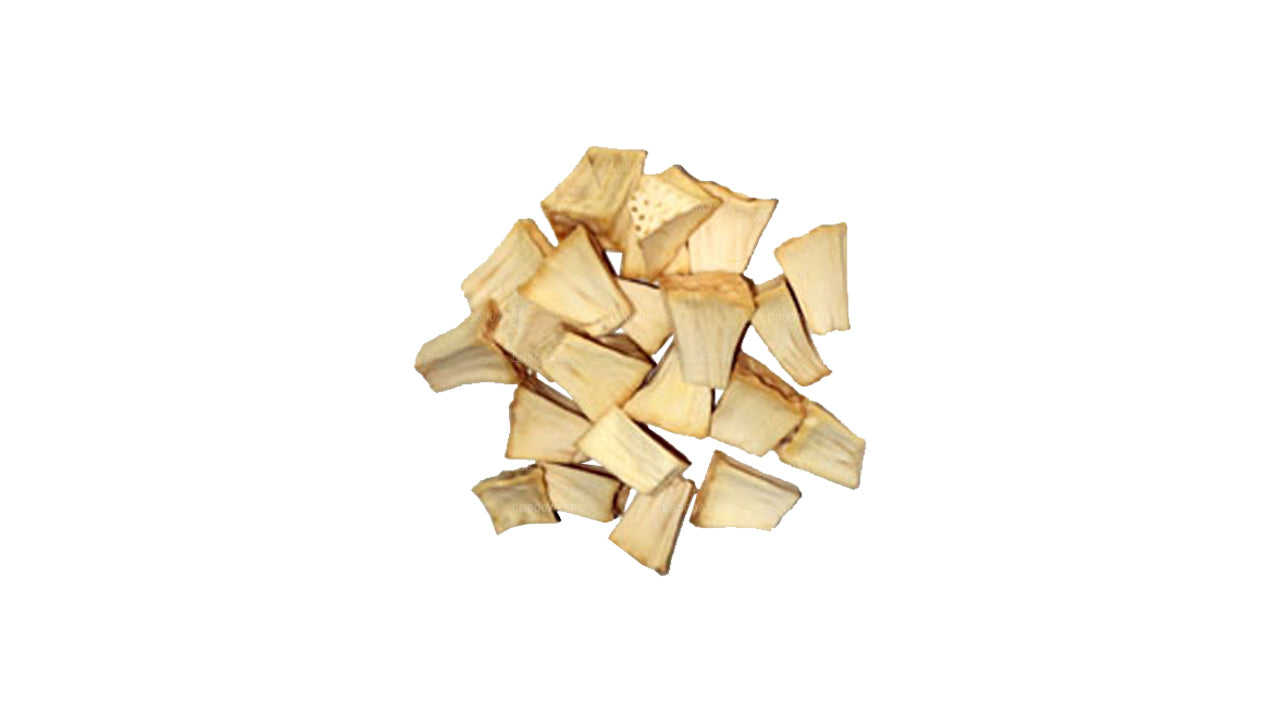




Artocarpus gomezianus ssp. zeylanicus is a subspecies endemic to Sri Lanka and recognised within the island's tradition of Ayurvedic and folk medicine. A member of the Moraceae family — the same botanical family as breadfruit and jackfruit — this tree occupies a quiet but meaningful place in Sri Lanka's rich catalogue of medicinal plants, many of which have been documented and used by traditional physicians (veda mahattayas) for centuries.
What is Artocarpus gomezianus ssp. zeylanicus?
Artocarpus gomezianus is a tropical tree species distributed across South and Southeast Asia. The subspecies zeylanicus is specific to Sri Lanka, reflecting the island's extraordinary level of plant endemism. Like other members of the Artocarpus genus, it produces milky latex and bears compound inflorescences. The tree typically grows in lowland and mid-elevation forests, favouring humid conditions where the canopy is relatively dense.
Sri Lanka's wet and intermediate zones harbour a high concentration of endemic flora, and species like Artocarpus gomezianus ssp. zeylanicus are part of what makes ecosystems such as the Sinharaja Forest Reserve so botanically significant. Sinharaja, a UNESCO World Heritage Site, shelters numerous plant species found nowhere else on earth, and visiting it offers one of the best opportunities to appreciate Sri Lanka's endemic biodiversity in context.
What are the traditional Ayurvedic uses of this plant?
Within Sri Lanka's Ayurvedic tradition, various parts of Artocarpus species — including bark, leaves, latex, and fruit — have been employed to address a range of conditions. Roots and bark extracts from related species in this genus have historically been associated with anti-inflammatory, antimicrobial, and antipyretic properties. While the specific therapeutic applications of the zeylanicus subspecies are documented in specialised botanical and Ayurvedic literature rather than mainstream sources, it fits within a broader framework of tree-derived remedies that form the backbone of Sri Lankan traditional medicine.
Ayurveda as practised in Sri Lanka draws on texts from both the Indian classical tradition and locally developed knowledge systems. Plants are typically used in compound formulations rather than in isolation, and the preparation method — whether decoction, powder, or paste — is considered as important as the plant itself.
How does this species relate to other Artocarpus plants?
The Artocarpus genus is best known globally for breadfruit (Artocarpus altilis) and jackfruit (Artocarpus heterophyllus), both of which have long been cultivated across tropical Asia. In Sri Lanka, breadfruit — known locally as del — is a staple food with its own culinary and nutritional heritage. The dehydrated form of breadfruit has gained attention as a convenient, shelf-stable product that retains much of the fruit's nutritional value.
Artocarpus gomezianus ssp. zeylanicus, by contrast, is not a cultivated food crop but a wild forest tree valued primarily for its medicinal attributes. Its taxonomic proximity to edible Artocarpus species has made it a subject of phytochemical interest, with researchers investigating whether bioactive compounds present in the broader genus — such as flavonoids, stilbenes, and prenylated compounds — occur similarly in this subspecies.
Where does Artocarpus gomezianus ssp. zeylanicus grow in Sri Lanka?
This subspecies is associated with Sri Lanka's humid lowland and mid-elevation forests, particularly in the wet zone and parts of the intermediate zone. These habitats include remnant forest patches, forest edges, and areas of secondary growth where the original canopy has been disturbed. The species is not commonly found in cultivation and is primarily encountered in its natural forest setting.
Conservation of such endemic species depends heavily on the protection of Sri Lanka's remaining natural forest cover. Protected areas and reserves play a critical role in maintaining the habitats that support plants like Artocarpus gomezianus ssp. zeylanicus, alongside the wildlife and other flora they co-exist with.
How is Sri Lanka's Ayurvedic plant heritage documented?
Sri Lanka maintains one of Asia's most detailed records of medicinal plant use, shaped by centuries of royal patronage of Ayurvedic medicine and the documentation efforts of colonial-era botanists, particularly those associated with the Royal Botanic Gardens at Peradeniya. The national Ayurvedic formulary and various governmental and academic institutions continue to catalogue and research the island's medicinal flora.
Plants such as Acacia chundra and Pongamia pinnata appear alongside Artocarpus gomezianus ssp. zeylanicus in these catalogues, illustrating the breadth of Sri Lanka's botanical pharmacopoeia. Many of these species are multi-purpose trees whose timber, fruit, latex, or bark each serve distinct uses in rural communities.
What is the conservation status of this subspecies?
Endemic subspecies like Artocarpus gomezianus ssp. zeylanicus face pressure from habitat loss, agricultural expansion, and the degradation of lowland and mid-elevation forests. Although a formal IUCN Red List assessment specific to this subspecies may not be widely published, the endemic flora of Sri Lanka broadly faces threats that are well-documented by conservation organisations. The preservation of forest ecosystems is therefore directly linked to the survival of endemic medicinal plants.
Responsible ecotourism, support for forest conservation efforts, and awareness of Sri Lanka's botanical heritage all contribute indirectly to protecting species like this one. Travellers who engage with Sri Lanka's natural environments in a considered way help sustain the economic argument for conservation over land conversion.
How can travellers engage with Sri Lanka's medicinal plant traditions?
Several spice gardens and herbal gardens across Sri Lanka offer guided introductions to the island's Ayurvedic plant heritage. These are particularly common in the Matale district, the Kandy hinterland, and parts of the southern lowlands. Guides typically explain the traditional uses of plants in an accessible way, connecting visitors to a knowledge system that predates modern pharmaceutical medicine by many centuries.
For those interested in forest biodiversity more broadly, visits to protected natural areas provide the best opportunity to observe endemic flora in their natural setting. Sri Lanka's network of national parks and reserves supports an exceptional range of plant life alongside its celebrated wildlife.
Other species in this genus
4 more, sharing the same genus.