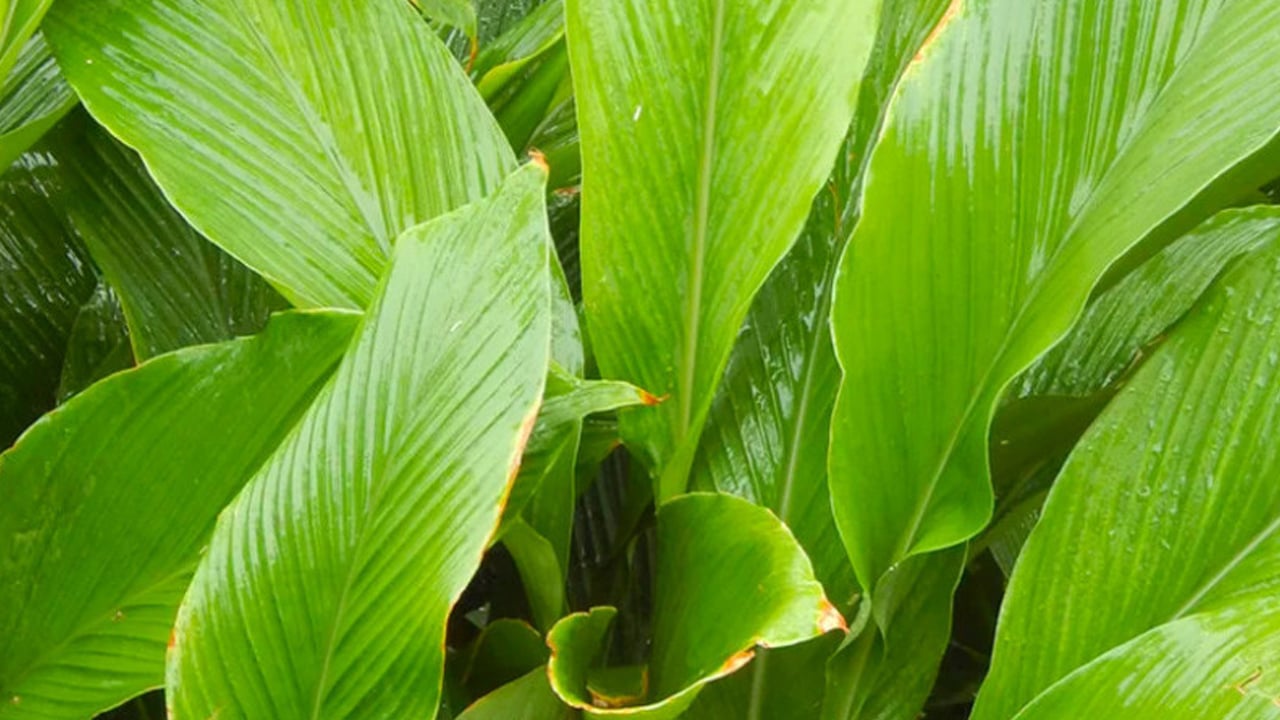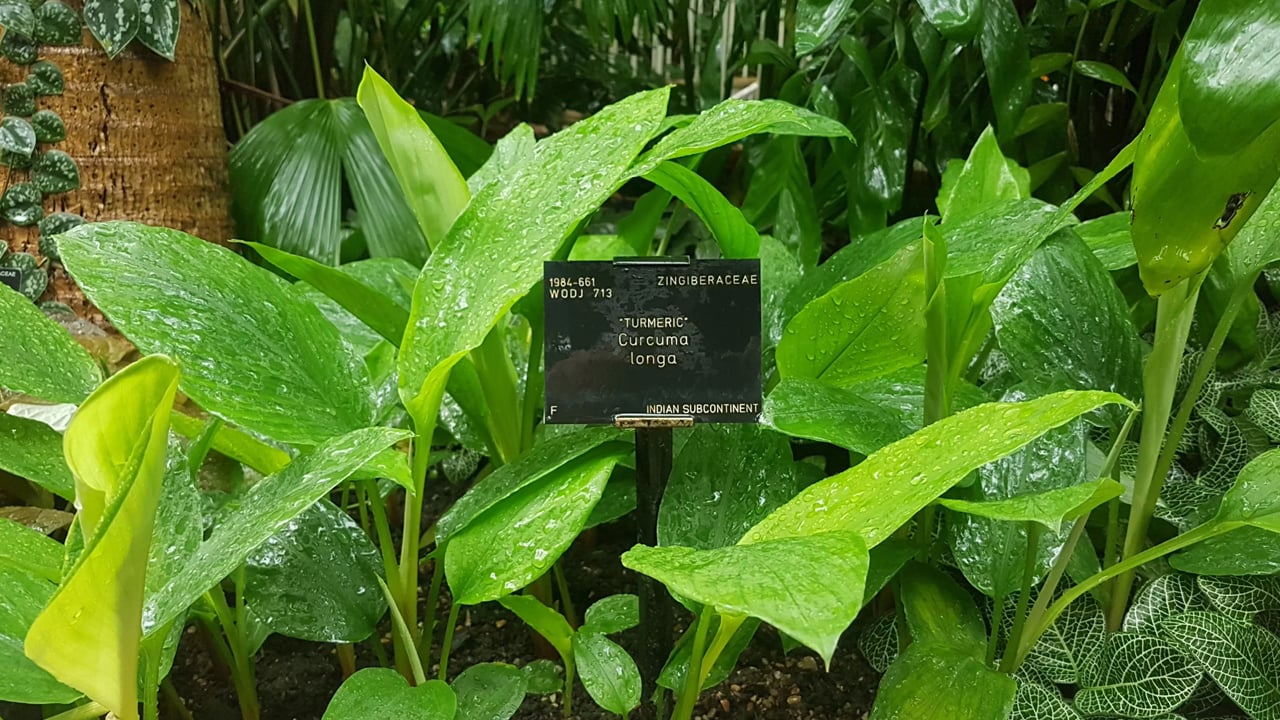

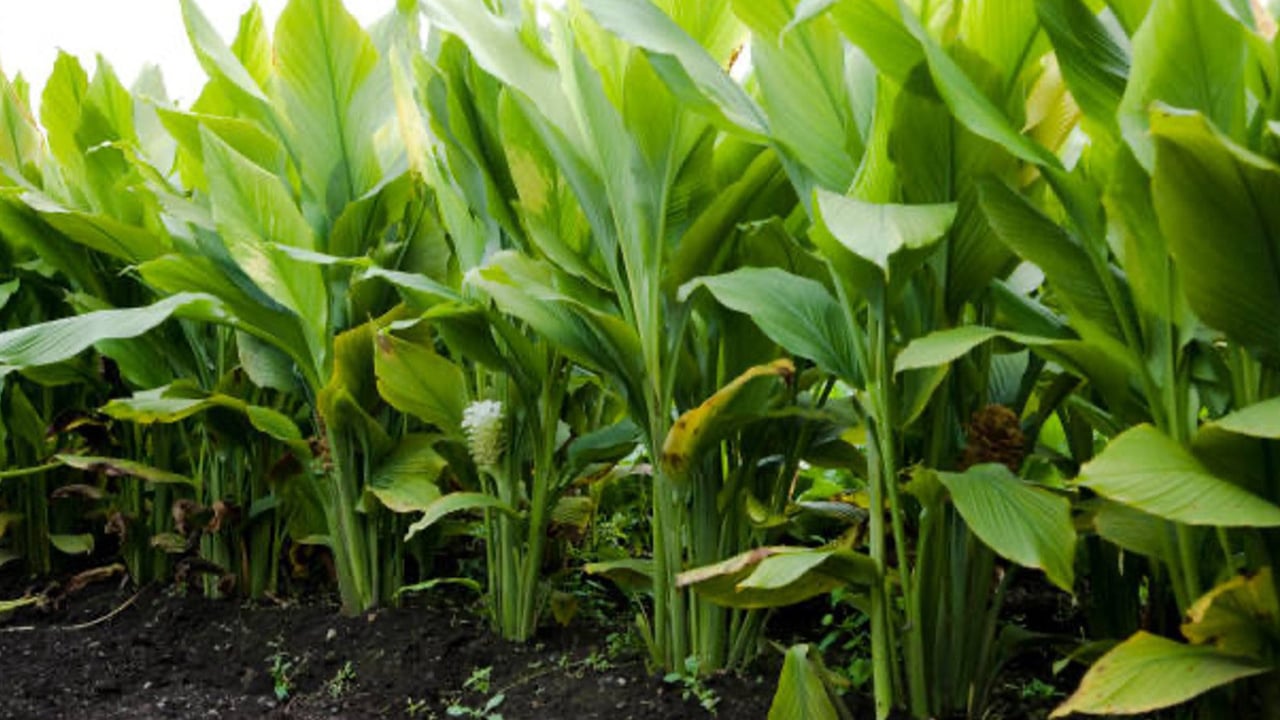
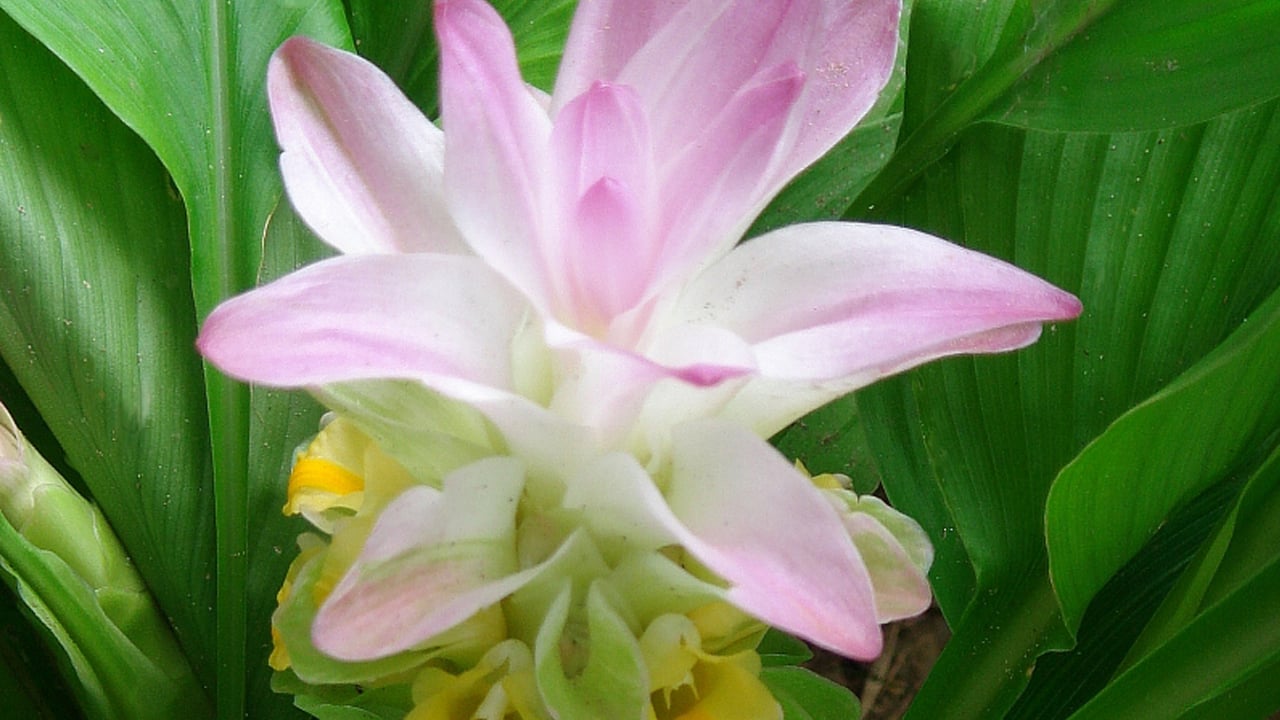
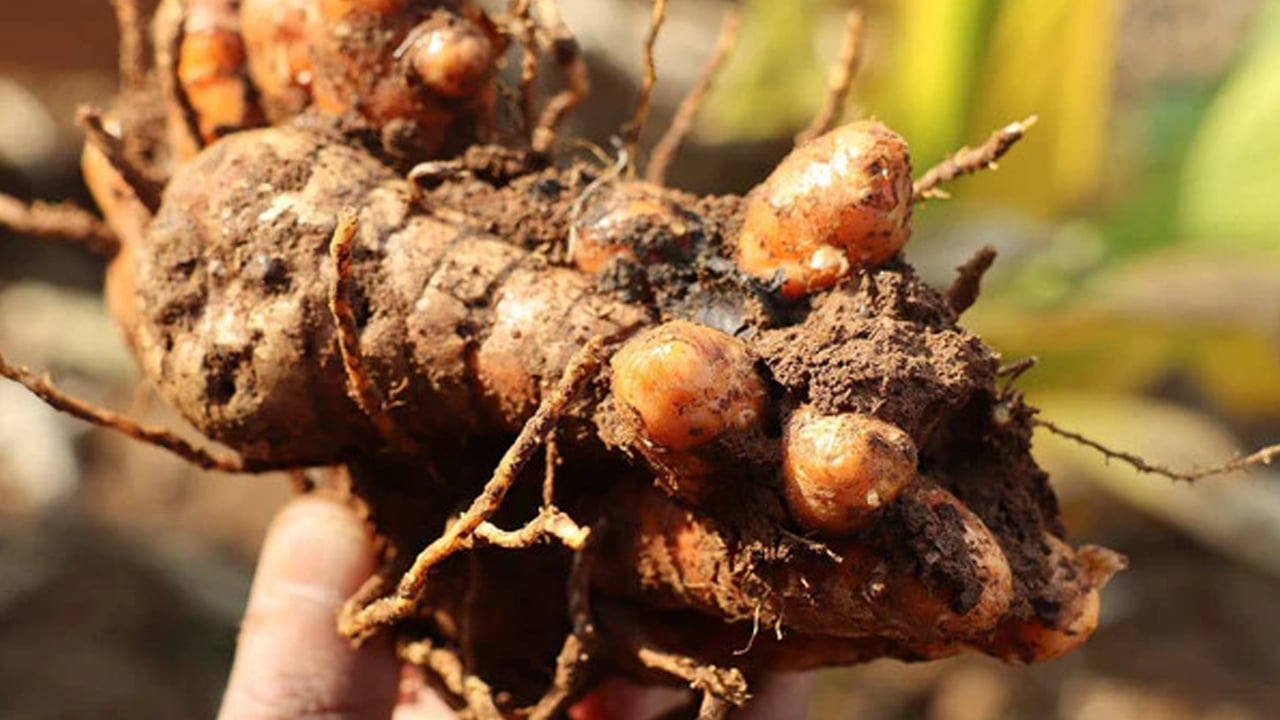
Curcuma longa, commonly known as turmeric, is a flowering plant in the ginger family (Zingiberaceae) whose rhizomes have been harvested for thousands of years across South and Southeast Asia. In Sri Lanka, turmeric — known locally as kaha — is both a kitchen staple and a plant with deep roots in Ayurvedic and traditional medicine. The dried, powdered rhizome gives curries their characteristic golden-yellow colour and contributes a warm, mildly bitter flavour that is difficult to replicate with any other spice.
What is Curcuma longa and where does it come from?
Curcuma longa is native to the Indian subcontinent and has been cultivated in tropical regions for more than 4,000 years. The plant grows to around one metre in height, producing large oblong leaves and small yellow-orange flowers. Its value lies entirely underground: the rhizomes, which resemble ginger root, are harvested, boiled or steamed, dried, and then ground into the familiar bright-orange powder found in spice markets across Sri Lanka.
Sri Lanka's warm, humid climate and well-drained soils — particularly in the Kandy and Kurunegala districts — provide ideal conditions for cultivation. Turmeric is grown on smallholder farms alongside other spices such as cinnamon, cardamom, and pepper, forming part of the island's centuries-old spice-trade heritage.
What gives turmeric its health properties?
The primary bioactive compound in turmeric is curcumin, a polyphenol that has attracted significant scientific interest for its anti-inflammatory and antioxidant properties. Curcumin accounts for roughly 2–5% of dried turmeric by weight, which is why concentrated extracts are often used in clinical research rather than culinary quantities alone.
Turmeric also contains other curcuminoids — bisdemethoxycurcumin and demethoxycurcumin — as well as volatile oils including turmerone and zingiberene. Together these compounds contribute to both the spice's aroma and its reported biological activity. It is worth noting that curcumin is poorly absorbed on its own; combining it with black pepper (which contains piperine) is a traditional practice that research suggests may significantly improve bioavailability.
How has turmeric been used in traditional medicine?
In Ayurveda — the classical system of medicine practised in Sri Lanka and India for millennia — turmeric is classified as a herb with heating, drying, and purifying qualities. Traditional practitioners have long used it to support digestion, manage skin conditions, and aid wound healing. Applied topically as a paste, turmeric has been used as a home remedy for minor cuts, insect bites, and skin irritation.
Sri Lankan households commonly add turmeric to rice, curries, and warm milk (often called kaha kiri in Sinhala), not purely for flavour but with an awareness of its restorative properties that predates modern nutritional science by centuries.
What does current research say about turmeric's health benefits?
Scientific interest in curcumin has grown considerably over the past two decades, though it is important to distinguish between promising laboratory findings and well-established clinical evidence.
- Joint health and osteoarthritis: Several clinical trials suggest that curcumin supplementation may help reduce pain and improve function in people with knee osteoarthritis, with some studies finding effects comparable to common anti-inflammatory medications at certain doses.
- Inflammation: Curcumin has demonstrated the ability to modulate key inflammatory pathways in laboratory studies, which underpins interest in its role in conditions driven by chronic low-grade inflammation.
- Cholesterol and metabolic health: Some human trials indicate that regular turmeric consumption may contribute to modest improvements in LDL cholesterol and blood lipid profiles, though the evidence base is still developing.
- Blood sugar regulation: Early research suggests curcumin may help improve insulin sensitivity and glucose metabolism, making it a subject of interest in type 2 diabetes research — though it should not replace prescribed treatment.
- Immune support: Turmeric contains compounds with antibacterial and antifungal activity that support its traditional use as a protective agent against minor infections.
- Cancer research: Laboratory and animal studies have shown that curcumin can interfere with certain signalling pathways involved in tumour growth. Human clinical trials are ongoing, and no conclusive claims can yet be made.
It is important to approach health claims with appropriate caution. For most of turmeric's proposed benefits — including effects on depression, hay fever, and liver disease — the current scientific evidence remains preliminary or inconsistent. Turmeric and curcumin supplements are not substitutes for medical advice or prescribed treatment.
How is turmeric used in Sri Lankan cooking?
In Sri Lankan cuisine, turmeric is used daily and almost universally. A small pinch is added to rice water to produce the yellow-tinted rice served at festive meals; it is a foundation spice in fish curries and vegetable dishes; and it appears in marinades for chicken and meat alongside chilli, coriander, and cumin. Its role is partly flavour, partly colour, and — in the Sri Lankan culinary philosophy — partly medicinal.
Unlike Indian cooking, where turmeric is often used in larger quantities, Sri Lankan recipes tend to use it more sparingly, allowing the fresh flavours of coconut milk, curry leaves, and pandan to dominate. The spice is also incorporated into kola kenda, a traditional herbal porridge consumed at breakfast, particularly in rural households.
How do I identify genuine turmeric and avoid confusion with similar plants?
Several plants share common names with turmeric and can cause confusion:
| Plant | Also called | Key difference |
|---|---|---|
| Curcuma longa | Common turmeric | Bright orange-yellow rhizome; primary culinary and medicinal spice |
| Curcuma zedoaria | White turmeric / Zedoary | White or pale rhizome; used medicinally but rarely in cooking |
| Curcuma xanthorrhiza | Javanese turmeric | Larger rhizome; common in Southeast Asian herbal products |
| Hydrastis canadensis | Goldenseal | North American plant; unrelated to Curcuma; sometimes sold under the turmeric name |
When purchasing turmeric for culinary or therapeutic use, look for products that clearly state Curcuma longa on the label. Sri Lanka's spice markets and certified spice producers offer some of the region's most traceable supply chains.
How can I incorporate turmeric into a daily routine?
Adding turmeric to food is the simplest approach: stir it into soups, rice dishes, and curries, or blend it into a warm drink with milk, black pepper, and honey. For those seeking higher curcumin intake, standardised supplements are available — typically standardised to 95% curcuminoids — though it is advisable to consult a healthcare professional before beginning any supplementation regimen, particularly if taking anticoagulant medications, as curcumin may have mild blood-thinning effects at high doses.
Topically, a paste made from turmeric powder mixed with coconut oil or water remains a widely used home remedy in Sri Lanka for minor skin irritations, though it will temporarily stain skin yellow.