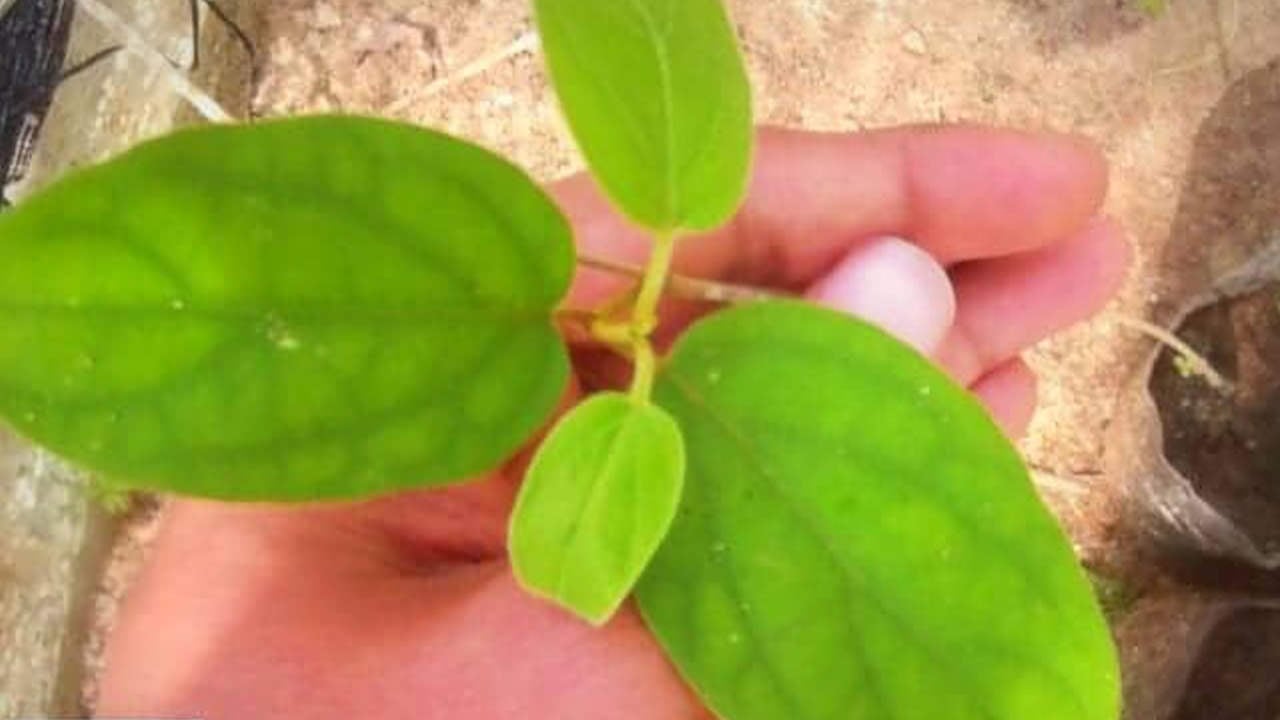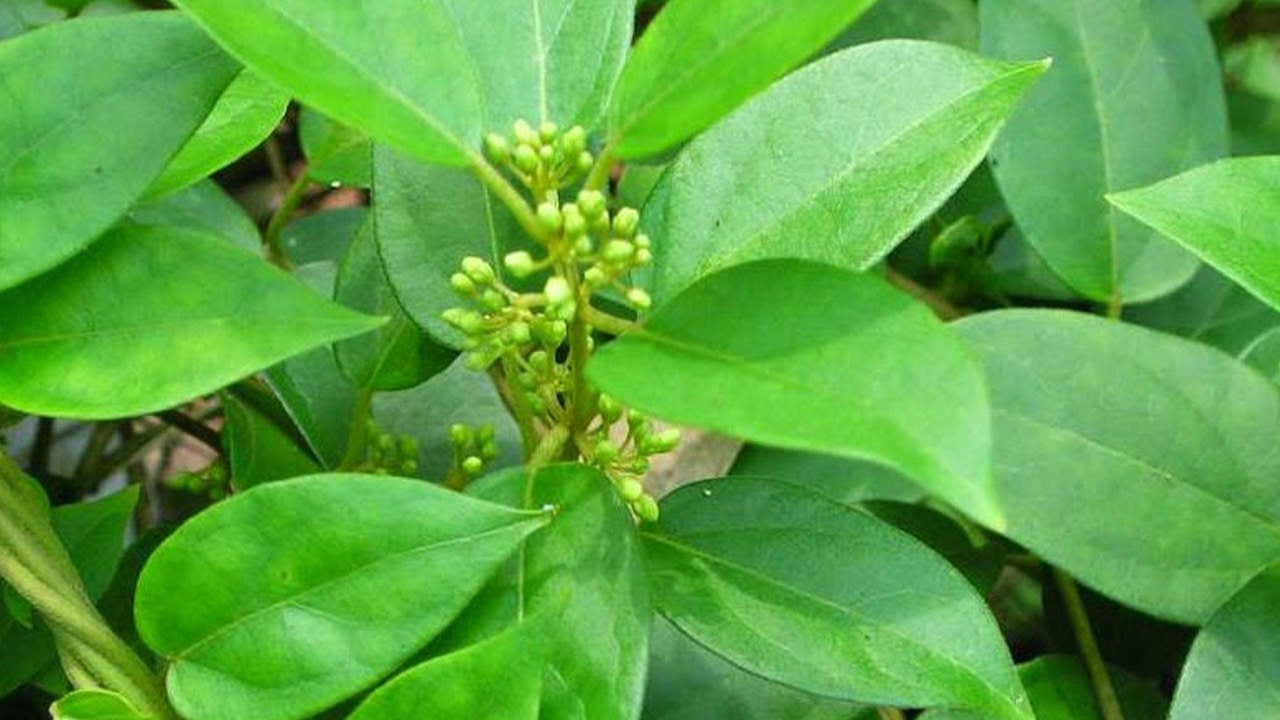
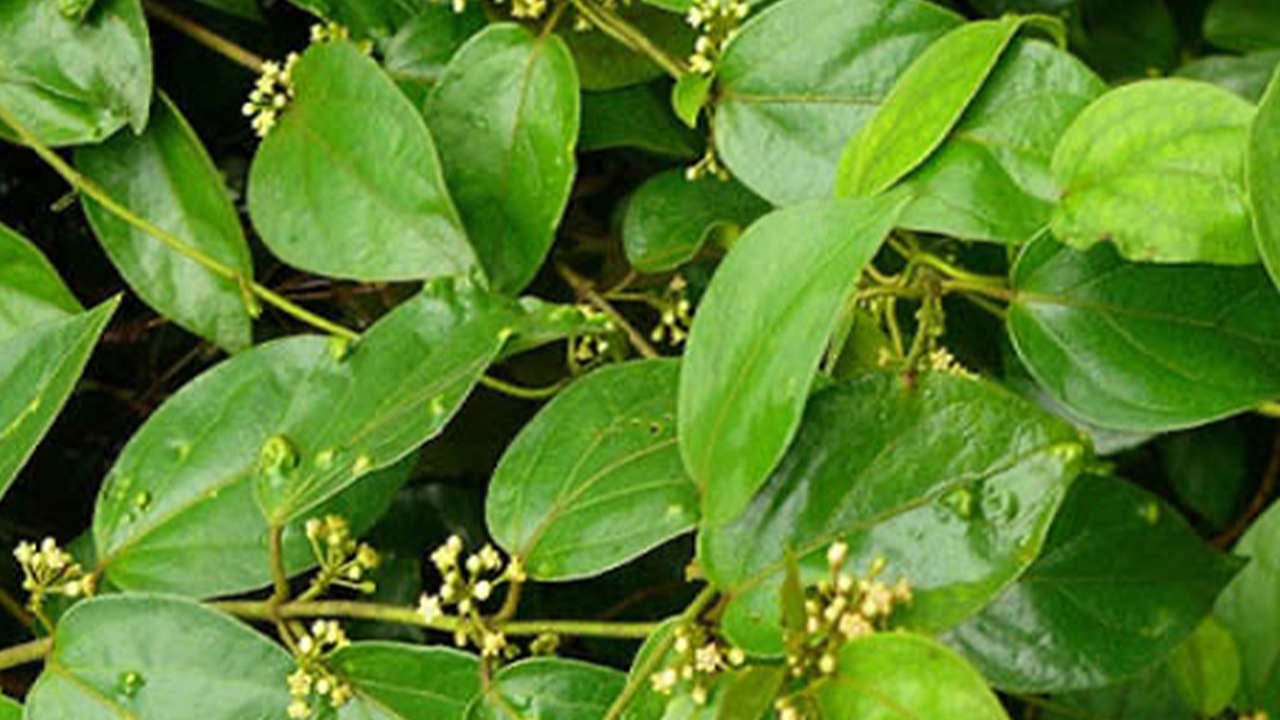
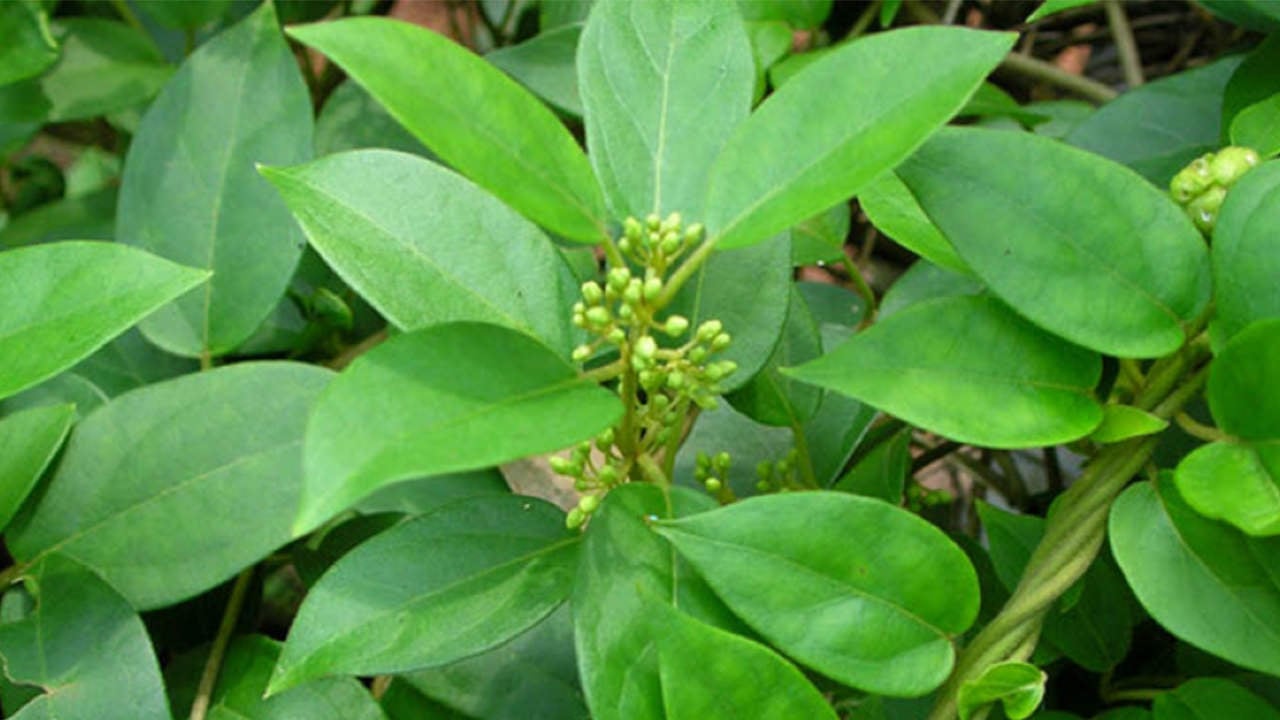
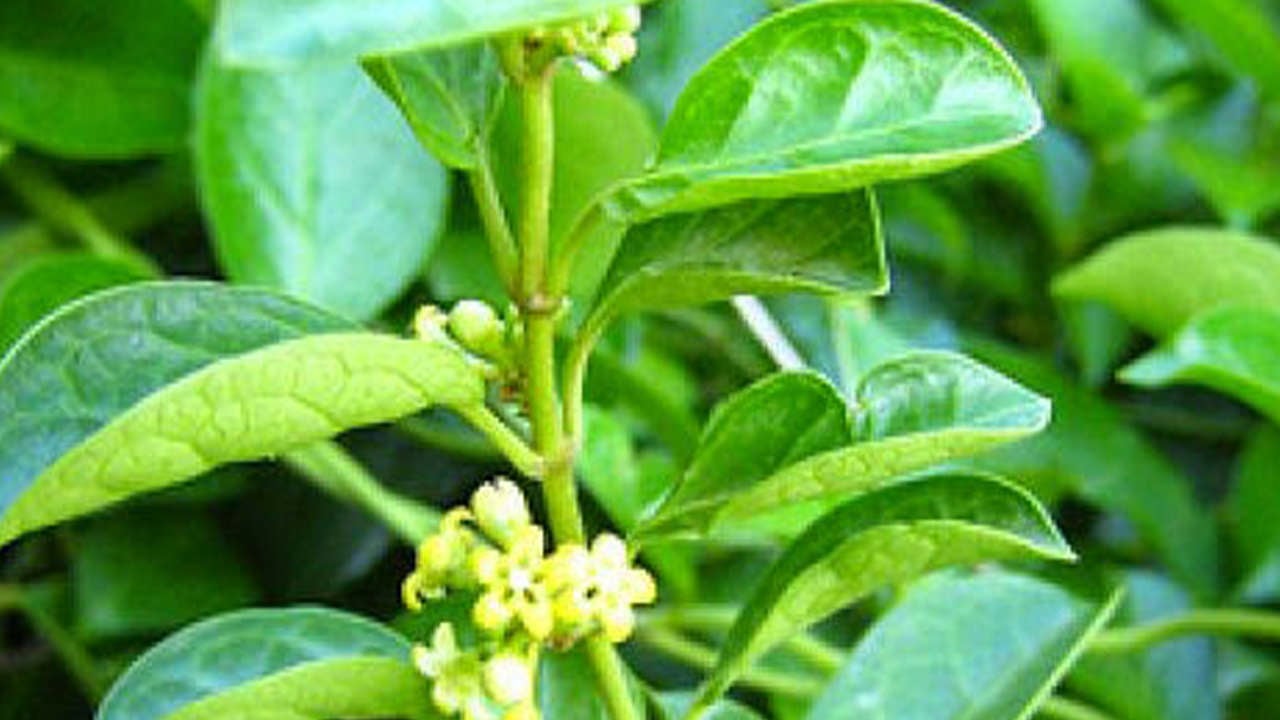
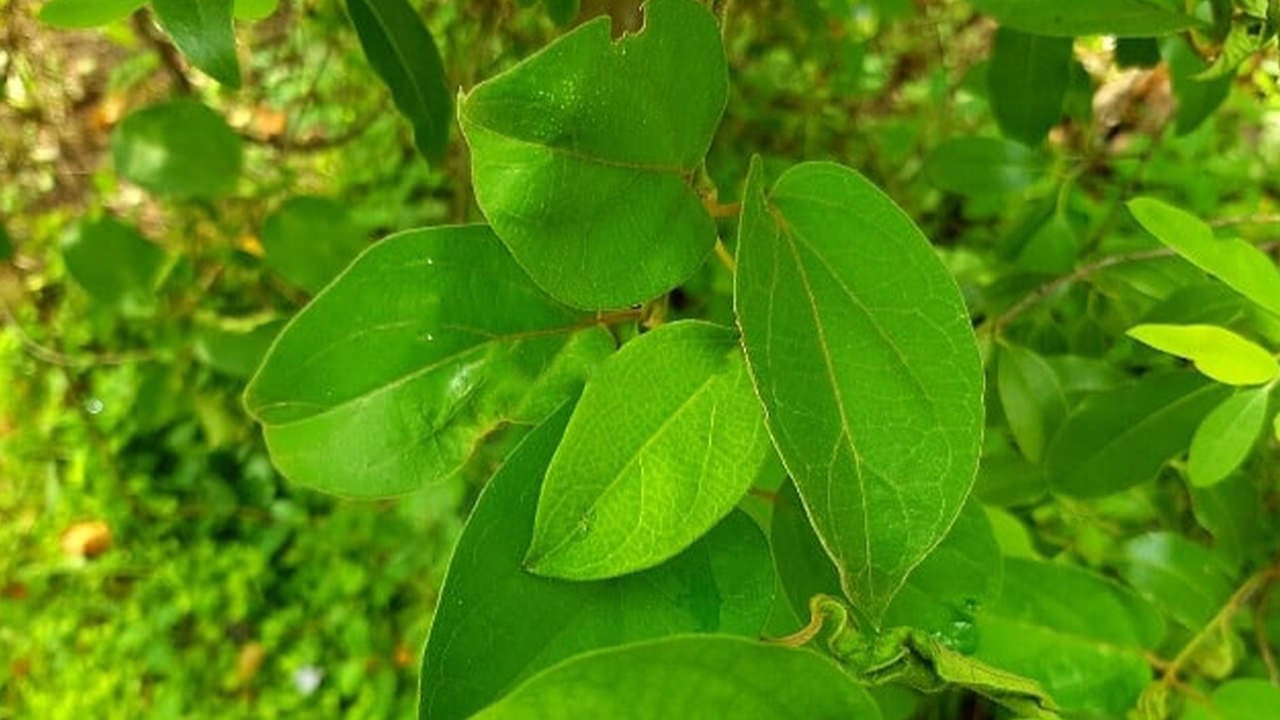
Gymnema sylvestre, known in Sri Lanka as Masbedda, is a woody climbing plant native to the tropical forests of South Asia and Africa. It has been used for well over two thousand years in Ayurvedic medicine, and Sri Lanka's traditional healing tradition — desheeya chikitsa — has long recognised it as one of the island's most valuable medicinal plants. Today it is attracting renewed scientific interest, particularly for its role in supporting healthy blood sugar levels.
What is Gymnema sylvestre and where does it grow in Sri Lanka?
Gymnema sylvestre is a perennial vine belonging to the family Apocynaceae. In Sri Lanka it grows in the dry and intermediate zones, often climbing through the canopy of scrub forest. The plant produces small yellow flowers and oval leaves that are the primary part used in traditional medicine. The name Masbedda (මස්බෙද්ද) in Sinhala roughly translates to "sugar destroyer" — a reference to the plant's most famous property.
The active compounds responsible for most of Gymnema's documented effects are a group of saponin glycosides collectively called gymnemic acids. These molecules are structurally similar to glucose and can temporarily bind to sweet-taste receptors on the tongue, reducing the perception of sweetness. Beyond the palate, they are believed to interact with glucose absorption pathways in the intestine.
How has Masbedda been used in Ayurvedic medicine?
In Sri Lankan and Indian Ayurvedic traditions, Masbedda leaves have historically been prescribed for a range of conditions, including what ancient texts described as madhumeha — a term that corresponds closely to diabetes mellitus. Practitioners would prepare the leaves as a decoction or dry them for use in herbal formulations. Beyond blood sugar management, traditional uses have included treatment for malaria, snakebite, gastritis, and inflammatory conditions.
The plant sits alongside other well-regarded Ayurvedic botanicals used on the island, such as Acacia chundra, and is often incorporated into compound formulations rather than used alone. Modern herbal preparations — including standardised teas and capsules — have made Masbedda more accessible to people who are unlikely to prepare a fresh decoction at home.
What does current research say about Gymnema sylvestre?
Clinical and laboratory research is ongoing, and conclusions should be treated with appropriate caution. That said, a number of studies have investigated several potential mechanisms:
- Blood sugar regulation: Gymnemic acids may slow glucose absorption in the small intestine, and some studies suggest the plant could support insulin secretion and the regeneration of pancreatic beta cells. This has prompted interest in Gymnema as a complementary — not replacement — approach alongside conventional diabetes management.
- Reducing sugar cravings: By temporarily blunting sweet taste receptors, Gymnema may make sweet foods less appealing, which could help reduce caloric intake from sugary foods.
- Cholesterol and triglycerides: Some research indicates that gymnemic acids may help reduce LDL cholesterol and triglyceride levels, though the evidence base here is less robust than for blood sugar effects.
- Anti-inflammatory properties: The tannin and saponin content of the leaf is associated with anti-inflammatory activity, which may support the body's natural healing response.
Important: Gymnema sylvestre is a herbal supplement, not a medicine. Anyone managing diabetes or a related condition should consult a qualified healthcare professional before using it, and should not substitute it for prescribed treatments.
What form does Gymnema sylvestre tea take, and how is it prepared?
Gymnema sylvestre is most commonly encountered by visitors to Sri Lanka as a herbal tea made from dried Masbedda leaves. The infusion has a mildly bitter, earthy flavour — noticeably different from Ceylon Tea — and is typically consumed without milk or sugar. Preparation is straightforward: steep one tea bag or a measured quantity of dried leaf in hot water for around five minutes, then drink warm. Many practitioners recommend drinking it before meals.
Standardised commercial preparations use pure Gymnema sylvestre leaf without additives, making the tea suitable as a daily supplementary drink for those monitoring blood sugar levels. It is widely available in Ayurvedic pharmacies, health shops, and some supermarkets across Sri Lanka.
Is Gymnema sylvestre safe to consume?
For most healthy adults, moderate consumption of Gymnema sylvestre tea is generally well tolerated. However, because the plant may influence blood sugar and insulin levels, people who are already taking medication for diabetes should seek medical advice before adding it to their routine — the combined effect could cause blood sugar to drop too low. Pregnant or breastfeeding women are also advised to consult a doctor before use. As with any herbal supplement, sourcing from a reputable producer with traceable, quality-controlled ingredients is important.
Where does Gymnema sylvestre fit in Sri Lanka's broader herbal tradition?
Sri Lanka has one of the oldest continuous Ayurvedic traditions in Asia, dating back more than two millennia. The island's varied climatic zones — from coastal lowlands to misty hill-country forests — support an exceptional diversity of medicinal plant species. Masbedda is one of dozens of botanicals that have been cultivated and wildcrafted here for centuries, forming part of a living pharmacopoeia that continues to influence both local healthcare and growing international demand for plant-based wellness products.
Visitors with an interest in traditional medicine can explore this heritage through Ayurvedic centres and herbal gardens found across the country, particularly in the Kandy region and in rural communities that still practise traditional healing. Sri Lanka's government regulates herbal medicinal products through the Department of Ayurveda, which oversees quality standards for domestically produced preparations.