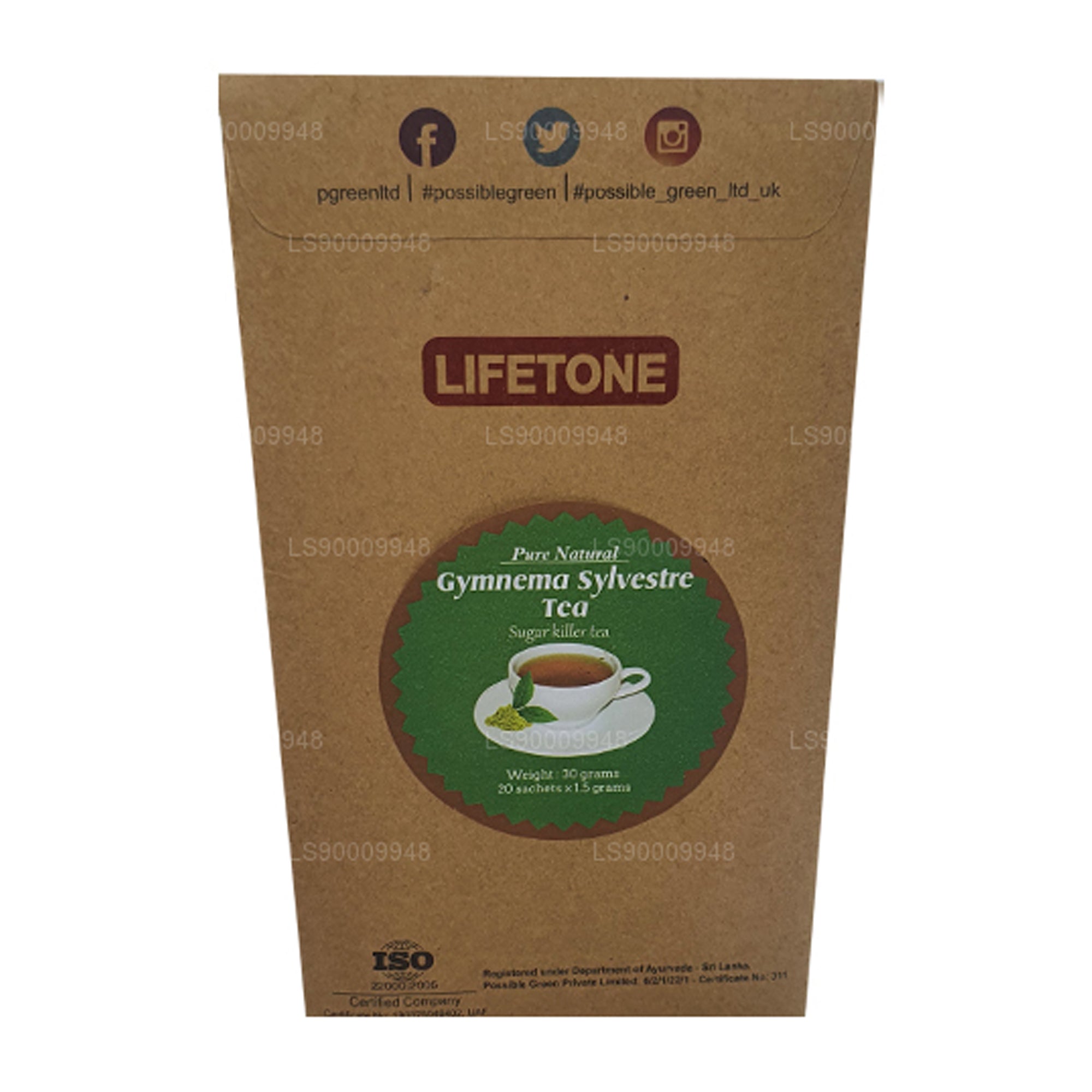




Gymnema lactiferum var. lactiferum is a woody climbing plant native to Sri Lanka, recognized within the island's long tradition of Ayurvedic medicine. It belongs to the family Apocynaceae (formerly classified under Asclepiadaceae) and is one of several Gymnema species found across tropical Asia. In Sri Lanka, it forms part of an extensive catalog of indigenous medicinal flora that healers and physicians have relied upon for centuries.
What is Gymnema lactiferum and how does it differ from related species?
The genus Gymnema encompasses roughly 25–40 species distributed across Africa, Asia, and Australia. Gymnema lactiferum is among the species endemic or near-endemic to Sri Lanka, distinguished by its milky latex — a characteristic reflected in the species epithet lactiferum, derived from the Latin for "milk-bearing." The variety designation var. lactiferum indicates this is the nominotypical variety, meaning it represents the base form from which any other varieties of the species are differentiated.
Like other members of the genus, it is a twining or scrambling liana, typically found in moist and intermediate climatic zones of the island. Its leaves are simple and opposite, and small flowers appear in cymose clusters. The latex produced when stems or leaves are cut is a notable field-identification feature.
Where does Gymnema lactiferum grow in Sri Lanka?
This plant is generally associated with lowland and mid-elevation forests, often found at forest margins, in secondary growth, and along riverine habitats. Sri Lanka's wet zone — which includes areas around reserves such as the Sinharaja Forest Reserve — supports a particularly rich community of medicinal lianas, including several Gymnema relatives. Gymnema lactiferum tends to favor humid conditions and partial shade, clambering through the canopy layer of host trees.
Because much of Sri Lanka's native forest cover has been reduced over the past two centuries, wild populations of specialized medicinal plants like this one have become more localized. Conservation of their forest habitat is therefore closely linked to the long-term availability of the plant for traditional medicine.
What are the traditional Ayurvedic uses of Gymnema lactiferum?
Within Sri Lanka's Ayurvedic tradition, various parts of Gymnema lactiferum — including leaves, bark, and latex — have been used by traditional physicians (veda mahathayas). The genus Gymnema is broadly known in classical Ayurveda for its relevance to metabolic and digestive conditions, though specific therapeutic applications vary by species and regional tradition.
The most widely studied member of the genus, Gymnema sylvestre, has attracted significant modern pharmacological interest for its apparent ability to modulate sugar absorption and sweet-taste perception. While Gymnema lactiferum has not been as extensively documented in peer-reviewed literature, traditional practitioners in Sri Lanka have historically drawn on local Gymnema species in formulations addressing similar health concerns. It is important to note that traditional use does not substitute for medical advice, and any therapeutic application should be discussed with a qualified practitioner.
What is the significance of Sri Lanka's ayurvedic plant heritage?
Sri Lanka has one of the oldest continuous traditions of Ayurvedic practice in South Asia, supported by royal patronage stretching back more than two millennia. Ancient chronicles reference royal medicinal gardens, and the island's biodiversity — encompassing several distinct climatic zones within a relatively small landmass — has produced a pharmacopoeia of considerable richness.
Plants like Gymnema lactiferum var. lactiferum sit within a broader network of native medicinal species that includes well-known examples such as Pongamia pinnata and Acacia chundra, both of which also feature in Sri Lanka's Ayurvedic catalog. Together, these species represent a living pharmacological heritage that is increasingly recognized by ethnobotanists and conservationists worldwide.
The Sri Lankan government, through institutions such as the Department of Ayurveda, maintains formal records of indigenous medicinal plants and their traditional applications. Efforts to document, cultivate, and protect these species are ongoing, particularly as demand for plant-based therapeutics grows internationally.
How is Gymnema lactiferum used in modern contexts?
Interest in Gymnema species has grown substantially in the global nutraceutical and herbal supplement industry, driven largely by research on Gymnema sylvestre. While Gymnema lactiferum has not yet achieved the same commercial profile, it is studied by botanists and pharmacognosists seeking to understand the full chemical diversity within the genus.
Gymnemic acids — the bioactive compounds characteristic of many Gymnema species — vary in composition and concentration across different species and varieties. Researchers examining Sri Lanka's endemic and near-endemic Gymnema taxa are interested in whether Gymnema lactiferum produces a comparable or distinct phytochemical profile. Such work could eventually inform new applications in functional foods or herbal medicine.
For visitors to Sri Lanka with an interest in traditional medicine, Ayurvedic wellness centers across the country offer consultations and treatments that draw on native plant materials. These experiences provide a grounded introduction to how plants like Gymnema lactiferum fit within a living therapeutic tradition rather than existing purely as museum specimens.
Is Gymnema lactiferum the same as the "gurmar" plant?
The common name "gurmar" (from Hindi, roughly meaning "sugar destroyer") is most commonly associated with Gymnema sylvestre, not Gymnema lactiferum. While the two species share a genus and some chemical characteristics, they are botanically distinct. Gymnema sylvestre is more widespread across India and Southeast Asia, whereas Gymnema lactiferum is specifically associated with Sri Lanka. Using the full scientific binomial — including the variety epithet — is therefore important when discussing this particular taxon in research or traditional medicine contexts.
How does this plant fit within Lakpura's botanical catalog?
Lakpura's catalog of Sri Lankan medicinal and endemic plants is a curated reference for travelers, researchers, and wellness enthusiasts seeking accurate, locally grounded information about the island's botanical heritage. Gymnema lactiferum var. lactiferum is cataloged here under code LK94006825 as part of an ongoing effort to document the full breadth of Sri Lanka's ayurvedic plant diversity. Each entry draws on published botanical literature, classical Ayurvedic texts, and consultation with local plant specialists to ensure the information presented is as accurate and useful as possible.
Other species in this genus
1 more, sharing the same genus.
Related reading
1 pages on closely related subjects.