Phyllanthus debilis, known in Sinhala as Ela Pitawakka (එළ පිටවක්ක), is a small herbaceous plant widely recognised in Sri Lanka's traditional medicine systems for its therapeutic properties. Though modest in size and easily overlooked in a roadside garden, it occupies a meaningful place in the country's Ayurvedic pharmacopoeia, particularly for its role in supporting the management of diabetes mellitus.
What is Phyllanthus debilis?
Phyllanthus debilis belongs to the family Phyllanthaceae, a group that includes several plants valued across South and Southeast Asian medicinal traditions. The species is a low-growing annual or short-lived perennial, typically reaching between 30 cm and 50 cm in height. Its branches are smooth and slender, and its small leaves are likewise smooth, with sharply defined margins that give the plant a neat, feathery appearance along each stem.
The plant is closely related to other members of the Phyllanthus genus — a genus that includes the widely used Nelli (Amla) — and shares some of the genus's documented phytochemical characteristics, including the presence of tannins, flavonoids, and alkaloids thought to contribute to its medicinal activity.
Where does Ela Pitawakka grow in Sri Lanka?
Phyllanthus debilis is naturalized across the low-elevation zones of Sri Lanka. It is not a forest species; rather, it thrives in disturbed habitats — the edges of cultivated land, roadside verges, home gardens, and other urban or semi-urban sites where the ground has been cleared or disturbed. It is also recorded in open environments including lava-influenced or rocky terrain in other parts of its range.
In Sri Lanka, the plant is most commonly encountered in the lowland wet and intermediate zones, often appearing without deliberate cultivation. Its adaptability to disturbed ground means it can be found across much of the island's populated areas, from village gardens to the margins of paddy fields like those described in traditional rural landscapes.
| Detail | Information |
|---|---|
| Common Name (Sri Lanka) | Ela Pitawakka |
| Sinhala Script | එළ පිටවක්ක |
| Scientific Name | Phyllanthus debilis |
| Family | Phyllanthaceae |
| Average Height | 30 cm – 50 cm |
| Habitat | Disturbed low-elevation areas, gardens, roadsides, open fields |
| Parts Used | Whole plant |
| Primary Medicinal Use | Diabetes mellitus management (traditional) |
How is Phyllanthus debilis used in traditional medicine?
In Sri Lanka's traditional healing systems — both Ayurveda and Sinhala indigenous medicine (desiya chikitsa) — the entire plant is used medicinally. Roots, stems, leaves, and flowers are all considered therapeutically active, which is reflected in the traditional practice of harvesting the whole plant rather than a single part.
The plant's most documented application is in the management of diabetes mellitus. Preparations derived from Phyllanthus debilis are used by traditional practitioners to help regulate blood glucose, and the plant is included in the official catalog of Ayurvedic medicinal plants recognised by Sri Lankan health authorities. It is important to note that traditional use does not replace clinical medical advice, and patients with diabetes should consult a qualified healthcare provider.
Beyond its primary application, the plant has also been explored in ethnobotanical research for potential hepatoprotective (liver-protective) and antioxidant properties, attributes common across several species in the Phyllanthus genus. Researchers in Sri Lanka and elsewhere in South Asia continue to investigate the phytochemical basis of these effects.
What is the botanical profile of Ela Pitawakka?
The plant produces small, alternate leaves arranged in two rows along slender green branches, creating a distinctive pinnate-like appearance that can cause the entire stem to resemble a compound leaf from a distance. Flowers are tiny and inconspicuous, typically pale yellow or greenish-white. The fruit is a small, smooth capsule.
Growth is relatively fast under suitable conditions, and the plant completes its life cycle quickly in warm, humid lowland climates. It is not listed as threatened or endangered and is considered widespread and naturalized across tropical regions of South and Southeast Asia beyond Sri Lanka.
How does Phyllanthus debilis fit into Sri Lanka's Ayurvedic tradition?
Sri Lanka has one of the oldest continuous Ayurvedic traditions in the world, with medicinal plant knowledge documented in ancient Sinhala manuscripts and codified through generations of veda mahattayas (traditional physicians). Phyllanthus debilis sits within a broader catalog that includes other well-known plants such as Pongamia pinnata and Acacia chundra, each assigned specific therapeutic roles within classical formulations.
The plant is particularly valued because it is freely available in the local environment and requires no special cultivation — a quality that made it practical for village-level traditional medicine. This accessibility, combined with its apparent therapeutic activity, has ensured its continued relevance even as pharmaceutical alternatives have become widespread.
Today, interest in Sri Lanka's medicinal plant heritage has grown among researchers, wellness tourists, and the global natural-health sector. Institutions and practitioners working with Ayurvedic formulations continue to reference Phyllanthus debilis as a plant of genuine ethnobotanical significance, and its inclusion in formal government plant catalogs reflects that standing.
Are there related Phyllanthus species also used in Sri Lanka?
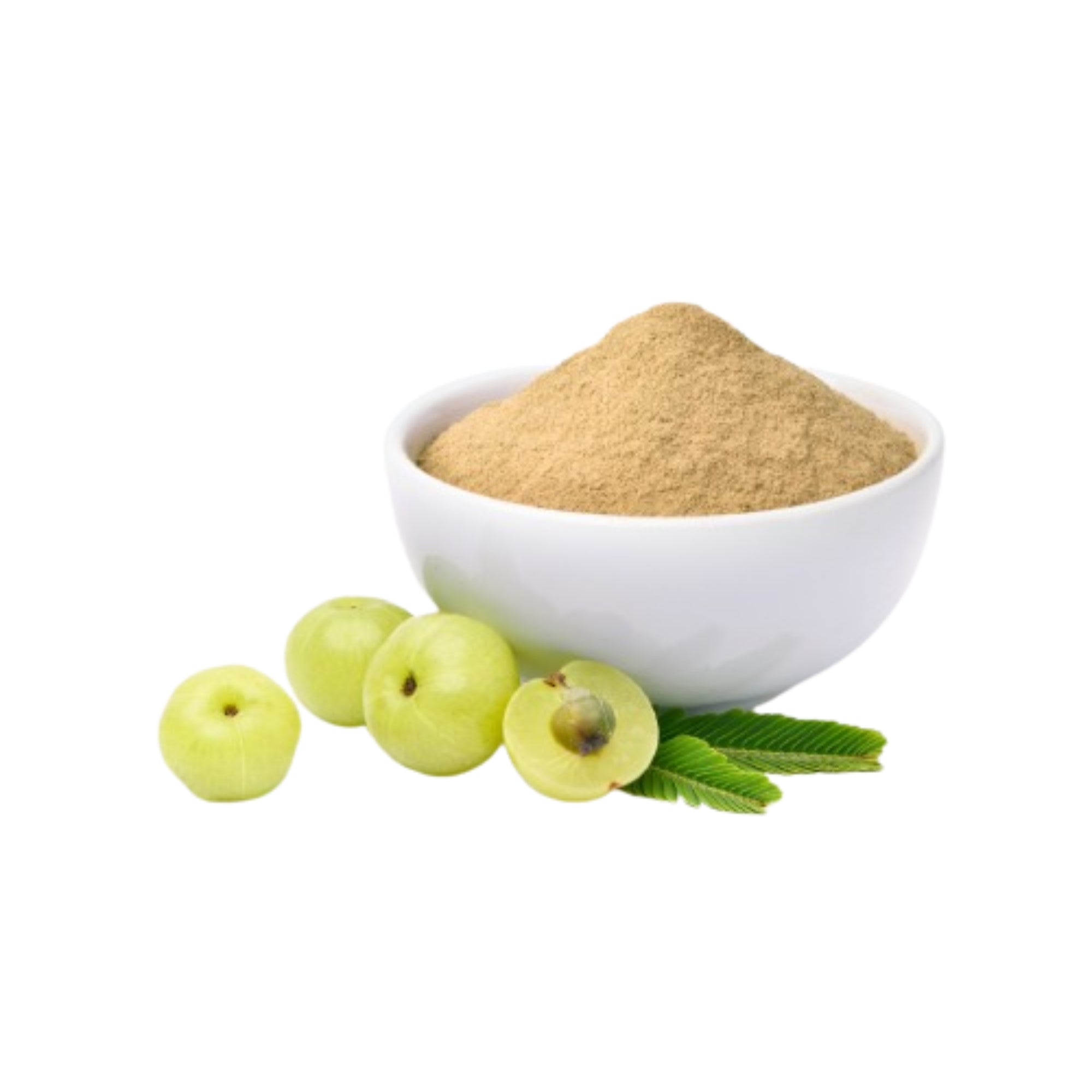
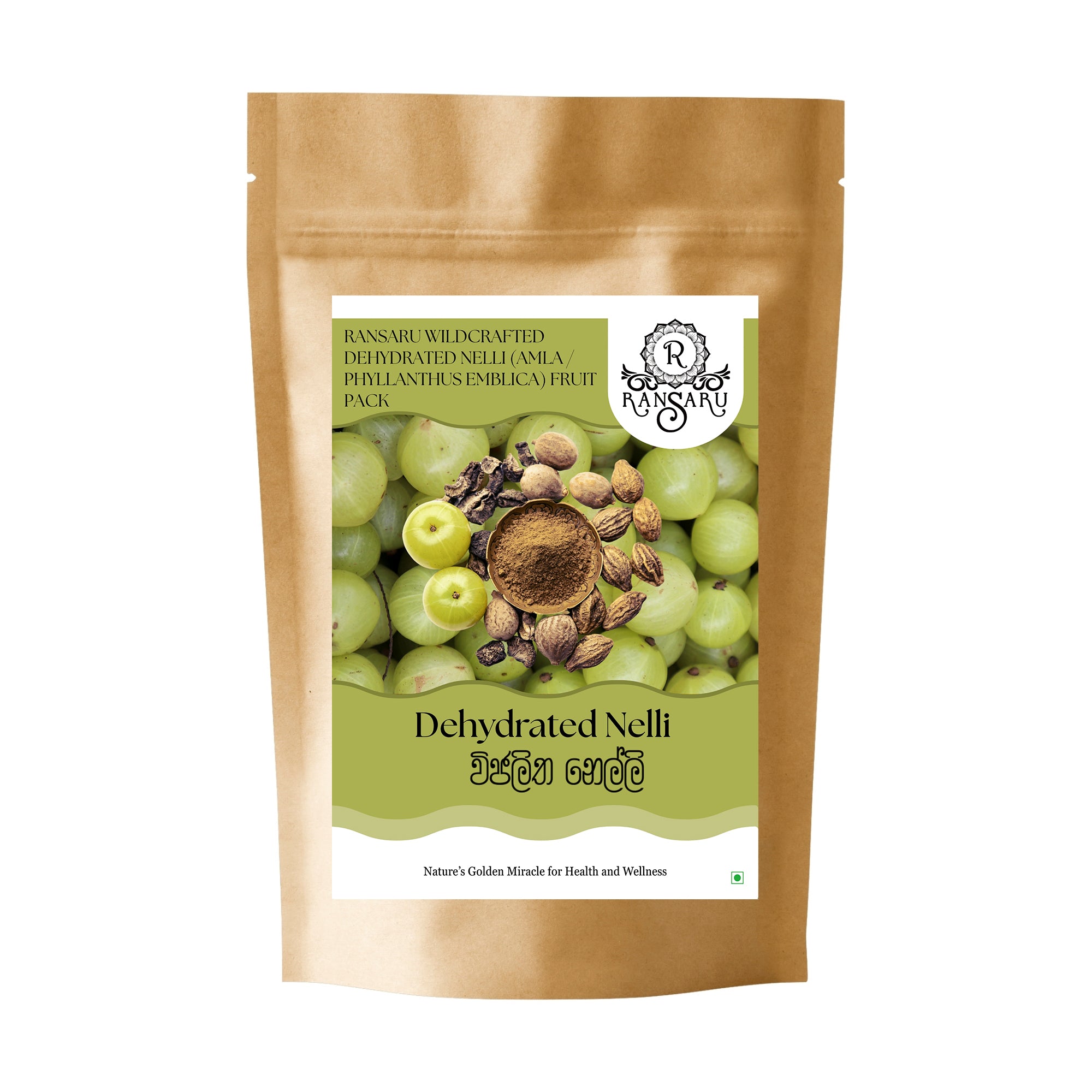
Several members of the Phyllanthus genus are medicinally active and recognised in Sri Lanka. The most commercially prominent is Phyllanthus emblica, commonly known as Nelli or Amla, which is widely used in Ayurvedic formulations and available as a dietary supplement. Nelli fruit is prized for its exceptionally high vitamin C content and antioxidant profile.
Phyllanthus niruri (sometimes called Keelanelli in Sinhala) is another closely related species used in traditional liver and kidney treatments across South Asia. While Phyllanthus debilis and Phyllanthus niruri are botanically distinct, they are sometimes confused in the field due to their similar appearance, and both appear in traditional Sri Lankan medicinal plant lists.
Can visitors learn about Sri Lanka's medicinal plants?
For travellers with an interest in herbal medicine and Ayurveda, Sri Lanka offers genuine opportunities to observe and learn about its medicinal plant traditions. Spice and herb gardens — particularly in the Kandy and Matale regions — offer guided walks where plants like Phyllanthus debilis, along with better-known species such as Ceylon black pepper and Syzygium aromaticum (clove), are explained in their medicinal and culinary contexts.
Wellness retreats and Ayurvedic centres across the island offer more immersive experiences, including consultations with registered Ayurvedic physicians and herbal treatment programmes. These are increasingly popular among visitors seeking alternatives to conventional tourism itineraries.
Other species in this genus
7 more, sharing the same genus.