



Phyllanthus reticulatus, commonly known as potato bush or ink-berry, is a woody shrub native to tropical Asia and Africa, and one of the recognised medicinal plants in Sri Lanka's traditional Ayurvedic pharmacopoeia. It grows in a wide range of habitats across the island — from low-country scrublands and river margins to the edges of moist forests — and has been valued for centuries by local healers for its therapeutic properties.
What is Phyllanthus reticulatus and where does it grow in Sri Lanka?
Phyllanthus reticulatus belongs to the family Phyllanthaceae. It is a fast-growing, deciduous or semi-evergreen shrub that typically reaches one to four metres in height. The plant is characterised by its slender, arching branches, small ovate leaves arranged in a feather-like pattern, and tiny greenish-white flowers that give way to dark purple to black berry-like fruits at maturity.
In Sri Lanka, the shrub is widespread in the dry and intermediate zones, often found along roadsides, tank bunds, forest margins, and disturbed land. It tolerates drought reasonably well, which is why it appears commonly around ancient reservoir systems such as those near Polonnaruwa, where seasonal dry conditions prevail. The plant also grows at lower elevations of the wet zone, particularly near wetland edges.
What are the traditional Ayurvedic uses of Phyllanthus reticulatus?
In Sri Lankan and South Asian Ayurvedic traditions, various parts of Phyllanthus reticulatus — root, bark, leaves, and fruit — have been used medicinally. Traditional practitioners have applied preparations from this plant to address a range of conditions, including liver and kidney disorders, skin diseases, inflammation, and digestive complaints.
- Root and bark: Decoctions are traditionally used in formulations targeting liver support and jaundice, drawing on the plant's reported hepatoprotective qualities.
- Leaves: Leaf preparations have been applied externally to manage inflammatory skin conditions and wounds, and taken internally as a mild laxative or diuretic aid.
- Fruits: The small, dark berries are occasionally used in folk medicine and are also consumed by birds, making the plant ecologically valuable as a wildlife food source.
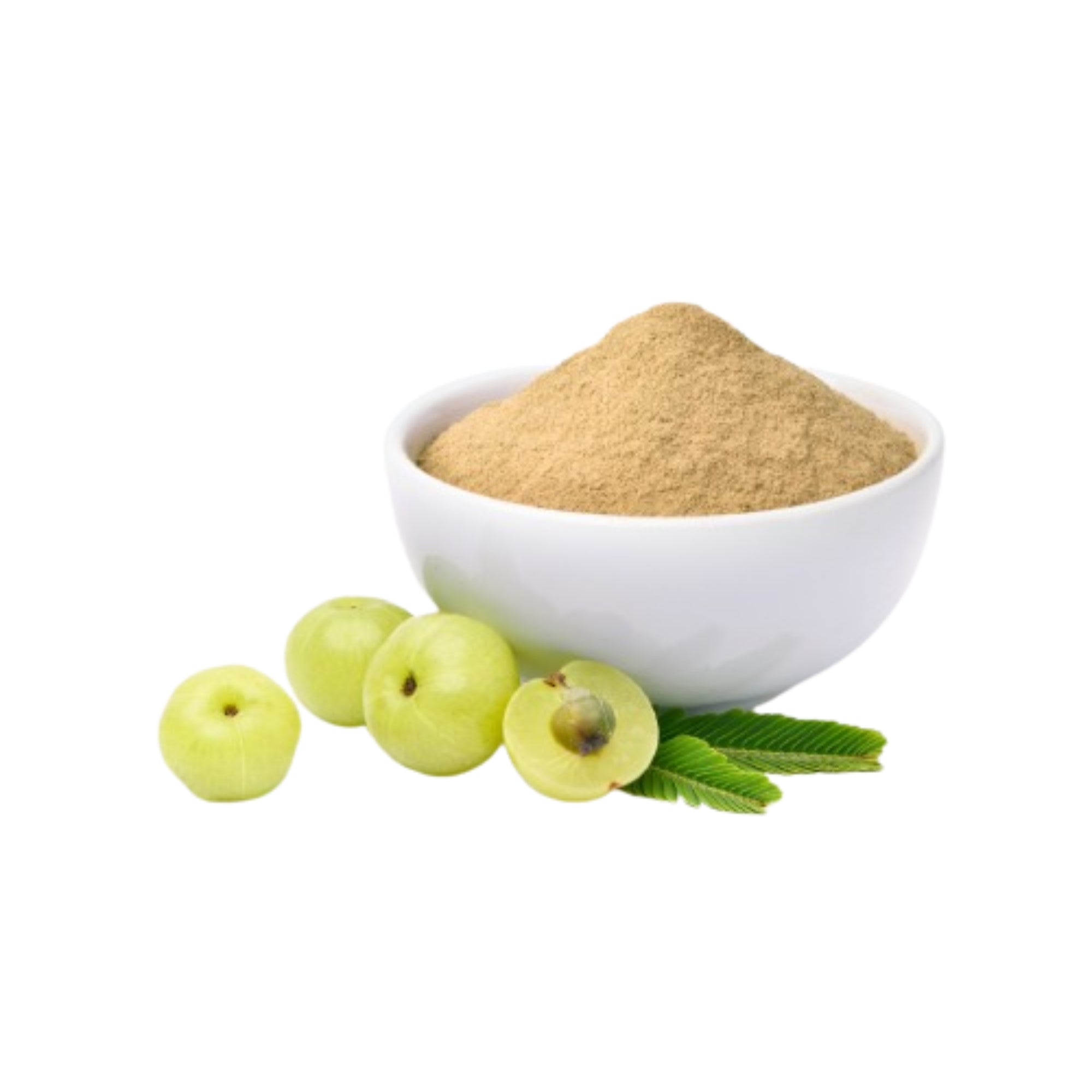
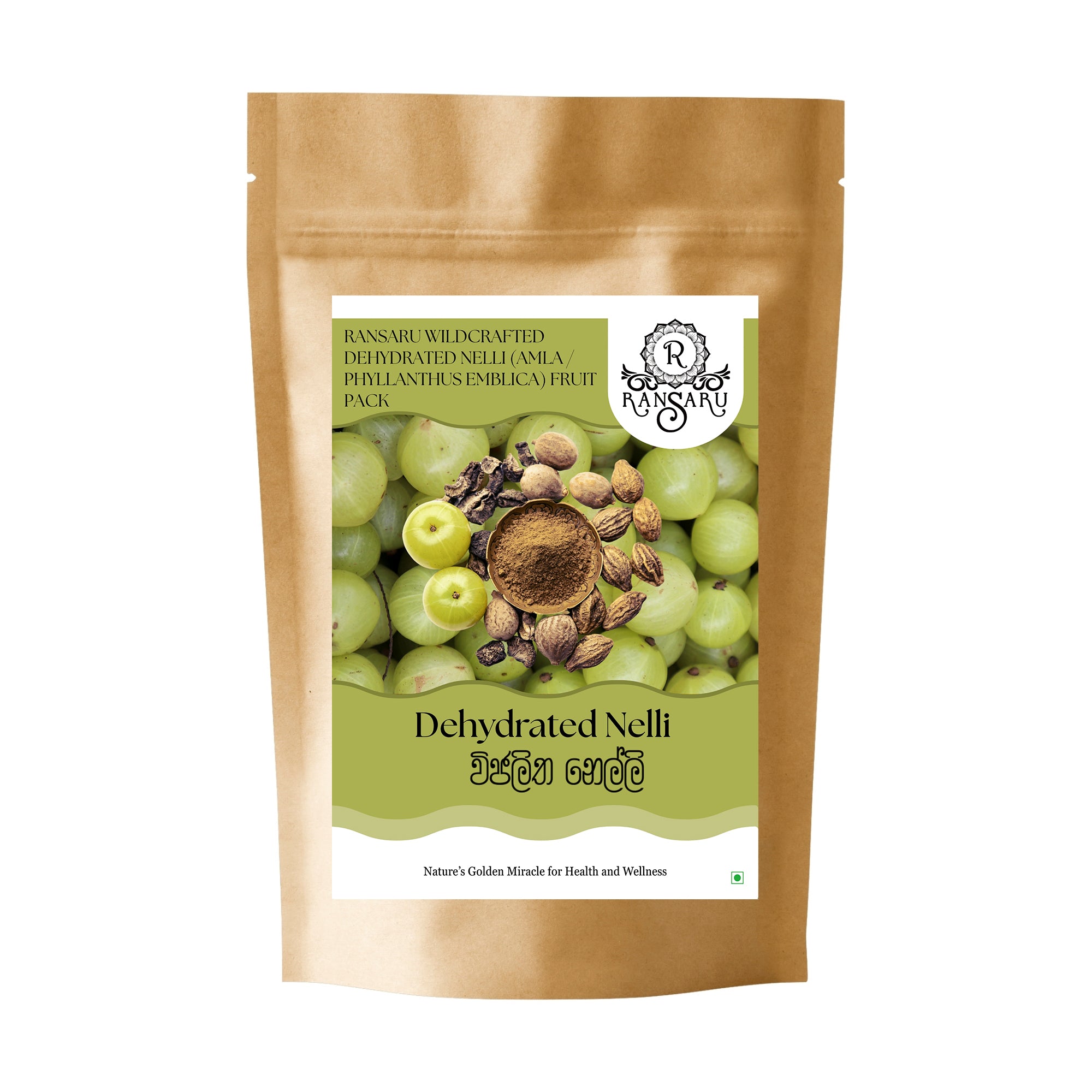
The genus Phyllanthus is large and medicinally significant across Asia. The related species Phyllanthus emblica — known locally as Nelli — is among the most celebrated fruits in Ayurvedic medicine, prized for its extraordinarily high vitamin C content and antioxidant properties. Phyllanthus reticulatus shares some phytochemical characteristics with other members of its genus, though its specific bioactive profile differs.
What does modern phytochemical research say about Phyllanthus reticulatus?
Scientific interest in Phyllanthus reticulatus has grown over the past two decades as researchers seek to validate traditional uses through laboratory study. Phytochemical analyses have identified a range of potentially active compounds in the plant, including tannins, flavonoids, alkaloids, and phenolic acids — classes of compounds associated with antioxidant, anti-inflammatory, and antimicrobial activity in preclinical studies.
Notably, certain extracts have shown hepatoprotective effects in animal studies, lending some scientific credence to the plant's traditional use in liver-related formulations. Antimicrobial activity against selected bacterial and fungal strains has also been reported in laboratory conditions. However, it is important to note that most published research to date is preclinical; large-scale clinical trials in humans are limited, and the plant should not be self-prescribed as a replacement for medical treatment.
How does Phyllanthus reticulatus fit into Sri Lanka's broader medicinal plant heritage?
Sri Lanka has a long and sophisticated tradition of herbal medicine, rooted in the ancient Sinhala system of Deshiya Chikitsa and shaped by centuries of Ayurvedic practice. The island's extraordinary biodiversity — it is one of 36 global biodiversity hotspots — has produced a rich flora, and a significant proportion of native and naturalised plant species have documented medicinal applications.
Phyllanthus reticulatus sits within a broader catalogue of native medicinal shrubs and trees that rural communities and traditional physicians (Vedamahattayas) have drawn upon for generations. Other ecologically and medicinally significant plants in this tradition include Acacia chundra, valued for its astringent bark, and Pongamia pinnata, whose oil has long been used in dermatological applications.
The preservation of this plant heritage is increasingly tied to the conservation of natural habitats. Forests like the Sinharaja Forest Reserve shelter many endemic and medicinal species, and the ecological integrity of such habitats is central to maintaining Sri Lanka's living pharmacopoeia.
Is Phyllanthus reticulatus cultivated or harvested wild in Sri Lanka?
Phyllanthus reticulatus is primarily harvested from wild populations rather than cultivated commercially. Because it grows in disturbed and secondary habitats, collection pressure is generally lower than for rarer forest species, and the plant regenerates readily. However, as demand for herbal raw materials grows both locally and in export markets, sustainable harvesting practices remain important.
In domestic Ayurvedic practice, material is usually sourced from local collectors and dried before incorporation into compound formulations. The plant does not feature prominently in standardised commercial Ayurvedic products in the way that Nelli (Phyllanthus emblica) does, but it retains a place in regional and household herbal traditions across the island.
What should travellers and natural-history visitors know about this plant?
For visitors with an interest in Sri Lanka's ethnobotany or traditional medicine, encountering Phyllanthus reticulatus in the field is straightforward given its wide distribution. The shrub's distinctive two-ranked leaf arrangement and small dark fruits make it identifiable with basic botanical guidance. Rural homestays and village tours in areas such as the dry zone cultural heartland often provide informal exposure to the island's medicinal plant traditions.
Those interested in exploring Sri Lanka's Ayurvedic heritage more deeply can visit traditional Ayurvedic centres, botanical gardens, or forest reserves where guided interpretation is available. Engaging with this knowledge respectfully — by listening to practitioners rather than harvesting plants independently — is both ethically appropriate and practically more rewarding.
Other species in this genus
7 more, sharing the same genus.