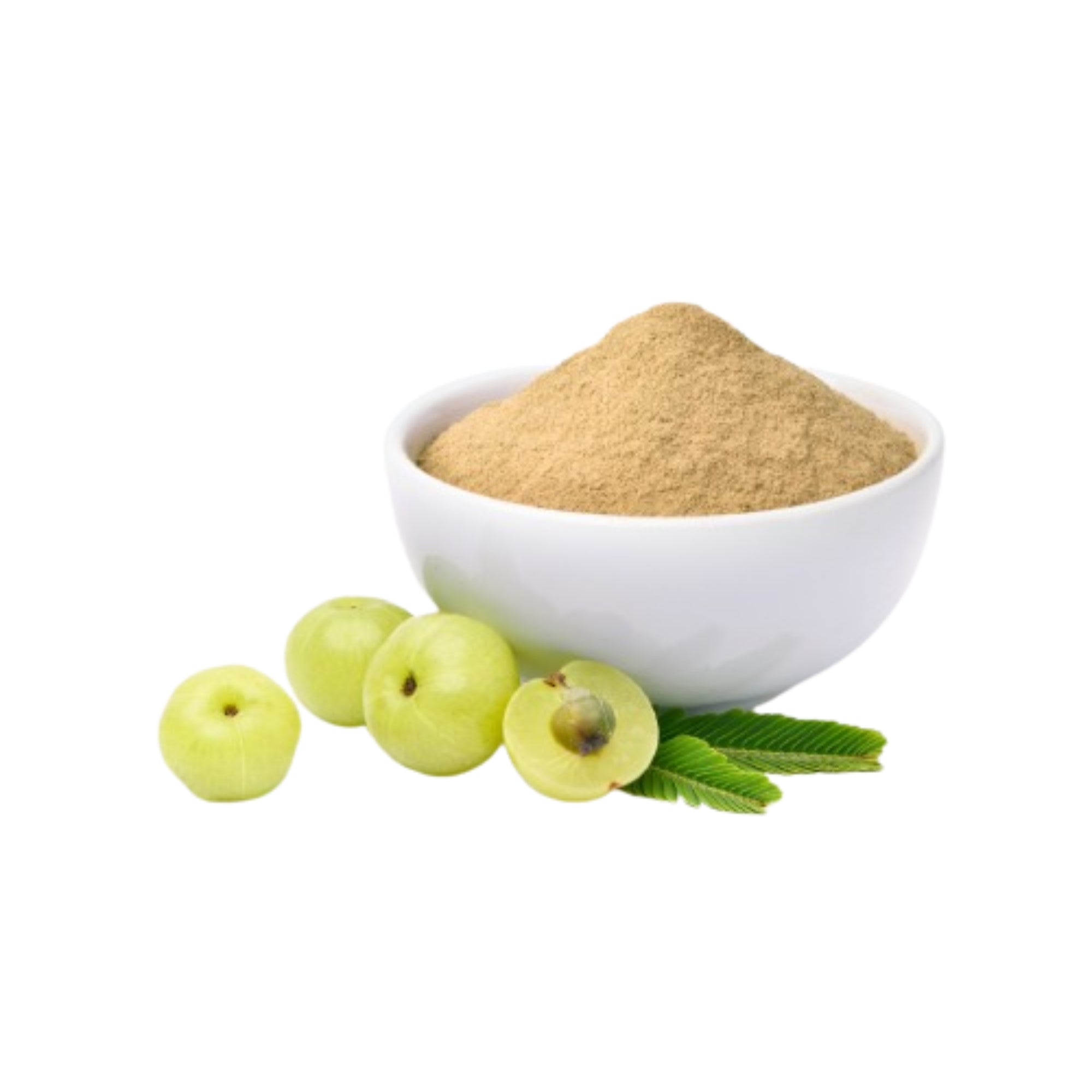




Phyllanthus acidus, commonly known as the star gooseberry or Malay gooseberry, is a small fruiting tree recognised across South and Southeast Asia for both its culinary versatility and its established place in traditional medicine. In Sri Lanka, it appears in the national catalogue of ayurvedic medicinal plants, where it is known in Sinhala as Rata Nelli or Aronla. The tree is a familiar sight in home gardens and forest margins across the island, appreciated as much for its clusters of pale-yellow, ribbed fruits as for the many ways those fruits are put to use.
What does Phyllanthus acidus look like?
The tree is small to medium in height, rarely exceeding eight metres, with a spreading canopy of feathery, pinnate-like branches. Its most distinctive feature is the way fruits cluster densely along the older branches and trunk — a growth pattern botanists call cauliflory. Each fruit is small, round to slightly lobed, and pale greenish-yellow to white when ripe, with a waxy, firm skin and an intensely sour, astringent flesh. The seeds inside are hard and star-shaped in cross-section, which gives the plant one of its common English names. Flowers appear in small reddish clusters and are modest in size, preceding the abundant fruit.
Where does Phyllanthus acidus grow in Sri Lanka?
The species is well adapted to Sri Lanka's warm, humid lowlands and thrives in both the wet and intermediate zones. It is cultivated widely in home gardens across the Western, Southern, and Sabaragamuwa provinces, and also grows semi-wild in secondary forests and along roadsides. The tree is drought-tolerant once established and produces fruit reliably with minimal attention, which has made it a dependable fixture in rural households for generations. It is closely related to — though botanically distinct from — the more widely exported Sri Lankan medicinal tree family that includes Acacia chundra and other forest species documented in the ayurvedic tradition.
What are the traditional ayurvedic uses of Phyllanthus acidus?
Sri Lankan ayurveda draws on Phyllanthus acidus in several formulations. The fruit, bark, leaves, and root are all considered medicinally active, with the fruit being the most commonly used part. Traditionally, preparations made from the fruit are used to support digestive health, as a mild laxative, and as a treatment for skin conditions including certain forms of dermatitis and pruritus. The bark and leaves have been applied externally in poultices and are referenced in classical Sinhala medical texts as useful in managing inflammation.
- Digestive support: Sour fruit preparations are used to stimulate appetite and ease sluggish digestion.
- Liver and bile function: Decoctions of the bark are cited in traditional practice for supporting liver health, echoing uses recorded across South Asian medical traditions.
- Skin care: Leaf and root extracts appear in formulations for managing skin irritation and minor infections.
- Antioxidant properties: Modern phytochemical research has confirmed the presence of phenolic compounds and vitamin C in the fruit, lending some scientific support to traditional claims about its protective properties.
It is worth noting that while Phyllanthus acidus and Phyllanthus emblica (the Indian gooseberry or Nelli) are members of the same genus, they are distinct species with overlapping but not identical properties. Phyllanthus emblica is better studied and more widely used in classical ayurvedic pharmacy; Phyllanthus acidus occupies a complementary, if more regional, role in Sri Lankan folk and formal medicine.
How is the fruit used in Sri Lankan cooking?
Outside the medical context, the sour fruit of Phyllanthus acidus plays a practical role in everyday Sri Lankan cooking. Its sharp acidity makes it a useful souring agent in curries and sambols, similar in function to tamarind or green mango. A popular preparation is Rata Nelli achcharu, a spiced pickle made by combining the fruits with salt, chilli, and sometimes mustard. The pickle pairs well with rice meals and is a staple of roadside food culture in rural areas.
- Pickled whole in brine or vinegar.
- Cooked into chutneys with jaggery and dried chilli.
- Added raw to lunu dehi-style relishes as a souring component.
- Dried and stored as a preserved ingredient for use out of season.
The fruit's vitamin C content also made it historically valuable in rural diets as a source of micronutrients, particularly in communities with limited access to imported produce.
What phytochemicals have been identified in Phyllanthus acidus?
Research into the plant's chemistry has identified a range of bioactive compounds, including tannins, flavonoids, alkaloids, and ascorbic acid (vitamin C). Some studies have investigated potential anti-inflammatory, antimicrobial, and antidiabetic activities in vitro, though clinical evidence in human subjects remains limited. The plant's antioxidant activity is among its more robustly demonstrated properties in laboratory settings, consistent with the broader pattern seen in the Phyllanthus genus. Anyone seeking to use the plant therapeutically should consult a qualified ayurvedic practitioner rather than rely solely on traditional or preliminary scientific accounts.
How does Phyllanthus acidus relate to Sri Lanka's broader ayurvedic tradition?
Sri Lanka has one of the most comprehensive documented traditions of ayurvedic plant use in the world, with a formal government catalogue listing hundreds of native and naturalised species. Phyllanthus acidus sits alongside other well-known medicinal trees such as Pongamia pinnata and Syzygium aromaticum in this record, forming part of a living pharmacopoeia that rural communities continue to maintain. Visitors with an interest in traditional medicine can encounter these plants at botanical gardens, village herb farms, and ayurvedic wellness centres throughout the island.
The country's biodiversity — sustained by habitats ranging from the coastal mangroves of Madu Ganga to the highland cloud forests — creates the ecological conditions that allow medicinal plants like Phyllanthus acidus to persist alongside wild and cultivated landscapes. This continuity between environment, agriculture, and traditional knowledge is one of the distinctive features of Sri Lankan plant heritage.
Can I find Phyllanthus acidus products when visiting Sri Lanka?
Fresh fruits are available in local markets during the fruiting season, typically following the flowering period that coincides with the warmer months. Pickled preparations are sold year-round in village markets, roadside stalls, and some specialty food shops. Dried or powdered preparations are less common commercially than those of the better-known Phyllanthus emblica (Nelli), but can be sourced through ayurvedic pharmacies and wellness suppliers. For travellers interested in taking Sri Lankan ayurvedic plant products home, whole or powdered Nelli (Phyllanthus emblica) is the more widely available relative and shares several traditional applications.
Other species in this genus
7 more, sharing the same genus.