

Phyllanthus polyphyllus is a perennial shrub in the family Phyllanthaceae, native to both India and Sri Lanka. Known in traditional medicine as Sirunelli, it is one of several plants in the broader Phyllanthus genus that have long been valued in Ayurvedic and folk-healing traditions across South Asia. Although it rarely commands the same public recognition as Sri Lanka's more celebrated medicinal plants, it occupies an important niche in the island's ethnobotanical heritage.
What does Phyllanthus polyphyllus look like?
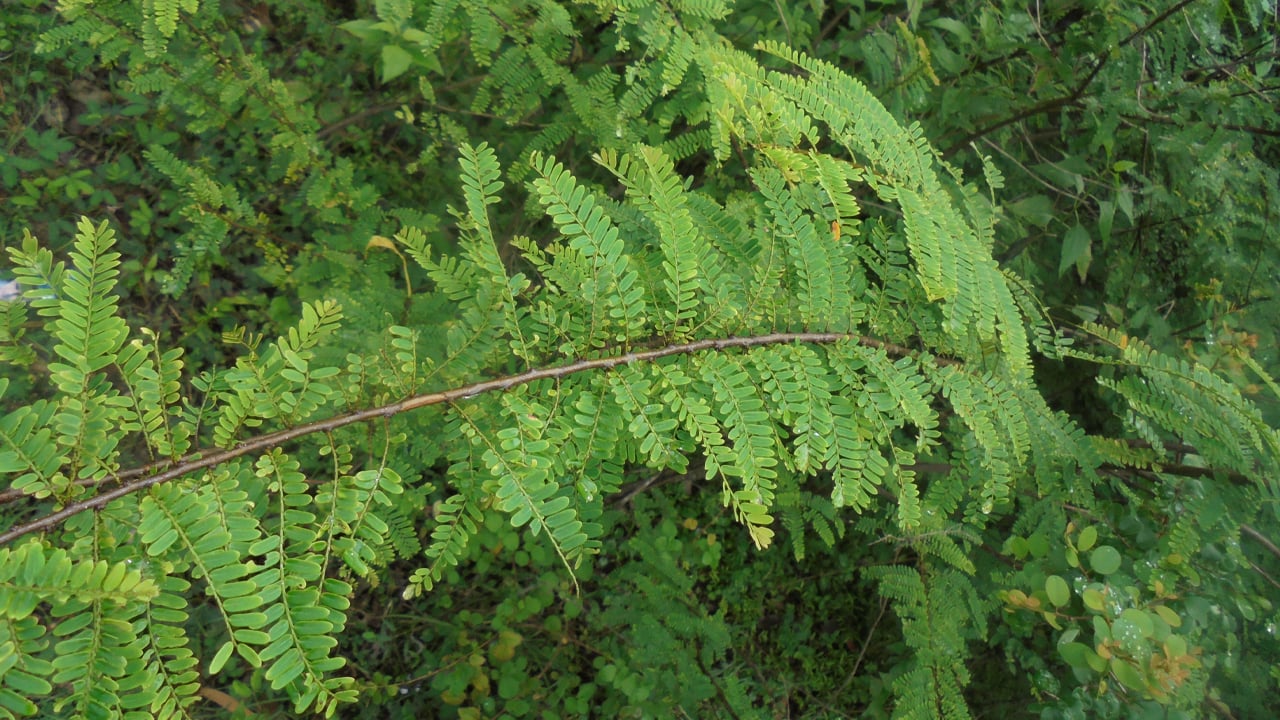
The plant typically grows as a slender woody shrub, reaching around 3 metres in height under favourable conditions. Its branches are slim and somewhat wiry, carrying small, linear-oblong leaves arranged alternately along each stem. The overall appearance is delicate compared with many other shrubs of similar height.
Flowers are minute and unisexual, yet both male and female flowers appear on the same plant — a condition botanists call monoecious. The small, inconspicuous nature of the flowers is typical of the Phyllanthaceae family and means the plant is more often noticed for its growth habit than its blooms.
Where does Phyllanthus polyphyllus grow in Sri Lanka?
The species favours dry, rocky soils and is most commonly encountered at the edges of open grasslands and dry-zone forests. In Sri Lanka, populations tend to occur in the drier lowlands and transition zones where rainfall is seasonal and soils are thin and stony. Areas bordering dry-zone nature reserves — such as the scrub forests around Wilpattu National Park — provide the kind of open, disturbed habitat the plant tolerates well.
It is not a forest-interior species; it prefers light-exposed sites where competing canopy trees are absent or sparse. This adaptability to marginal soils partly explains its persistence in degraded landscapes across both Sri Lanka and southern India.
How is Phyllanthus polyphyllus used in Ayurvedic medicine?
In traditional Ayurvedic practice, the leaves are the primary part used therapeutically. Practitioners have historically employed preparations from the plant to address:
- Liver disorders — the leaves are considered hepatoprotective, meaning they are believed to help protect liver tissue from damage.
- Jaundice — the plant appears in classical formulations intended to support recovery from liver-related conditions, including jaundice.
- Diabetes management — folk use includes preparations thought to help moderate blood sugar levels, though clinical evidence remains limited.
- Urinary tract infections — decoctions from the plant have been used as a supportive remedy in treating urinary complaints.
- Digestive health — the plant is also used as a general digestive tonic, particularly to ease bloating and sluggish digestion.
These applications overlap significantly with uses attributed to related species such as Phyllanthus niruri (commonly called stonebreaker) and Phyllanthus emblica (Nelli or Amla), which are better studied and more widely available in commercial Ayurvedic preparations.
What bioactive compounds does Phyllanthus polyphyllus contain?
Phytochemical screening of Phyllanthus polyphyllus has identified several classes of biologically active compounds:
| Compound Class | Associated Activities |
|---|---|
| Lignans | Antiviral, hepatoprotective, antioxidant |
| Flavonoids | Anti-inflammatory, antioxidant, antimicrobial |
| Tannins | Astringent, antimicrobial, antifungal |
Laboratory studies have indicated that plant extracts show antifungal activity and may inhibit the production of aflatoxins — toxic compounds produced by certain mould species that contaminate stored food crops. This anti-aflatoxigenic property is of particular interest to researchers exploring natural food-preservation solutions.
What does current research say about its safety and efficacy?
Despite promising results from in-vitro (laboratory) and some animal studies, rigorous clinical trials in humans remain scarce. The hepatoprotective and antifungal properties have attracted scientific attention, but translating these findings into standardised therapeutic guidance requires considerably more research.
Researchers have noted the challenge common to many traditional medicinal plants: while ethnobotanical records confirm centuries of use, dosage, extraction method, and preparation technique vary widely between practitioners, making systematic evaluation difficult. This gap between traditional knowledge and clinical evidence does not diminish the plant's cultural significance, but it does underscore the need for caution.
Anyone considering using Phyllanthus polyphyllus or any preparation containing it for therapeutic purposes should consult a qualified healthcare professional before doing so. This is particularly important for individuals with existing liver conditions, those on prescribed medication, or those who are pregnant or breastfeeding.
How does Phyllanthus polyphyllus compare to related Phyllanthus species?
The genus Phyllanthus is large and diverse, with well over 700 recognised species globally. Several others share overlapping traditional uses with P. polyphyllus:
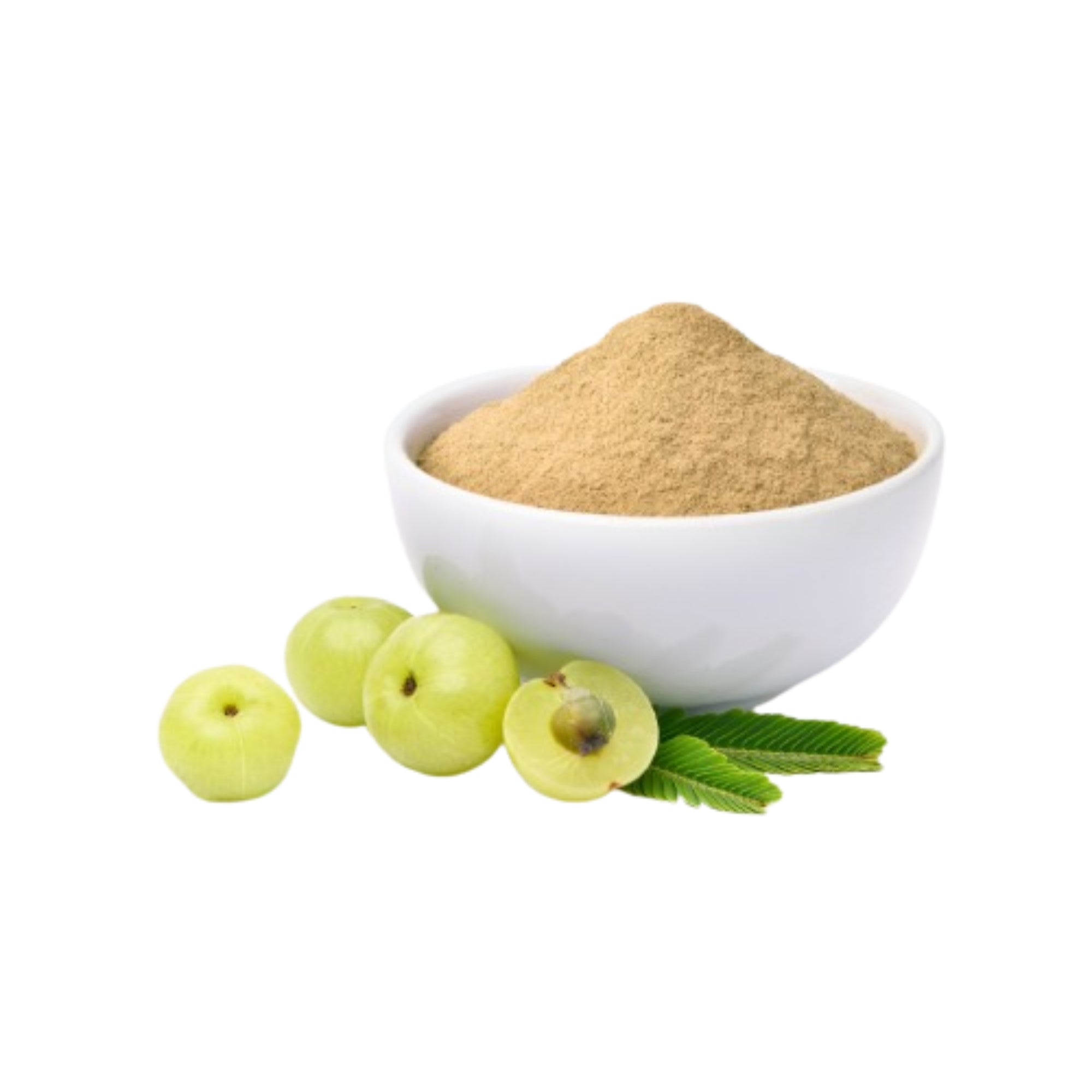
- Phyllanthus emblica (Nelli / Amla) — probably the most commercially significant species in Sri Lanka, widely consumed as a fruit and processed into powders, oils, and supplements. It has a substantially larger body of clinical research supporting its antioxidant and immunomodulatory properties.
- Phyllanthus niruri — documented hepatoprotective and antiviral properties have made this species the subject of numerous studies, particularly relating to hepatitis B.
- Phyllanthus reticulatus — also present in Sri Lanka, with similar ethnomedicinal applications including anti-diabetic use.
Understanding where P. polyphyllus sits within this broader genus helps contextualise both its potential and the gaps in current knowledge. Its chemical profile aligns closely with better-studied relatives, which lends plausibility to traditional claims — while reinforcing the need for species-specific research.
Is Phyllanthus polyphyllus found in Sri Lanka's protected areas?
The plant's preference for dry, open habitats means it can be encountered in and around several of Sri Lanka's dry-zone protected landscapes. Botanists and naturalists visiting areas such as Wilpattu National Park or the scrub forests near Udawalawe National Park may encounter it along roadsides and at forest margins, though it is not a species typically highlighted on standard wildlife tours. It also shares habitat with other traditional medicinal plants found across the island's dry lowlands, including Acacia chundra and Pongamia pinnata.
What is the conservation status of Phyllanthus polyphyllus?
The species is not currently listed as threatened or endangered. Its tolerance for disturbed, rocky habitats and its range across both Sri Lanka and India suggest a stable population base. However, increased demand for wild-harvested medicinal plants — driven by growing interest in natural remedies — can place pressure on localised populations, particularly in areas where habitat is being converted for agriculture or development. Responsible sourcing and cultivation over wild collection are increasingly recommended by conservation practitioners for medicinal plant species in general.
Other species in this genus
7 more, sharing the same genus.