Croton aromaticus, known locally as Wel Keppetiya (වෙල් කැප්පෙටියා), is a shrubby plant native to the Indian subcontinent and well established across Sri Lanka's lowland and intermediate zones. It belongs to the genus Croton within the large and ecologically diverse family Euphorbiaceae — a family that also includes rubber trees, cassava, and hundreds of medicinally significant species. Though modest in appearance, Wel Keppetiya has held a respected place in Sri Lankan traditional medicine for centuries.
What does Croton aromaticus look like?
Croton aromaticus grows as a woody shrub, typically reaching up to around 3 metres in height. Its stems are branched and somewhat aromatic when cut or bruised, which gives the species its name. The leaves are simple, alternate, and lanceolate, with a surface that may show a faint waxy sheen. Like other members of the Euphorbiaceae family, the plant produces small flowers arranged in terminal racemes, with male and female flowers often appearing on the same inflorescence. The bark is rough and pale brown, while the root system is moderately deep for a shrub of its size.
The plant prefers open scrubland, forest margins, and areas of disturbed vegetation — habitats found widely across Sri Lanka's dry and intermediate climatic zones. It is not typically found at high elevations.
How is Wel Keppetiya used in Ayurveda?
In Sri Lankan Ayurvedic practice, virtually every part of Croton aromaticus is considered therapeutically useful. The roots, bark, and leaves are each prepared differently depending on the condition being treated. Preparations made from the plant are traditionally used to manage:
- Bronchitis — decoctions of the bark or roots are used to ease respiratory inflammation
- Diarrhoea and dysentery — astringent compounds in the plant are thought to help reduce gastrointestinal upset
- Fever and malaria — the plant has a longstanding reputation as a febrifuge in traditional medicine systems of South Asia
These applications are consistent with broader Ayurvedic uses of Croton species across the Indian subcontinent. Sri Lankan village physicians (vedamahattayas) have historically included Wel Keppetiya in compound formulations alongside other indigenous plants. Its aromatic quality is also noted in some texts as an indicator of its therapeutic potency.
Researchers have investigated Croton aromaticus in laboratory settings and found evidence of both insecticidal and fungicidal activity in plant extracts. These findings align with traditional agricultural uses in parts of South Asia, where plant material was sometimes used to protect stored crops. While laboratory results are promising, formal clinical evidence in humans remains limited, and the plant should be used medicinally only under the guidance of a qualified Ayurvedic practitioner.
Where does Croton aromaticus fit in Sri Lanka's botanical heritage?
Sri Lanka's botanical richness is striking for an island of its size. The country hosts thousands of flowering plant species, a significant proportion of which are endemic or have strong traditional medicinal associations. Croton aromaticus is part of a broader pharmacopoeia that has developed over more than two millennia of recorded medical practice on the island, reaching back to ancient centres of learning in the Kandyan highlands and the dry-zone kingdoms.
Many plants in this tradition share characteristics with Wel Keppetiya — aromatic properties, multi-part utility, and roles in both internal medicine and topical treatments. Acacia chundra, for instance, is another dry-zone native in this traditional pharmacopoeia, valued for its astringent bark in the treatment of inflammatory and digestive conditions. Similarly, Pongamia pinnata is a well-documented Ayurvedic tree whose oil and bark serve overlapping therapeutic purposes.
Understanding plants like Croton aromaticus in context — as part of an integrated, ecosystem-linked medical tradition rather than isolated botanical curiosities — is central to appreciating Sri Lanka's living heritage of deshiya chikitsa (indigenous medicine).
What is the conservation and ecological status of Wel Keppetiya?
Croton aromaticus is not currently classified as a threatened species in Sri Lanka. It grows in secondary scrubland and disturbed habitats, which means it is relatively resilient to moderate land-use change compared to rainforest specialists. However, habitat loss across Sri Lanka's dry zone — driven by agricultural expansion and urban development — does put pressure on the plant communities in which Wel Keppetiya is found.
Home gardens and traditional watti (compound gardens) in rural Sri Lanka have historically served as informal conservation spaces for medicinal plants, and Croton aromaticus is sometimes cultivated in these settings. Its modest size and tolerance for a range of soil conditions make it a practical choice for small-scale cultivation.
Quick Reference: Croton aromaticus
| Attribute | Detail |
|---|---|
| Scientific name | Croton aromaticus |
| Common name (Sri Lanka) | Wel Keppetiya |
| Sinhala name | වෙල් කැප්පෙටියා |
| Family | Euphorbiaceae |
| Habit | Woody shrub |
| Typical height | Up to 3 m |
| Native range | Indian subcontinent |
| Parts used medicinally | Roots, bark, leaves |
| Traditional applications | Bronchitis, diarrhoea, dysentery, fever, malaria |
| Laboratory activity | Insecticidal, fungicidal |
How does Croton aromaticus relate to other Croton species available from Sri Lanka?
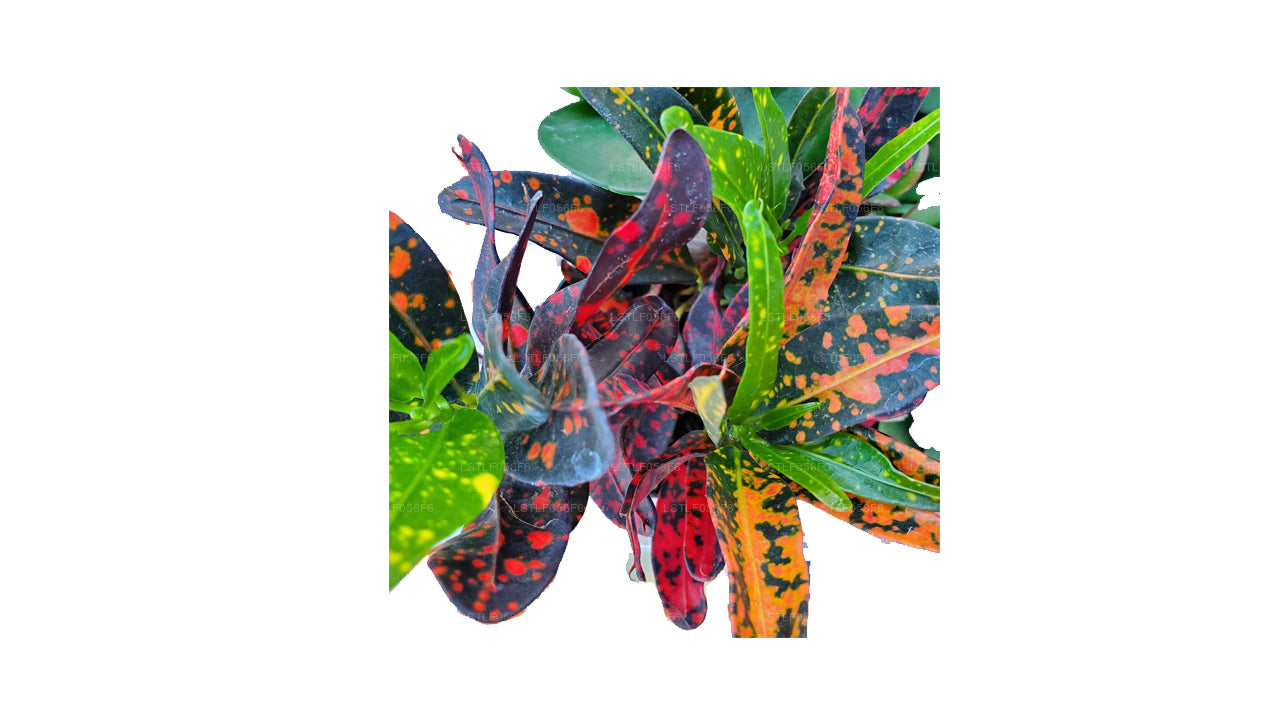
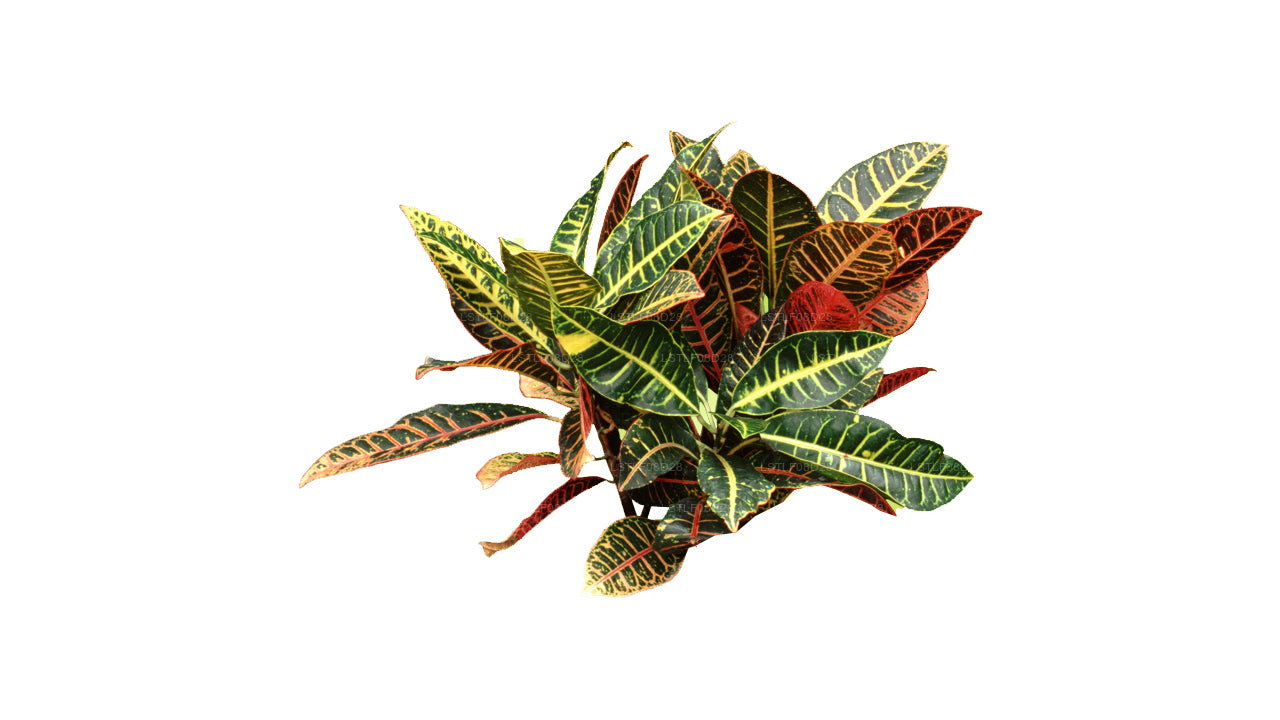
The genus Croton contains well over 1,000 species worldwide, and while Croton aromaticus is valued for its medicinal properties, many other members of the genus are cultivated purely as ornamental plants. Sri Lanka's tropical climate makes it an ideal environment for growing a wide range of ornamental Croton cultivars — plants prized for their dramatically coloured foliage in shades of red, orange, yellow, and green. These horticultural varieties are distinct from Croton aromaticus in their intended use but share the same genus and many of the same cultivation requirements.
Other species in this genus
3 more, sharing the same genus.