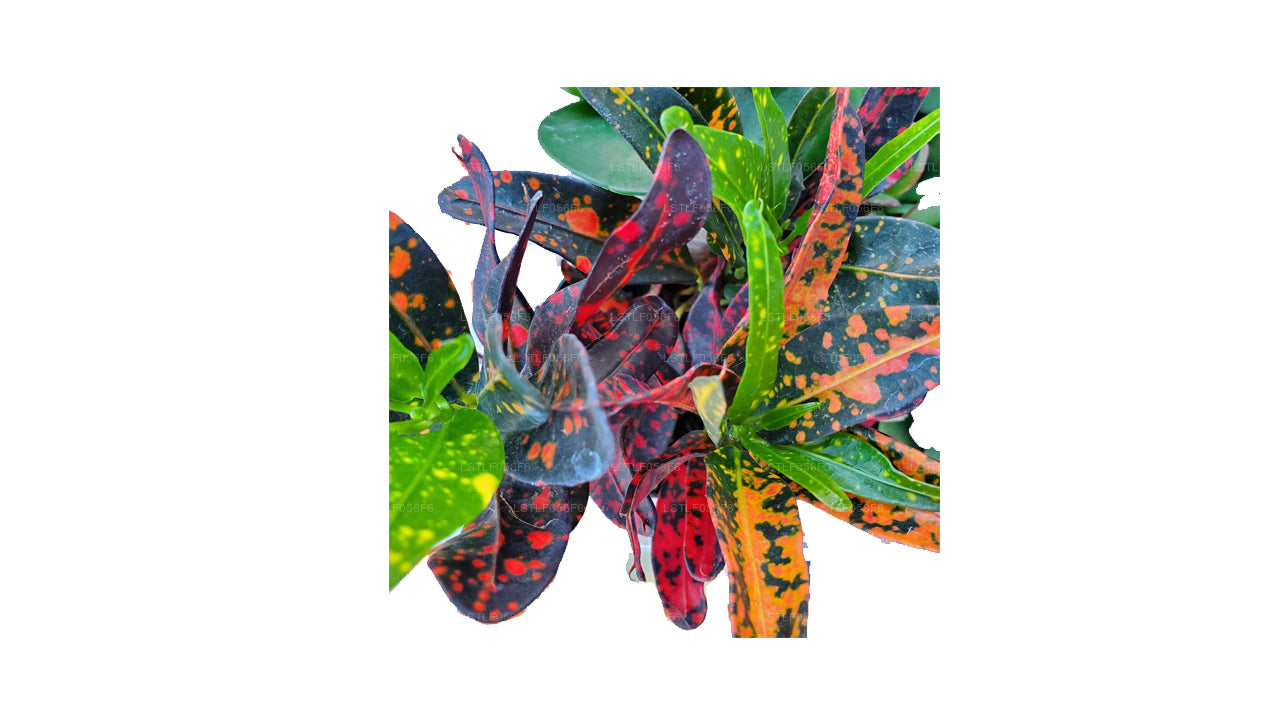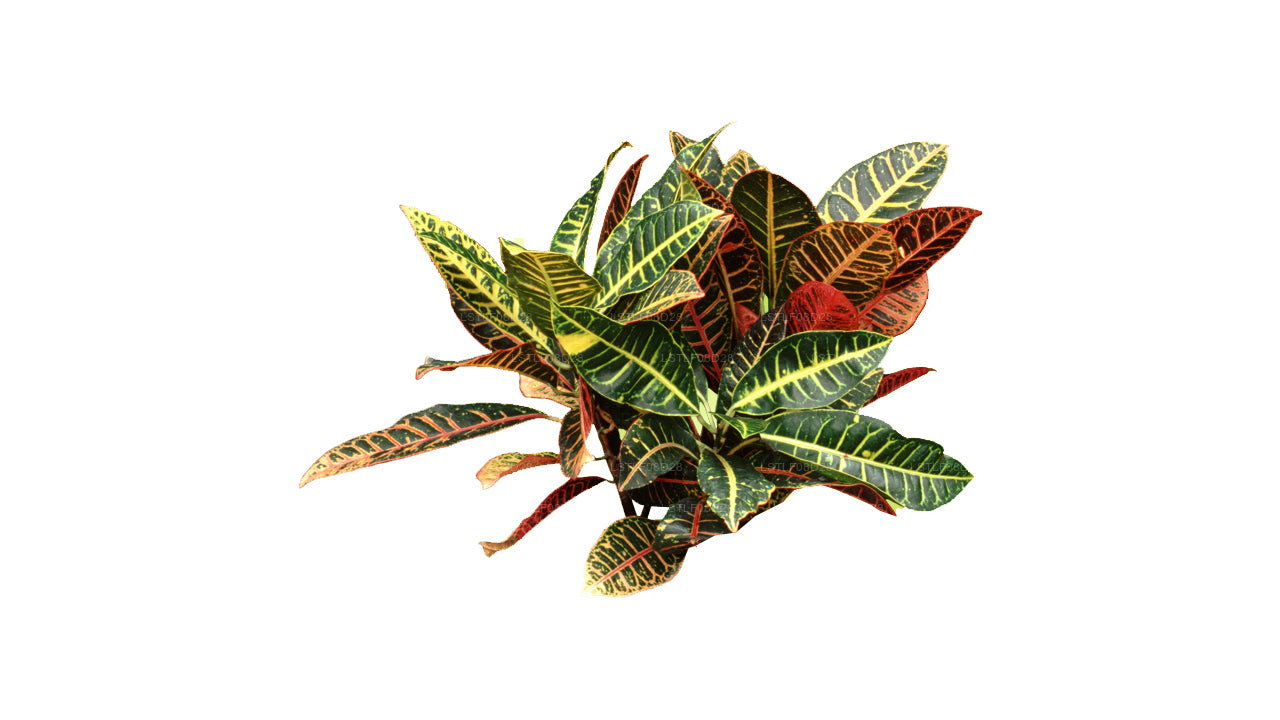




Croton tiglium, commonly known as purging croton, is a small tree or shrub belonging to the family Euphorbiaceae. Native to Southeast Asia and widely distributed across tropical regions including Sri Lanka, it holds a recognized place in the island's catalog of Ayurvedic medicinal plants. Despite its compact size, this plant carries considerable pharmacological weight — and a long history of cautious but deliberate use in traditional medicine.
What is the botanical profile of Croton tiglium?
Croton tiglium is a fast-growing deciduous shrub or small tree that typically reaches three to seven meters in height. Its leaves are ovate, pointed at the tip, and arranged alternately along the stem. The plant produces small, inconspicuous flowers and hard-shelled seeds enclosed in a capsular fruit. The seeds, roughly the size of a small bean, are the part most extensively used — and also the most toxic if mishandled.
The plant thrives in tropical lowland environments, favoring well-drained soils with good sunlight. In Sri Lanka, it is found in home gardens, traditional medicinal plant collections, and occasionally in secondary forests across the low country wet and dry zones.
What are the traditional Ayurvedic uses of Croton tiglium?
In Ayurvedic medicine, Croton tiglium is classified as a drastic purgative — one of the most powerful in the classical pharmacopoeia. The seed oil, known as croton oil, has been used for centuries to stimulate the gastrointestinal tract in cases of severe constipation, intestinal obstruction, and as part of panchakarma (purification) protocols. It is almost never administered alone; experienced practitioners combine it with other herbs and fats to moderate its intense action.
Beyond purgation, traditional texts reference its application in skin conditions, neuralgia, and as a counterirritant when diluted and applied externally. Formulations containing croton oil are typically prepared and dispensed only by qualified Ayurvedic physicians, owing to the plant's narrow therapeutic margin.
- Primary action: Drastic purgative (virechana agent)
- Parts used: Seeds, seed oil, leaves (topical)
- Classical applications: Severe constipation, skin disorders, counterirritant therapy
- Preparation: Processed seed oil, decoctions, medicated oils
How does Croton tiglium fit into Sri Lanka's Ayurvedic tradition?
Sri Lanka's Ayurvedic tradition draws from both the Indian classical system and a distinct local body of knowledge refined over more than two millennia. The island's biodiversity — encompassing rainforests like the Sinharaja Forest Reserve, montane cloud forests, and coastal lowlands — has given traditional healers access to an exceptionally diverse range of medicinal species. Croton tiglium is one of the more potent entries in that catalog, respected precisely because it demands expertise to use safely.
The government of Sri Lanka recognizes Ayurveda as a parallel healthcare system alongside Western medicine. The Department of Ayurveda maintains an official pharmacopoeia that includes Croton tiglium, and traditional physicians trained in the system are licensed to prescribe its preparations. Visitors interested in the depth of Sri Lanka's botanical heritage often find these plant profiles — spanning common spices like Syzygium aromaticum (clove) and intense therapeutics like Croton tiglium — a revealing lens into how deeply integrated plant knowledge is with Sri Lankan culture.
What are the active compounds in Croton tiglium?
Modern phytochemical analysis has identified several biologically active constituents in Croton tiglium seeds and seed oil. The most studied is croton oil itself, a complex mixture of fatty acids and diterpene esters — particularly phorbol esters — which account for its powerful irritant and purgative effects. Phorbol esters are also of interest to cancer researchers, as some analogs have shown activity as protein kinase C modulators, though this remains a field of ongoing laboratory investigation rather than established clinical application.
Other constituents include alkaloids, glycosides, and terpenes that contribute to the plant's antimicrobial and anti-inflammatory properties in lower concentrations. The seed protein fraction has been examined for lectins with biological activity. As with many potent medicinal plants, the gap between therapeutic dose and toxic dose is narrow, underscoring why traditional protocols emphasize careful processing and professional dispensing.
Is Croton tiglium safe to handle or use at home?
Croton tiglium is emphatically not a plant for self-medication or casual handling. The raw seed oil is classified as highly toxic and is a recognized skin and mucous membrane irritant. Ingestion of even small quantities of unprocessed seeds or oil can cause severe gastrointestinal distress, systemic inflammation, and in extreme cases, life-threatening reactions. Prolonged skin contact with the oil can cause blistering.
Traditional Ayurvedic processing methods — shodhana, or purification — significantly reduce but do not eliminate the plant's toxicity. These methods involve heating the oil with specific adjuvants and following precise protocols that have been refined over generations. Anyone seeking Ayurvedic treatment involving Croton tiglium should consult only a registered Ayurvedic physician. The plant's ornamental relatives in the Codiaeum variegatum group, commonly sold as decorative crotons, are entirely different plants and pose no comparable risk.
How does Croton tiglium relate to other medicinal plants of Sri Lanka?
Croton tiglium sits within a broader ecosystem of powerful botanical medicines that Sri Lanka's traditional healers have documented and preserved. Plants like Pongamia pinnata, with its anti-inflammatory and skin-healing properties, share a similar profile: pharmacologically significant, traditionally well-understood, and deserving of careful modern study. Sri Lanka's Ayurvedic plant catalog is one of the most comprehensive in South Asia, reflecting both the island's ecological richness and its unbroken tradition of indigenous medical scholarship.
Compound Ayurvedic formulations often draw on multiple such plants. Preparations like Yogaraja Guggulu or Kaishore Guggulu illustrate how classical Ayurveda combines ingredients synergistically, balancing potent actives with moderating herbs and carriers to achieve therapeutic effect within a margin of safety.
Where can researchers and practitioners find authoritative information on Croton tiglium?
The most authoritative reference for Croton tiglium in the Sri Lankan context is the Department of Ayurveda, Sri Lanka, which maintains the official Ayurvedic pharmacopoeia and oversees the licensing of traditional practitioners. For phytochemical and pharmacological data, the published literature in journals such as the Journal of Ethnopharmacology provides peer-reviewed analysis of the plant's bioactive constituents and mechanisms. Researchers visiting Sri Lanka interested in medicinal plant biodiversity may find fieldwork opportunities in protected forest reserves and university-linked botanical gardens across the island.
Other species in this genus
3 more, sharing the same genus.