Croton officinalis is a lesser-known member of the Euphorbiaceae family — a large and chemically diverse plant group that includes several species of significant medicinal and commercial importance. While it lacks the mainstream recognition of herbs like turmeric or neem, this tropical plant occupies a meaningful place in the broader tradition of herbal medicine across South and Southeast Asia, including Sri Lanka, where plant-based healing systems remain actively practised.
What is Croton officinalis and where does it come from?
The genus Croton comprises hundreds of species distributed across tropical and subtropical regions worldwide. Croton officinalis specifically is associated with warm, humid lowland environments — conditions that mirror Sri Lanka's intermediate and low-country wet zones. Like its relatives, it typically produces simple leaves, small inconspicuous flowers, and a milky latex that is characteristic of the Euphorbiaceae family. This latex, along with extracts from the bark and leaves, contains bioactive compounds that traditional practitioners have long recognised as therapeutically active.
The plant is not a dominant forest species in Sri Lanka, but it can be found in cultivated herbal plots and home gardens maintained by Ayurvedic practitioners, particularly in rural areas where knowledge of medicinal flora is passed down through generations.
What are the traditional medicinal uses of Croton officinalis?
Within traditional healing systems, various parts of Croton officinalis — including the leaves, bark, and latex — are attributed with therapeutic properties. These are broadly understood to include anti-inflammatory, antimicrobial, and digestive effects, though the extent and safety of these uses depend heavily on preparation method and dosage.
In the Ayurvedic framework practised widely in Sri Lanka, such plants are used to balance the three bodily humors (Vata, Pitta, and Kapha) and to address conditions such as:
- Digestive disturbances and sluggish digestion
- Skin conditions and minor dermatological complaints
- Localised inflammation and minor infections
It is worth noting that plants in the Euphorbiaceae family can carry a risk of toxicity or irritation if misused. Latex from members of this family is particularly potent and should only be used under the guidance of a qualified practitioner. This caution is well understood in traditional contexts, where preparation techniques — including drying, dilution, or combination with other herbs — are used to mitigate adverse effects. Plants such as Acacia chundra and Pongamia pinnata similarly require careful handling in traditional formulations.
How does Croton officinalis fit into Sri Lanka's herbal medicine tradition?
Sri Lanka has one of the richest traditions of plant-based medicine in Asia, built on centuries of Ayurvedic practice, indigenous Deshiya Chikitsa, and Unani medicine. The country's diverse ecosystems — from lowland rainforests like the Sinharaja Forest Reserve to highland cloud forests — support an extraordinary range of medicinal flora. Croton officinalis represents the less celebrated end of this spectrum: an underutilised species that has not attracted the commercial interest of better-known herbs, yet retains relevance among traditional healers.
Government bodies including the Ayurveda Research Institute under Sri Lanka's Ministry of Indigenous Medicine oversee documentation and research into such plants, and several university faculties of indigenous medicine are engaged in validating traditional plant knowledge through phytochemical analysis. The broader goal is to build an evidence base that allows traditional remedies to be used safely alongside modern healthcare.
What does current research say about Croton species and medicinal potential?
While peer-reviewed research specific to Croton officinalis remains limited compared to more widely studied species in the genus — such as Croton tiglium or Croton lechleri — studies across the genus consistently identify the presence of alkaloids, terpenoids, flavonoids, and phenolic compounds. These compound classes are broadly associated with anti-inflammatory, antioxidant, and antimicrobial activity in laboratory settings.
Translating laboratory findings into clinical practice requires carefully controlled studies that account for bioavailability, safe dosage ranges, and potential interactions with other medications. This gap between ethnobotanical knowledge and clinical validation represents one of the key challenges — and opportunities — in the study of underutilised tropical medicinal plants.
Can Croton officinalis be cultivated sustainably in Sri Lanka?
Sustainable cultivation is both feasible and advisable. As global interest in plant-based and natural health products grows, pressure on wild populations of medicinal plants can increase significantly. Encouraging small-scale cultivation — in home gardens, community herbal plots, and agricultural smallholdings — reduces the need for wild harvesting and gives practitioners a reliable, consistent supply.
Croton officinalis is reasonably adaptable to tropical growing conditions, preferring well-drained soils and moderate humidity. Home gardeners in Sri Lanka's low country and intermediate zones are typically well-placed to cultivate the plant without intensive inputs. Controlled propagation also allows for selection of plant material with consistent phytochemical profiles, which matters when the plant is being grown for medicinal rather than ornamental purposes.
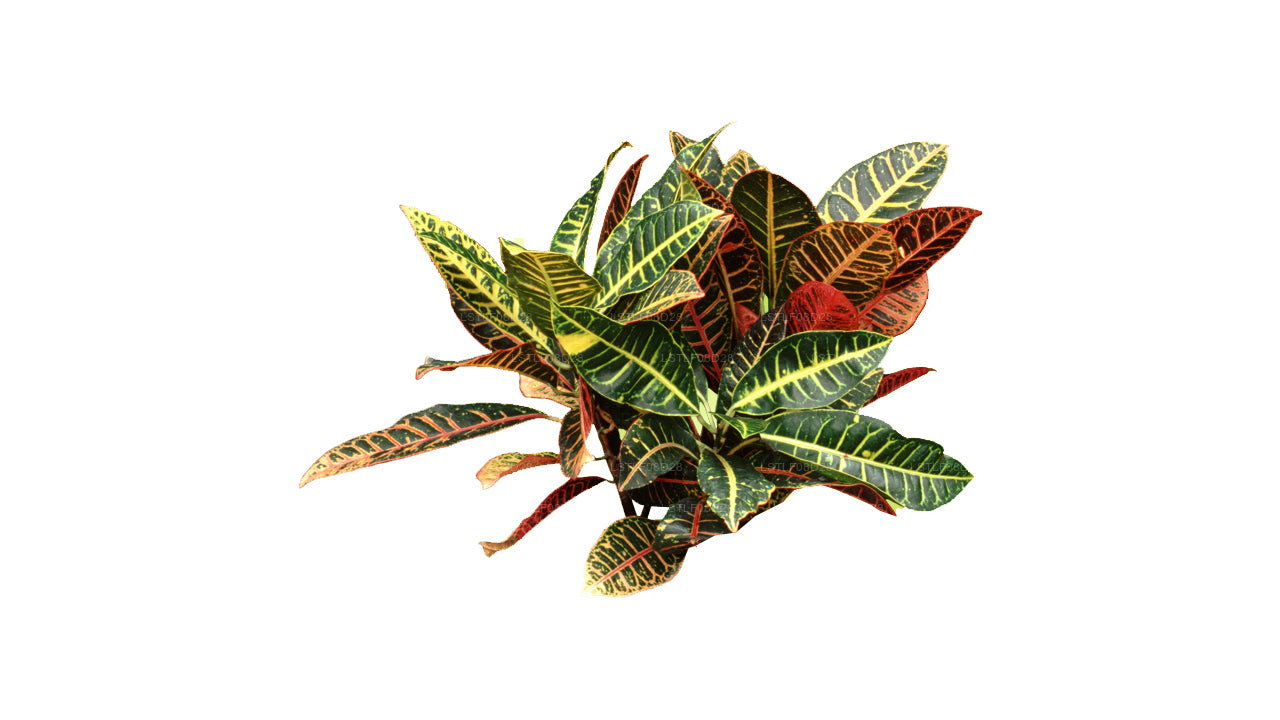
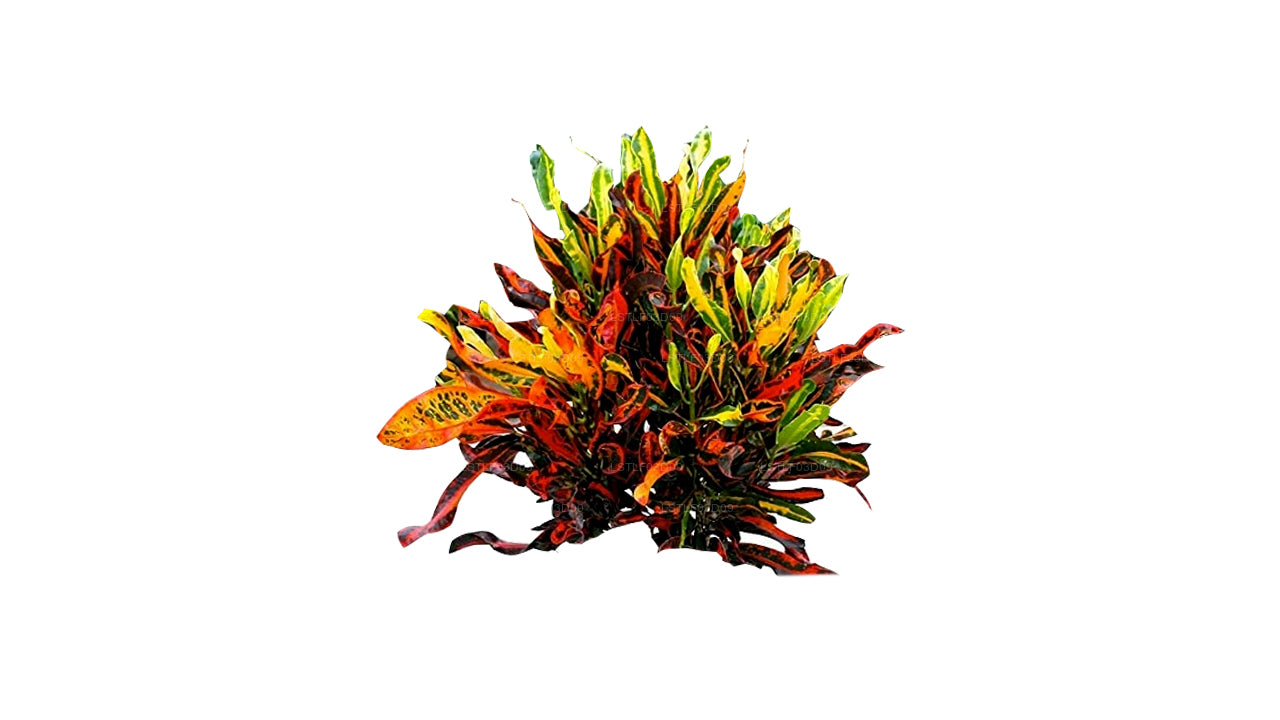
For those interested in the ornamental side of the Croton genus, the wide variety of cultivated Codiaeum variegatum varieties — commonly called ornamental crotons — offer vivid foliage in an array of colours and leaf shapes, and are a separate horticultural category from the medicinal species discussed here.
What is the conservation status of Croton officinalis in Sri Lanka?
As an introduced or cultivated species rather than a primary forest constituent, Croton officinalis does not currently appear on Sri Lanka's primary threatened species lists in the way that endemic forest plants do. However, the principle that underpins conservation efforts for all medicinal flora applies here: as demand grows, sustainable sourcing practices must be established proactively rather than reactively.
Sri Lanka's network of protected areas — including national parks and forest reserves — plays a broader role in maintaining the ecological conditions that support medicinal plant diversity. Biodiversity-rich sites also serve as reference ecosystems for understanding where species like Croton officinalis naturally occur and thrive.
How does Croton officinalis relate to other Croton products available from Sri Lanka?
The Croton genus is represented in Sri Lanka's horticultural export trade primarily through ornamental varieties of Codiaeum variegatum, which are cultivated extensively for their dramatically coloured foliage. These ornamental crotons — marketed under cultivar names and prized by plant collectors worldwide — represent a commercially distinct category from the medicinal species. Lakpura sources a range of ornamental croton leaves from Sri Lankan growers, offering cultivars such as Mammy Croton, Zanzibar Croton, and Gold Dust Croton, among others.
Understanding the distinction between ornamental and medicinal croton species is important both for informed purchasing and for safe use. The two categories share a genus name and certain botanical characteristics but serve entirely different purposes and carry different risk profiles.
Other species in this genus
3 more, sharing the same genus.