Phyllanthus urinaria, widely known as chamberbitter or gripeweed, is a small annual herb with a long history of use in Asian traditional medicine. A member of the Phyllanthaceae family, it grows naturally across tropical and subtropical regions and has been valued in Ayurvedic and folk healing systems for centuries — including in Sri Lanka, where native plant knowledge remains deeply embedded in daily life.
What does Phyllanthus urinaria look like?
The plant is modest in stature, typically reaching up to 60 centimetres in height. Its stems are distinctively reddish, and its small, oblong leaves are arranged in two neat rows along each branch, giving the plant a feathery, fern-like appearance at first glance. The flowers are greenish-white and minute — easily overlooked — while the round, green-to-red fruits that develop along the undersides of the stems are the plant's most recognisable feature. This fruiting pattern, with seeds clustered beneath the leaves, is one of the clearest ways to identify the species in the field.
Where does Phyllanthus urinaria grow in Sri Lanka?
In Sri Lanka, this herb grows as a common roadside and garden weed across low- and mid-elevation zones. It thrives in disturbed soils — along field margins, in paddy areas, and in secondary scrubland — and is not a cultivated crop but rather gathered from the wild when needed for medicinal use. Its cousin, Pongamia pinnata, is another widely used medicinal plant found in Sri Lankan landscapes, illustrating the island's broader tradition of drawing on native flora for therapeutic purposes.
What are the traditional medicinal uses of Phyllanthus urinaria?
Across Asia, including Sri Lanka, Phyllanthus urinaria has been incorporated into traditional healing for a wide range of conditions. Its applications broadly fall into several categories:
- Liver and digestive health: Historically used to support the liver, including in cases of hepatitis and jaundice, and to ease dysentery and diarrhoea.
- Urinary and renal conditions: Applied as a diuretic and to help address urinary tract infections and kidney stones.
- Metabolic conditions: Used in some traditions to support blood sugar regulation in cases of diabetes.
- Topical applications: Leaf preparations have been used externally on skin conditions and minor wounds in certain folk medicine contexts.
It is important to note that these are traditional uses documented across various cultures. They do not constitute medical advice, and anyone considering the plant for therapeutic purposes should consult a qualified healthcare professional first.
What bioactive compounds does Phyllanthus urinaria contain?
Phytochemical analysis of Phyllanthus urinaria has identified a diverse array of bioactive constituents that are thought to underpin its pharmacological potential. The main compound classes include:
| Compound Class | Reported Biological Activity |
|---|---|
| Flavonoids | Antioxidant, anti-inflammatory |
| Lignans | Antiviral, hepatoprotective |
| Tannins | Antibacterial, astringent |
| Phenolic acids | Antioxidant, antimicrobial |
The lignan fraction has attracted particular attention in scientific literature for its potential antiviral activity, including studies examining its effect on hepatitis B virus replication. Researchers have also investigated the plant's potential to induce apoptosis — programmed cell death — in certain cancer cell lines, though this remains a field of early-stage inquiry rather than established clinical practice.
What does current research say about Phyllanthus urinaria?
Laboratory and preclinical studies have produced encouraging results across several areas. Anti-inflammatory and antioxidant effects have been demonstrated in cell and animal models, and antiviral properties — particularly related to liver protection — have been a consistent focus of published research. Some studies have explored its antibacterial activity against common pathogens.
However, rigorous clinical trials in human populations remain limited. The gap between traditional use, laboratory findings, and validated clinical application is significant, and regulatory bodies have not approved Phyllanthus urinaria as a treatment for any specific condition. Its role in integrative medicine continues to be studied, and the body of evidence is growing, but caution and professional guidance remain essential.
How does Phyllanthus urinaria relate to other Phyllanthus species used in Sri Lanka?
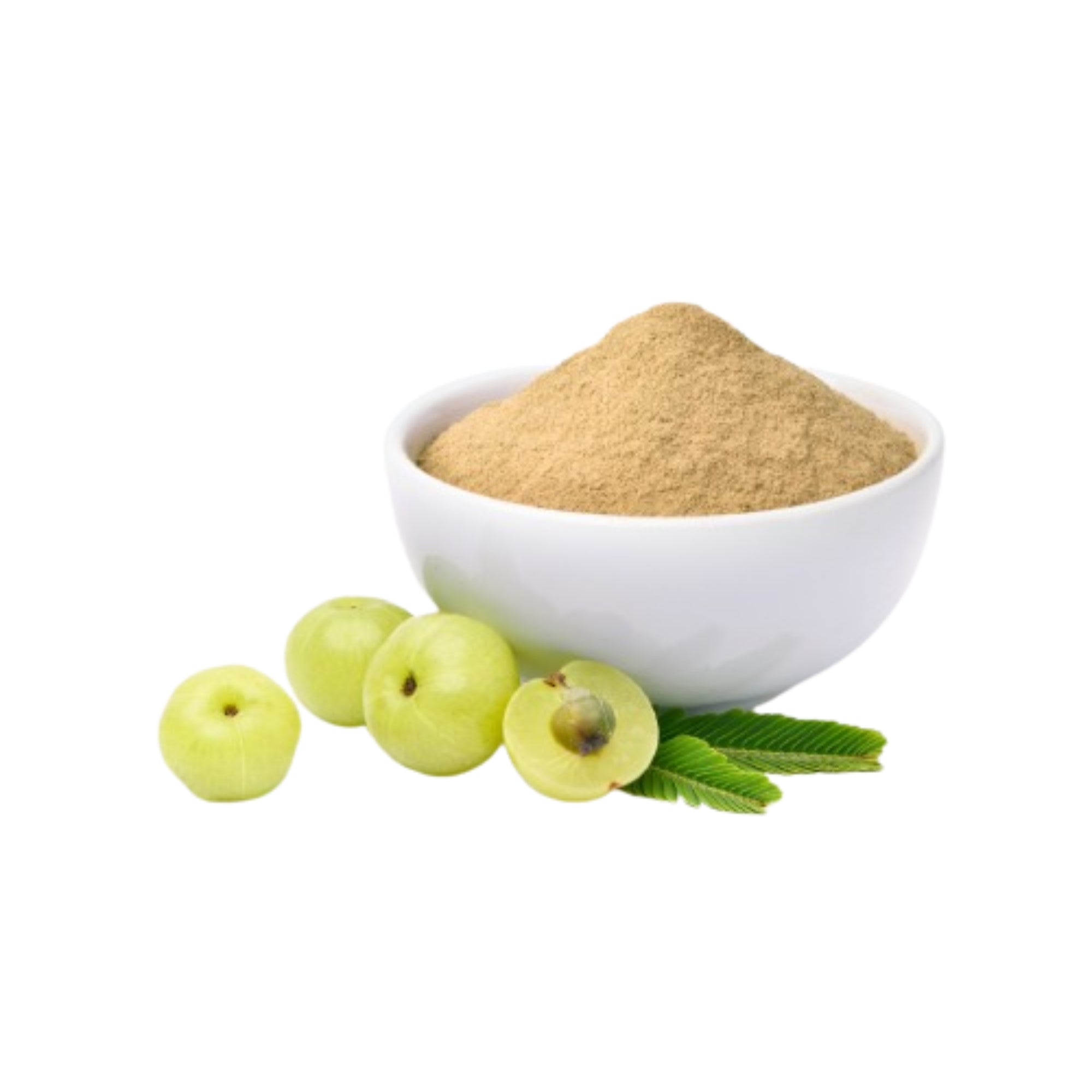
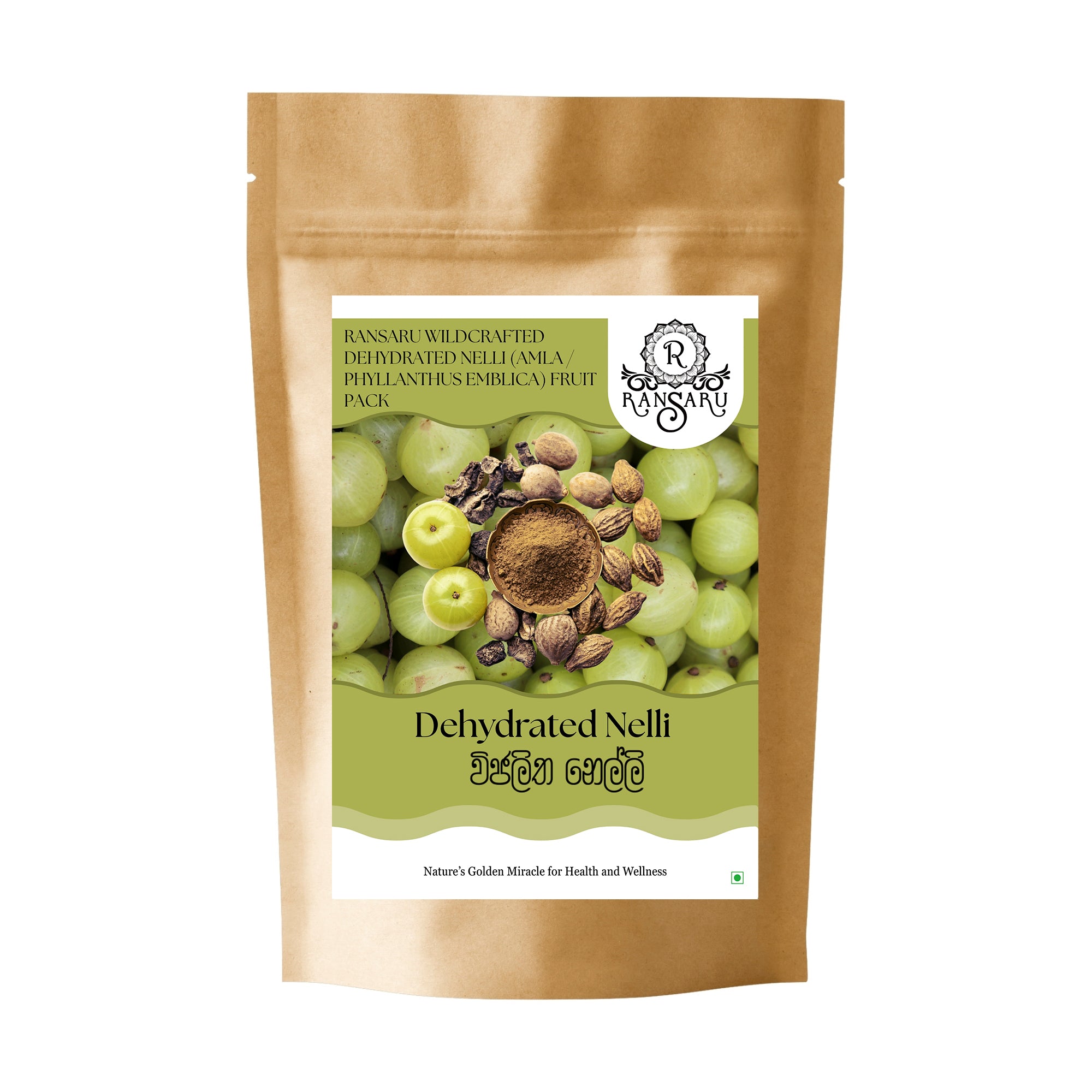
The Phyllanthus genus is well represented in Sri Lanka and across South Asia. The most commercially prominent relative is Phyllanthus emblica — known locally as Nelli (or Amla) — a fruit-bearing tree prized in Ayurvedic medicine for its exceptionally high vitamin C content and antioxidant properties. While Phyllanthus urinaria is primarily used as a medicinal herb gathered from the wild, Nelli has been cultivated and processed into supplements and food products for widespread use. The two plants share the same genus and some overlapping phytochemical properties, but differ considerably in their form, fruiting profile, and commercial applications.
Is Phyllanthus urinaria safe to use?
Available evidence suggests that Phyllanthus urinaria is generally well tolerated when used in traditional doses for short periods, but systematic safety data in humans is limited. Potential interactions with medications — particularly those processed by the liver — cannot be ruled out. Pregnant and breastfeeding women, and individuals with pre-existing liver or kidney conditions, should exercise particular caution. As with any herbal preparation, sourcing from reputable suppliers and seeking professional medical advice before use are strongly recommended.
Other species in this genus
7 more, sharing the same genus.