



Phyllanthus heyneanus is a lesser-known but botanically significant member of the Phyllanthus genus — a large and medicinally important group of flowering plants in the family Phyllanthaceae. Recorded as part of Sri Lanka's catalog of Ayurvedic medicinal plants, it occupies a quiet but respected place in the island's long tradition of plant-based healing.
What is Phyllanthus heyneanus?
Phyllanthus heyneanus is a small herbaceous or semi-woody plant found across tropical and subtropical regions of South and Southeast Asia, including Sri Lanka. Like other members of the Phyllanthus genus, it is characterised by alternate, distichously arranged leaves and small, inconspicuous flowers that emerge along the undersides of branchlets — a distinctive feature that gives the genus its name (from the Greek phyllon, leaf, and anthos, flower).
The species is named after Benjamin Heyne, a German botanist who conducted extensive botanical surveys across the Indian subcontinent in the early nineteenth century. His collections and observations contributed to the formal classification of many South Asian plant species, including several within the Phyllanthus family.
Where does Phyllanthus heyneanus grow in Sri Lanka?
In Sri Lanka, Phyllanthus heyneanus is typically found in the dry and intermediate zones, often growing in open scrubland, forest margins, and disturbed ground. It tolerates a range of soil types and tends to establish itself in areas with seasonal rainfall patterns. The dry-zone forests and transitional woodlands — stretching across the North Central, North Western, and Eastern provinces — provide suitable habitat for this and related Phyllanthus species.
Sri Lanka's extraordinary botanical diversity, which includes a high rate of plant endemism relative to the island's size, means that many Phyllanthus species occupy distinct ecological niches. Plants like Acacia chundra and Pongamia pinnata share similar dry-zone habitats and are likewise catalogued in the island's Ayurvedic pharmacopoeia.
What are the traditional Ayurvedic uses of Phyllanthus heyneanus?
Within Sri Lanka's Ayurvedic tradition, plants of the Phyllanthus genus are broadly valued for their hepatoprotective, diuretic, and anti-inflammatory properties. While Phyllanthus niruri and Phyllanthus emblica (nelli) are the most widely used species clinically, Phyllanthus heyneanus is recognised in traditional practice and recorded in official Ayurvedic plant catalogues.
Traditional applications associated with related Phyllanthus species — and sometimes attributed collectively to the genus in indigenous medicine — include:
- Supporting liver and kidney function
- Managing mild urinary complaints
- Use in formulations targeting inflammation and fever
- Application in folk remedies for skin conditions
It is important to note that Ayurvedic plant use should always be guided by a qualified practitioner. Individual species within a genus can differ significantly in phytochemical composition and therapeutic effect.
How does Phyllanthus heyneanus fit into Sri Lanka's broader Ayurvedic tradition?
Sri Lanka has one of the oldest living Ayurvedic traditions in the world, with written records of plant-based medicine dating back over two millennia. The island's diverse ecosystems — from the wet rainforests of the southwest to the dry-zone scrublands of the north — support an exceptionally rich pharmacopoeia of medicinal plants, many of which are documented in classical Sinhala medical texts such as the Sarartha Sangrahaya and the Yogarnavaya.
Plants like Phyllanthus heyneanus represent the granular detail of this tradition: not always headline remedies, but recorded, studied, and used by traditional physicians (veda mahatmaya) across generations. Sri Lanka's Department of Ayurveda maintains an active catalog of such plants, supporting both conservation and continued research into their therapeutic potential.
Closely related species in the Sri Lankan Ayurvedic system include formulations such as Yogaraja Guggulu and Kaishore Guggulu, which draw on multi-herb compounding traditions where individual plant contributions are carefully balanced.
What is the botanical classification of Phyllanthus heyneanus?
| Kingdom | Plantae |
| Order | Malpighiales |
| Family | Phyllanthaceae |
| Genus | Phyllanthus |
| Species | Phyllanthus heyneanus Müll.Arg. |
| Common habit | Herbaceous to semi-woody shrub |
| Distribution | South and Southeast Asia, including Sri Lanka |
How does Phyllanthus heyneanus compare to Phyllanthus emblica (nelli)?
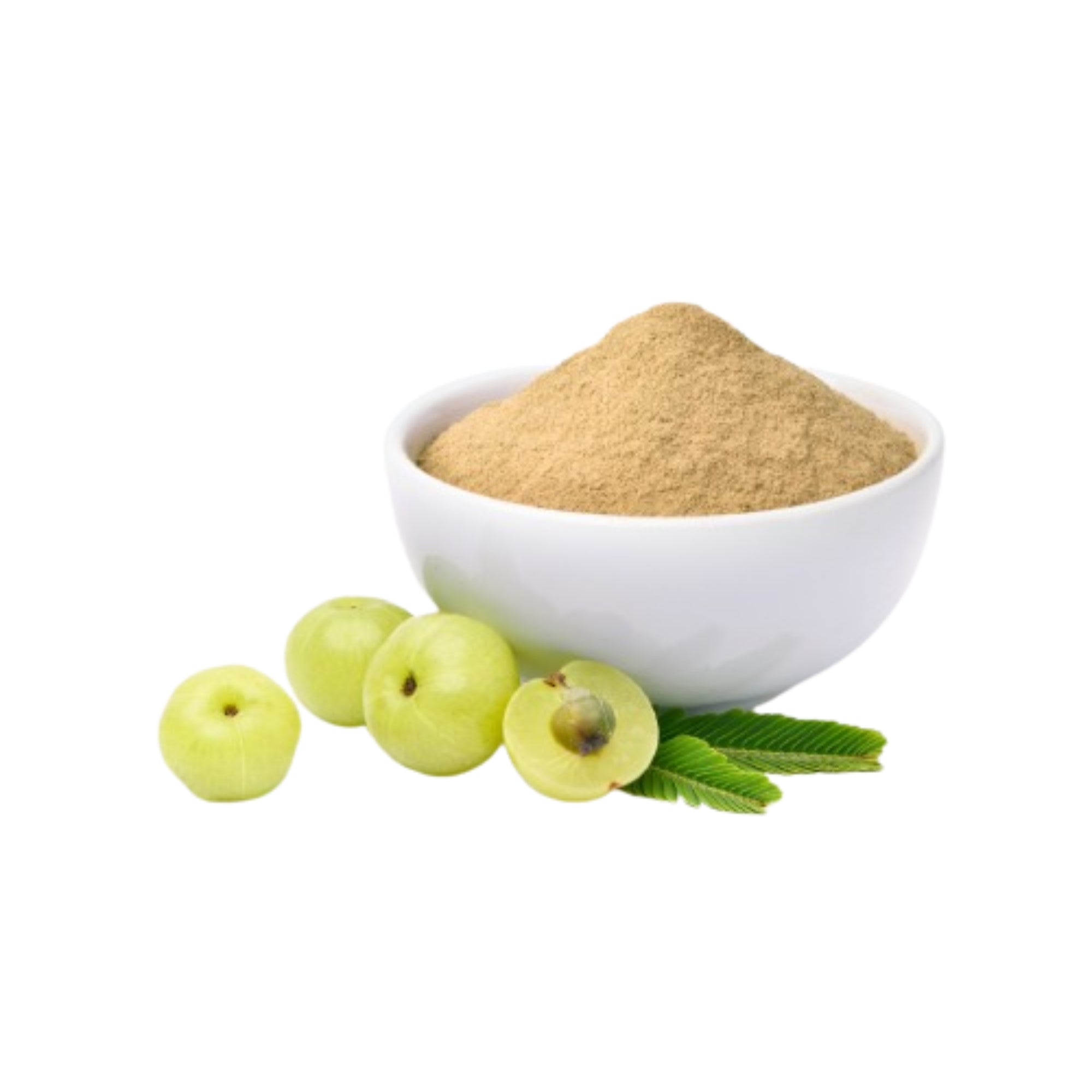
Phyllanthus emblica, known in Sri Lanka as nelli and more widely as amla, is by far the most commercially significant and well-researched species in the genus. Its fruit is extraordinarily rich in vitamin C and is a cornerstone of both Ayurvedic and Unani medicine across South Asia. Phyllanthus heyneanus, by contrast, is not a fruit-bearing species of commercial importance — it is valued primarily for its presence in traditional botanical catalogs and its use in local folk medicine.
Both species belong to the same genus and share some broad phytochemical characteristics, including the presence of tannins, flavonoids, and alkaloids, but their specific profiles and clinical applications differ. Researchers studying the Phyllanthus genus often screen multiple species together, which has helped surface the distinct properties of lesser-known members like P. heyneanus.
Is Phyllanthus heyneanus the subject of scientific research?
Academic interest in the Phyllanthus genus has grown considerably over the past two decades, driven largely by clinical studies on P. niruri and P. emblica. Research into less-studied species like P. heyneanus tends to focus on phytochemical screening — identifying the specific compounds present — and preliminary pharmacological assays. Peer-reviewed databases such as PubMed and Google Scholar list a growing body of regional research from South Asian institutions investigating the bioactive potential of Sri Lankan and Indian Phyllanthus species.
Sri Lanka's university faculties of Ayurveda and indigenous medicine, alongside the Institute of Indigenous Medicine at the University of Colombo, contribute to this research base, reflecting the country's commitment to validating traditional plant knowledge through contemporary science.
Other species in this genus
7 more, sharing the same genus.