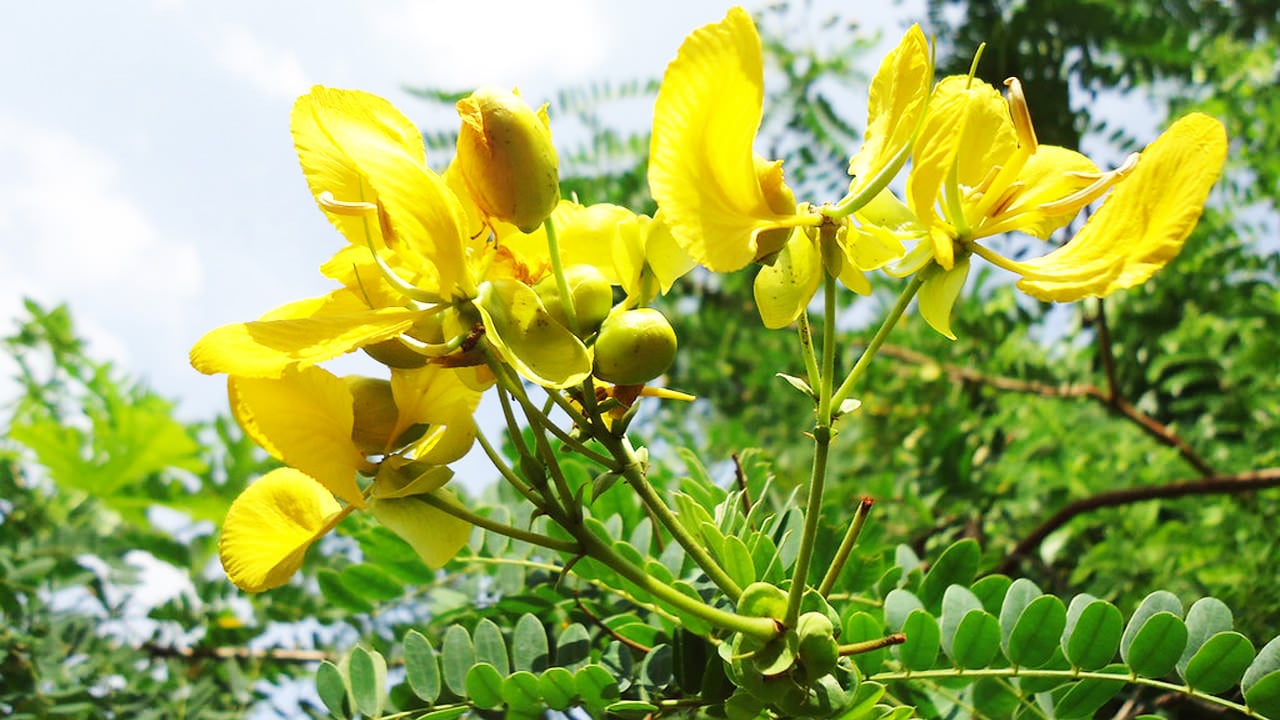

Senna auriculata, known in Sinhala as Ranawara (රණවරා), is one of Sri Lanka's most recognisable wild shrubs. Found along roadsides, scrublands, and dry-zone forest margins across the island, it draws immediate attention when in bloom — clusters of bright yellow flowers appearing against a backdrop of dense, downy foliage. Beyond its visual appeal, Ranawara has been valued in Ayurvedic and traditional medicine across South Asia for well over a thousand years.
What does Senna auriculata look like?
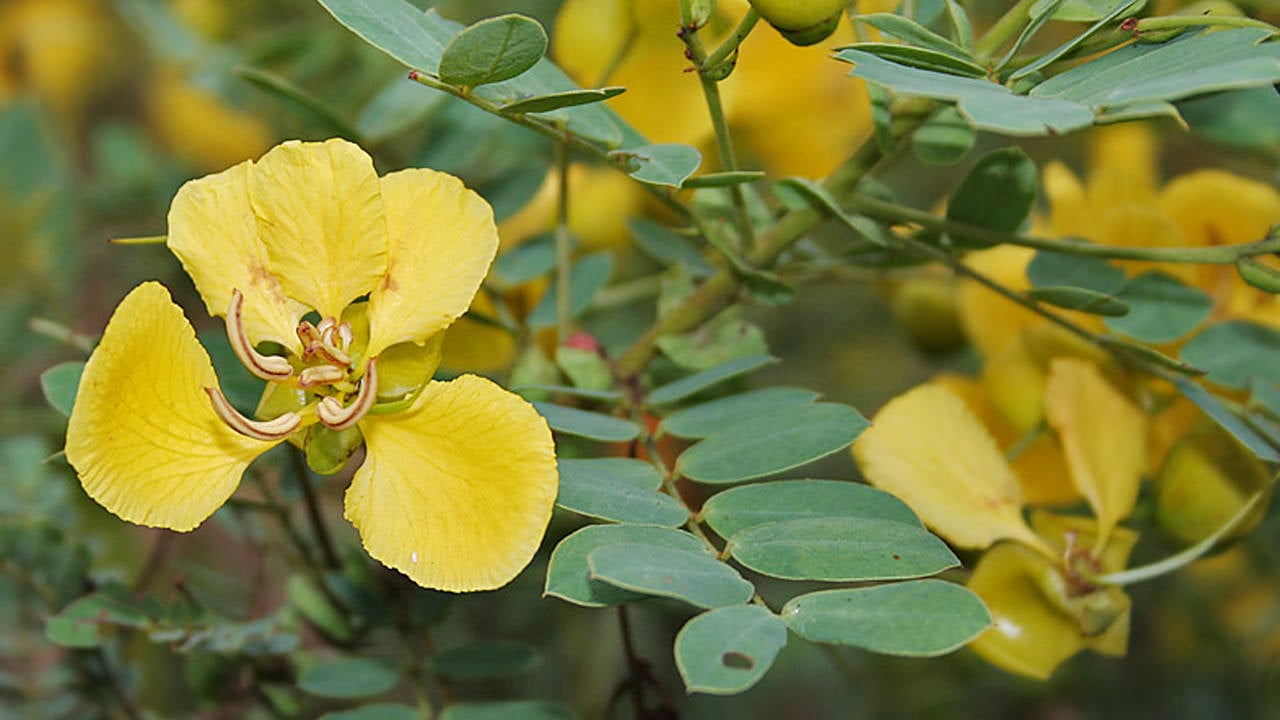
Ranawara is a large, bushy shrub that can reach two to three metres in height under favourable conditions. Its stems and branches are noticeably thick and covered in fine, soft down, giving younger growth a slightly silvery appearance. The leaves are alternate and pinnate, typically 30–60 cm in length, with 8–12 pairs of oblong leaflets, each leaflet measuring roughly 5–15 cm long. A small, leaf-like stipule at the base of each leaf stalk is one of the plant's distinguishing features.
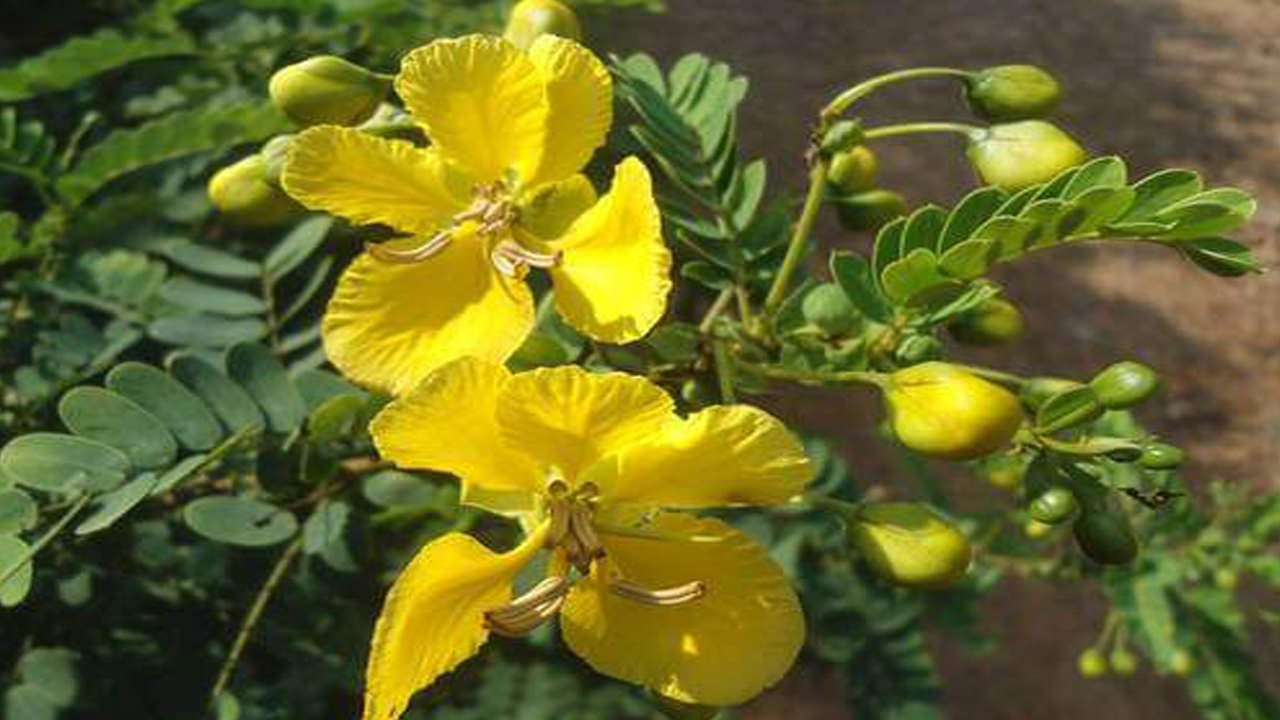
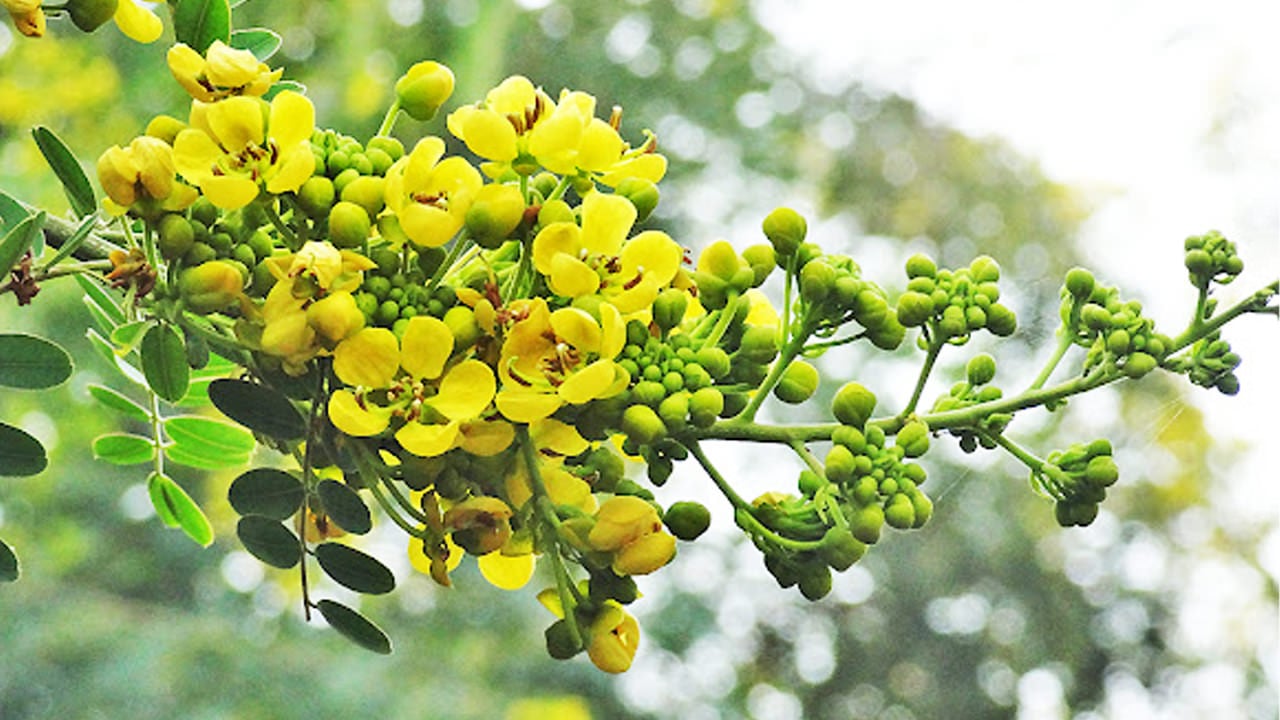
The flowers are borne in pedunculate racemes — branched clusters arising from the leaf axils. Each flower is an irregular, five-petalled bloom in golden yellow, often marked with darker veining that guides pollinators toward the centre. The stamens vary in length, a characteristic typical of the Senna genus.
After flowering, the plant produces long, membranous seed pods, typically 10–20 cm in length and around 1.3–1.6 cm broad. Each pod has a distinctive broad wing running along the centre of each valve, and contains around five seeds. The pods turn brown and papery as they mature, splitting to release seeds that are dispersed by wind and water.
Where does Ranawara grow in Sri Lanka?
Senna auriculata thrives in the dry and intermediate climate zones of Sri Lanka, where annual rainfall is lower and soils tend to be well-drained and sandy. It is particularly common in the North Central, Northern, Eastern, and parts of the Southern provinces. Roadsides, scrub jungle, and the edges of tank (reservoir) bunds are typical habitats.
The plant is notably drought-tolerant, which makes it well adapted to Sri Lanka's dry zone. It also grows spontaneously in disturbed land, including former agricultural plots and areas around ancient irrigation tanks. Travellers passing through the Wilpattu National Park region or the dry-zone lowlands will frequently spot Ranawara shrubs flowering along the roadside, especially between August and November.
In cultivation, Ranawara is sometimes grown in home gardens for its medicinal value and as an ornamental hedge plant. It establishes quickly from seed and requires minimal maintenance once rooted.
What are the traditional medicinal uses of Ranawara?
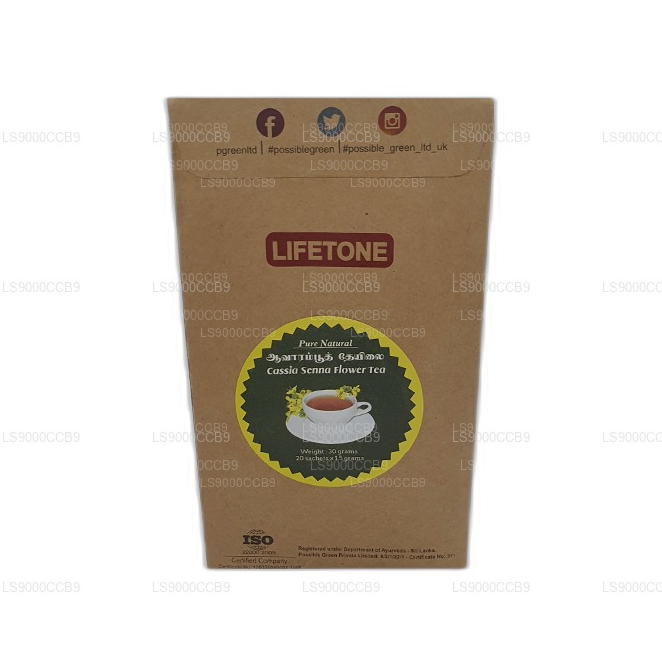
In Sri Lankan Ayurveda, almost every part of the Ranawara plant has documented application. The dried flowers are the most widely used component, typically prepared as a herbal tea (referred to as ranawara tea) consumed to support kidney function, regulate blood sugar, and promote general well-being. This flower tea remains a common household remedy across rural Sri Lanka, prepared by steeping dried flowers in hot water for several minutes.
The leaves and bark have been used in traditional preparations for skin conditions and as a general tonic. In classical Ayurvedic texts, Senna auriculata is listed as a cooling herb with properties suited to balancing excess heat in the body. Practitioners have traditionally recommended it for conditions associated with excess pitta according to tridosha theory.
In Tamil traditional medicine, practiced extensively in southern India and northern Sri Lanka, the plant is known as Avarai (ஆவாரை) and carries a similarly extensive medicinal reputation. Research into its phytochemistry has identified compounds including flavonoids, tannins, and anthroquinone glycosides, which may underpin some of its traditional applications, though clinical research remains ongoing.
- Flowers: Dried and brewed as a herbal infusion for blood sugar support and kidney health.
- Leaves: Applied topically in traditional preparations for skin conditions; also used in decoctions.
- Bark: Used in some classical formulations as an astringent and tonic.
- Seeds: Occasionally used in Ayurvedic compound preparations.
- Roots: Less commonly used, but documented in some regional traditions for fever management.
How is Senna auriculata related to other Cassia and Senna species?
Taxonomically, Senna auriculata belongs to the subfamily Caesalpinioideae within the legume family Fabaceae. For much of the 20th century it was classified under the genus Cassia, which is why the name Cassia auriculata still appears widely in older literature and in many Sri Lankan herbal references. Following a major taxonomic revision, the species was reclassified under the genus Senna, though both names remain in common usage.
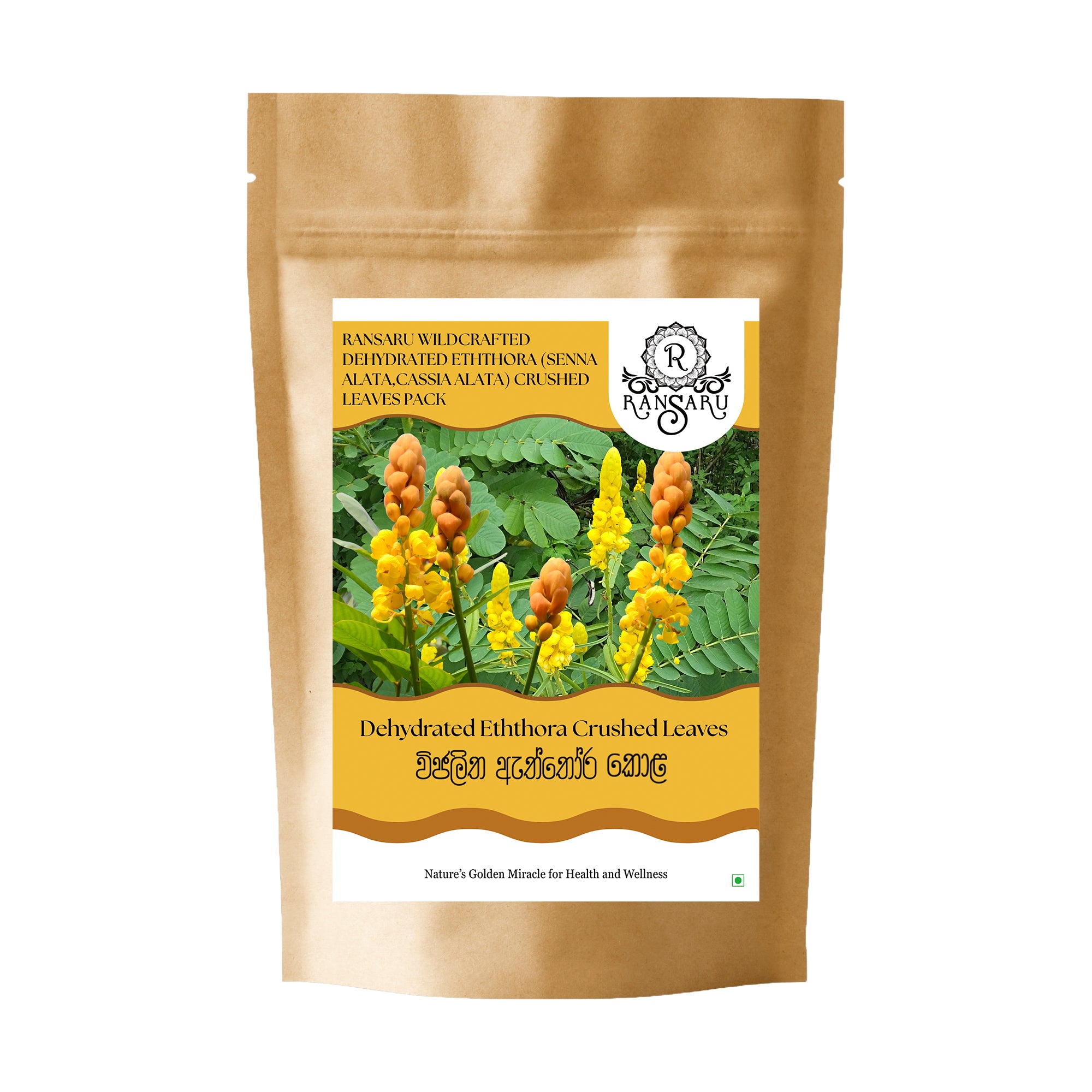
Sri Lanka hosts several related species. Acacia chundra is another member of the wider legume family found in the island's dry zone, similarly valued for its bark in traditional medicine. Senna alata (Eththora in Sinhala), another species in the same genus, is likewise used in local herbal practice and is recognisable by its distinctively large, candle-like flower spikes.
Is Ranawara tea safe to drink?
Ranawara flower tea is widely consumed in Sri Lanka as a daily wellness beverage and is generally considered safe for most healthy adults in moderate quantities. The dried flowers are commercially available in supermarkets, pharmacies, and herbal shops across the country, and several Sri Lankan herbal product companies package it as a standard health tea.
As with any herbal preparation, people with underlying health conditions — particularly those managing diabetes with medication, or those with kidney disease — should consult a qualified healthcare practitioner before using Ranawara preparations regularly. Pregnant women are traditionally advised to use it cautiously. The flowers are also sometimes blended with other herbs such as Ceylon green tea or other botanical ingredients in commercial blends.
When can you see Ranawara flowering in Sri Lanka?
The main flowering season for Senna auriculata in Sri Lanka runs approximately from August through to November, though isolated flowering can occur at other times depending on local rainfall patterns. The plant tends to bloom most profusely toward the end of the dry season and into the early northeast monsoon period in the dry zone.
During peak flowering, established shrubs can become almost entirely covered in yellow blooms, making them a striking feature of the dry-zone landscape. Travellers on the road between Colombo and Ella, or through the ancient city zones, will often see Ranawara growing wild along field margins and tank embankments during these months.
What role does Ranawara play in Sri Lanka's ecology?
Ranawara flowers attract a variety of bee and butterfly species, making the shrub an important nectar source in dry-zone habitats where flowering plants can be scarce during certain seasons. Its nitrogen-fixing root system, typical of legume family members, also contributes to soil health in the often nutrient-poor soils of the dry zone.
The plant has been used in agroforestry and soil conservation contexts, planted on slopes and bunds to prevent erosion. Its dense growth habit also provides habitat and cover for small birds and insects. Within the Sinharaja Forest Reserve buffer zone and surrounding transitional habitats, related Senna and Cassia species play a similar ecological role in forest-edge environments.