Senna occidentalis — still widely known by its older name Cassia occidentalis — is a fast-growing shrub in the legume family Fabaceae. Commonly called coffee senna, styptic weed, or septicweed, it originated in the Americas and has since spread across tropical and subtropical regions worldwide. Its dual character is part of what makes it botanically remarkable: across different cultures it is simultaneously a food ingredient, a folk remedy, and a plant toxic enough to have caused documented livestock and human fatalities.
What does Cassia occidentalis look like?
Coffee senna is a foetid (faintly unpleasant-smelling) shrub that typically reaches 1–2 m in height. Its branches and stems are softly hairy, and its pinnate leaves are roughly 150–170 mm long on petioles 20–40 mm in length. Each leaf carries three to seven pairs of broadly elliptic to egg-shaped leaflets, each around 50–70 mm long and 30–40 mm wide, with a small sessile gland near the base of the petiole.
The flowers are yellow and appear year-round in clusters of two to four at the ends of branchlets and in the upper leaf axils. Each flower sits on a short pedicel and carries six fertile stamens with anthers 4–6 mm long, plus four staminodes. The fruit is a slightly curved, cylindrical pod roughly 120–180 mm long and around 3 mm wide — characteristic of the broader Senna genus.
Where is Cassia occidentalis found?
The plant is native to the southern United States, Mexico, and South America, but its designation as an aggressive pantropical weed reflects just how thoroughly it has colonised warmer regions globally. In Australia it is widespread but scattered across northern Western Australia, the Northern Territory, Queensland, South Australia, and New South Wales. It thrives in disturbed soils — roadsides, cultivated fields, and forest margins — making it a frequent companion to agricultural activity.
In Sri Lanka and the broader South Asian region, the plant is found growing wild in lowland areas and is known in local Ayurvedic traditions. Its adaptability to poor soils and variable rainfall makes it especially persistent once established.
What is the taxonomy and naming history of Cassia occidentalis?
Carl Linnaeus formally described this species in 1753 in Species Plantarum, using specimens collected in Jamaica and assigning the name Cassia occidentalis. The species epithet occidentalis simply means "western," reflecting its American origin. In 1829, botanist Link transferred the species to the genus Senna, giving it the binomial Senna occidentalis in his Handbuch zur Erkennung der nutzbarsten und am häufigsten vorkommenden Gewächse. Both names remain in common use, though Senna occidentalis is now the accepted scientific designation.
Is Cassia occidentalis toxic to animals and humans?
Toxicity is the most important practical concern with coffee senna. The plant contains emodin, a known toxic anthraquinone derivative, and its seeds contain chrysarobin (1,8-dihydroxy-3-methyl-9-anthrone) as well as N-methylmorpholine. Cattle that consume the plant — particularly the seeds — can develop serious muscle degeneration and organ damage.
Human toxicity has also been documented. In India, consumption of Bana Chakunda seeds has been identified as a contributing factor in deaths among tribal children due to acute encephalopathy, sometimes referred to as Acute HME syndrome. Public health interventions identifying the plant as a cause led to a significant reduction in these cases. In Rio Grande do Sul, Brazil, sixteen separate outbreaks linked to the plant were recorded, underlining the global relevance of this risk.
- Toxic compounds: emodin (anthraquinone derivative), chrysarobin, N-methylmorpholine
- Primary risk: seeds and leaves in quantity
- Species most affected: cattle, and in documented cases, children with limited dietary diversity
- Risk in context: raw or underprepared plant material poses the greatest danger
How has Cassia occidentalis been used in traditional food and medicine?
Despite its toxicity potential, the plant has a long record of use in traditional food systems and ethnobotanical medicine, particularly when prepared carefully. In the Maldives, the leaves — known locally as Dhiguthiyara — have been used for centuries as a food ingredient, appearing in dishes such as mas huni and in traditional medicine practices. The cultural continuity of this use suggests that preparation methods developed over generations mitigate the plant's more harmful properties.
In India, tribal communities have used almost all parts of the plant — leaf, root, and seed — for both nutritional and medicinal purposes. Across Ayurvedic and Unani traditions, preparations derived from related Cassia and Senna species, including plants closely related to Acacia chundra and Pongamia pinnata, reflect a broader regional knowledge system around leguminous medicinal plants.
Reported traditional applications across different regions include:
- Leaf preparations used as a mild laxative
- Root decoctions applied to skin conditions
- Seeds (roasted or prepared) used as a coffee substitute — the origin of the common name "coffee senna"
- Topical use of leaves for fungal skin infections and wound management
How does Cassia occidentalis relate to other Senna and Cassia species?
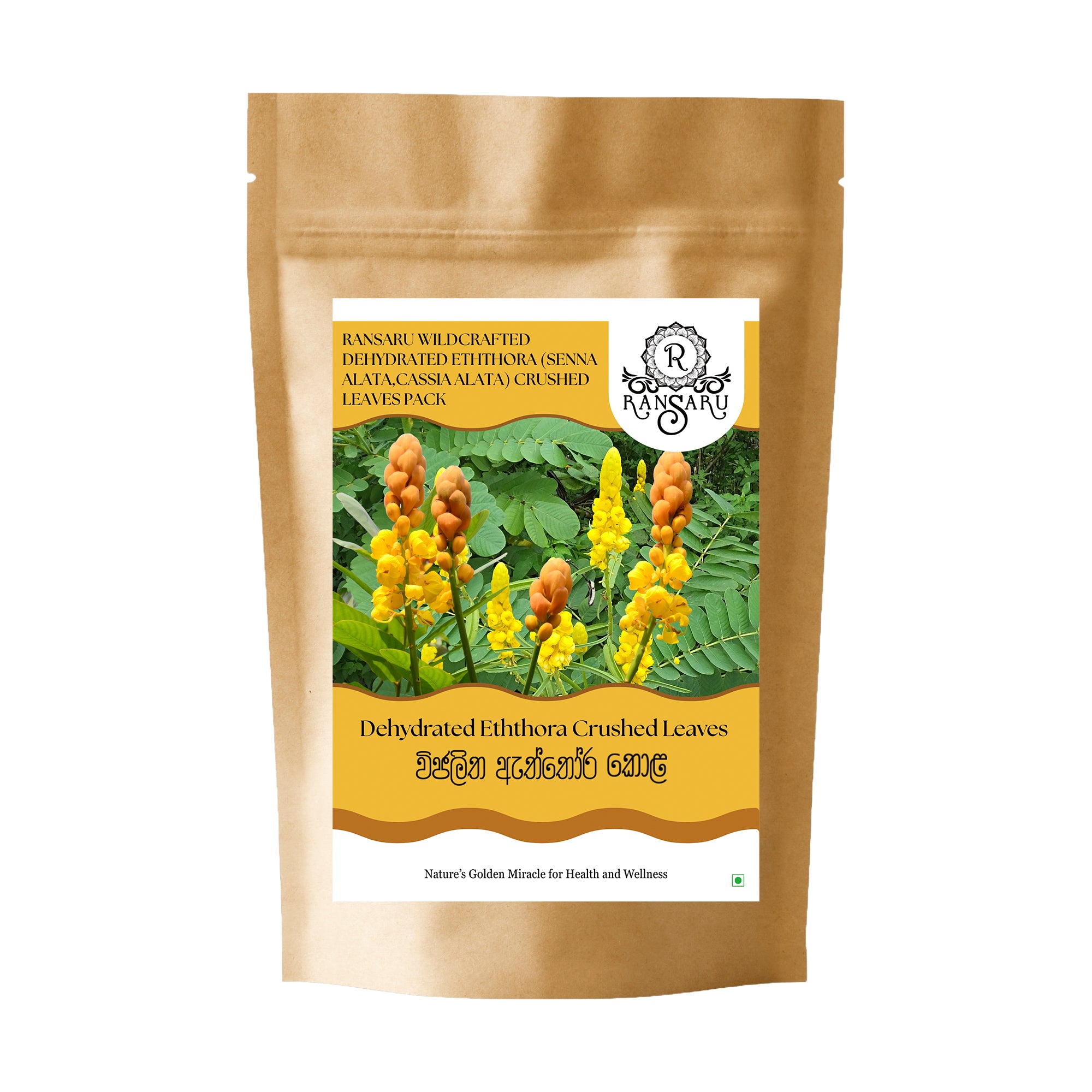
The genus Senna — into which most former Cassia species have been reclassified — contains around 350 species distributed across tropical and subtropical regions. Several of these have significant economic or medicinal profiles. Senna alata (known locally in Sri Lanka as eththora) is used for its antifungal leaf properties and is harvested from the wild in parts of the island. Cassia tora (now Senna tora) produces seeds that have been commercialised as a coffee alternative and are used in Ayurvedic formulations.
Understanding coffee senna within this broader genus helps contextualise why traditional communities across Asia, Africa, and the Pacific have independently arrived at similar uses for related species — and why scientific scrutiny of dosage and preparation method matters when drawing on that knowledge safely.
What role does Cassia occidentalis play in modern herbal product development?
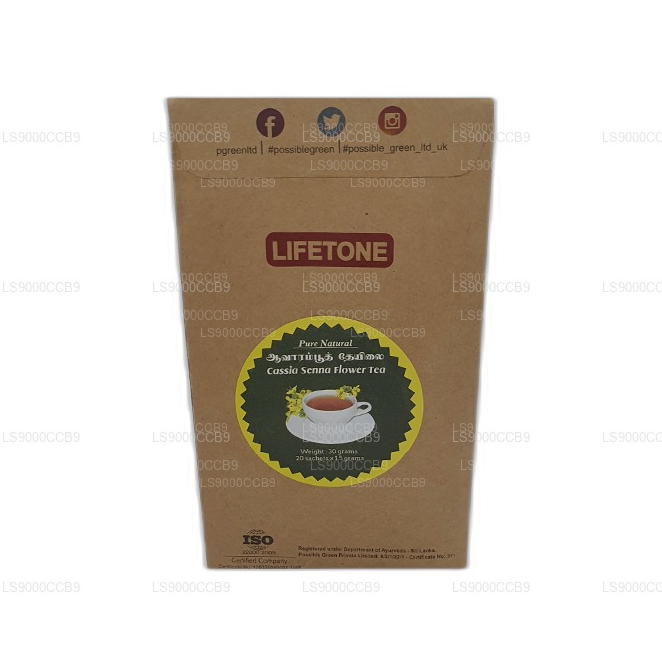
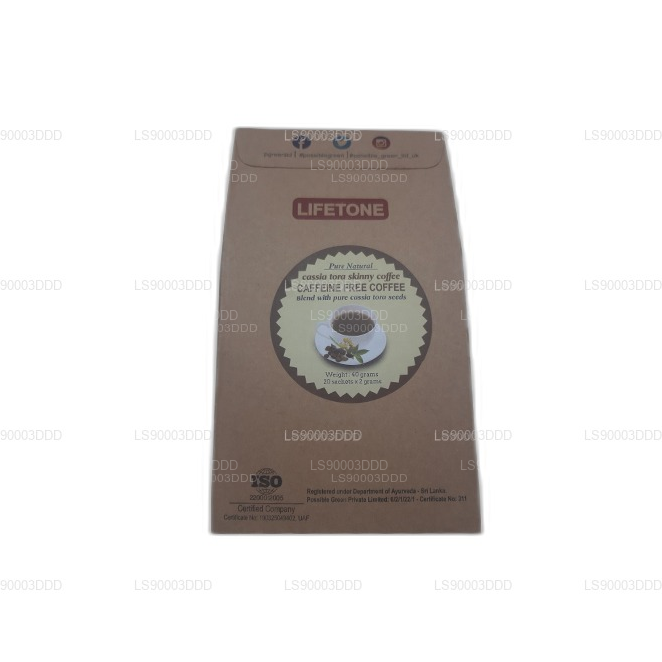
Commercial interest in Cassia and Senna species has grown alongside wider consumer appetite for herbal teas, adaptogenic supplements, and plant-based alternatives to conventional beverages. Coffee senna and its close relatives appear in formulations marketed for digestive support, liver health, and as caffeine-free coffee substitutes. Sri Lankan producers have developed a range of products drawing on the broader Cassia family, reflecting the country's deep engagement with Ayurvedic plant traditions and its established herbal export sector.
As with all botanicals in this category, quality sourcing, correct species identification, and appropriate dosage guidance are essential. Wildcrafted and certified-organic sourcing practices are increasingly prioritised to ensure both efficacy and safety in finished products.
Other species in this genus
10 more, sharing the same genus.