



Cassia surattensis ssp. glauca is a small to medium-sized flowering tree belonging to the family Fabaceae (formerly Leguminosae). Widely distributed across tropical Asia, it has been naturalised throughout Sri Lanka and is a recognised entry in the island's catalogue of Ayurvedic medicinal plants. Its cheerful yellow blooms make it a familiar sight along roadsides, in home gardens, and at forest margins across the low and mid-country zones.
What does Cassia surattensis ssp. glauca look like?
The tree typically reaches 3–8 metres in height and carries pinnate leaves arranged in opposite pairs along each stem. The leaflets are oval, with a slightly waxy, blue-green (glaucous) surface — the characteristic that gives the subspecies its epithet glauca. Bright golden-yellow flowers are borne in loose axillary racemes, blooming for much of the year in Sri Lanka's warm climate. These are followed by long, flattened seed pods that turn brown at maturity.
The plant is sometimes confused with related species such as Acacia chundra, though the two differ substantially in leaf structure and bark texture. Cassia surattensis is generally spineless and has a softer, more rounded canopy.
Where does Cassia surattensis ssp. glauca grow in Sri Lanka?
This subspecies is distributed across the island from sea level up to around 1,000 metres elevation. It tolerates a range of soil types and is drought-hardy once established, making it common in the dry and intermediate zones as well as the wet lowlands. It frequently grows alongside other medicinal species catalogued in the Ayurvedic tradition, including Pongamia pinnata, another tree with well-documented therapeutic applications.
The plant is also cultivated as an ornamental and shade tree in urban and semi-urban settings. Its fast growth and nitrogen-fixing root associations make it useful for soil stabilisation and agroforestry systems.
What are the traditional Ayurvedic uses of this plant?
In Sri Lankan Ayurvedic practice, different parts of Cassia surattensis ssp. glauca are employed for a range of therapeutic purposes. The leaves, bark, and seeds have each been used in traditional formulations, though the specific applications vary across classical texts and regional practitioners.
- Leaves: Preparations from fresh or dried leaves are traditionally applied to address skin conditions and fungal infections.
- Seeds: The seeds contain compounds studied for their mild laxative and anti-inflammatory properties.
- Bark: Bark decoctions appear in some regional formulations aimed at supporting liver function and managing fever.
- Flowers: The flowers are occasionally used in topical preparations and are also reported to have antioxidant activity in preliminary research.
As with all medicinal plants, traditional use does not substitute for professional medical advice. Ayurvedic formulations in Sri Lanka are typically overseen by qualified practitioners trained in classical texts.
How does Cassia surattensis relate to other Cassia species?
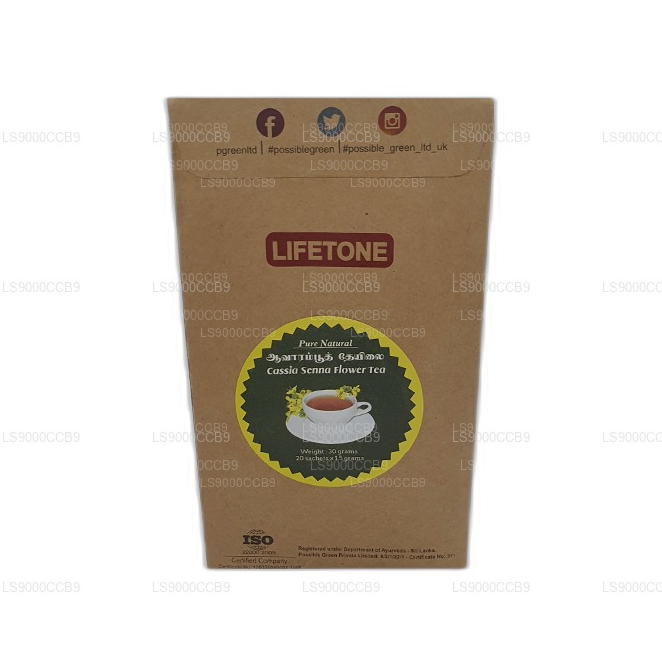
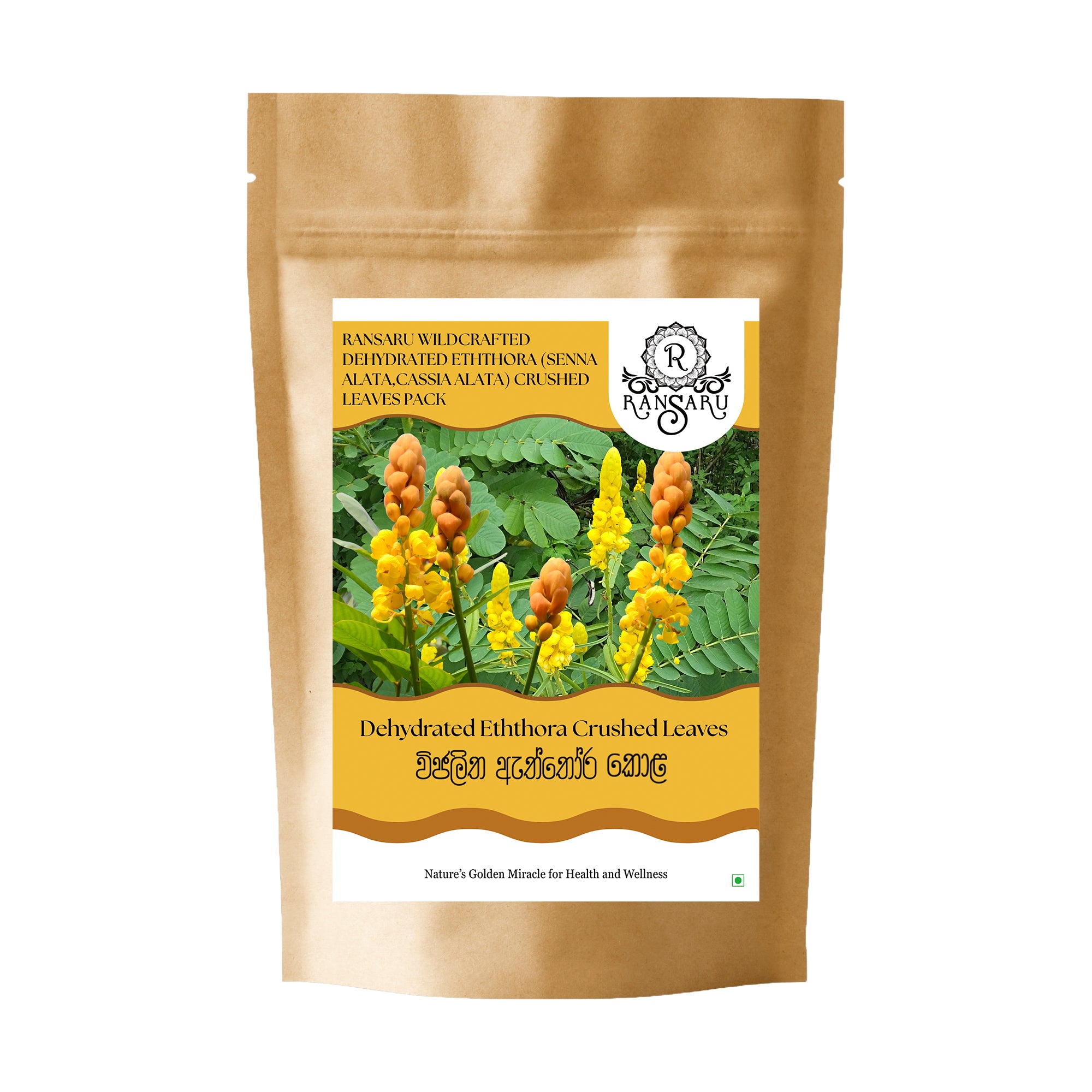
The genus Cassia (and closely related genera Senna and Chamaecrista, into which many former Cassia species have been reclassified) contains several plants of medicinal significance in Sri Lanka and across South Asia. Senna alata, for instance, is widely used for its antifungal leaf properties and is available in wildcrafted form. Cassia tora (now Senna tora) is similarly prized and has found its way into contemporary herbal products.
Cassia surattensis ssp. glauca occupies a specific niche within this family: it is neither the most potent medicinally nor purely ornamental, but sits usefully in both domains. Its cataloguing under Sri Lanka's Ayurvedic plant registry reflects the island's long tradition of systematically documenting its botanical heritage.
What is the ecological role of Cassia surattensis in Sri Lanka?
Beyond its human uses, the tree provides valuable ecological services. Its flowers are a reliable nectar source for bees and butterflies, supporting pollinator populations in both cultivated and semi-wild landscapes. The dense canopy provides shade and shelter for understory birds and insects. Because it belongs to the legume family, it enriches surrounding soil through symbiotic nitrogen fixation — a trait that makes it a useful companion plant in mixed agroforestry systems practised in rural Sri Lanka.
In areas adjacent to protected landscapes such as the Sinharaja Forest Reserve, such nitrogen-fixing species play a quiet but important role in buffer zone ecology, supporting the gradual recovery of degraded land at forest margins.
How is Cassia surattensis ssp. glauca identified in botanical catalogues?
The plant is registered under the Lakpura botanical catalogue reference LK94006414. This identifier is part of a broader effort to document the Ayurvedic and ethnobotanical plant wealth of Sri Lanka systematically, cross-referencing local names, traditional uses, and accepted taxonomic classifications.
The accepted scientific name follows the World Flora Online taxonomy, which recognises Cassia surattensis Burm.f. and its subspecific variants as distinct from the reclassified Senna species. The subspecies designation glauca distinguishes it from other surattensis variants by its leaf surface colour and texture.
What are the Sinhala and common names for this plant?
In Sri Lanka, Cassia surattensis ssp. glauca is known by several vernacular names depending on region and community. It is commonly called Wairi Araliya or variants thereof in Sinhala-speaking areas, though local naming conventions can differ between villages. It is also sometimes referred to simply as "Glaucous Senna" or "Scrambled Egg Tree" in English-language horticultural contexts, the latter name shared with related yellow-flowering Cassia relatives.
Understanding local plant names is an important part of accessing traditional knowledge in Sri Lanka, where Ayurvedic practice has been transmitted through generations of practitioners using vernacular terminology.
Other species in this genus
10 more, sharing the same genus.