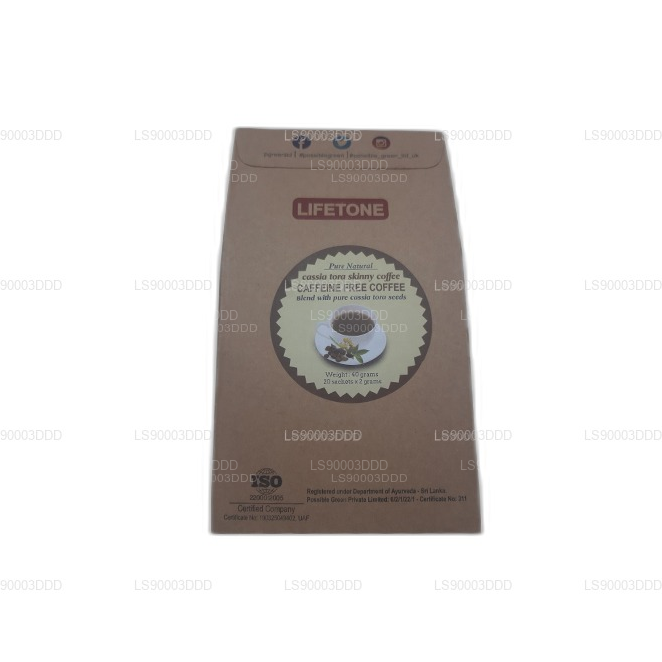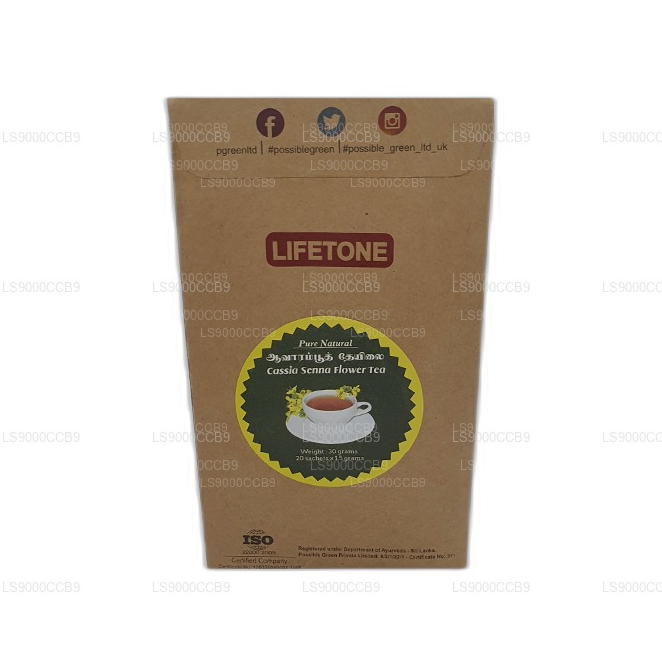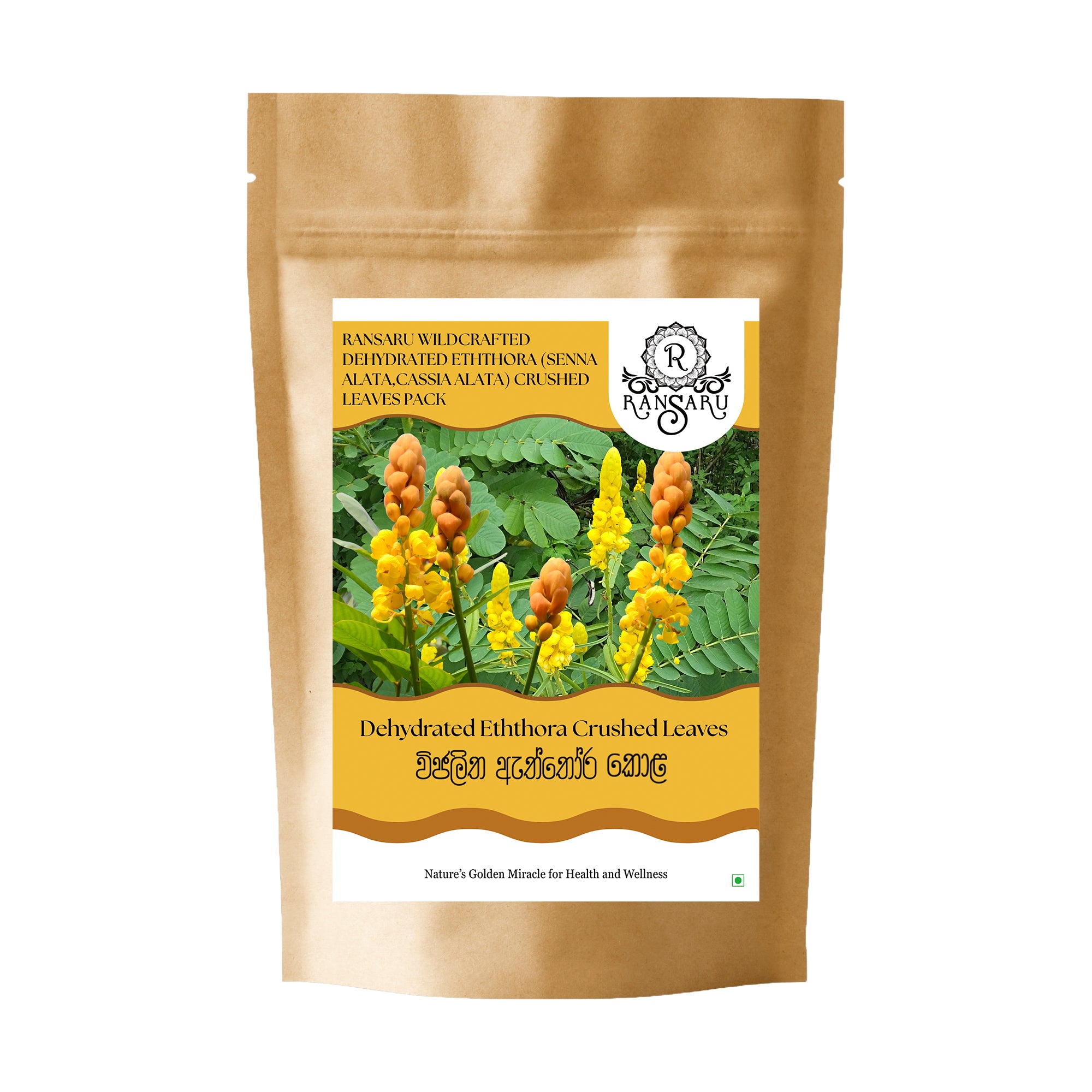




Cassia tora is a small, fast-growing leguminous herb native to tropical Asia and widely naturalised across Sri Lanka. Known by various common names including sickle senna and sickle pod, it holds a recognised place in Sri Lanka's catalog of Ayurvedic medicinal plants, where it has been used for centuries in traditional healing systems. The plant is modest in appearance — rarely exceeding a metre in height — but its seeds, leaves, and roots carry a long history of therapeutic application.
What does Cassia tora look like?
Cassia tora is an erect annual herb with compound leaves made up of three pairs of obovate leaflets. Its small yellow flowers bloom in pairs in the axils of the leaves, and the plant produces long, curved seed pods — typically 10–15 cm in length — that give rise to the common name "sickle pod." The seeds inside are glossy, olive-coloured, and rhomboidal in shape. The plant grows readily in disturbed soils, roadsides, wastelands, and the edges of cultivated fields across the island's lowland and mid-country zones.
Where does Cassia tora grow in Sri Lanka?
In Sri Lanka, Cassia tora is distributed widely across the dry and intermediate zones. It is a common sight along field borders, paddy field margins, and open scrubland from sea level up to moderate elevations. The plant is not confined to any single region — it appears naturally throughout the North Central Province, the Eastern Province, and the Southern lowlands, thriving in the seasonal rainfall patterns of these areas. It is generally considered a pioneer species, one of the first plants to colonise open or disturbed ground.
What are the Ayurvedic and medicinal uses of Cassia tora?
In Ayurvedic medicine, Cassia tora is valued primarily for its seeds, leaves, and roots. The seeds are used in formulations addressing skin conditions, ringworm, and fungal infections, owing to their antifungal and antimicrobial properties. Leaf preparations are applied topically for skin irritations and minor wounds. The roasted seeds have historically been used as a coffee substitute in parts of South and Southeast Asia, a tradition reflected in some modern herbal product lines.
- Seeds: Used in antifungal and hepatoprotective preparations; also roasted as a caffeine-free beverage base.
- Leaves: Topical applications for skin conditions, particularly fungal infections.
- Roots: Included in some Ayurvedic formulations for their mild laxative properties.
- Whole plant: Used in veterinary ethnomedicine in rural Sri Lanka for livestock skin ailments.
Cassia tora seeds contain anthraquinone glycosides, flavonoids, and essential fatty acids, which modern phytochemical research has linked to the plant's traditional reputation. It is related botanically to other documented Ayurvedic plants such as Acacia chundra, both belonging to the broader legume family used extensively in South Asian herbal medicine.
How is Cassia tora used in traditional Sri Lankan medicine?
Sri Lanka's Ayurvedic tradition — rooted in the ancient texts of the Deshiya Chikitsa and informed by centuries of local practice — incorporates Cassia tora primarily as a skin remedy and digestive aid. Village-level practitioners (vedamahattayas) have long prepared leaf pastes for ringworm, tinea, and similar dermatological complaints. The seeds, ground and mixed with coconut oil derived from Cocos nucifera, form a simple topical treatment still used in rural households. In some traditional contexts, a decoction of the seeds is taken internally as a mild laxative and liver tonic.
The plant is also documented in classical Ayurvedic texts under the Sanskrit name Chakramarda, where it is described as having a bitter taste (tikta rasa) and properties that reduce excess Kapha and Pitta — the two doshas associated in Ayurveda with inflammation and skin disorders.
Does Cassia tora have any ecological significance?
Beyond its medicinal applications, Cassia tora plays a useful ecological role as a nitrogen-fixing legume. Like other members of the Fabaceae family, it forms symbiotic associations with soil bacteria that fix atmospheric nitrogen, gradually improving soil fertility in degraded or heavily cropped land. It is also a nectar source for a range of pollinating insects, including bees and certain butterfly species found in Sri Lanka's dry zone habitats.
The plant is considered a weed in some agricultural contexts — particularly in paddy and vegetable cultivation — but its ecological services and medicinal value have led to a more nuanced view among researchers and Ayurvedic practitioners who advocate for its managed presence on farm boundaries rather than wholesale removal.
What products are made from Cassia tora commercially?
Commercially, Cassia tora seeds are processed into gum (cassia gum), which is used as a thickening and gelling agent in food, cosmetic, and industrial applications. Cassia gum is approved as a food additive in several regulatory jurisdictions. In Sri Lanka and regionally, the seeds are also processed into herbal teas and roasted grain beverages marketed as caffeine-free alternatives to coffee or black tea. These products are increasingly available through Ayurvedic health retailers and specialty wellness brands operating on the island.
How does Cassia tora relate to Sri Lanka's broader herbal medicine tradition?
Sri Lanka has one of the oldest continuously practised Ayurvedic traditions in Asia, supported by government institutions such as the Ministry of Indigenous Medicine and a network of state Ayurvedic hospitals. Cassia tora is one of several hundred plants catalogued in the official pharmacopoeia of Sri Lankan Ayurvedic medicine. Other plants in the same tradition — including Pongamia pinnata and Syzygium aromaticum — illustrate the breadth of botanical knowledge preserved and practised on the island. Sri Lanka's biodiversity, particularly in protected areas such as the Sinharaja Forest Reserve, continues to be a source of research into plant-based medicine.
Is Cassia tora safe to use?
Cassia tora is generally regarded as safe when used in traditional preparations at customary doses. However, the anthraquinone compounds in the seeds can have a laxative effect in larger quantities, and prolonged internal use is not recommended without guidance from a qualified Ayurvedic practitioner. As with all medicinal plants, quality, preparation method, and dosage are significant factors. Those with chronic health conditions or taking conventional medications should consult a health professional before incorporating Cassia tora preparations into their regimen.
Other species in this genus
10 more, sharing the same genus.