



Cassia kleinii is a shrubby flowering plant recognised within the traditional ayurvedic pharmacopoeia of Sri Lanka. Relatively little known outside specialist botanical and medicinal circles, it belongs to the large and therapeutically significant Cassia genus — a group of plants that has shaped herbal medicine across South and Southeast Asia for centuries. In Sri Lanka, where ayurvedic practice remains a living tradition rather than a historical curiosity, plants like Cassia kleinii occupy a quiet but meaningful place in the healing landscape.
What is Cassia kleinii and where does it grow?
Cassia kleinii is a species in the legume family Fabaceae (subfamily Caesalpinioideae). Like many of its relatives, it produces bright yellow flowers typical of the Cassia genus, and it tends to grow as a woody shrub in scrubland, forest margins, and disturbed habitats. In Sri Lanka, it is found across a range of elevations, though it is more commonly associated with the dry and intermediate zones of the island.
The plant's natural range extends through parts of South Asia, and in Sri Lanka it is considered an indigenous or naturalised component of the island's rich botanical heritage. Sri Lanka's biodiversity — built on a land area that punches far above its size in terms of endemic species — means that even less-publicised plants such as this one contribute to a flora that scientists and traditional healers alike continue to study closely.
Forested areas such as the Sinharaja Forest Reserve and surrounding dry-zone habitats shelter many of Sri Lanka's medicinal plant species, providing the ecological conditions in which plants like Cassia kleinii persist.
How is Cassia kleinii used in ayurvedic medicine?
Within the Sri Lankan ayurvedic tradition, the Cassia genus broadly encompasses plants valued for their laxative, anti-inflammatory, and skin-related therapeutic properties. Cassia kleinii, like related species, is catalogued among the medicinal plants consulted by traditional physicians (known as veda mahattayas) when formulating treatments rooted in classical ayurvedic texts.
Preparations derived from Cassia species typically make use of the leaves, seeds, and sometimes the bark. These are incorporated into decoctions, powders, and topical applications. In classical ayurveda, plants in this genus are associated with balancing pitta and addressing conditions related to the digestive system and skin. While Cassia kleinii's specific therapeutic applications are documented in Sri Lankan botanical records, its use is best guided by a qualified ayurvedic practitioner rather than self-administered.
Related compounds and formulations continue to be studied. For those interested in adjacent ayurvedic preparations, the traditional compound Kaishore Guggulu offers a useful point of comparison in terms of how classical ayurvedic ingredients are combined for systemic effect.
How does Cassia kleinii relate to other Cassia species?
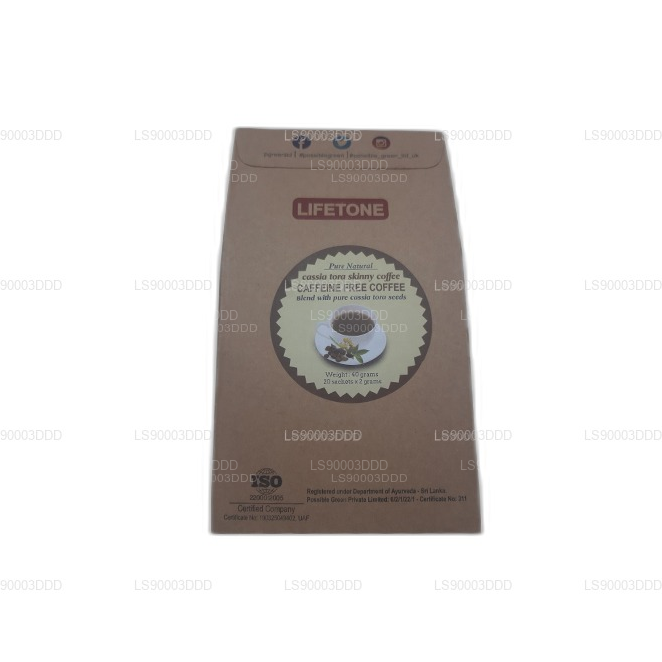
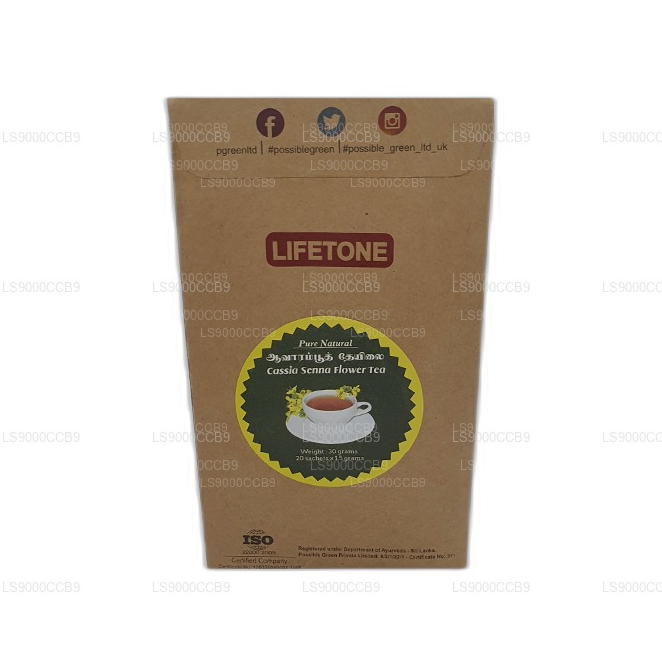
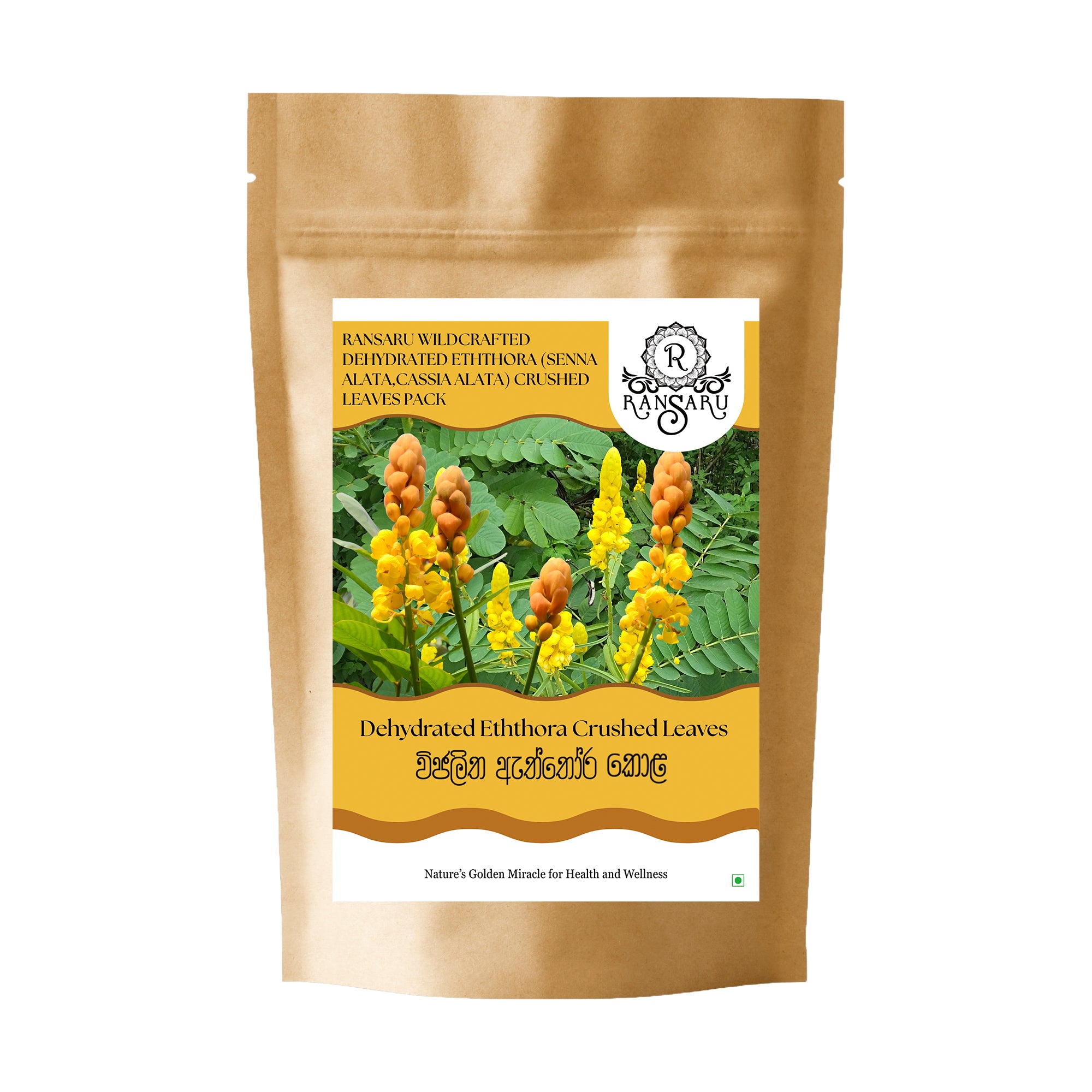
The broader Cassia and Senna genera (the two were historically grouped together) include several species well-known in herbal medicine globally. Senna alata — known locally as eththora — is widely used across Sri Lanka as a topical remedy for fungal skin conditions. Cassia tora, another close relative, is valued for its seeds and is increasingly popular in herbal tea formulations. Cassia senna (now classified as Senna alexandrina) is one of the most widely studied natural laxatives in the world.
Cassia kleinii sits within this broader family of therapeutically active plants, distinguished by its specific morphology and documented traditional use in the Sri Lankan context. Understanding it in relation to its congeners helps frame both its potential and its particular place in ayurvedic practice.
Why is Sri Lanka's ayurvedic plant heritage significant?
Sri Lanka has one of the oldest living ayurvedic traditions in the world, with texts and practices stretching back over two thousand years. The island's extraordinary botanical diversity — including a high rate of plant endemism — has given practitioners access to a uniquely rich pharmacopoeia. Government bodies such as the Department of Ayurveda officially catalogue indigenous medicinal plants, and Cassia kleinii appears among those recognised within this national inventory.
Ethnobotanical research in Sri Lanka has gathered pace in recent decades, documenting plants that risk being lost as forest cover changes and traditional knowledge becomes less widely transmitted. Plants such as Acacia chundra and Pongamia pinnata share this status — individually unassuming, collectively constituting a pharmacological library of considerable depth.
For travellers visiting Sri Lanka with an interest in traditional medicine, ayurvedic wellness centres and village herbal gardens offer hands-on introductions to many of these plants. Regions such as the cultural heartland around Kandy and the rural dry zone retain the strongest living connections to these botanical traditions.
What should researchers and travellers know about Sri Lanka's medicinal plants?
Sri Lanka's native flora includes more than 3,000 flowering plant species, of which a significant proportion carry some documented traditional medicinal use. Cassia kleinii is one of many that have not yet received the level of pharmacological scrutiny that their traditional use history arguably warrants. For botanists, ethnopharmacologists, or simply curious travellers, Sri Lanka rewards close attention.
Ayurvedic hospitals and research institutes — particularly those affiliated with the government's Institute of Indigenous Medicine — maintain living collections of medicinal plants and publish research on their properties. Visiting these institutions, or consulting with local practitioners, is the most reliable way to learn about plants like Cassia kleinii in their full cultural and therapeutic context.
If you are exploring Sri Lanka's herbal traditions more broadly, the island's spice-growing regions also yield insights into plants whose culinary and medicinal roles overlap. Ceylon black pepper, for instance, carries a long history in both Ayurveda and global trade.
Other species in this genus
10 more, sharing the same genus.