



Cassia siamea — known in Sinhala as Ehela (ඇහැල) — is one of the most recognisable roadside and parkland trees in Sri Lanka. Though it originated in Southeast Asia, it has been naturalised across the island for centuries and holds a documented place in Sri Lanka's catalogue of Ayurvedic medicinal plants. Its bright yellow flower clusters, dense shade canopy, and hardy nature have made it a fixture in gardens, avenue plantings, and dry-zone forests alike.
What is Cassia siamea and where does it grow in Sri Lanka?
Cassia siamea belongs to the legume family Fabaceae and is a medium to large deciduous tree, typically reaching 10–15 metres in height. In Sri Lanka it thrives in the low country and intermediate zones, tolerating dry conditions and poor soils that many other species cannot survive. You will commonly find it lining rural roads, temple grounds, and the edges of forest reserves as a shade or boundary tree.
The tree is fast-growing and fixes nitrogen in the soil, making it valuable for land rehabilitation in degraded areas. Its wood is hard and durable, historically used for posts, furniture, and fuel. The leaves are pinnately compound, the bark dark and fissured, and the seed pods long, flat, and dark brown when mature.
What are the Ayurvedic and medicinal uses of Cassia siamea?
In the Ayurvedic tradition practised in Sri Lanka, different parts of the Cassia siamea tree carry distinct therapeutic applications. The leaves, bark, and seeds have all been recorded in classical and folk medicine texts.
- Leaves: Used in preparations to address fever, skin conditions, and as a mild laxative. Leaf extracts have been studied for antimicrobial and anti-inflammatory properties.
- Bark: Bark decoctions are traditionally employed to manage intermittent fevers and as a general tonic. Some practitioners include it in formulas targeting liver support.
- Seeds: The seeds contain compounds researched for their potential to support blood glucose regulation, though clinical evidence in humans remains preliminary.
- Flowers: Occasionally used in topical preparations for skin ailments.
Related species in the broader Cassia and Senna genera also appear in Sri Lanka's Ayurvedic pharmacopoeia. Acacia chundra is another leguminous tree catalogued alongside Cassia siamea for its astringent medicinal bark, and both reflect the depth of Sri Lanka's plant-based healing traditions.
How does Cassia siamea fit into Sri Lanka's broader plant medicine tradition?
Sri Lanka's Ayurvedic heritage is among the richest in South Asia, drawing on millennia of documented practice. The island's biodiversity — spanning tropical coast, wet lowland forest, and highland cloud zones — provides an extraordinary range of medicinal species. Cassia siamea is catalogued alongside hundreds of plants used by traditional Veda Mahattayas (indigenous physicians) who continue to practise today.
The government body responsible for this tradition, the Department of Ayurveda, maintains the official pharmacopoeia in which Cassia siamea is listed under its Sinhala name Ehela. Many village-level practitioners in the dry zone — particularly in the North Central and Uva provinces — incorporate the tree into seasonal wellness treatments.
Sri Lanka's interest in plant-based medicine has also attracted modern phytochemical research. Cassia siamea has been the subject of studies examining its alkaloid content, particularly cassiarin compounds, which show activity against malaria-causing parasites in laboratory settings. While this does not constitute approved medical use, it underlines why the tree remains of interest to both traditional and contemporary researchers.
Is Cassia siamea the same as Cassia senna or Cassia tora?
No — although they share a genus name in older botanical classifications, these are distinct species with different chemical profiles and uses. Cassia senna (now formally Senna alexandrina) is the source of the well-known commercial laxative senna leaf. Cassia tora (now Senna tora) is a smaller herb used in traditional formulas for eye conditions and skin diseases. Cassia siamea is a tall tree and is not used interchangeably with either of those species in clinical Ayurvedic practice.
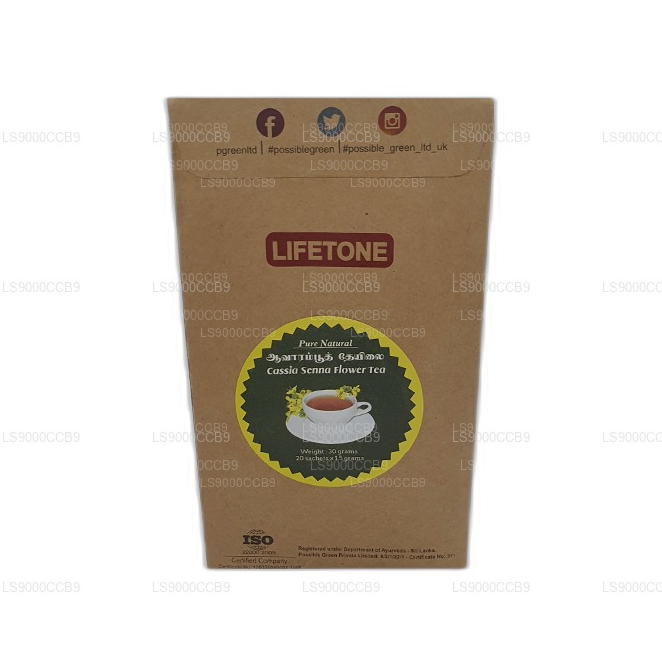
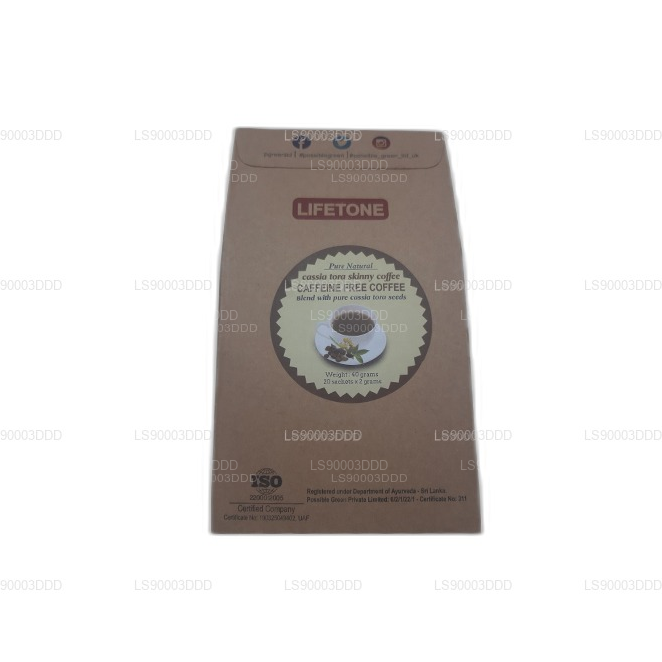
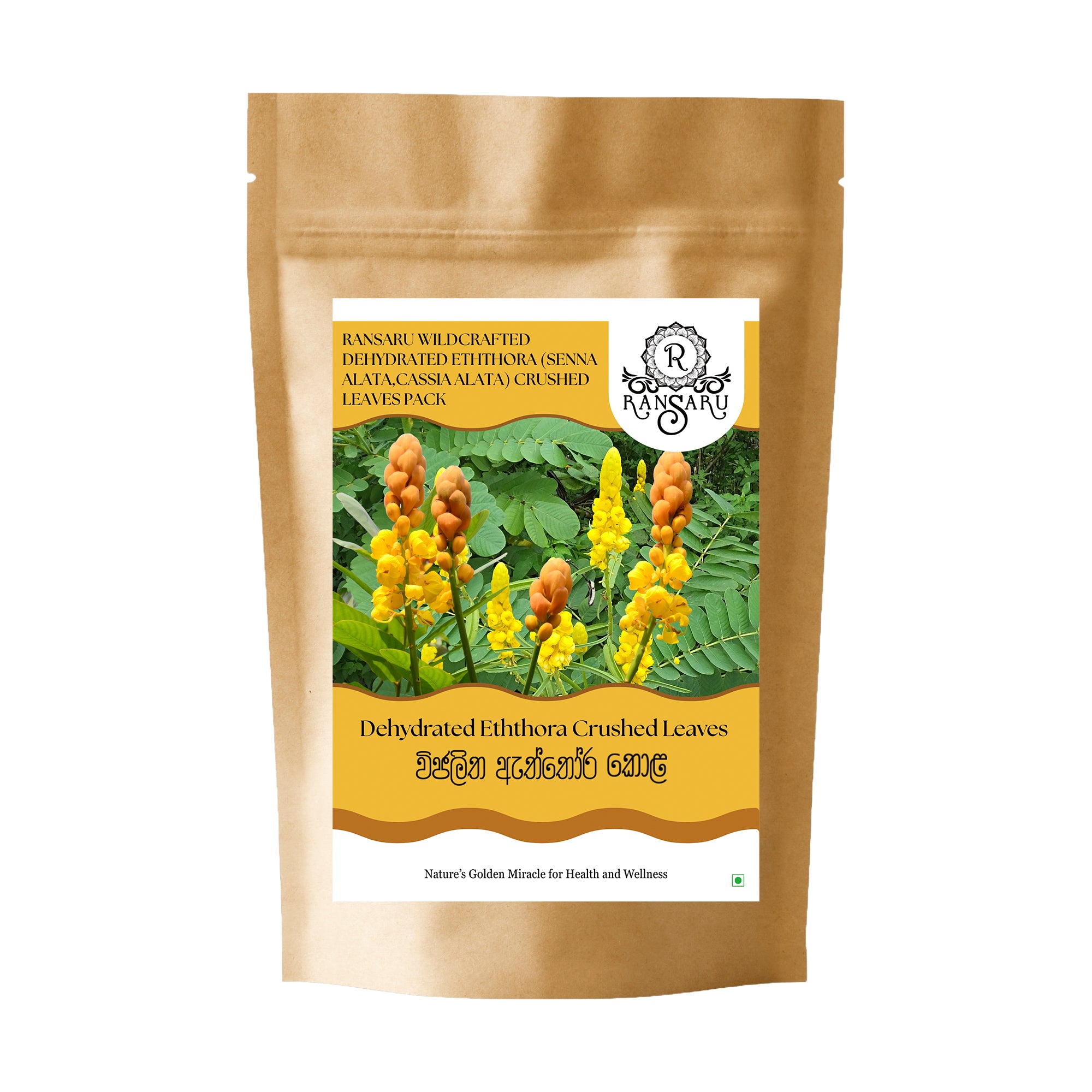
The broader Cassia/Senna group does appear in several Sri Lankan herbal products available from local manufacturers. Some of these products — such as flower teas and herbal coffees derived from related Cassia species — have entered the wellness retail market and can be found in Ayurvedic pharmacies and health shops across the country.
What ecological role does Cassia siamea play?
Beyond its medicinal value, Cassia siamea performs important ecological services. As a nitrogen-fixing legume, it enriches the soils around it, benefiting neighbouring plants. Its canopy provides shelter for a range of bird and insect species, and its flowers are a reliable nectar source for bees during the dry season — a period when many other flowering trees are dormant.
In reforestation programmes across Sri Lanka's dry zone — particularly near areas such as Wilpattu National Park — fast-growing pioneer species like Cassia siamea are sometimes used to stabilise degraded land before slower-growing native species are introduced. Its drought tolerance and ability to grow in laterite soils make it practical for such projects, though ecologists caution against planting it in pristine forest margins where it can out-compete native understorey species.
Where can travellers encounter medicinal plant traditions in Sri Lanka?
Visitors with an interest in Ayurveda and traditional plant medicine have several options for engaging with this living tradition. Many Ayurvedic resorts and spas — particularly in Galle, Kandy, and the Hill Country — offer consultations with trained physicians and treatments using locally sourced herbs, including species from the official Ayurvedic catalogue.
Herb gardens attached to Ayurvedic retreats often include labelled specimens of medicinal trees, and some village tourism experiences in the cultural heartland near Polonnaruwa incorporate walks with knowledgeable local guides who can identify plants such as Cassia siamea in their natural setting. Spice gardens in Matale and Kandy — most familiar for cinnamon, pepper, and cloves — also frequently display medicinal trees as part of educational tours.
For those interested in herbal wellness products to take home, Sri Lanka has a well-developed market for Ayurvedic preparations, from standardised capsule formulas to raw dried plant material sold in traditional Pola (open-air markets) throughout the island.
Are there any precautions when using Cassia siamea medicinally?
As with any plant used in traditional medicine, informed use is important. Cassia siamea contains bioactive compounds that can interact with pharmaceutical medications or cause adverse effects in high doses. Pregnant women, individuals on anti-diabetic medication, and those with liver conditions should consult a qualified Ayurvedic or medical practitioner before using preparations containing Cassia siamea bark or leaf extracts. Self-treating serious conditions with plant medicine alone is not advisable.
The leaves are also known to be toxic to some livestock, particularly when consumed in large quantities, which is a practical consideration in farming communities where the tree is commonly grown as a boundary hedge.
Other species in this genus
10 more, sharing the same genus.